
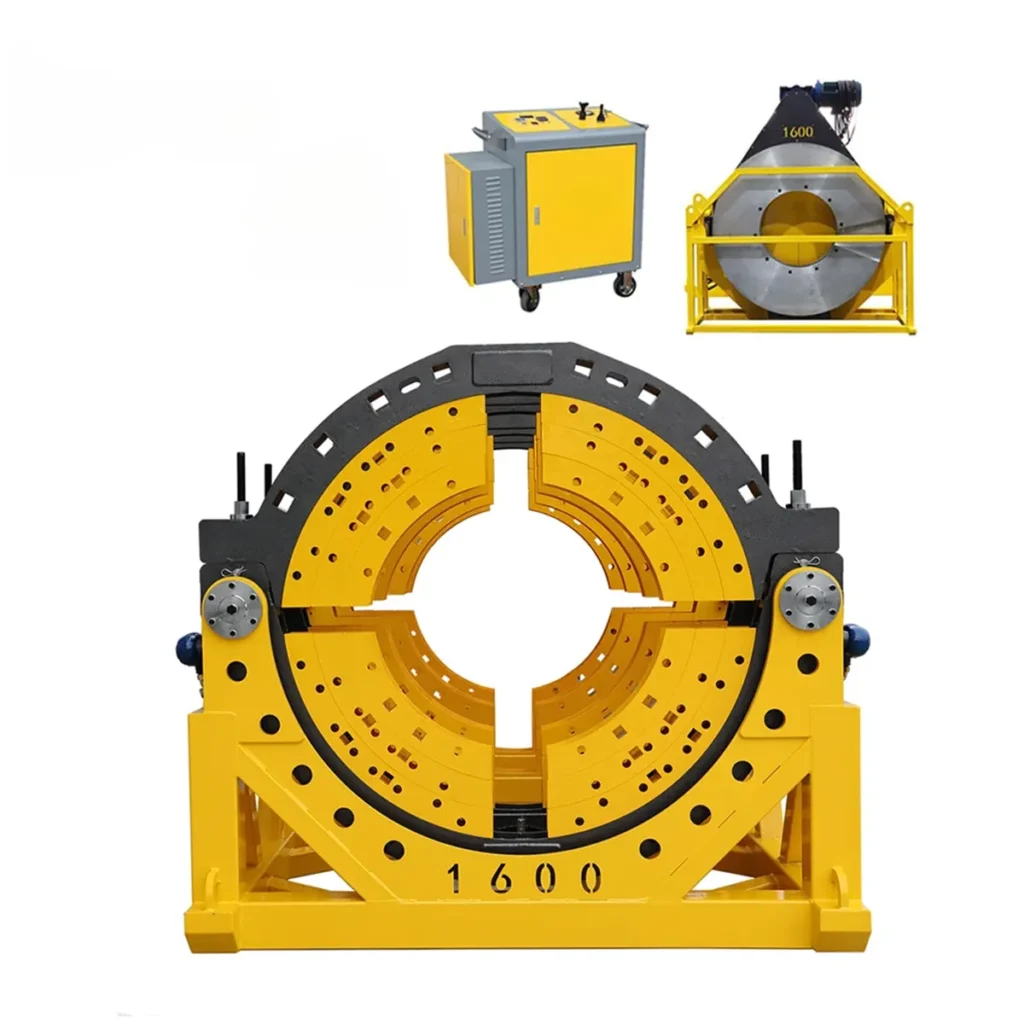
Choosing the right butt fusion machine for pipe welding projects in Spain requires balancing pipe size, site conditions, productivity requirements, and local regulations. This guide helps Spanish contractors, municipal engineers, and rental companies compare machines, verify compliance, and select equipment that performs reliably on projects from irrigation networks in Andalusia to gas distribution upgrades in Madrid.
Why Butt Fusion Is the Go-To Method in Spain
Butt fusion delivers leak-free joints for HDPE pipes used in water supply, gas distribution, sewer systems, and agricultural irrigation. In Spain, where coastal environments, seasonal temperature swings, and strict EU/UNE standards influence infrastructure choices, butt fusion offers durability and long-term resistance to corrosion and soil movement.
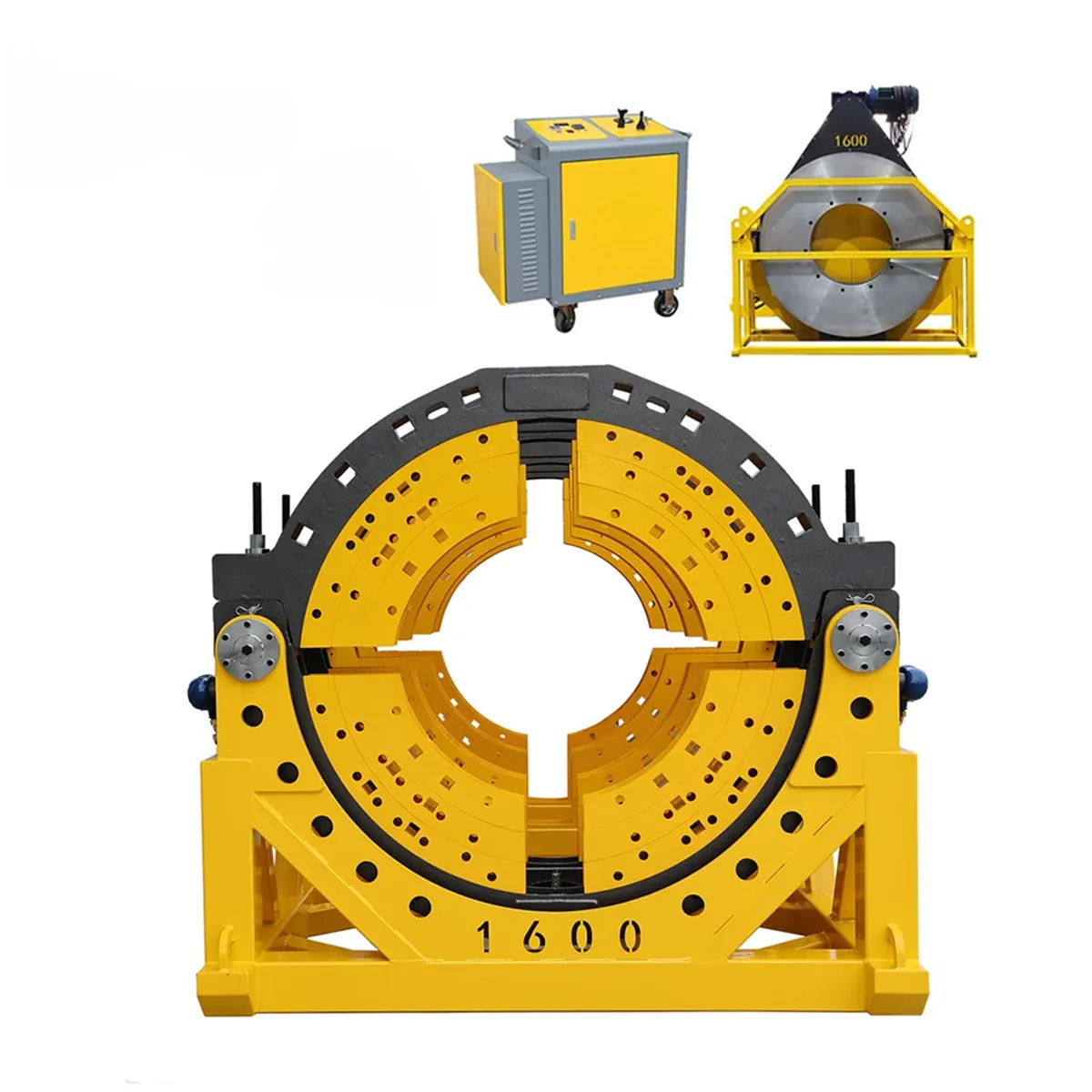
Main Types of Butt Fusion Machines
Each machine type targets different job scales. Understanding the differences helps you pick the best tool for Spanish project profiles — municipal works, rural irrigation, or industrial pipelines.
- Manual — Compact, low-cost, ideal for small diameter pipes (≤160 mm) and remote sites. Easy to transport across rugged Iberian terrain.
- Hydraulic — Mid to large diameters (160–1250 mm). Best for pipeline contractors and local municipalities needing higher clamping force and consistent welds for distribution networks.
- Automatic / CNC — High precision, programmable cycles, suited for large-diameter trunk lines and high-volume production where traceable weld records and reduced operator error are required.
Compare at a Glance
| Machine Type | Pipe Range | Best For | Key Benefit |
|---|---|---|---|
| Manual | 20–160 mm | Small jobs, rentals | Low cost, high mobility |
| Hydraulic | 160–2250 mm | Municipal & contractor fleets | Consistent force, robust for long trenches |
| Automatic / CNC | 63–1600+ mm | Large projects, pipeline manufacturers | High accuracy, data logging |
Key Selection Criteria for Projects in Spain
When evaluating machines for Spanish projects, prioritize:
- Diameter capacity — match the largest pipe you expect to weld.
- Portability — rural irrigation or mountain works favor lighter manual units or modular hydraulic sets.
- Power & fuel — verify electric availability on-site; many hydraulic systems allow diesel hydraulic powerpacks for remote areas.
- Certification — CE marking and ISO manufacturing standards are essential for public works tendering in Spain.
- Spare parts & training — Spanish-language manuals, local distributor support, and operator training reduce downtime and improve weld quality.
- Data & traceability — automatic machines with welding logs help meet utility compliance and long-term maintenance records.

Local Considerations: Weather, Regulations and Market
Spain’s diverse climate—from humid Atlantic coasts to hot Mediterranean zones—affects material handling and storage. For coastal projects, select machines and fixtures with corrosion-resistant finishes. Public tenders often require compliance with UNE/EN standards; ensure weld procedures and equipment documentation meet local authority expectations. Renting equipment is common for one-off civil works in provinces; owning larger hydraulic or automatic units makes sense for contractors with steady municipal contracts.
Recommendations
For small municipal repairs and irrigation networks choose a reliable manual or compact hydraulic machine. For regional pipeline installation and gas distribution upgrades, invest in hydraulic units with robust clamping frames and easy maintenance. Large trunk lines and industrial projects benefit from automatic/CNC machines to maximize throughput and maintain weld traceability.
JQ-Fusion provides a full range of manual, hydraulic, and automatic butt fusion machines and accessories—visit https://jq-fusionwelding.com/ for product specs, CE documentation, and service options.


