
Finding the right butt fusion machine supplier in Luxembourg requires balancing EU compliance, compact logistics and reliable service. This guide helps municipal engineers, contractors and utility managers in Luxembourg choose a supplier who understands local regulations, seasonal work windows and multilingual coordination on-site.
Understand Luxembourg’s Market and Project Needs
Luxembourg’s dense urban centers and cross-border projects mean pipework often involves tight sites and short delivery windows. Municipal water upgrades, gas distribution and industrial installations prioritize machines that are accurate, easy to transport and backed by rapid service. When evaluating suppliers, focus on certifications like CE and quality control records that match EU standards.
Who in Luxembourg Will Use the Equipment?
Primary users include municipal works teams, private contractors, and large utilities. Expect crews who prefer intuitive controls with multilingual displays (French/German/English) and machines that integrate into trenchless or open-cut workflows. Portability and a clear maintenance plan are essential for crews that travel between urban sites and rural network upgrades.
Key Technical Features to Prioritize
Choose models that match your pipe diameter range and site constraints. Important features include:
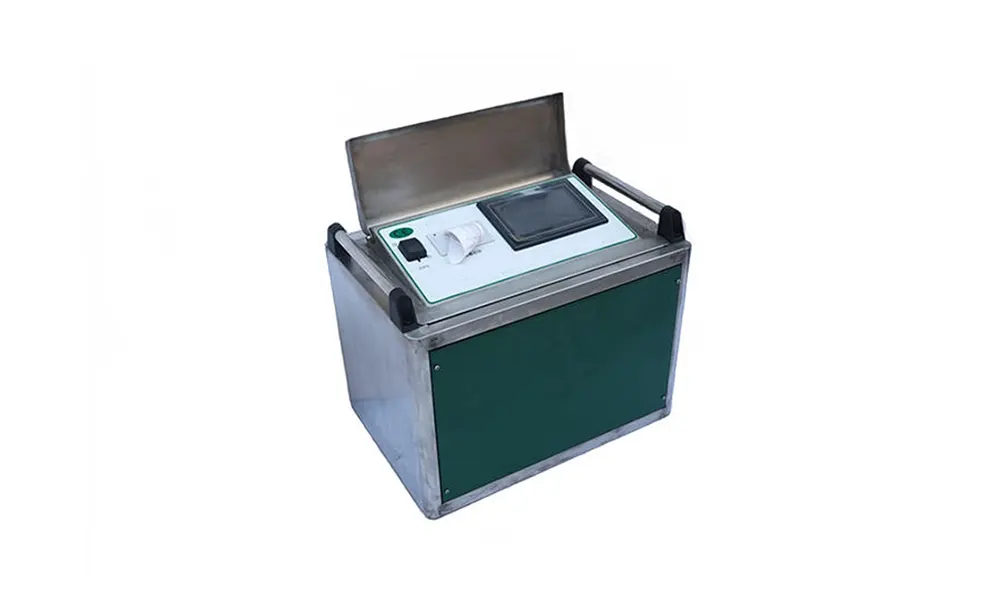
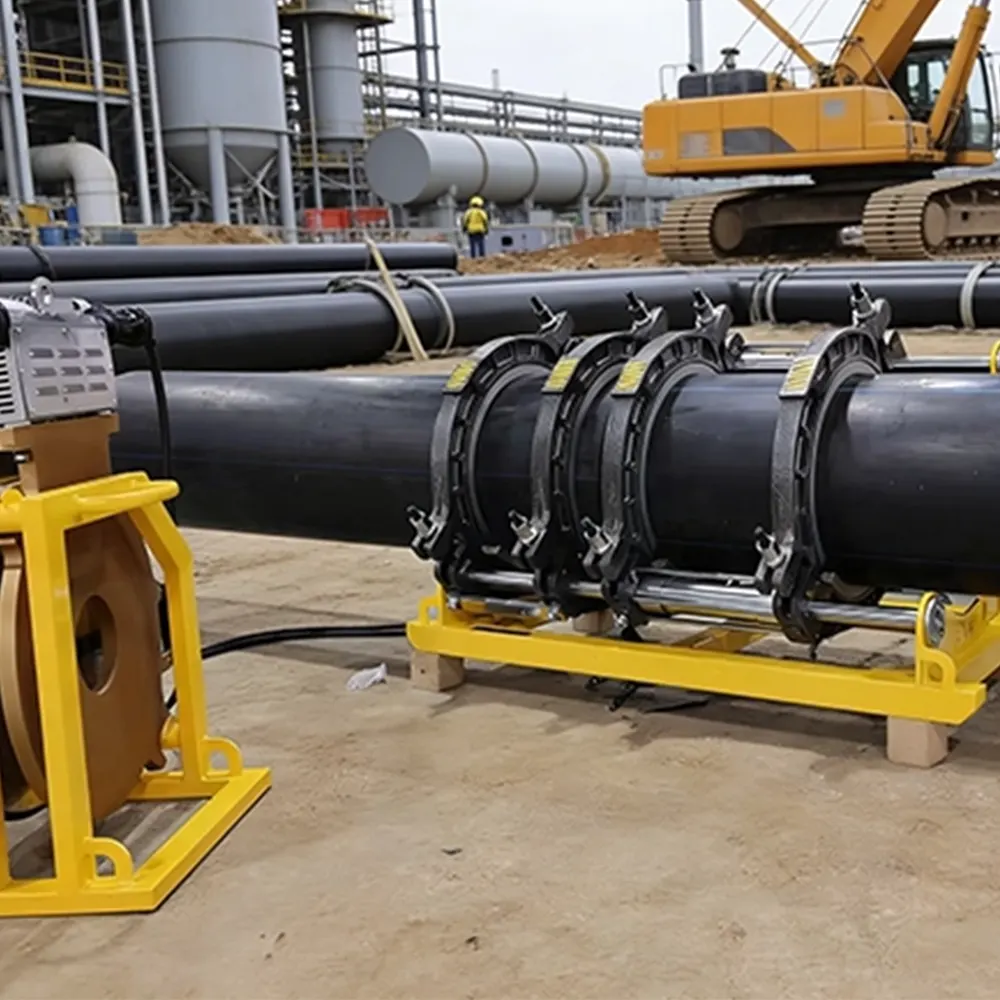
Hydraulic clamping and alignment for repeatable joints, digital control stations for traceable weld records, and modular frames for transport in small vehicles. For larger trunk mains, confirm the supplier can deliver heavy-duty frames and provide on-site commissioning.
Practical Supplier Evaluation Checklist
When comparing suppliers, verify the following before purchasing or renting:
• Availability of spare parts within the EU
• On-site training and manuals in multiple languages
• Warranty terms and local service partners
• Demonstrated performance on similar projects
Supplier Due Diligence: Documents and Proof
Ask for CE certificates, material test reports, calibration logs and sample weld records. Request references from EU projects and, if possible, a demonstration or short rental period to validate machine fit for Luxembourg workflows. Insist on written lead times for spare parts and a clear escalation path for urgent repairs.
Pricing, Warranty & After-Sales
Price is important, but long-term value comes from reliable support. Look for a supplier offering:
Transparent pricing (machine + accessories + training), minimum one-year warranty, and EU-based spare parts stock. Confirm shipping options to Luxembourg and any customs documentation if the supplier operates outside the EU.
Quick Comparison Table: What to Score When Choosing
| Criteria | Why It Matters | Ideal Score |
|---|---|---|
| Certification & Compliance | Matches EU norms and municipal procurement rules | High |
| Local Support & Parts | Reduces downtime on critical projects | High |
| Ease of Use | Faster crew onboarding and fewer mistakes | Medium–High |
| Transportability | Important for Luxembourg’s narrow streets and cross-border jobs | Medium |
| Total Cost of Ownership | Includes training, parts and service over machine life | High |
Ordering Tips for Luxembourg Buyers
Plan deliveries around site access and seasonal roadworks. Negotiate bundled training and spare parts to shorten commissioning time. If procurement rules require EU suppliers, confirm the supplier’s ability to ship with EU-compliant invoices and warranties.
Get a Trial or Local Demo
Always schedule a demo or short-term rental to validate machine fit with your team’s skills and project profiles. A live test helps confirm production rates, weld quality and the practicality of transport between Luxembourg sites.
For a reliable manufacturer with a broad range of manual, hydraulic and CNC automatic butt fusion machines, consider contacting JQ-Fusion for technical details and EU-ready documentation: https://jq-fusionwelding.com/



