
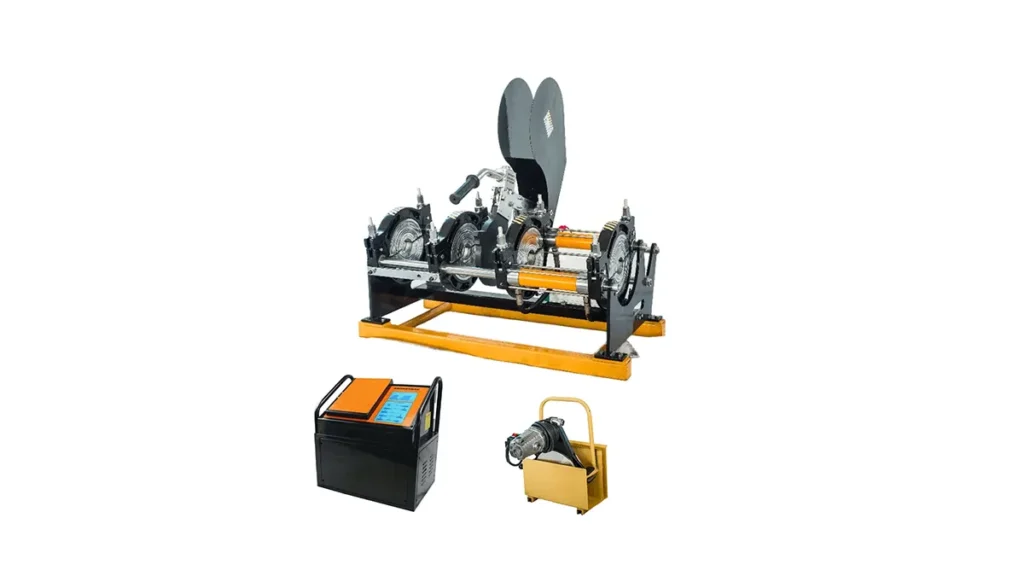
As global infrastructure projects demand higher standards for polyethylene pipe joining, a reliable butt welding machine factory delivers the precision, durability, and service contractors need. This guide explains the most important features, machine types, and selection tips for engineers, pipeline contractors, and procurement teams seeking dependable butt fusion solutions.
What Is Butt Fusion Welding and Why It Matters
Butt fusion welding is a thermoplastic joining method used to fuse HDPE and other plastic pipes end-to-end, creating strong, leak-free connections ideal for water supply, gas distribution, mining, and industrial pipelines. The process combines heating, alignment, and controlled pressure to form a molecular bond—resulting in joints that are often stronger than the pipe itself.
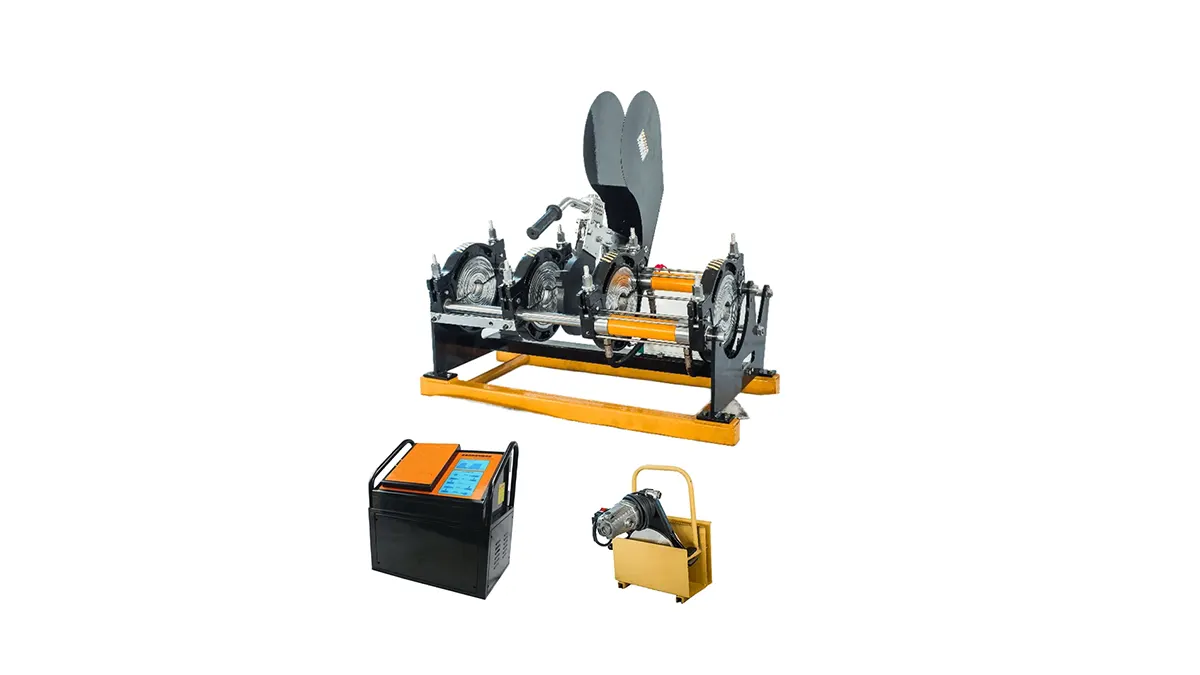
Key Machine Types for Every Project
From site-ready manual units to fully automatic CNC systems, modern butt fusion machine factories produce equipment tailored to diverse project scales and field conditions. Choose equipment based on pipe diameter range, automation level, and portability requirements.
Major Applications
- Municipal water and sewage networks requiring long-term leak prevention.
- Gas distribution where consistent weld quality is mandatory for safety and standards compliance.
- Mining and industrial pipelines that need robust, abrasion-resistant joints under harsh conditions.
- Large-diameter transmission lines where hydraulic and CNC machines deliver precise alignments and repeatable results.
Product Comparison Table
| Machine Type | Model / Range | Pipe OD | Control | Typical Use |
|---|---|---|---|---|
| Manual Butt Fusion | JQLX / JQSY series | 20mm – 630mm | Hand-operated | Small worksites, repairs |
| Hydraulic Butt Fusion | JQH series | 160mm – 2000mm+ | Hydraulic station | Large-diameter pipelines, heavy-duty |
| Automatic / CNC | JQA series | 63mm – 1600mm | Digital CNC | High-volume, precision projects |
| Multi-Angle Fitting Machines | JQMA series | Fittings 20mm – 1200mm | Semi-auto / Manual | Complex fitting assemblies |
| Electrofusion | Electrofusion machines | Socket and coupling sizes | Digital / preset programs | Service connections, small fittings |
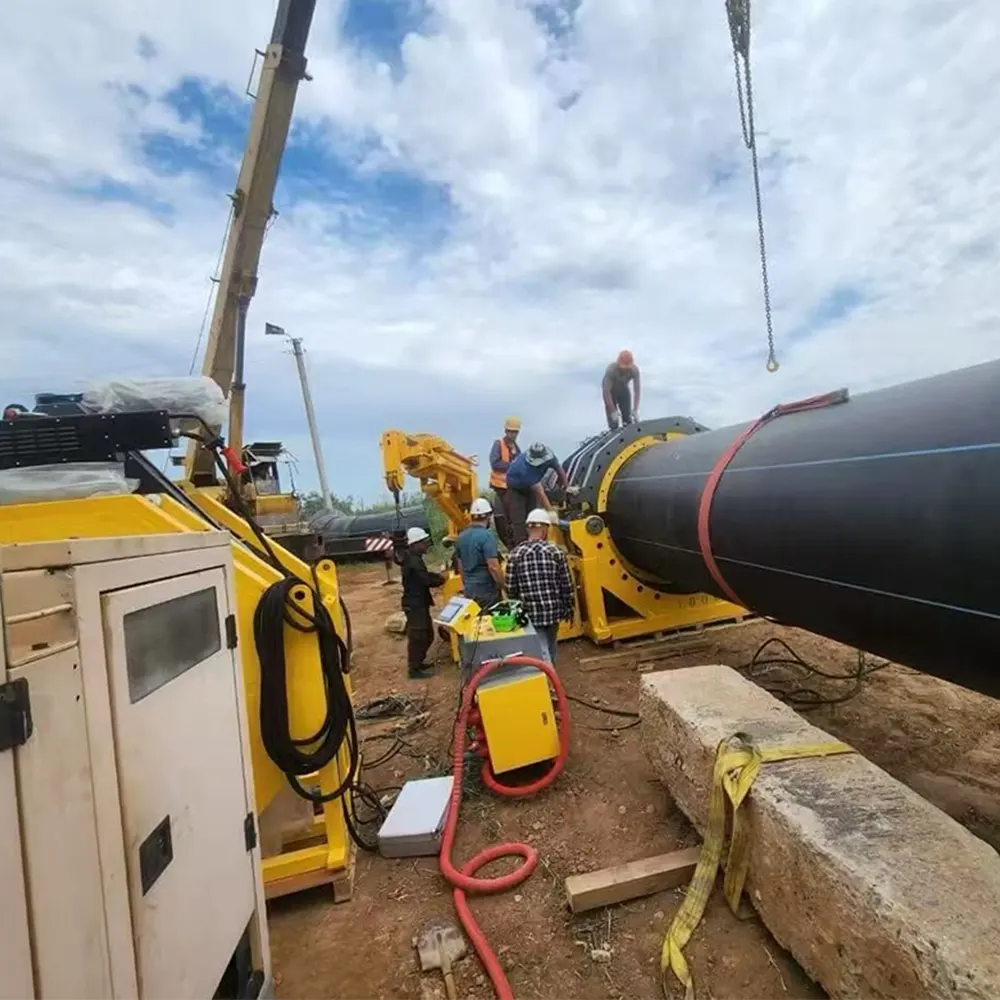
Essential Features to Evaluate
- Build quality: Cast clamps, hardened alignment rails, and corrosion-resistant finishes for long field life.
- Control accuracy: Digital timers and pressure sensors for repeatable weld parameters.
- Portability: Lightweight manual units for remote sites; modular designs for fast deployment.
- Serviceability: Accessible spares, clear documentation, and responsive technical support to minimize downtime.
Quality Assurance and After-Sales Support
Quality control in a reputable butt fusion machine factory includes rigorous testing of heating plates, hydraulic systems, and electronic controllers. Calibration certificates, spare parts availability, and operator training programs are essential for maintaining welding integrity over the lifetime of the equipment.
How to Choose the Right Supplier
Look for a manufacturer with a proven record of supplying machines for your sector—whether municipal utilities, gas networks, or industrial pipelines. Evaluate warranty terms, lead times, and the ability to provide tailored solutions for unusual pipe sizes or site constraints. One experienced manufacturer offering a wide product range and global support is JQ-Fusion, delivering manual, hydraulic, and CNC automatic butt fusion solutions for diverse projects.
Final Considerations for Procurement Teams
Prioritize machines that match your typical jobsite conditions and maintenance capabilities. Investing in the right butt fusion equipment reduces installation time, improves joint reliability, and lowers lifecycle costs—making it a smart choice for contractors and infrastructure owners focused on long-term performance.



