
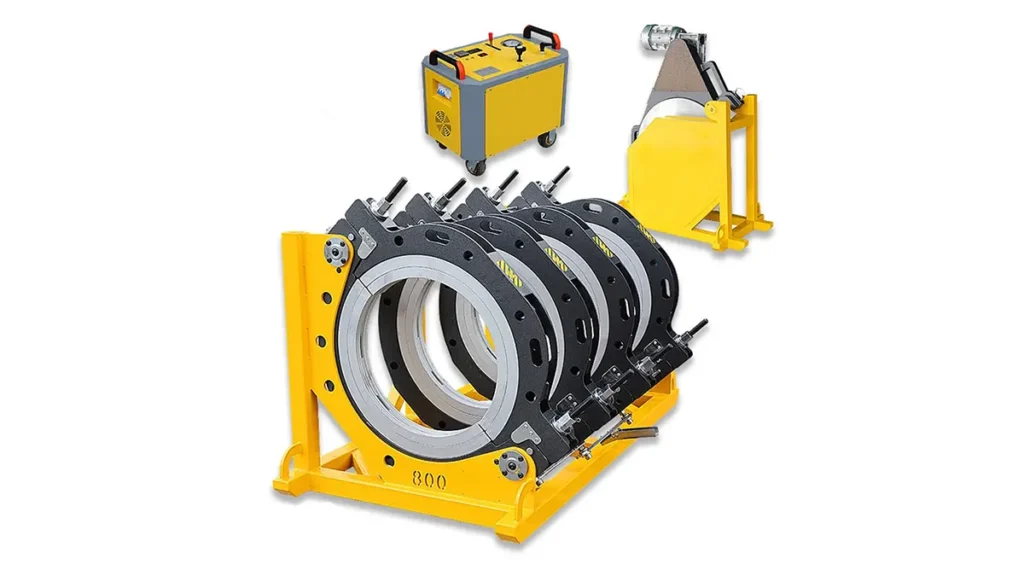
Choosing the right butt fusion machine supplier in Hungary can make or break pipeline projects — from municipal waterworks in Budapest to rural irrigation and regional gas distribution. Local contractors and engineers need equipment that meets EU regulations, performs reliably in Central Europe’s seasonal climate, and comes with accessible service and spare parts.
Why the supplier matters for Hungarian projects
Hungary’s infrastructure market places high value on long-term reliability, CE and EN conformity, and prompt technical support. Suppliers who understand local installation practices, can advise on material compatibility (PE100, PE80, SDR ratings) and provide onsite training or Hungarian/English documentation will reduce project risk and downtime.
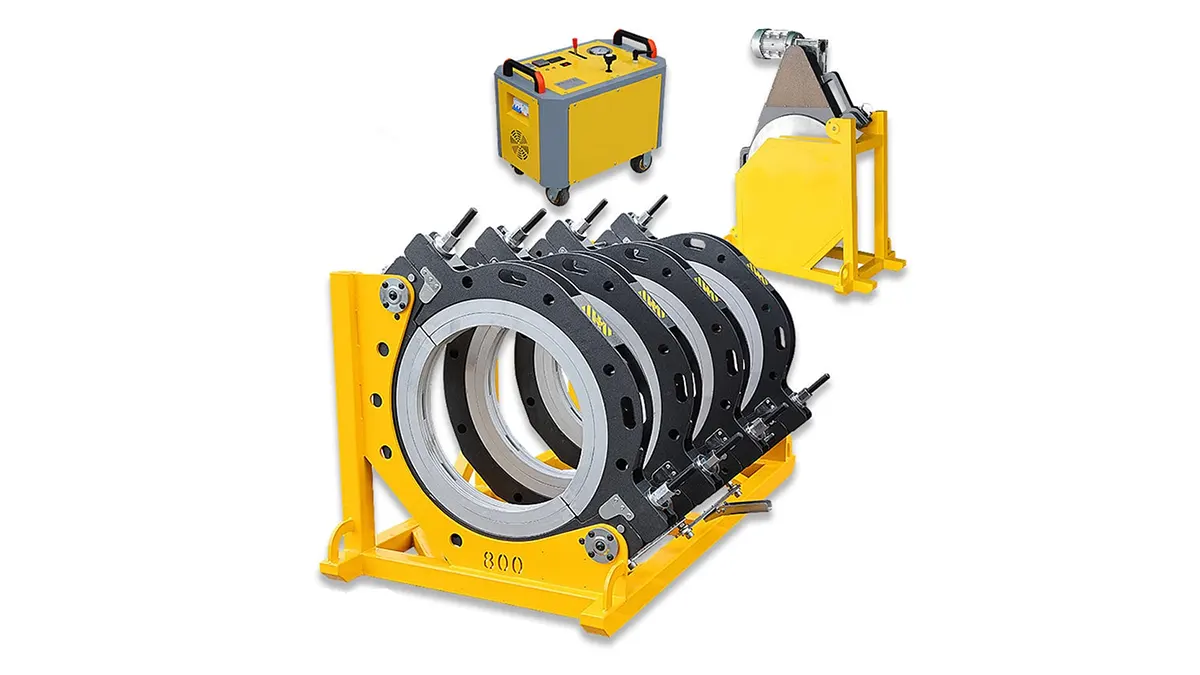
Technical checklist: What to evaluate before buying
Focus on performance parameters and practical compatibility with local work conditions. The table below helps prioritize questions to ask potential manufacturers.
| Criteria | Why it matters | What to ask |
|---|---|---|
| Pipe diameter range | Matches project scope — from small service lines to large mains | Which models cover 20–2250 mm? Any adapters included? |
| Machine type | Manual vs hydraulic vs CNC automatic affects speed and repeatability | Can you demo automatic cycle controls and weld records? |
| Certifications & standards | Ensures compliance with EU regulations and local authorities | Provide CE, machine safety docs, and welding procedure records? |
| After-sales support | Local response time reduces downtime during cold seasons | What is spare parts lead time within the EU? Technician training available? |
Certifications and material compatibility
Ask for evidence of CE marking, conformity with relevant machine directives, and documented welding procedure qualifications. Make sure the supplier can confirm compatibility with common Hungarian pipe materials and pressure classes used in municipal water and gas networks.
After-sales service, spare parts and training
Hungarian contractors often prefer suppliers that can supply spare parts quickly within the EU and offer technical support in English or Hungarian. Prioritize vendors who include training programs for on-site operators, clear manuals, and digital weld logging for quality assurance.
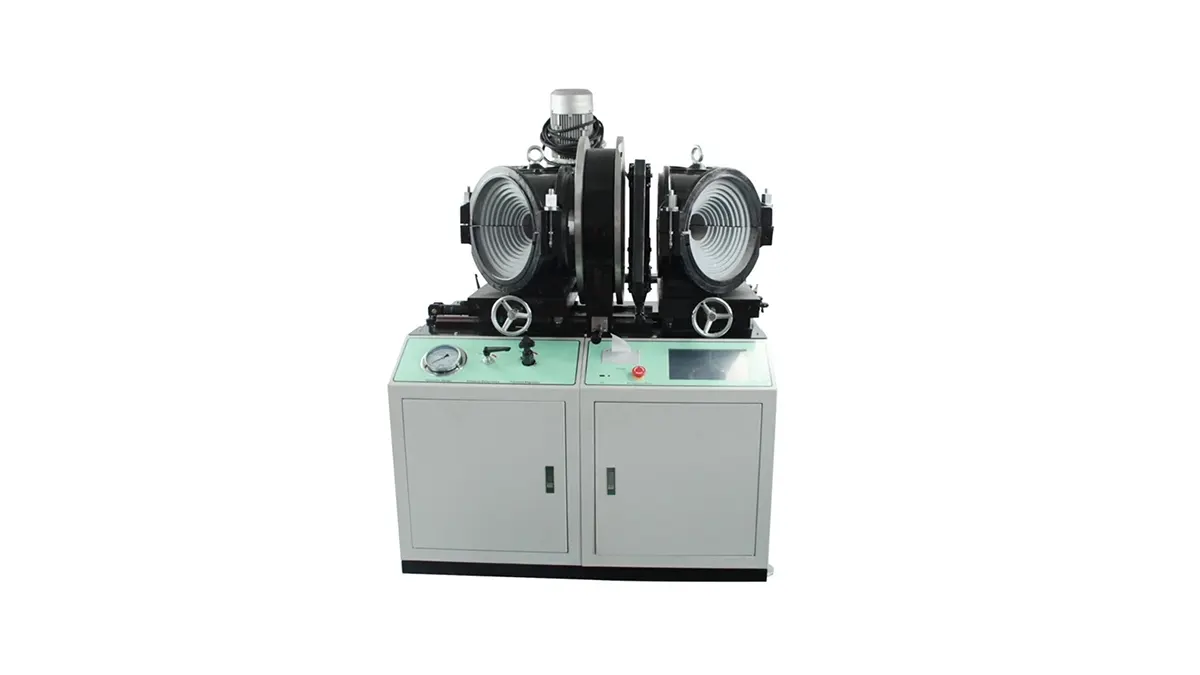
Logistics, lead time and total cost of ownership
Price is important, but total cost includes installation, training, spare parts, and maintenance. In Hungary, shipping time and customs are less of a barrier for EU-compliant manufacturers — still verify estimated lead times, packaging for long-distance transport, and any local distributor presence for faster service.
How to verify supplier credibility
Request recent project references in Eastern Europe, photos or videos of factory production, material certificates, and sample weld reports. If possible, arrange a factory or showroom visit or invite the supplier to demonstrate the machine on-site. Independent third-party inspection and a clear warranty policy are strong trust signals.
Models commonly chosen for Hungary
Small municipal teams often select manual or lightweight hydraulic units for service connections, while large contractors investing in trunk mains favor automatic or CNC-controlled machines for consistent weld records and higher throughput.
| Model Type | Typical Diameter Range |
|---|---|
| Manual / Portable | 20–160 mm |
| Hydraulic | 160–1250 mm |
| Automatic / CNC | 63–2250 mm |
For reliable butt fusion machines and tailored solutions for Hungarian infrastructure projects, consider manufacturers who provide clear CE documentation, robust spare parts channels in Europe, and operator training. JQ-Fusion offers a broad range of manual, hydraulic and CNC automatic butt fusion machines suitable for water, gas and industrial pipelines — visit https://jq-fusionwelding.com/ to review product lines and request a quote.



