Choosing the right PE pipe butt fusion welder can make or break project timelines, joint integrity, and long-term pipeline performance. This guide lists the most popular HDPE butt fusion models across manual, hydraulic, and automatic lines, explains where each type excels, and offers practical selection and maintenance tips to help contractors, utilities, and pipeline installers make confident buying decisions.
Quick Overview: Butt Fusion Methods for PE & HDPE Pipes
Manual butt fusion machines are compact and ideal for small-diameter pipes and tight jobsites. Hydraulic machines bring higher clamping force and faster operations for medium to large diameters. Automatic/CNC butt fusion machines provide precise control, full welding cycle automation, and data logging for high-volume or critical infrastructure works. Electrofusion systems and multi-angle fitting machines cover specialized joint types and prefabricated fittings.
Why model choice matters
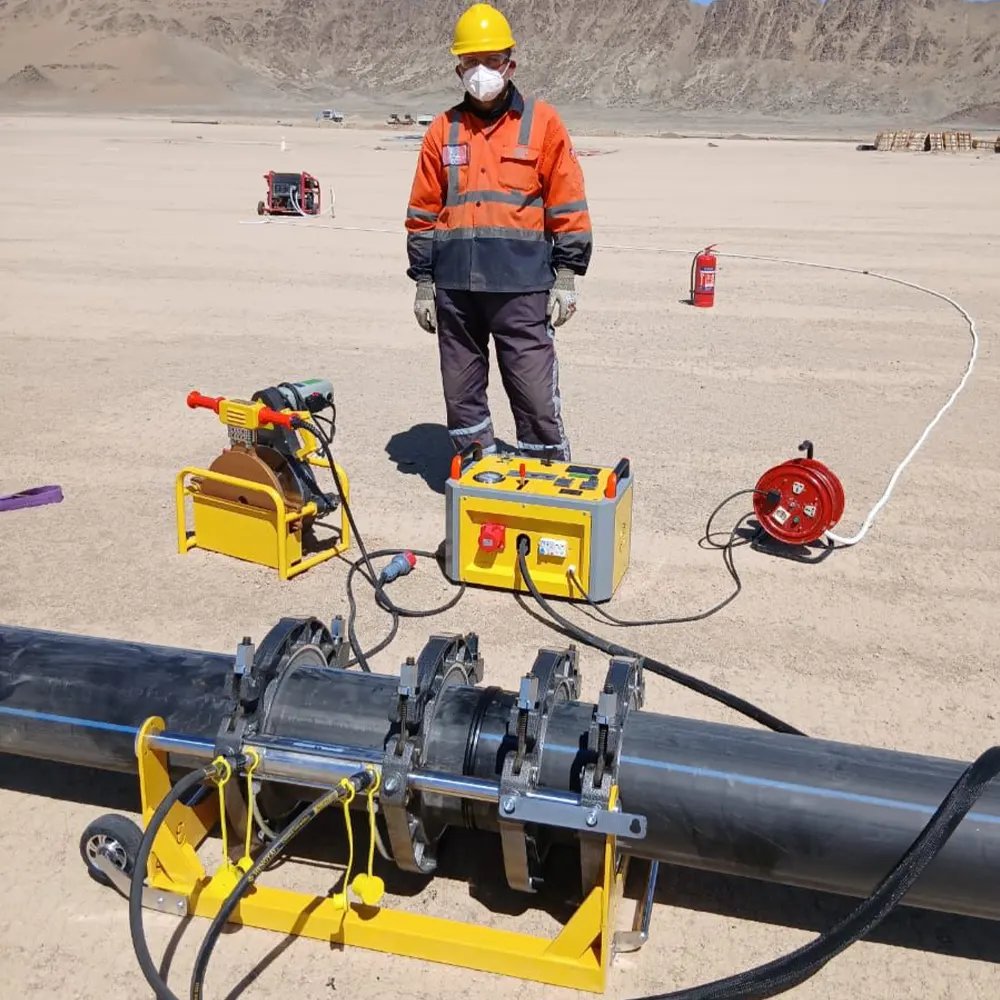
Model selection affects weld quality, productivity, operator safety, and the ability to meet project specifications (ISO, ASTM, or local standards). Consider pipe diameter range, site power availability, required weld traceability, and terrain when comparing models.
Complete List of Popular Butt Fusion Welders (By Type)
Below are widely used model families and representative models commonly requested by contractors and distributors.
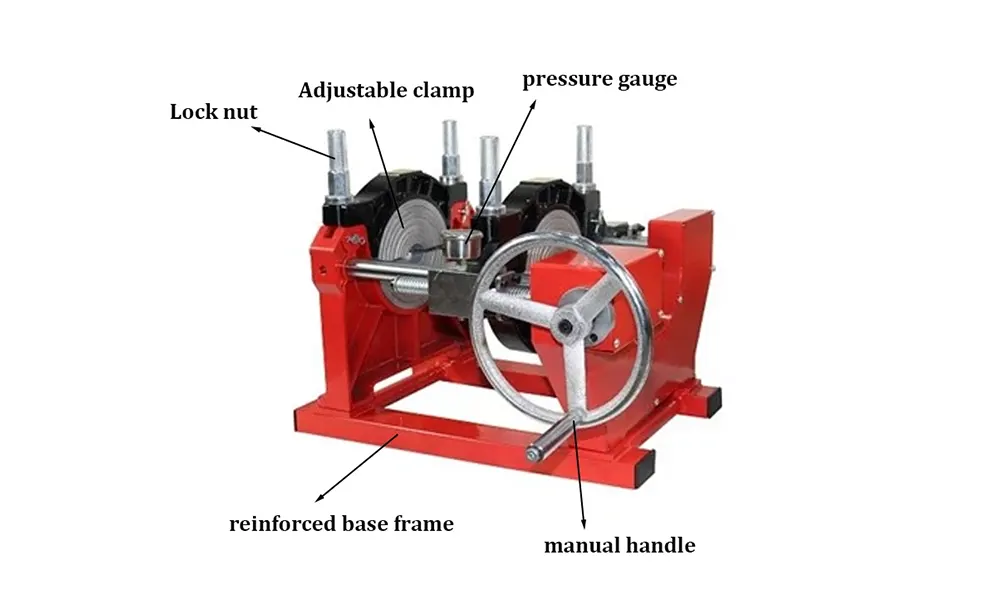
Manual Butt Fusion Machines
Common models: JQLX-2M, JQLX-4M, JQSY-2M, JQSY-4M, JQST series. Best for small-diameter PE pipes, field repairs, and low-volume work.
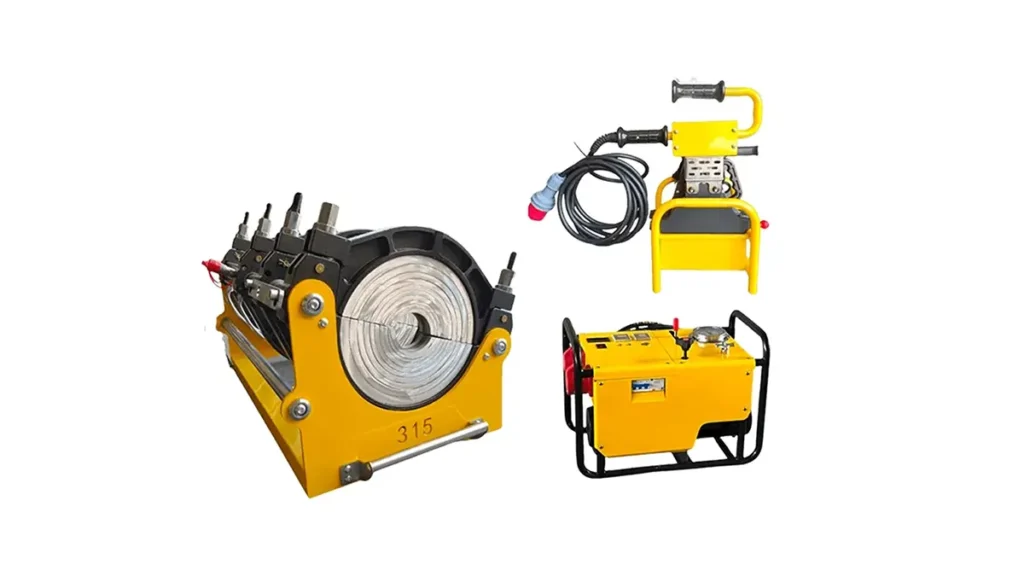
Hydraulic Butt Fusion Machines
Common models: JQH160, JQH250, JQH315, JQH400, JQH630, JQH1000, JQH1200, JQH1400, JQH1800, JQH2000. These cover medium to very large diameters and heavy-duty pipeline projects.
Automatic / CNC Butt Fusion Machines
Common models: JQA160, JQA200, JQA250, JQA315, JQA355, JQA400, JQA450, JQA500, JQA630. Automatic control, heated plate management, cycle logging — ideal for municipal water, gas distribution, and industrial pipeline installations.
Multi-Angle & Fittings Welding Machines
Common models: JQMA315, JQMA450, JQMA630, JQMA800, JQMA1200, and larger. Designed for saddle tees, elbows, and prefabricated fittings where angle control and multiple clamp stations are required.
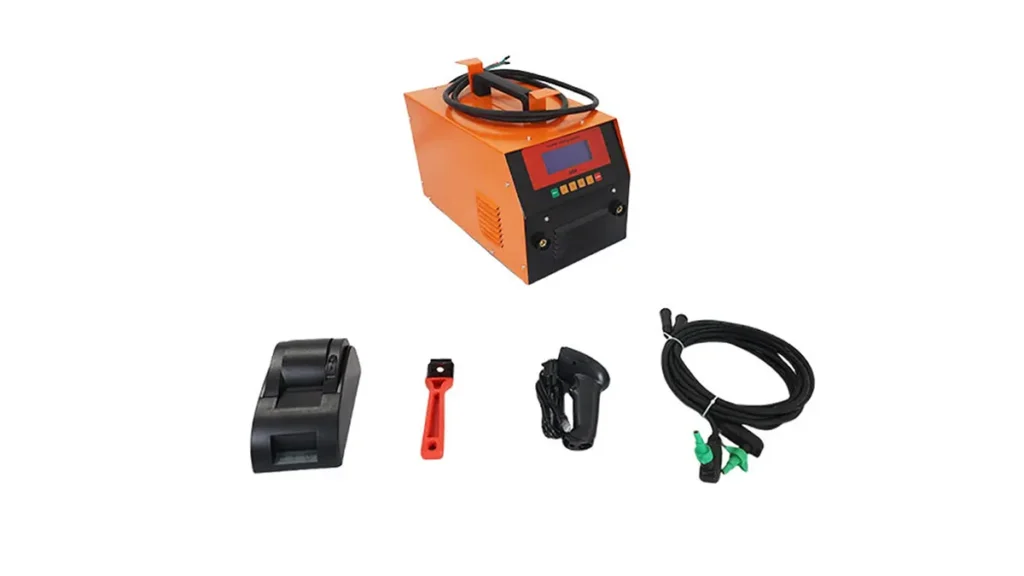
Electrofusion Machines
Common models: JQEA / JQEB electrofusion units and dedicated control boxes with barcode scanning and programmable fusion sequences — used for couplers, saddle fusion, and repair fittings.
Model Comparison Table — At-a-Glance
| Model / Type | Pipe OD Range (mm) | Key Strengths | Best For |
|---|---|---|---|
| JQLX / Manual Series | 20–160 | Lightweight, portable, low cost | Service teams, small jobs |
| JQH / Hydraulic Series | 63–2250+ | High clamping force, robust | Large-diameter pipelines, construction sites |
| JQA / Automatic CNC Series | 20–630+ | Automated cycles, logging, precision | Municipal, gas, industrial networks |
| JQMA / Multi-Angle Fittings | Custom (fittings focused) | Angle control, multi-station | Prefabrication shops, complex assemblies |
| JQEA / Electrofusion Units | 20–1100 (fittings) | Barcode fusion programs, easy repairs | Service repairs, couplers, branch connections |
How to Choose the Right Model — Simple Decision Guide
Step 1 — Define pipe size and duty: If most joints are under 160 mm, manual or small automatic units provide cost savings. For continuous production or diameters above 400 mm, prioritize hydraulic or large automatic models.
Step 2 — Project scale and traceability: Large municipal or gas projects often require automated data logging; choose a JQA-series CNC model.
Step 3 — Site conditions: Remote sites with limited power benefit from manually operated or low-power hydraulic units. For factory prefabrication, consider multi-angle fitting machines.
Step 4 — Budget vs lifecycle cost: Higher initial cost for hydraulic/automatic machines can be offset by faster cycle times, fewer reworks, and better weld documentation.
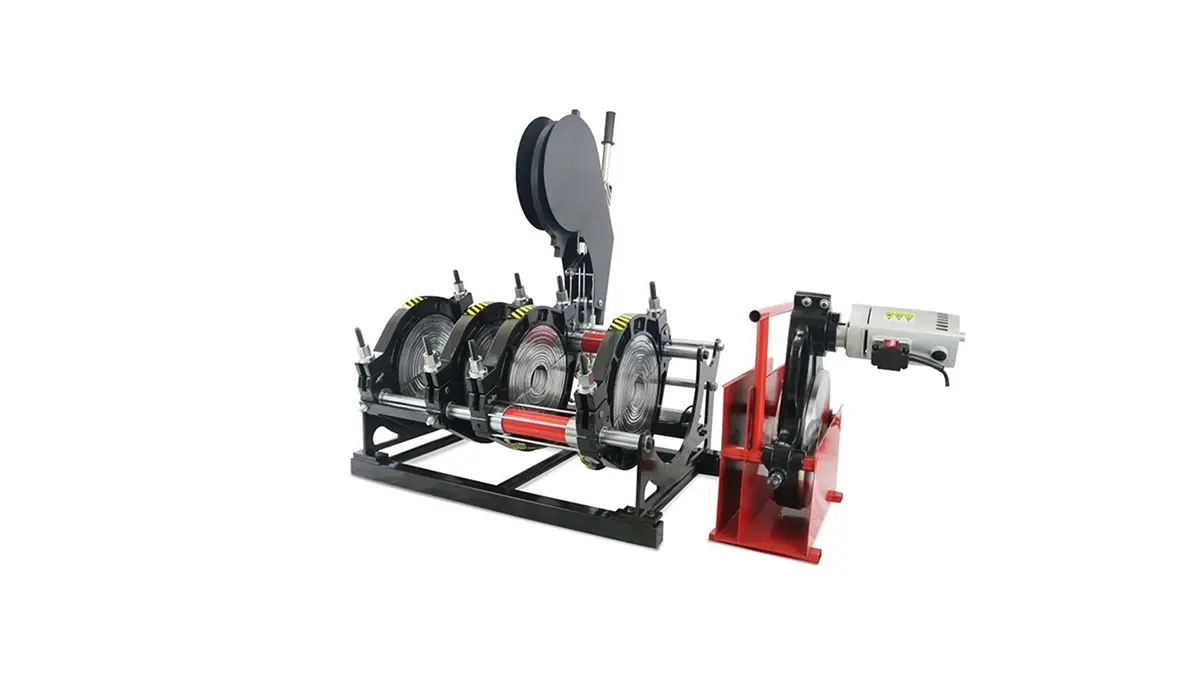
Essential Features to Inspect
Heating plate quality (uniformity and durable Teflon coating), face preparation tools (accurate facing/trimming), clamp materials (aluminum or steel jaws), hydraulic station reliability, and control/interface for automated units. Check spare parts availability and local service support.
Maintenance & Safety Tips
Routine checks: clean heating plates, verify alignment, inspect hydraulic hoses and seals, test pressure gauges and safety valves.
Operator safety: use gloves and eye protection, ensure stable pipe supports, and lock out power when servicing electrical components.
Calibration: periodically validate temperature sensors and pressure transducers for accurate weld cycles.
Common Applications by Model Group
Manual series: service repairs, rural water supply, temporary connections.
Hydraulic series: large-diameter water mains, irrigation trunk lines, industrial pipelines.
Automatic series: high-integrity gas distribution, urban water networks, projects requiring traceable weld records.
Multi-angle & electrofusion: prefabricated fittings, complex lateral connections, repairs and coupler installations.
Where to Learn More
For detailed specifications, spare parts lists, and factory options, contact JQ-Fusion through their website at https://jq-fusionwelding.com/ to request datasheets and model comparisons tailored to your pipe diameters and project needs.
Final selection checklist (quick)
– Pipe diameter coverage confirmed
– Required automation / logging available
– Site power and transport constraints considered
– Local service & parts access verified
– Operator training and safety kit ready
Need help narrowing options?
Start by listing your most common pipe sizes, expected joint counts per day, and whether weld traceability is mandatory. Use that to shortlist manual vs hydraulic vs automatic machines and compare cycle times and lifetime costs before purchase.