
Finding the right butt fusion machine supplier for projects in Ethiopia is crucial for long-lasting HDPE pipeline installations. Whether you are working on municipal water mains in Addis Ababa, irrigation networks in the Rift Valley, or gas and mining pipelines in regional sites, choosing the proper equipment and support will reduce rework, avoid delays, and ensure compliance with local construction standards.
Understand the Butt Fusion Options
Butt fusion and electrofusion are the main joining methods used for HDPE pipe systems. Know which technology fits your project before engaging suppliers:
Manual butt fusion – simple, low cost, suitable for small-diameter pipes and remote rural jobs where portability matters.
Hydraulic butt fusion – higher clamping force for medium to large diameters, often used in urban infrastructure and industrial pipelines.
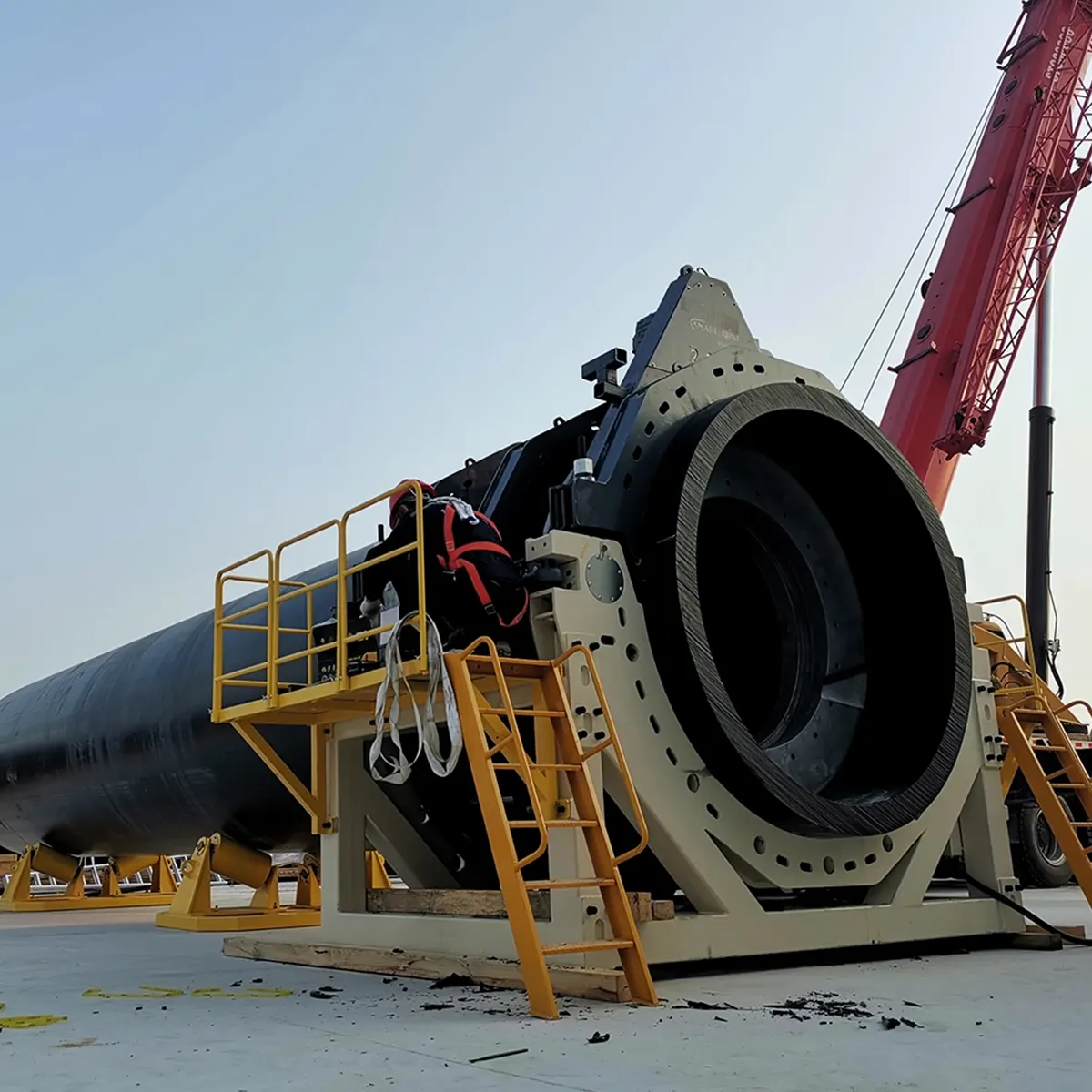
Automatic/CNC butt fusion – precision-controlled cycles for high-volume or long-distance mains where consistent weld quality and traceability are required.
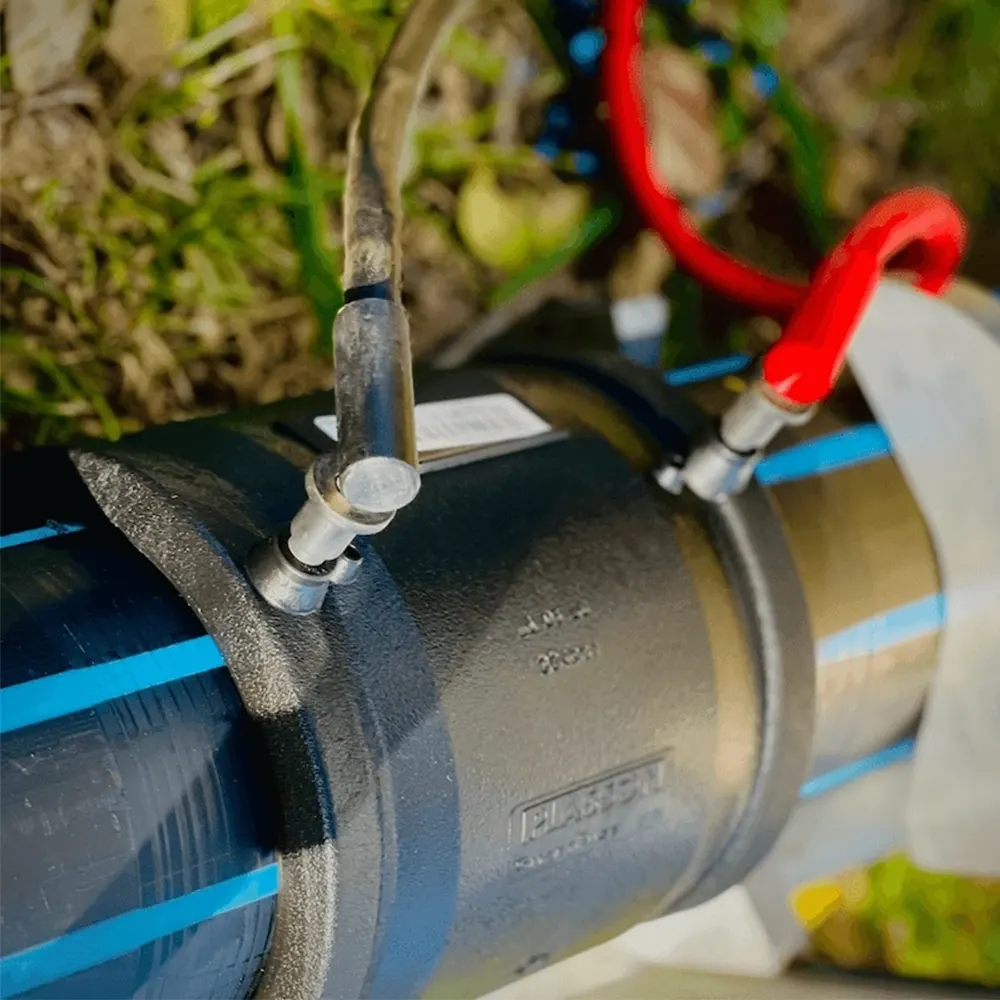
Electrofusion – ideal for fittings, repairs, and complex joints; requires compatible electrofusion control units and fittings inventory.
Ethiopia-specific considerations
Climate and site conditions: highland and lowland project sites have different dust, humidity and temperature challenges. Machines should be rugged and serviceable on-site.
Availability of trained welders: welding skill levels vary across regions. Prioritize suppliers who provide training, clear welding procedures, and on-site commissioning support.
Infrastructure and logistics: road access, customs clearance at Addis Ababa Bole Airport and sea/land routing from Djibouti affect lead times. Factor shipping & local clearance into delivery schedules.
Standards & compliance: ensure machines and welding procedures align with relevant standards used in Ethiopia (e.g., ISO/EN standards for PE welding and local utility specifications).
How to Evaluate Potential Suppliers
Proven track record: ask for references from African or Ethiopian projects to verify machine performance under similar conditions.
Quality and certifications: check for manufacturing quality systems (ISO), CE marking where applicable, and test reports for critical components.
After-sales support: availability of spare parts, remote technical support, and warranty terms. Suppliers that offer training and documentation reduce future downtime.
Customization & range: choose suppliers with a broad product range (manual, hydraulic, automatic and electrofusion) so you can standardize on a trusted platform as projects scale.
| Machine Type | Typical Pipe Range | Best For | Support Level |
|---|---|---|---|
| Manual Butt Fusion | 20mm – 630mm | Remote sites, low budget, small diameters | Basic training & spare parts |
| Hydraulic Butt Fusion | 90mm – 2000mm+ | Urban mains, industrial pipelines | Maintenance contracts & on-site setup |
| Automatic / CNC | 63mm – 1600mm | High-volume projects, consistent QA/QC | Advanced training, software updates |
| Electrofusion Units | Fittings for 20mm – 1200mm | Fittings, repairs, complex junctions | Calibration & fitting traceability |
Key Questions to Ask a Supplier
Delivery & lead time: what is the typical production and shipping timeline to Ethiopia (including export documentation)?
Training: do they offer operator and maintenance training in-country or online, and is certification provided?
Parts & consumables: are wear parts, heating plates, and electrofusion coils stocked regionally or shipped quickly?
Warranty & service: what are the warranty terms, and do they provide dedicated field service or partner with local distributors?
Practical Steps to Choose and Buy
1. Define project scope: determine pipe sizes, daily welding targets, site accessibility, and quality requirements.
2. Request detailed quotes: include machine models, training, spare parts kits, calibration services, and shipping to Ethiopia.
3. Verify references and sample reports: ask for weld logs, test certificates, and client contacts for similar installations.
4. Plan logistics: allocate time for customs clearance, inland transport, and pre-commissioning at the project site.
A note on supplier selection
For many large-scale and long-term pipeline programs in Ethiopia, partnering with a manufacturer that combines a wide product range with training and reliable spare parts supply offers the best risk-adjusted outcome. Consider reaching out to manufacturers with proven international infrastructure experience and documented support services to ensure your project runs smoothly.
Contact and next steps
If you need a starting point for inquiries, review the manufacturer’s product lines and service options on their website: JQ-Fusion.



