
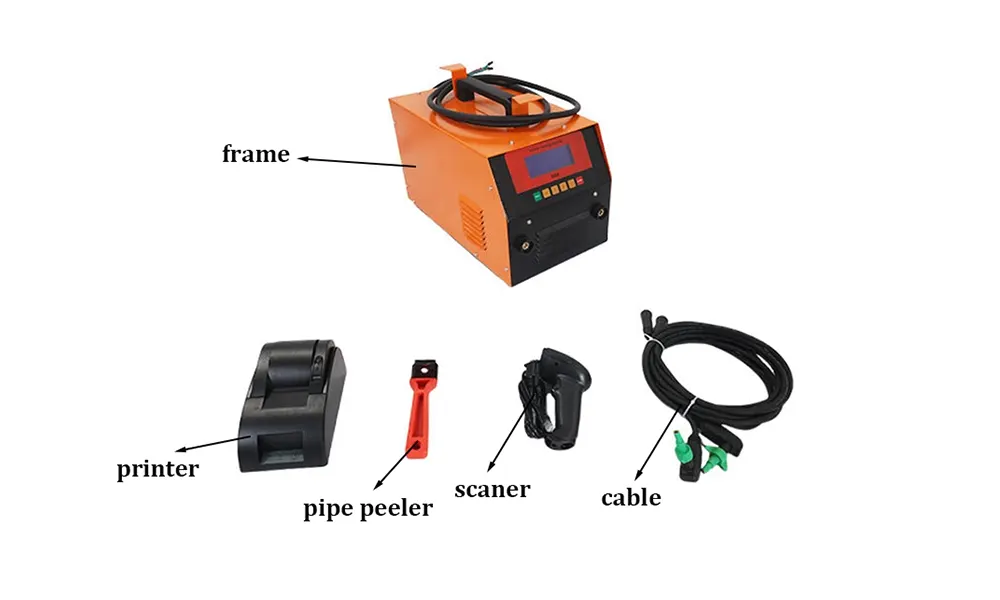
Finding the best electrofusion welder in Poland means choosing equipment that delivers consistent, safe, and compliant HDPE pipe joints for water, gas, and industrial networks. This guide helps Polish contractors, municipal engineers, and pipeline installers compare features, evaluate local requirements, and select machines that suit cold-climate performance, EU standards, and on-site efficiency.
Why Electrofusion Is Preferred in Poland
Electrofusion welding provides reliable, leak-free joints for polyethylene (PE) pipes commonly used across Poland’s water distribution, gas networks, and rural irrigation systems. With harsh winters and seasonal ground movement, electrofusion offers durable seals and reproducible results that reduce maintenance and downtime for utilities and contractors.
Benefits for Polish Projects
- Consistent quality: Controlled heating cycles reduce operator variability—critical for municipal and gas installations subject to strict inspection.
- Faster mobilization: Portable units and clear weld parameters speed up on-site work in urban and remote areas.
- Safety and compliance: Meets European norms used in Poland (e.g., PN-EN standards) when selecting CE-marked equipment and validated welding procedures.
Key Features to Look For
- Precise temperature and time control for repeatable welds.
- Clear, multilingual display and user-friendly interface for mixed-experience crews.
- Robust portability and power options (battery, mains, or generator use) for city and field work.
- Traceability functions or data logging to document welds for audits and warranty claims.
Model Comparison at a Glance
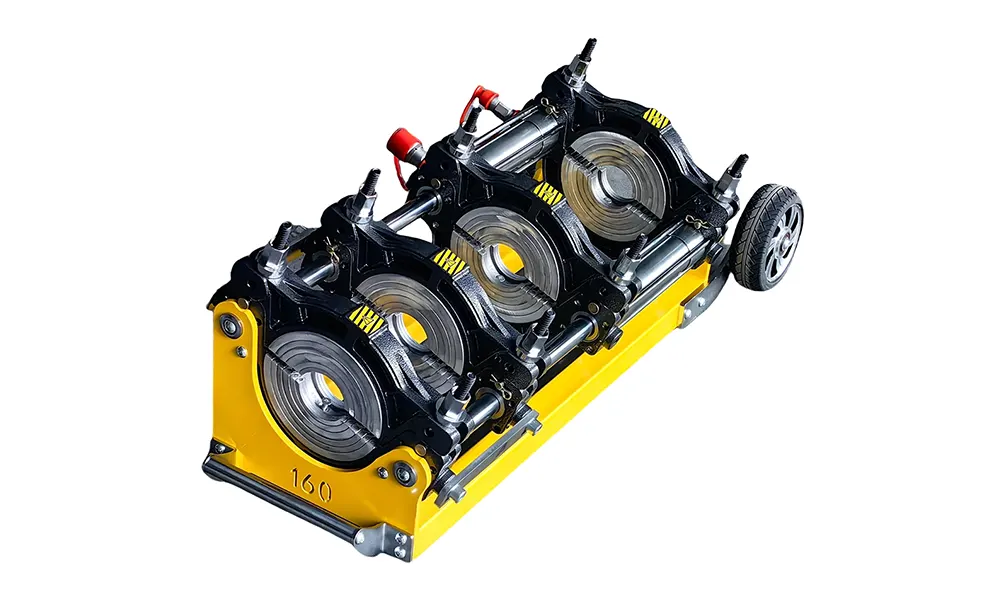
| Model | Pipe Range | Power / Control | Best For |
|---|---|---|---|
| JQEA Electrofusion Unit | 20–160 mm | Battery / Digital Controller | Distribution networks, small-diameter repairs |
| JQEB Electrofusion Station | 63–315 mm | Mains / Advanced Logging | Municipal installers, certified weld documentation |
| JQEB Heavy Duty | 180–630 mm | Generator-ready / PLC control | Industrial and large-diameter pipeline work |
Standards, Certification & Documentation
Polish projects often reference PN-EN standards for polyethylene piping systems and require CE conformity for welding equipment. Choose a welder that supports documented weld parameters and traceability (time, current, temperature) to satisfy auditors and utility owners. For gas applications, adherence to local gas distribution rules and certified welding procedures is essential.
Practical Buying Tips for Poland
- Verify availability of spare parts and consumables within the EU or through local distributors to avoid extended downtime.
- Ask about on-site training and multilingual manuals—Polish language support is a plus for mixed crews.
- Check warranty terms and whether calibration or software updates are provided.
After-sales & Support Considerations
Reliable local support speeds repairs and reduces project delays. Prioritize suppliers offering technical service, calibration, and remote troubleshooting so teams across Poland—from Warsaw municipal works to contractors in Silesia—can keep projects moving.
Where to Start
For professional HDPE welding machines and tailored solutions for Polish infrastructure projects, visit JQ-Fusion to review product lines, specifications, and support options.



