
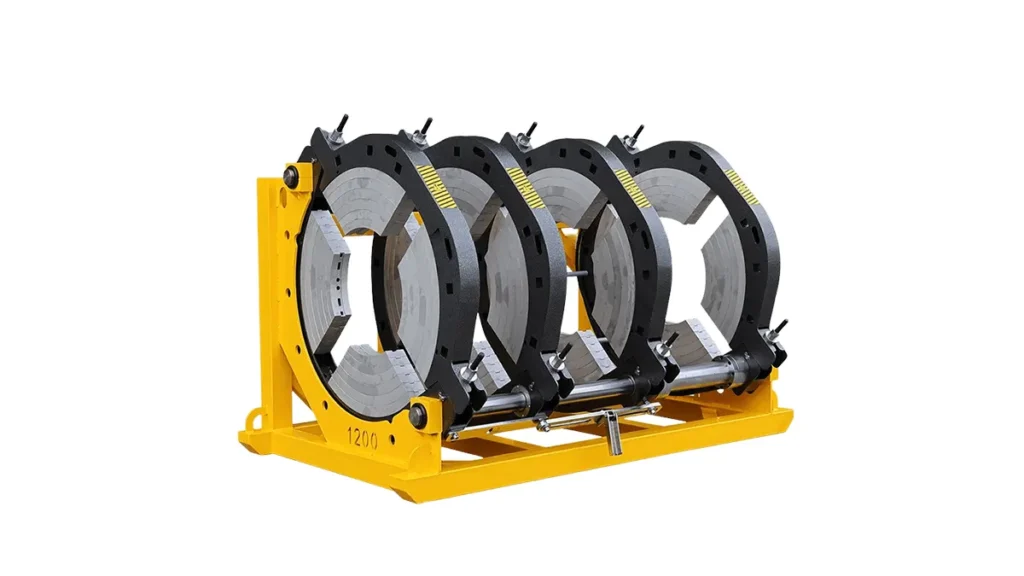
Operating an HDPE butt fusion machine correctly ensures strong, leak-free joints for pipelines used in water, gas, mining, and industrial systems. This guide explains safe, effective operating steps, key parameters, and practical tips to help contractors and technicians achieve consistent weld quality with HDPE butt fusion equipment.
Before You Start: Safety and Preparation
Personal protective equipment (PPE): wear safety gloves, eye protection, heat-resistant clothing, and steel-toe boots. Ensure the work area is well ventilated and free of flammable materials. Verify that the hydraulic and electrical systems are in good condition.
Site and pipe prep: clean pipe ends of dirt, oil, and moisture. Use a pipe alignment cradle or clamps to keep pipes co-axial. Confirm pipe material (PE80, PE100) and wall thickness to set correct fusion parameters.
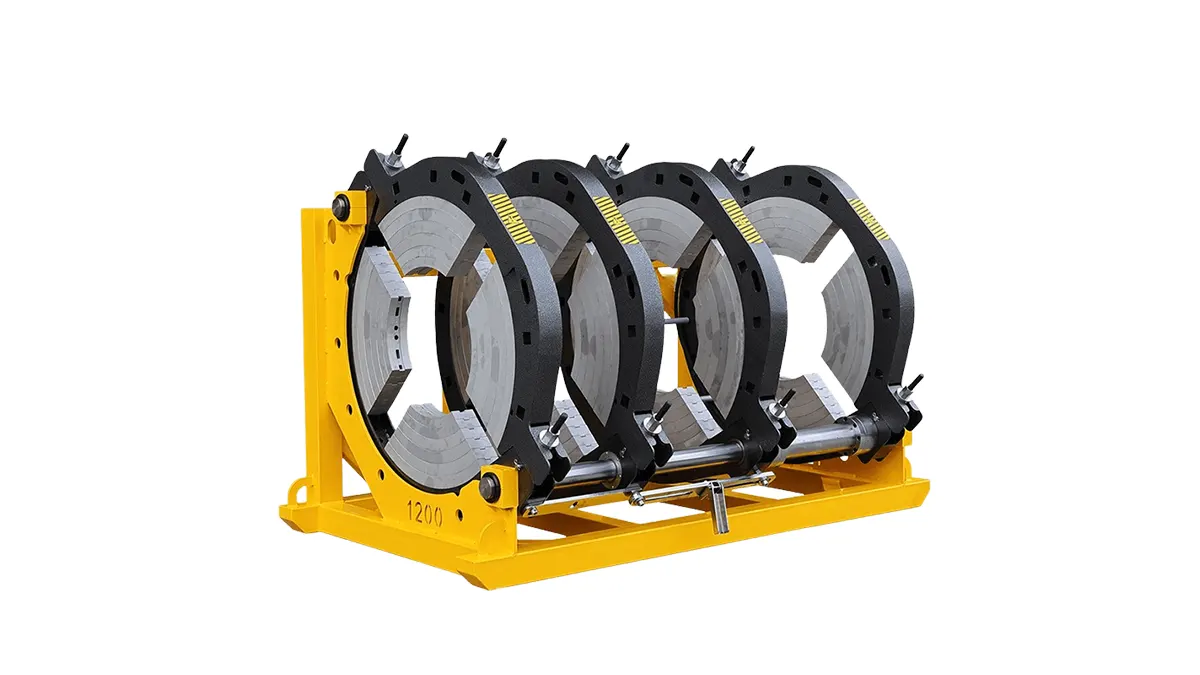
Machine Setup: Quick Checklist
1. Inspect heating plate and facing tool for damage or contamination. 2. Mount appropriate clamps or jaws for pipe diameter. 3. Check hydraulic fluid, hoses, and pressure settings. 4. Preheat the heating plate to the manufacturer’s target temperature (typically 200±20°C for HDPE).
Alignment and Facing
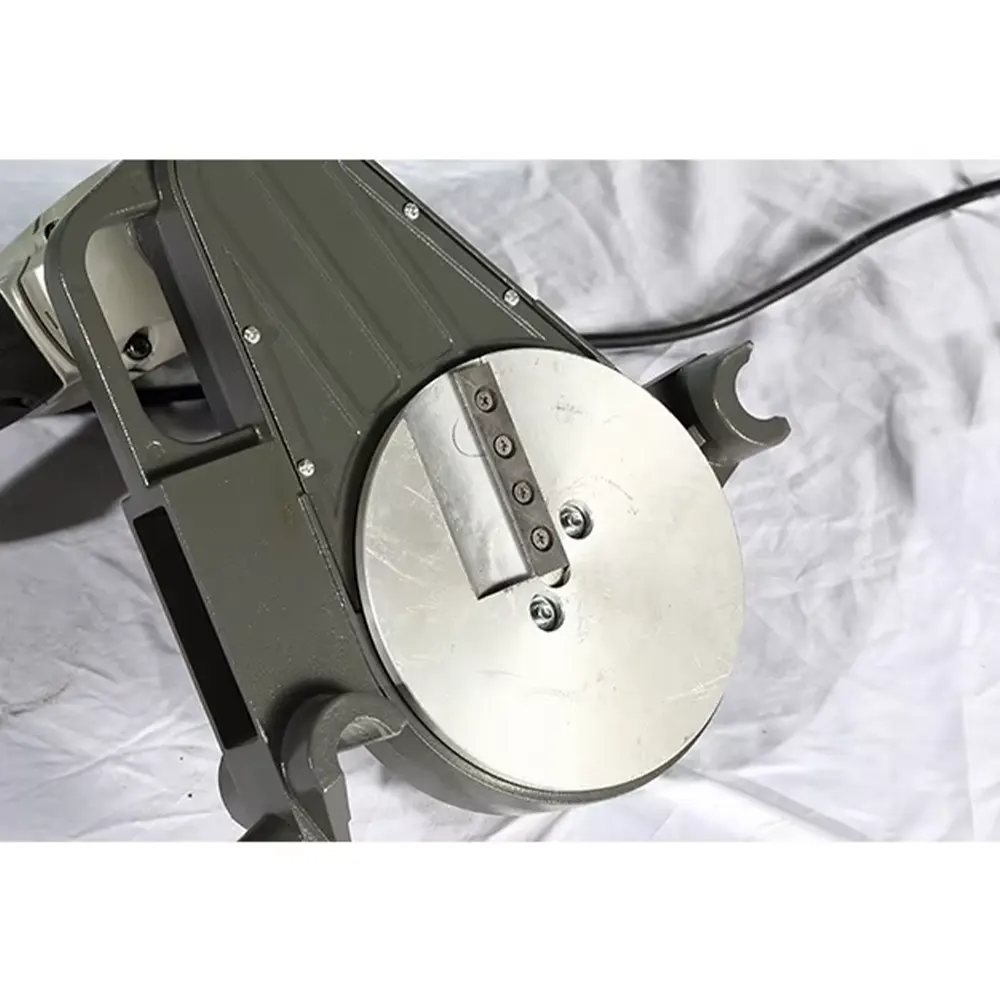
Use the facing tool to trim pipe ends evenly. Remove a thin layer until rings are smooth and parallel. Proper facing prevents voids and ensures full contact during heating and fusion.
Butt Fusion Welding: Step-by-Step
Step 1 – Align and clamp: secure both pipe ends in the machine so that they are perfectly aligned and supported. Check axial alignment from multiple angles.
Step 2 – Face the pipe ends: run the facer until the ends are flat and uniform. Clean off any particles with a lint-free cloth.
Step 3 – Heat soak: press the preheated heating plate between the pipe ends under a controlled small pressure to establish uniform melt. Follow the specified soak time for the pipe diameter and material.
Step 4 – Remove heater and join: quickly remove the heating plate and push the pipe ends together with the correct fusion pressure. Hold until the joint cools to handling temperature.
Typical Welding Parameters (Reference)
| Pipe OD (mm) | Heating Temp (°C) | Heat Time (s/mm) | Fusion Pressure (MPa) |
|---|---|---|---|
| 63 | 200 ± 20 | 10–12 | 0.2–0.3 |
| 160 | 200 ± 20 | 20–25 | 0.3–0.6 |
| 630 | 200 ± 20 | 40–60 | 0.6–1.0 |
Cooling and Handling
Allow the joint to cool under restraint until it reaches the recommended temperature (cooling time depends on diameter and wall thickness). Avoid moving the joint while cooling to prevent stress and weak bonds.
Inspection and Quality Control
Visually inspect the bead for uniformity and the absence of burn marks or contamination. Measure bead height and width to ensure it meets standards. For critical lines, perform non-destructive tests or sample destructive tests per project specs.
Routine Maintenance and Troubleshooting
Maintenance: keep heating plates clean and level, replace worn jaws, check hydraulic seals monthly, and verify calibration of temperature and pressure sensors.
Common issues: poor bead formation can result from low temperature, insufficient pressure, or dirty surfaces. Asymmetric beads often indicate misalignment or uneven facing.
Choosing the Right Machine
Select manual, hydraulic, or CNC automatic butt fusion machines based on project scale, pipe diameters, and site conditions. For large-diameter pipelines or high-volume work, hydraulic or automatic models improve consistency and speed.
Helpful Tips for Field Work
Plan weld sequences to minimize temperature variation. Keep spare heating plates and facer blades on-site for continuous operation. Document parameters for each weld to build a traceable quality record.
About JQ-Fusion
JQ-Fusion manufactures a full range of HDPE pipe welding machines and supplies reliable butt fusion solutions for global infrastructure projects. For machine models, specifications, and parts, visit JQ-Fusion.



