
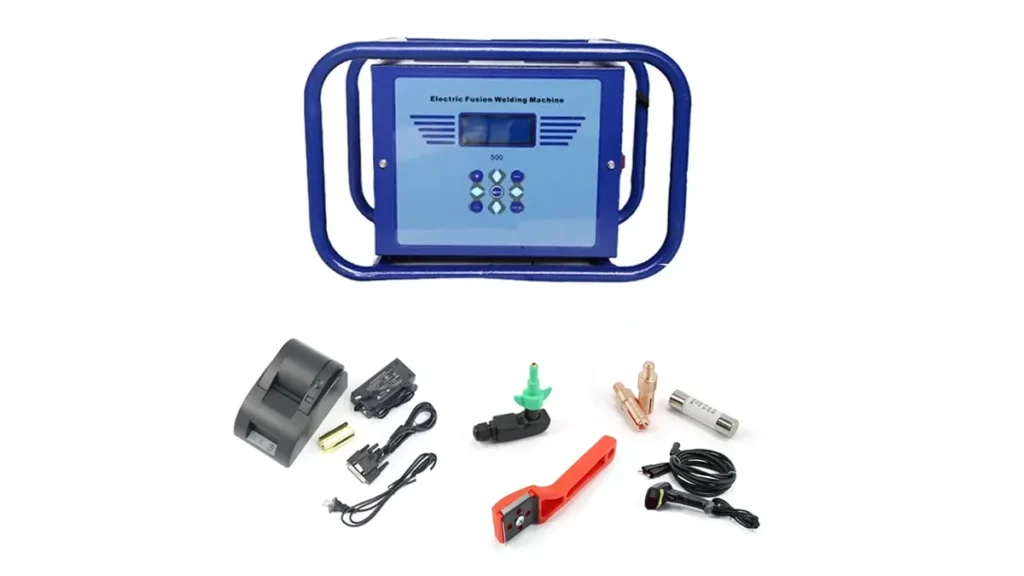
Argentina’s infrastructure push — from urban water networks in Buenos Aires to extensive irrigation systems in Mendoza and pipeline projects in Patagonia — is increasing demand for reliable HDPE pipe joining solutions. Electrofusion welding offers precision, leak-free joints and is ideal for the country’s varied climates and remote work sites.
Why Electrofusion Welding Matters in Argentina
Durability and safety: Electrofusion creates consistent molecular fusion that resists ground movement, corrosion and pressure changes common across Argentina’s terrain. This is especially critical for gas distribution and municipal water supply systems.
Ease of field use: Skilled technicians and contractors across provinces can deploy electrofusion units for repairs and new installations with minimal excavation — a major advantage in urban and agricultural settings where downtime is costly.
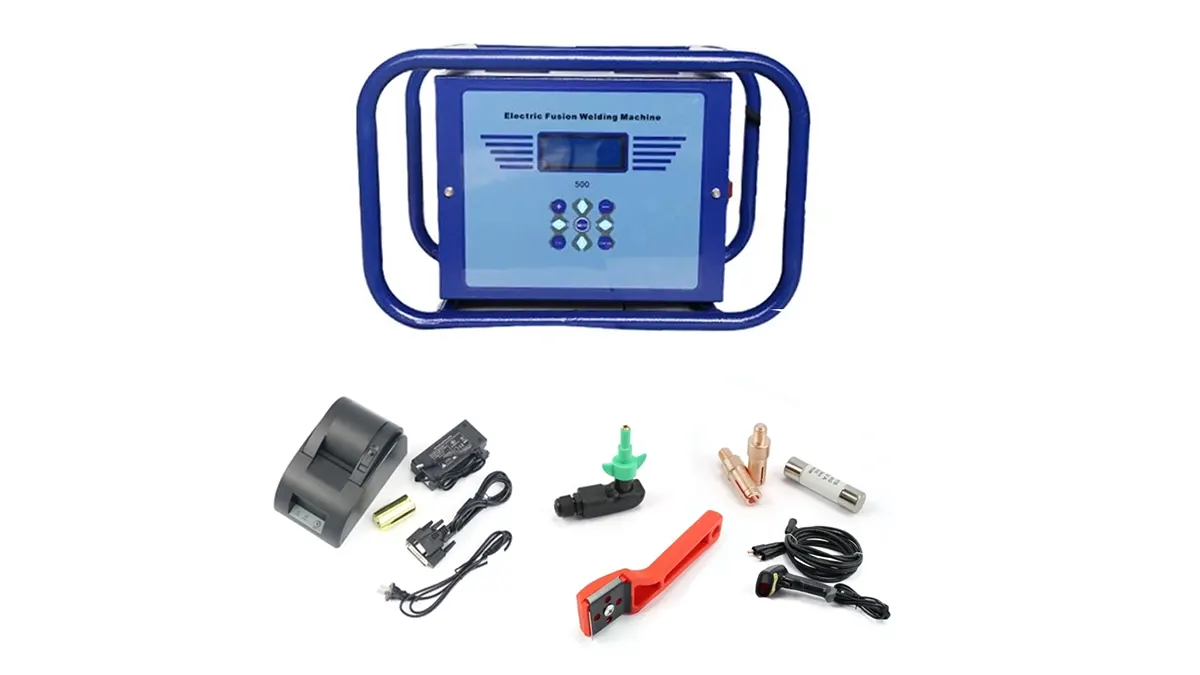
Key Features to Prioritize When Choosing an Electrofusion Welder
Stable power management: Select machines with reliable voltage control and overload protection to cope with variable power at remote sites.
Intuitive control interface: Operators benefit from clear displays and programmable welding cycles that reduce human error during electrofusion procedures.
Portability and ruggedness: Lightweight frames and impact-resistant housings make transport across unpaved roads and mine sites easier.
Electrofusion Performance Snapshot
| Feature | Why It Matters | Argentina Use Cases |
|---|---|---|
| Automated weld programs | Consistent quality, fewer rejects | Urban water mains, gas networks |
| Wide pipe diameter range | Flexibility across projects | Irrigation, mining, industrial lines |
| Built-in diagnostics | Faster troubleshooting | Remote sites, maintenance crews |
Training, Standards and Local Considerations
Argentina requires technical crews who understand local standards (including IRAM-related specifications for pipes and fittings) and good welding practice. Investing in operator training and Spanish-language manuals improves weld acceptance and long-term pipeline integrity.
For projects in agricultural provinces, consider machines that handle frequent weather shifts and dusty conditions. In mining areas of the northwest and Patagonia’s cold regions, thermal stability and sealed electronics are important.
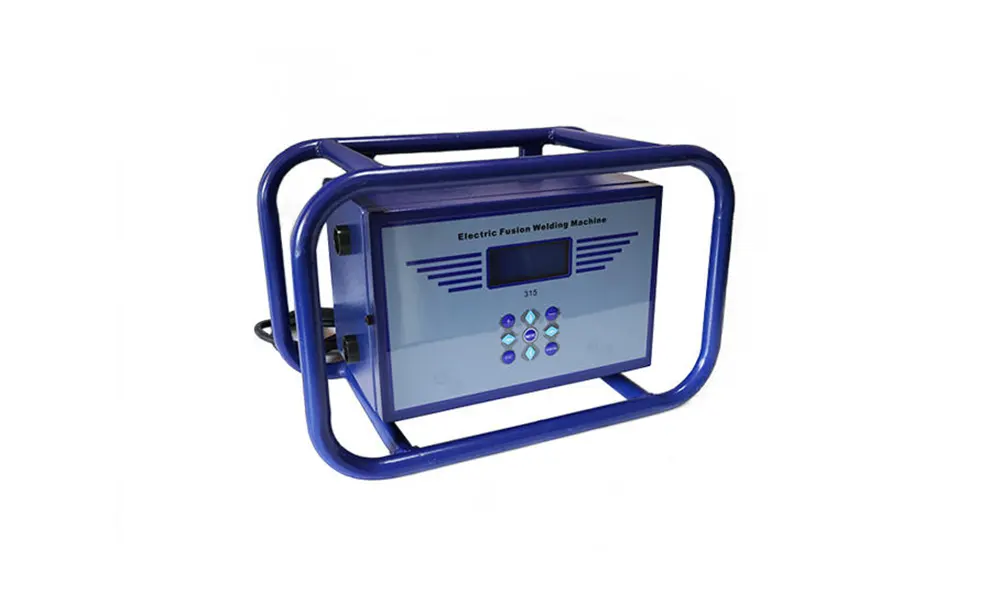
Maintenance Tips for Reliable Field Performance
Routine calibration: Verify heating cycles and clamps before major jobs to prevent weak joints.
Spare parts and consumables: Keep connectors, cables and fusion fittings stocked locally — logistics to some provinces can be slow.
Choose a Supplier Who Understands Argentine Project Needs
Look for manufacturers that offer robust after-sales support, clear technical documentation in Spanish, and the ability to supply a range of butt and electrofusion solutions for municipal, agricultural and industrial projects. For example, JQ-Fusion provides a broad portfolio of HDPE welding machines—manual, hydraulic and CNC automatic—backed by production experience and global distribution capabilities.
Final tip: Prioritize quality, local support and proven performance when procuring electrofusion welders to ensure long-term reliability across Argentina’s diverse infrastructure projects.



