
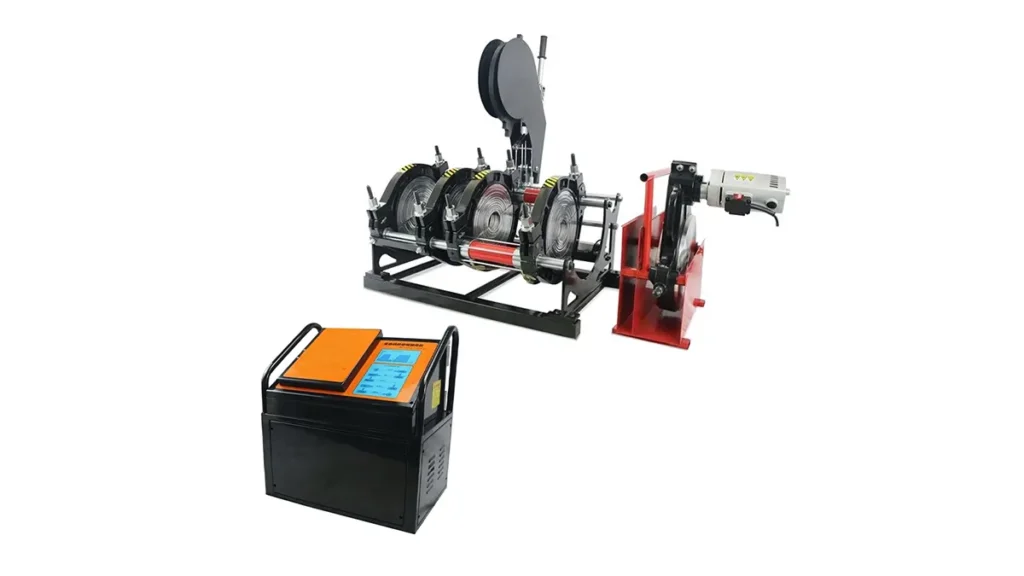
Choosing the right automatic pipe welding machine in Colombia can make or break a pipeline project—from municipal water networks in Bogotá to large-scale oil, gas, and mining conduits in the Andes and Llanos regions. This guide helps Colombian contractors, engineers, and procurement teams compare automatic, hydraulic, and manual butt fusion machines so you can pick the best solution for your site’s geography, labor skills, and budget.
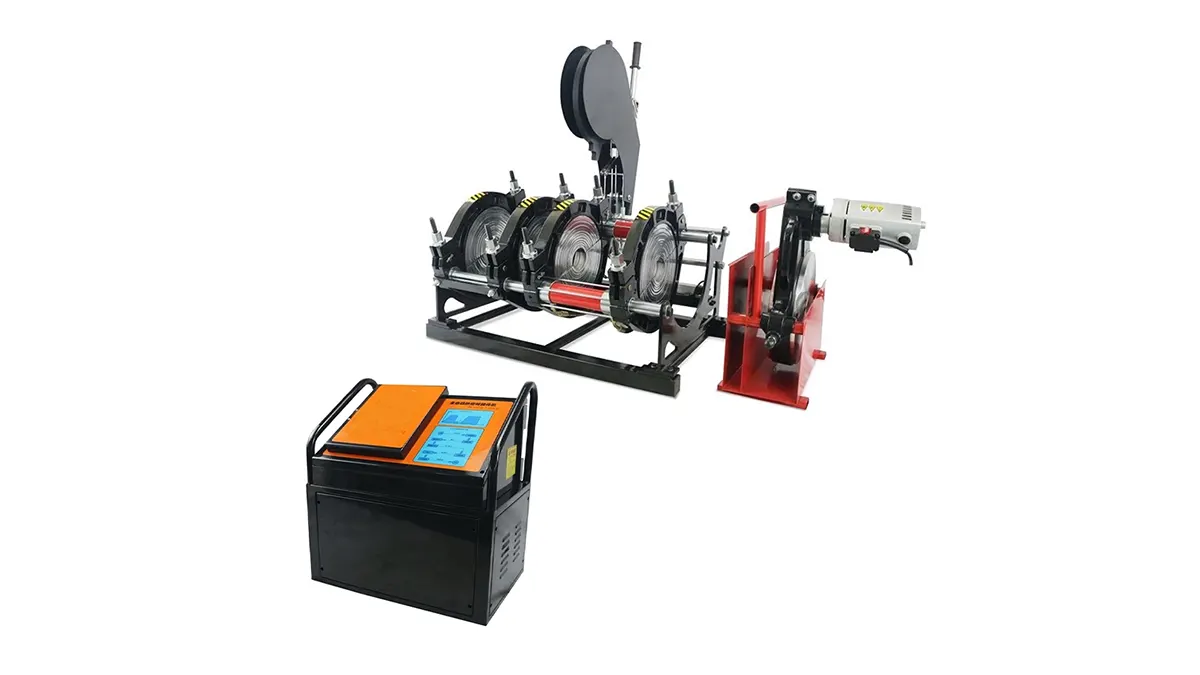
Why automatic pipe welding machines matter for projects in Colombia
Automatic machines deliver consistent fusion quality, faster cycle times, and digital controls that reduce operator variability—advantages that are especially valuable in Colombia where remote job sites, variable climate, and strict regulatory requirements demand repeatable, reliable welds. For urban utilities, gas distribution, and long-distance water mains, automation helps keep schedules on track and reduces rework.
Key local considerations
- Terrain & logistics: Mountainous routes and river crossings increase the value of portable, quick-setup machines.
- Workforce skills: Many sites rely on crew members with mixed fusion experience; automatic machines shorten the learning curve.
- Regulations & quality: Projects tied to urban infrastructure or energy sectors often require traceable weld records—automated controls and logging help meet compliance.
- Climate: High humidity and varied temperatures make robust heating plates and protective casings important.
Automatic vs. hydraulic vs. manual: quick comparison
Selecting the right type depends on pipe diameter, production rate, and budget. Below is a snapshot to guide procurement decisions for Colombian projects.
| Machine Type | Typical Pipe Range | Best For | Advantage |
|---|---|---|---|
| Automatic Butt Fusion | 63mm–630mm+ | High-volume PE/HDPE mains | Consistent welds, digital logging |
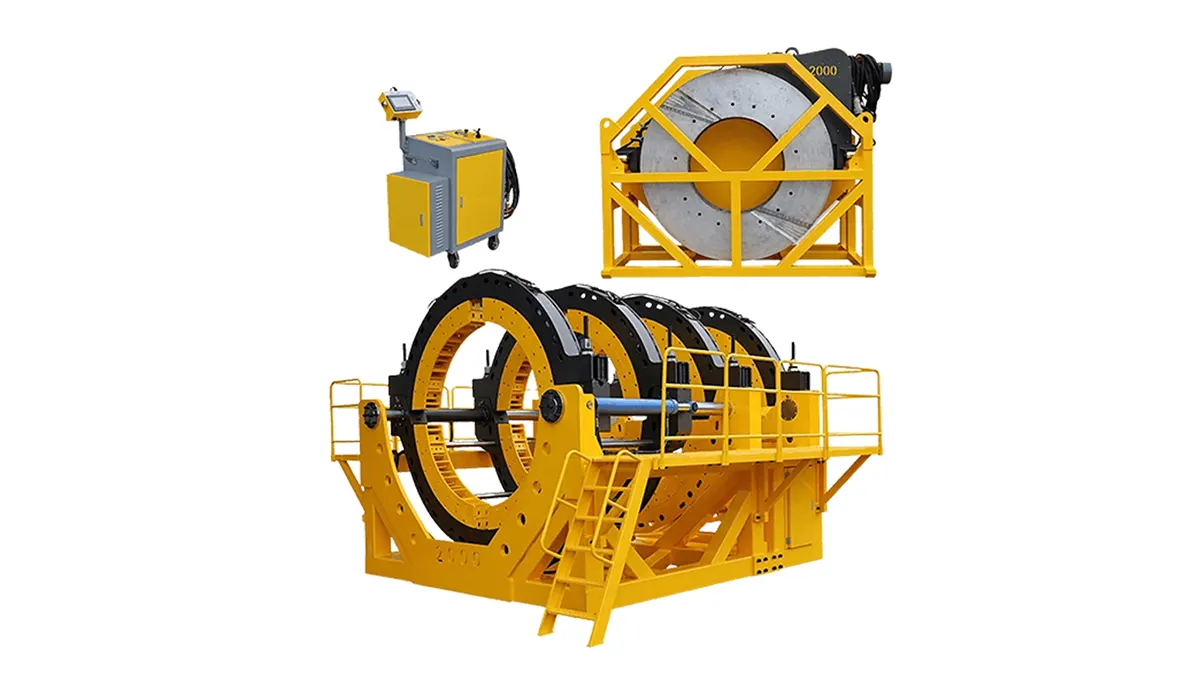
| Hydraulic Butt Fusion | 160mm–2250mm | Large-diameter pipelines | High clamping force, heavy-duty |
| Manual Butt Fusion | 20mm–315mm | Small repairs, low-budget jobs | Low cost, highly portable |
When to choose an automatic machine
- Project scale: Large meterage and repetitive joints (e.g., city water grids, gas trunklines).
- Quality traceability: Need for weld logs and digital records for contract compliance.
- Labor constraints: Limited experienced operators—automation reduces dependency on manual skill.
Practical buying tips for Colombian buyers
To maximize return on investment, evaluate machines on these practical dimensions:
- Portability: Can the unit be moved on narrow mountain roads or require shipping by truck/boat?
- Spare parts & service: Local support or regional distributors reduce downtime—confirm lead times for consumables like heating plates and clamps.
- Training & documentation: Ask about operator training in Spanish, digital manuals, and on-site commissioning.
- Power & fuel: Verify control power requirements and heater voltage options suitable for Colombian sites.
- Data logging: Machines with weld record export (CSV/PDF) simplify QA/QC and handover to owners.
Cost vs. ROI
Initial cost of an automatic machine is higher than manual units, but the time savings, fewer reworks, and traceability usually result in a lower total cost per joint for medium-to-large projects typical in Colombia’s infrastructure programs.
Maintenance, certification and warranties — what to verify
- Warranty coverage: Confirm global warranty terms and coverage for electronics and heating elements.
- Certifications: Look for ISO manufacturing and CE or equivalent electrical safety certifications.
- Preventive maintenance: Establish a schedule for calibration and plate maintenance to maintain weld quality in humid or dusty Colombian environments.
Where to source machines
For reliable butt fusion equipment backed by factory support, consider established manufacturers who provide manuals, spare parts, and training. One such supplier is JQ-Fusion, a professional manufacturer specializing in HDPE pipe welding machines with models ranging from manual and hydraulic to CNC automatic butt fusion machines for small to large diameters.
Final checklist before purchase
- Confirm pipe diameter range and joint cycle time requirements.
- Inspect control system language options and data export features.
- Secure local training and parts supply plan.
- Validate machine portability for your Colombian site conditions.
Next steps
If your project demands high throughput and traceable weld quality—especially for municipal water, gas distribution, or industrial pipelines across Colombia—prioritize automatic butt fusion machines with strong after-sales support and available Spanish documentation. Equip your team with the right training and a maintenance plan to ensure consistent performance across diverse Colombian terrains.



