
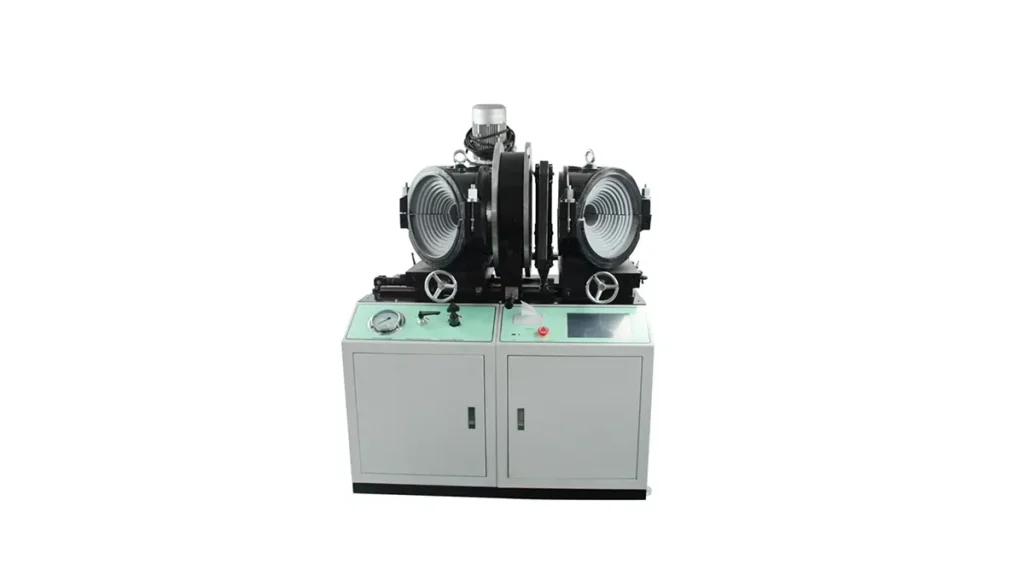
Finding a reliable HDPE pipe jointing machine manufacturer is critical for contractors, utilities, and infrastructure teams who demand durable, leak-free joints for water, gas, and industrial pipelines. This guide explains the types, key features, performance benefits, and buying considerations for modern HDPE butt fusion and fittings welding equipment to help you choose the right solution for your project.
Core Features of Modern HDPE Pipe Jointing Machines
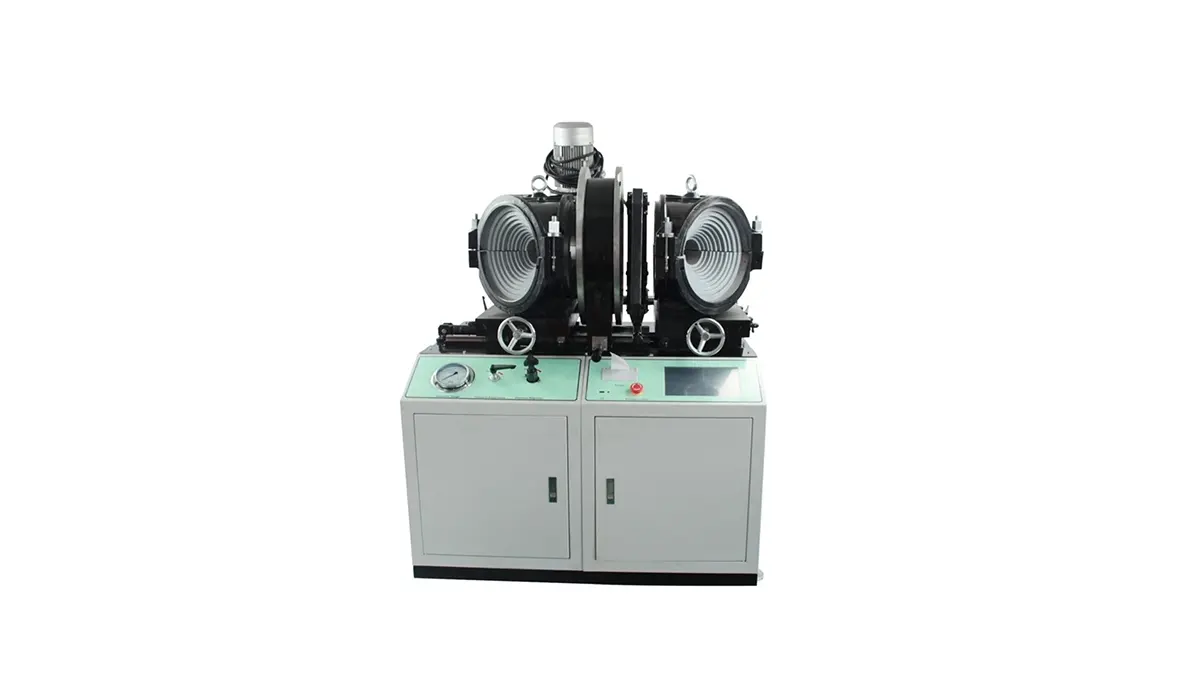
Precision alignment and consistent heating cycles are essential for strong butt-fusion joints. Leading machines deliver controlled pressure, accurate temperature regulation, and robust clamping systems to eliminate cold or weak welds.
-
Automated control options — from handheld controllers to CNC systems for repeatable weld recipes and data logging.
-
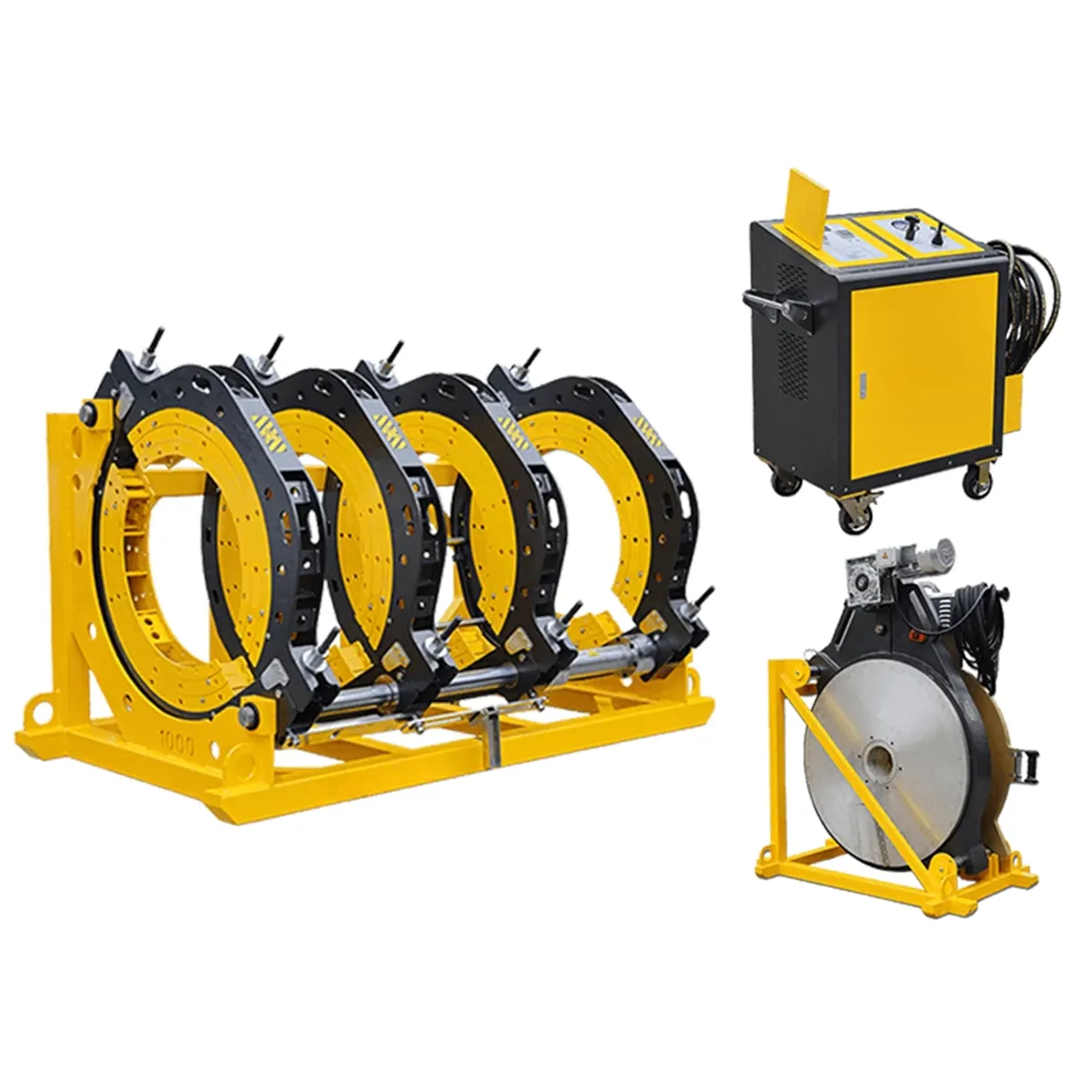
Hydraulic power units — high force capacity for large-diameter pipes and stable fusion pressure.
-
Modular clamping frames — support multiple pipe sizes and reduce setup time on site.
-
Durable heating plates & trimmers — fast, even heating and clean face preparation for stronger bonds.
Why Quality Matters: Benefits for Contractors and Owners
-
Long-term reliability — correctly fused HDPE pipelines significantly reduce maintenance and leak remediation costs.
-
Faster installation — automated or semi-automatic machines speed up fusion cycles and improve crew productivity.
-
Consistent compliance — programmable weld cycles help meet industry standards and inspection requirements.
Quick Comparison: Typical Machine Types
| Machine Type | Pipe Range (mm) | Control | Best For |
|---|---|---|---|
| Manual Butt Fusion | 20–400 | Manual | Small jobs, tight budgets |
| Hydraulic Butt Fusion | 90–2250+ | Hydraulic | Large-diameter pipelines |
| Automatic/CNC Units | 63–1200 | CNC/Automated | High-volume and precision work |
| Multi-angle Fitting Machines | 20–800 (varies) | Semi-auto / Manual | Complex fittings and branch connections |
Applications and Industries
-
Water supply and distribution — corrosion-free HDPE delivers long service life in municipal systems.
-
Gas distribution — high-integrity joints are essential for safety and regulatory compliance.
-
Mining and industrial piping — abrasion-resistant HDPE suits slurry and chemical lines.
-
Telecom and conduit installations — reliable fittings protect fiber and utility cabling.
Choosing the Right Machine: Key Considerations
-
Pipe size range — match machine capacity to your largest planned diameter.
-
Automation level — automated systems raise throughput and traceability; manual units reduce upfront cost.
-
Service and spare parts — ensure accessible support and local parts availability to minimize downtime.
-
Portability vs. stationary use — select frames and power units that suit field or workshop work.
Practical Maintenance Tips
-
Keep heating plates clean and free of oxidation for uniform heat transfer.
-
Verify hydraulic fluid levels and inspect hoses for wear before each project.
-
Regularly calibrate temperature controllers and pressure gauges to maintain weld quality.
Common Questions from Buyers
Q: What certifications should I expect for a pipe fusion machine?
A: Look for quality manufacturing standards, CE or equivalent safety marks, and documented welding procedure specifications or traceable weld logs for automatic units.
JQ-Fusion provides a broad range of manual, hydraulic, and CNC automatic butt fusion welding machines to support water, gas, mining, and industrial pipeline projects — learn more at https://jq-fusionwelding.com/.



