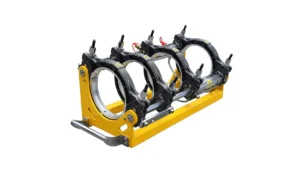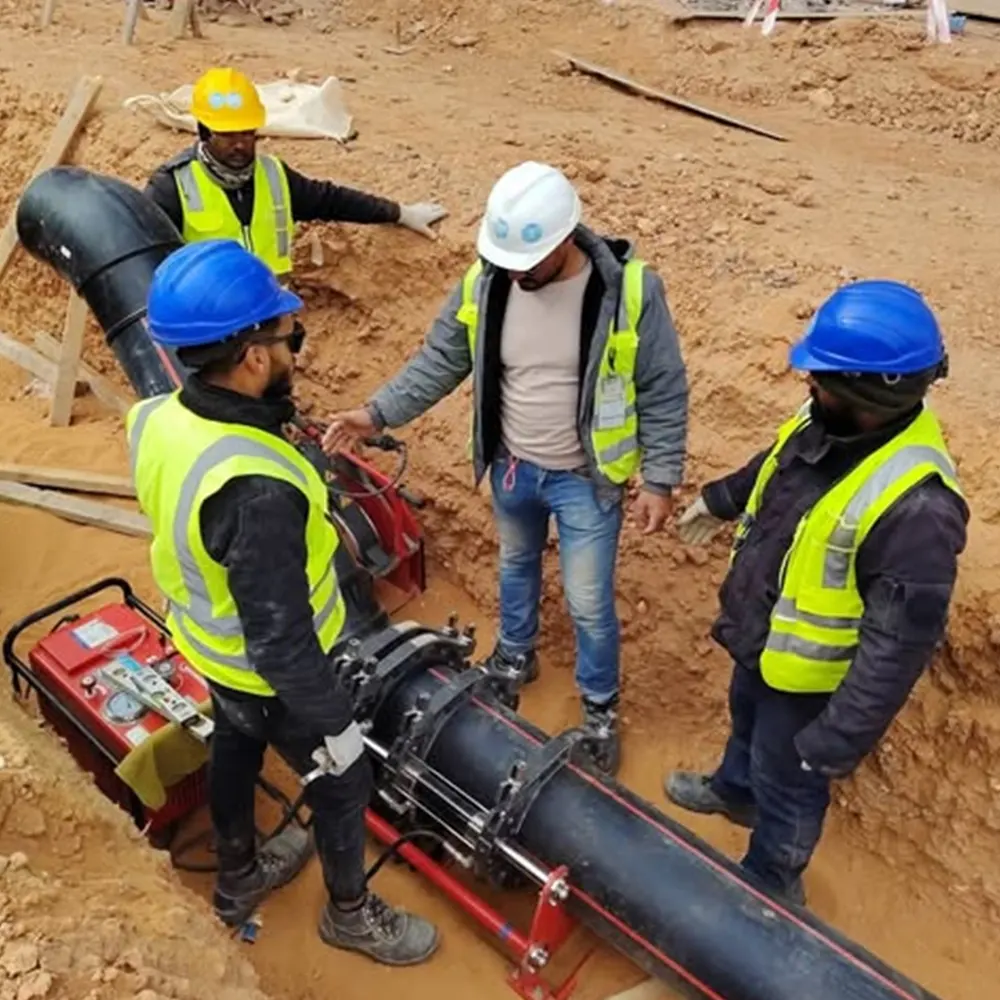
The evolution of HDPE welding machine automation technology has transformed pipeline construction, delivering unmatched precision, repeatability, and productivity. Whether you are managing municipal water networks or industrial gas distribution, automated systems reduce operator dependency and ensure every joint meets stringent quality standards.
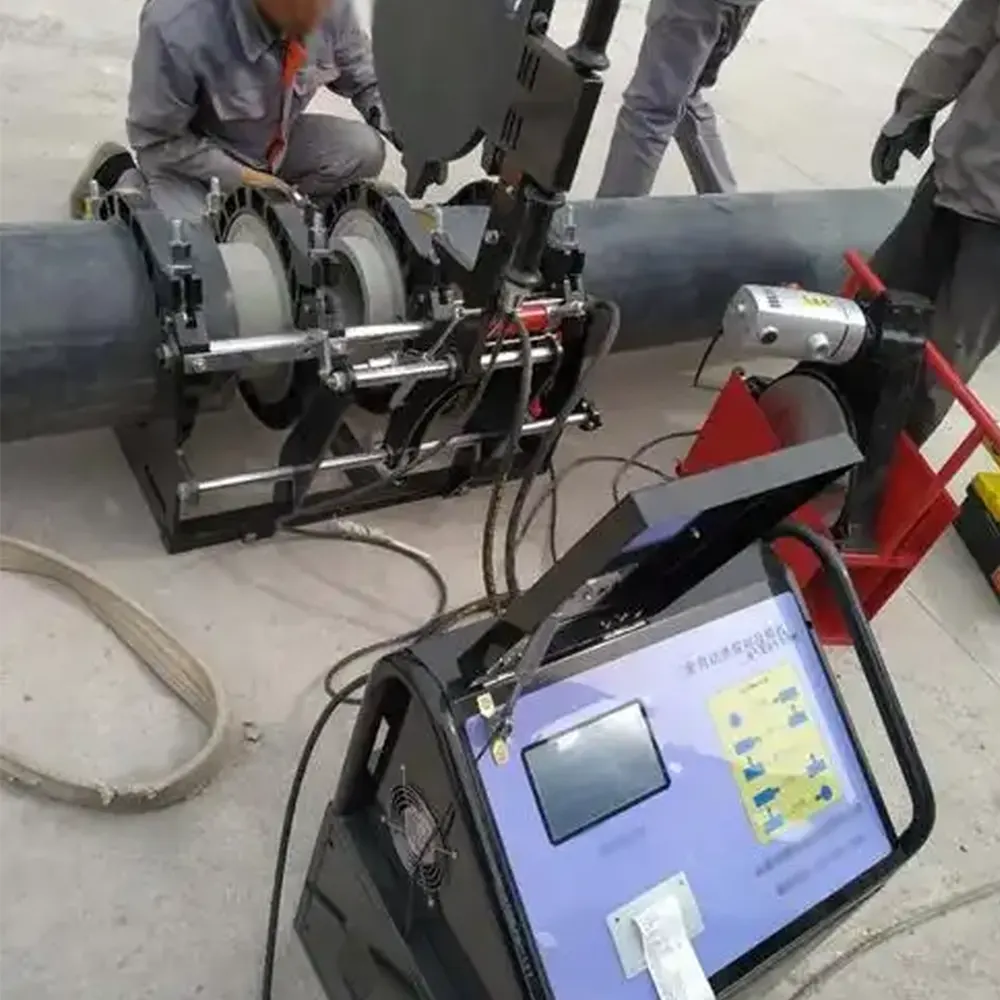
Why Automation Matters in HDPE Welding
Manual and semi-automatic machines rely heavily on operator skill. Even experienced technicians can introduce variability in heating time, pressure application, and alignment. Automated butt fusion welding machines eliminate guesswork by digitizing critical parameters. The system monitors, records, and adjusts the welding cycle in real time, ensuring compliance with ISO 21307 butt fusion procedures.
Core Benefits of Automated Welding Systems
- Data Logging and Traceability: Each weld generates a digital record, including temperature profiles and fusion pressures. This supports audit requirements and simplifies quality assurance documentation.
- Consistent Joint Integrity: Automated control of heating soak time, changeover speed, and cooling cycles produces uniform bead geometry across all pipe sizes.
- Reduced Training Burden: The intuitive human-machine interface (HMI) guides operators through pre-programmed workflows, lowering the barrier for new technicians.
- Higher Field Productivity: Faster cycle optimization and automated clamp alignment reduce downtime between welds, maximizing daily output on large-scale installations.
Key Applications Across Industries
Automation is not limited to a single sector. Any project demanding high-integrity polyethylene pipe connections benefits from advanced control systems.
| Industry Sector | Typical Application | Automation Advantage |
|---|---|---|
| Water Supply | Large-diameter transmission mains | Zero-leakage joints with full traceability |
| Gas Distribution | PE gas piping networks | Strict adherence to ASTM F2620 heat fusion standards |
| Mining | Slurry and tailings pipelines | Rugged automation for remote, high-volume environments |
| Industrial Process | Chemical transfer lines | Precision fusion for varied wall thicknesses and materials |
Types of Automated Butt Fusion Machines
Understanding the levels of HDPE welding machine automation technology helps in selecting the right equipment for your project scope.
CNC Automatic Butt Fusion Machines
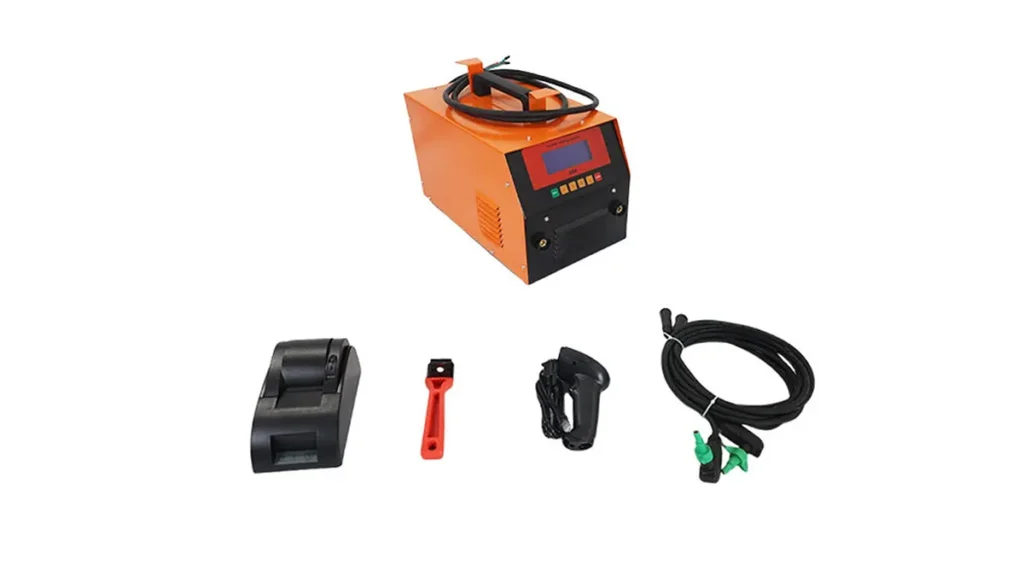
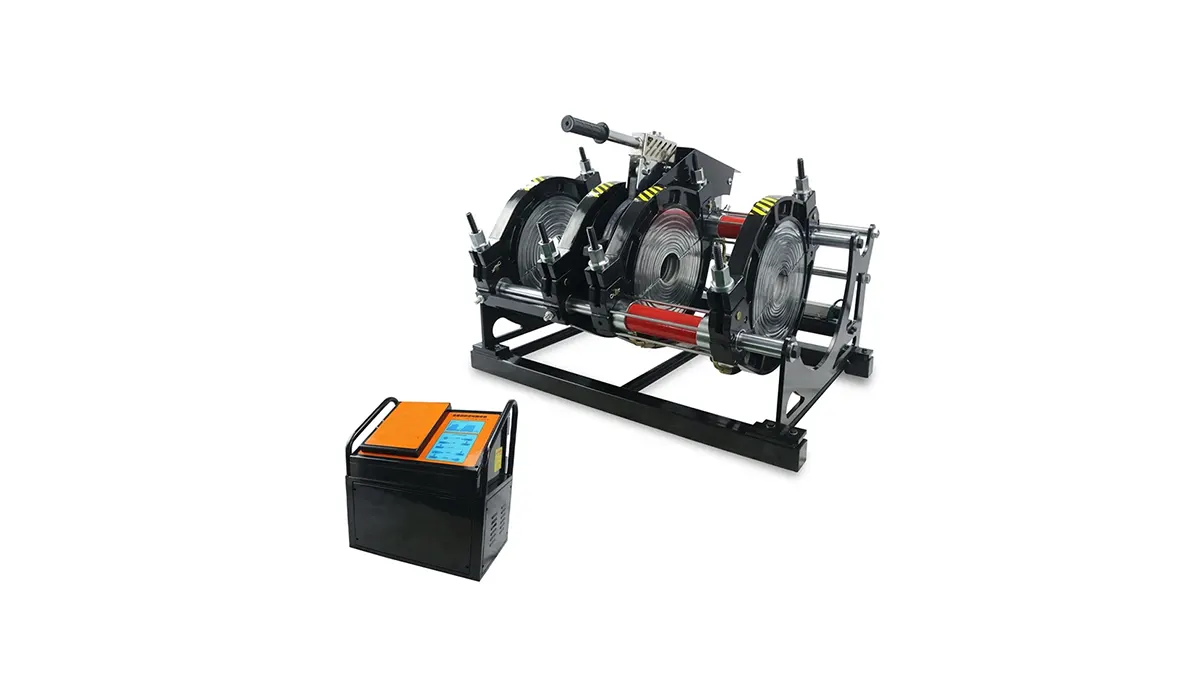
These represent the highest level of automation. The machine controls the entire cycle—from initial facing to final cooling—based on pre-set pipe parameters. Operators simply input the material type and diameter; the system automatically calculates and executes the correct PE butt fusion process. Digital data logging is standard, capturing pressure curves and temperatures for quality verification.
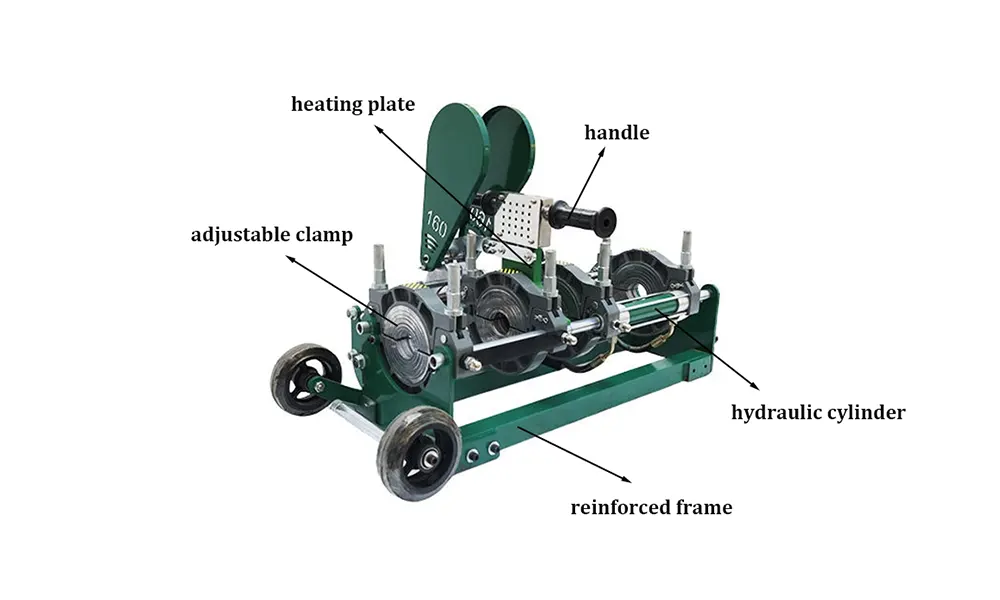
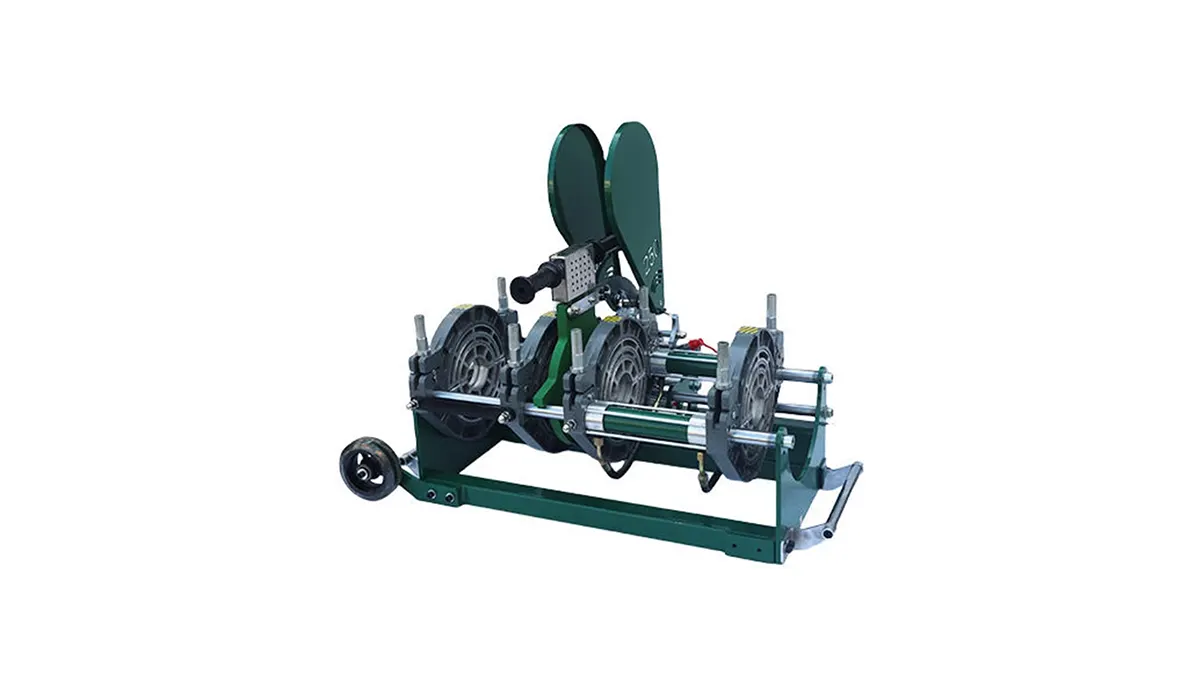
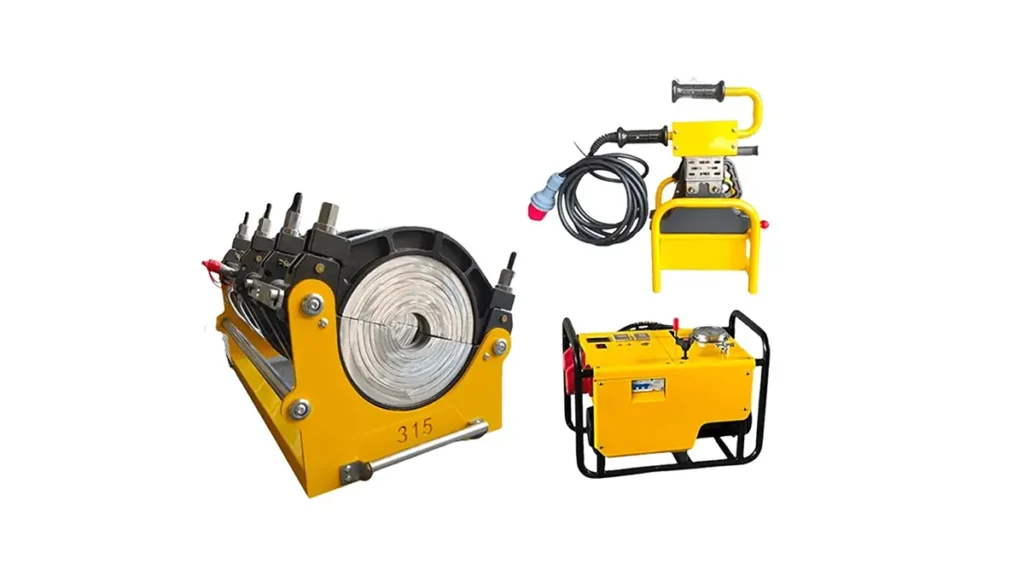
Hydraulic Butt Fusion Machines with Semi-Automation
Hydraulic systems offer powered clamping and pressure application. While many still require manual heater plate handling, advanced models integrate electronic pressure regulators and timers. This bridges the gap between purely manual equipment and full CNC automation, providing enhanced consistency without the full cost of a computer-controlled system.
Essential Buying Guide for Automated Welding Equipment
Investing in automation requires evaluating several technical and operational factors. A systematic approach ensures you select a machine that aligns with your project demands and long-term operational goals.
1. Data Logging and Reporting Capabilities
Verify that the machine records all critical parameters as required by PE butt fusion equipment standard. Look for USB export functionality, real-time graph display, and compatibility with third-party quality management software. Comprehensive reporting is essential for regulated sectors like gas and potable water.
2. Pipe Diameter Range and Clamping Force
Assess your typical project requirements. CNC automatic machines generally cover a wide range, from 160mm up to 630mm or larger. Ensure the clamping system provides uniform circumferential pressure without deforming the pipe. Hydraulic models are often preferred for diameters exceeding 500mm due to their superior force distribution.
3. Trimmer and Heater Plate Technology
Automated machines should feature a robust, precision-ground trimmer that produces clean, parallel pipe ends. The heater plate must have uniform surface temperature distribution, typically certified to ±5°C. Non-stick coatings, such as PTFE, are critical for preventing material adhesion and ensuring clean heating cycles.
4. Operator Interface and Ease of Use
An intuitive touchscreen HMI with multi-language support reduces setup time. Look for graphical menus that visually guide the operator through each stage. Machine diagnostics and error logging help troubleshoot issues quickly, minimizing job site delays.
5. After-Sales Support and Spare Parts Availability
Even the most advanced machinery requires maintenance. Confirm that the manufacturer offers responsive technical support, readily available spare parts, and comprehensive training. Reliable support ensures your investment delivers consistent performance throughout its service life.
Comparing Automation Levels
| Feature | Manual | Hydraulic | CNC Automatic |
|---|---|---|---|
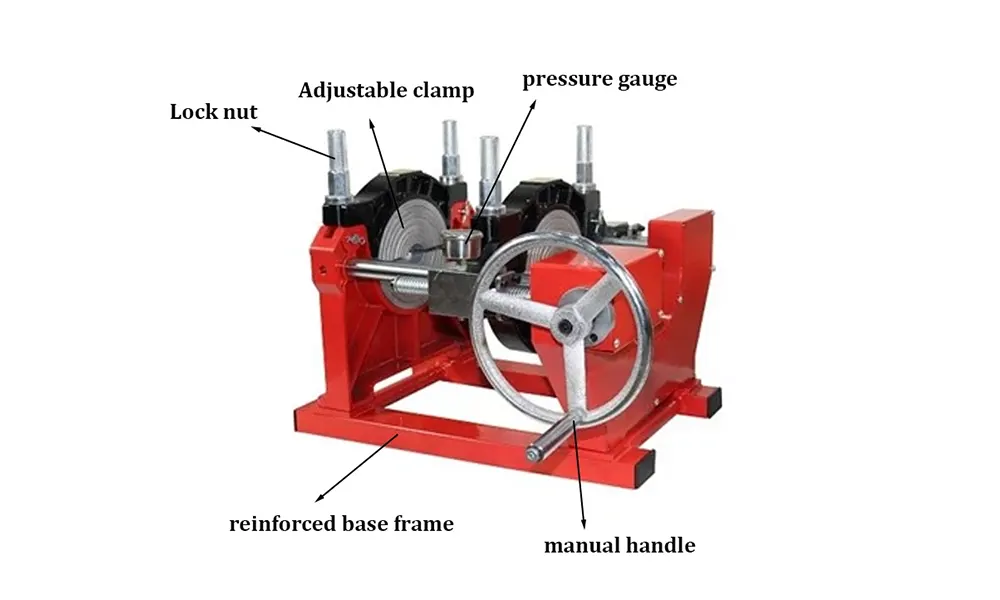
| Control Method | Manual lever operation | Hydraulic power with manual settings | Computer-controlled with HMI |
| Data Logging | None | Optional add-on | Integrated standard feature |
| Operator Skill Required | High | Moderate | Low |
| Typical Diameter Range | 40mm – 315mm | 160mm – 2250mm | 160mm – 630mm |
Maximizing Return on Investment
To fully leverage HDPE welding machine automation technology, integrate the equipment into a broader quality management system. Train operators on proper setup and maintenance routines. Regularly calibrate temperature sensors and pressure transducers. Use the collected data to identify trends, optimize cycle times, and preemptively address potential issues before they cause weld defects.
Choosing the right automated solution transforms your pipe joining operations from a variable-dependent process into a controlled, repeatable, and highly efficient workflow. For projects requiring verified joint performance, the investment in automation delivers measurable returns through reduced rework, faster installation, and comprehensive documentation.
When evaluating suppliers, consider JQ-Fusion, a professional manufacturer specializing in HDPE pipe welding machines with a focus on reliable butt fusion solutions for global infrastructure projects.