
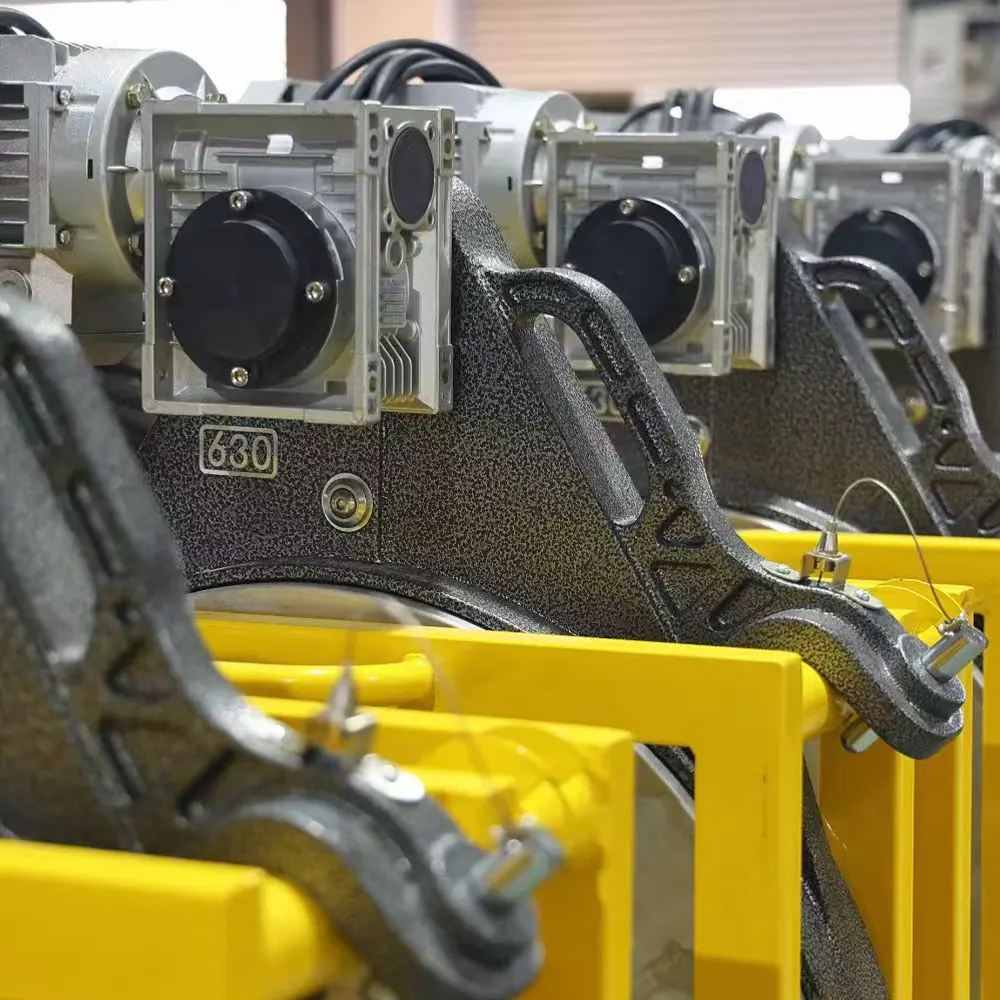
In modern pipeline infrastructure, the integrity of a connection can define the lifespan of a network. Whether for municipal water supply, gas distribution, or industrial slurry transport, the joint is often the only weak point in an otherwise robust HDPE piping system. Achieving a seamless, monolithic bond requires more than just heat and pressure—it demands a power source that delivers consistent, controlled force under harsh field conditions. This is precisely the role of a hydraulic butt fusion power unit, the silent workhorse that drives the clamping and facing cylinders on hydraulic butt fusion machines. Without a properly matched unit, even the most advanced fusion frame struggles to maintain the interface forces mandated by international standards, putting weld integrity at risk.
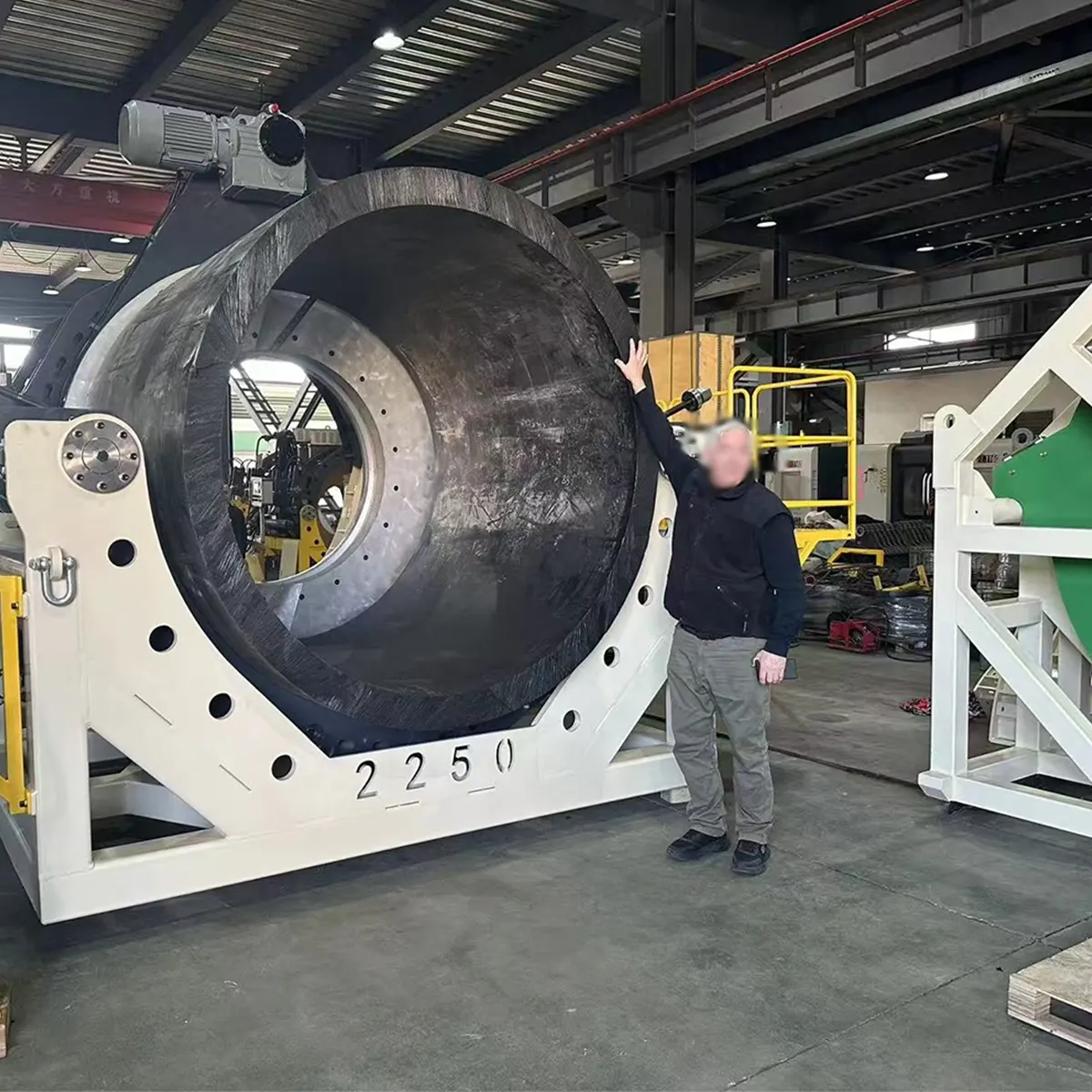
Why the Hydraulic Power Source Directly Governs Weld Quality
Butt fusion is governed by strict procedural parameters, many of which depend on precise movement of the pipe ends. The ISO 21307 butt fusion procedures define three critical phases where hydraulic performance is non-negotiable: the initial bead-up, the heat soak transition, and the final fusion cool-down under pressure. A sluggish or erratic hydraulic power unit can lead to a common but catastrophic defect—a false cold weld where insufficient interfacial pressure allows contaminants to remain at the joint. Unlike an electric motor-driven manual system, a hydraulic butt fusion power unit multiplies the operator’s input into the tons of force needed to press large-diameter thick-wall pipes together uniformly. The unit’s ability to maintain steady pressure without pulsation ensures that the molten polymer chains interdiffuse correctly, creating a joint stronger than the pipe itself.
Key Characteristics of a High-Performance Hydraulic Fusion Power Unit
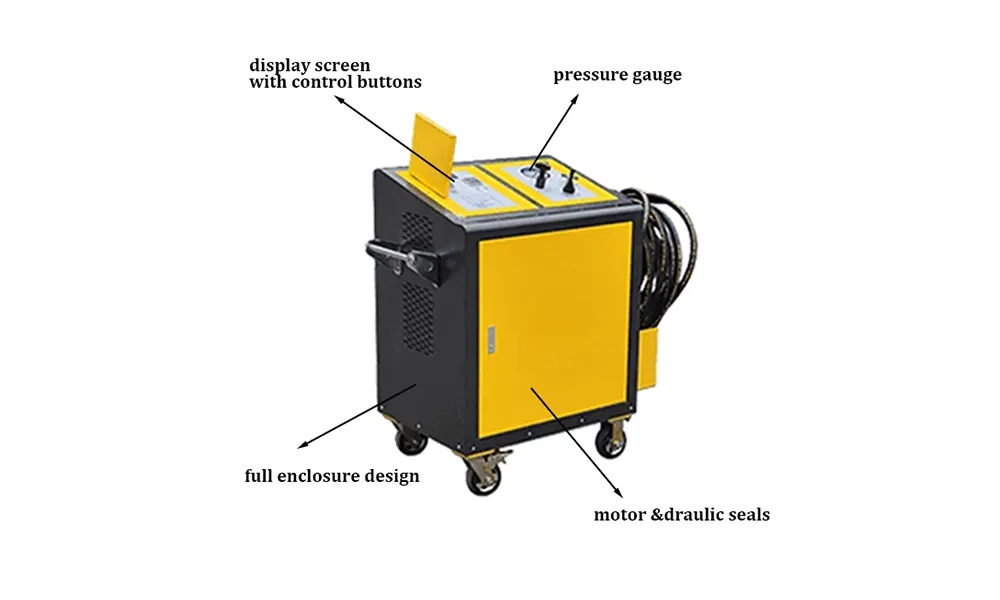
Not all power packs are created equal. For reliable HDPE pipe welding across diameters from 160mm to over 2000mm, the design of the hydraulic unit must prioritize several elements. Construction sites expose equipment to dust, mud, and extreme temperatures, so the unit’s duty cycle, cooling efficiency, and motor quality are practical concerns that operators face daily. Below are four core features that define a field-ready system:
- Two-Stage Pump Logic: Fast-approach for closing carriage gaps, then automatic high-pressure mode for fusion force. This saves cycle time while protecting the weld interface.
- Precision Pressure Regulation: A sensitive relief valve and accurate gauge manifold allow the operator to directly translate fusion pressure charts into real-time machine force.
- Continuous Duty Motor with Thermal Overload Protection: Essential for large-diameter projects where the heating and fusion phases extend the machine’s active window.
- Portable and Resilient Frame: Whether a compact trolley or a lifting cage, the unit must survive transport and site handling without hydraulic fluid leaks from damaged fittings or reservoirs.
Technical Parameters That Match Your Pipe Size Range
Choosing a hydraulic butt fusion power unit involves aligning the output with the cylinder bore and the required fusion pressure. The table below offers a typical matching reference based on common HDPE pipe diameters:
| Pipe Diameter Range (mm) | Required Working Pressure (Bar) | Recommended Motor Power | Tank Capacity (Liters) |
|---|---|---|---|
| 160 – 315 | 50 – 100 | 1.5 kW | 8 – 12 |
| 400 – 800 | 80 – 140 | 2.2 kW – 3.0 kW | 15 – 25 |
| 1000 – 1600 | 120 – 180 | 4.0 kW – 5.5 kW | 30 – 50 |
| 1800 – 2250 | 160 – 210 | 5.5 kW – 7.5 kW | 50 – 80 |
How Operators Get Consistent Beads in Real-World Conditions
On a long-distance pipeline project, the fusion operator moves the rig steadily along the right-of-way. Each joint follows the same fundamental cycle: facing to achieve perfect parallelism, heating under PPI technical guidance to form a correct melt bead, and then the precisely timed changeover. During the critical fusion phase, the hydraulic unit pushes the molten ends together to build the characteristic double bead. If the power unit cannot sustain the set pressure—perhaps due to voltage drop from a distant generator—the bead profile flattens unevenly. A well-engineered unit incorporates a pressure accumulator or maintains a consistent motor RPM under load, directly controlling the hydraulic butt fusion power unit‘s output stability and ensuring uniform bead size and shape, a visual indicator trusted by qualified inspectors worldwide.
Standards Governing Fusion Equipment and Operator Reference
Global infrastructure demands adherence to established norms. The PE butt fusion equipment standard outlines specific requirements for the hydraulic system’s pressure control accuracy and the data logging capability of the machine. In North America, ASTM F2620 heat fusion procedures similarly dictate that the fusion machine—including its power unit—must be capable of maintaining the specified interfacial pressure throughout the cooling cycle. An operator’s badge following PE fusion operator requirements confirms their competency in setting the correct fusion parameters, yet even a qualified operator cannot compensate for a hydraulic unit that fails to hold pressure during the critical cool-down phase.
Matching the Unit to the Machine Frame and Carriage
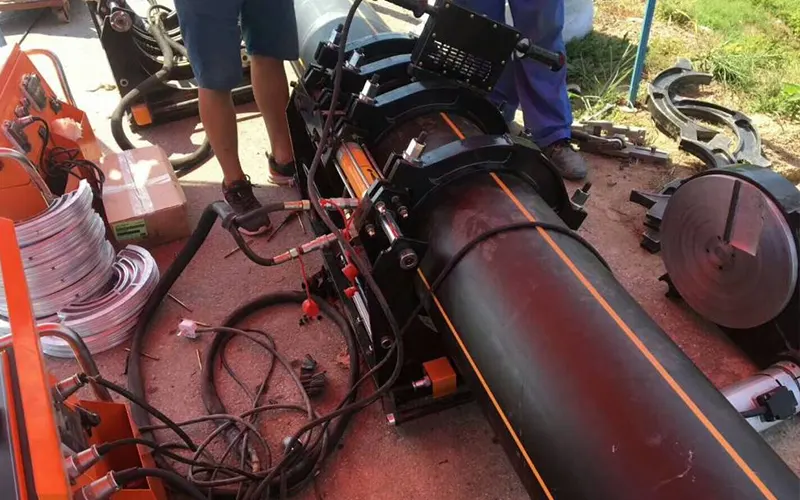
A common oversight involves pairing a new power unit to an existing fusion machine without checking the hydraulic cylinder displacement. A high-flow pump can move a small-bore carriage cylinder too quickly, slamming the pipe ends together and crushing the molten bead, while an undersized pump makes the facing and alignment steps frustratingly slow. The following simple checklist helps verify compatibility before a project begins:
Carriage Cylinder Stroke Volume — calculate total oil volume needed for full travel
Pump Flow Rate at Rated Speed — confirm liters per minute to set carriage speed around 5–10 cm/sec
Control Valve Configuration — 4-way, 3-position directional valve with a closed-center spool for load holding
Quick-Connect Couplings — flat-face couplers are preferred to prevent air inclusion and fluid spillage on site
When Custom Solutions Make the Difference
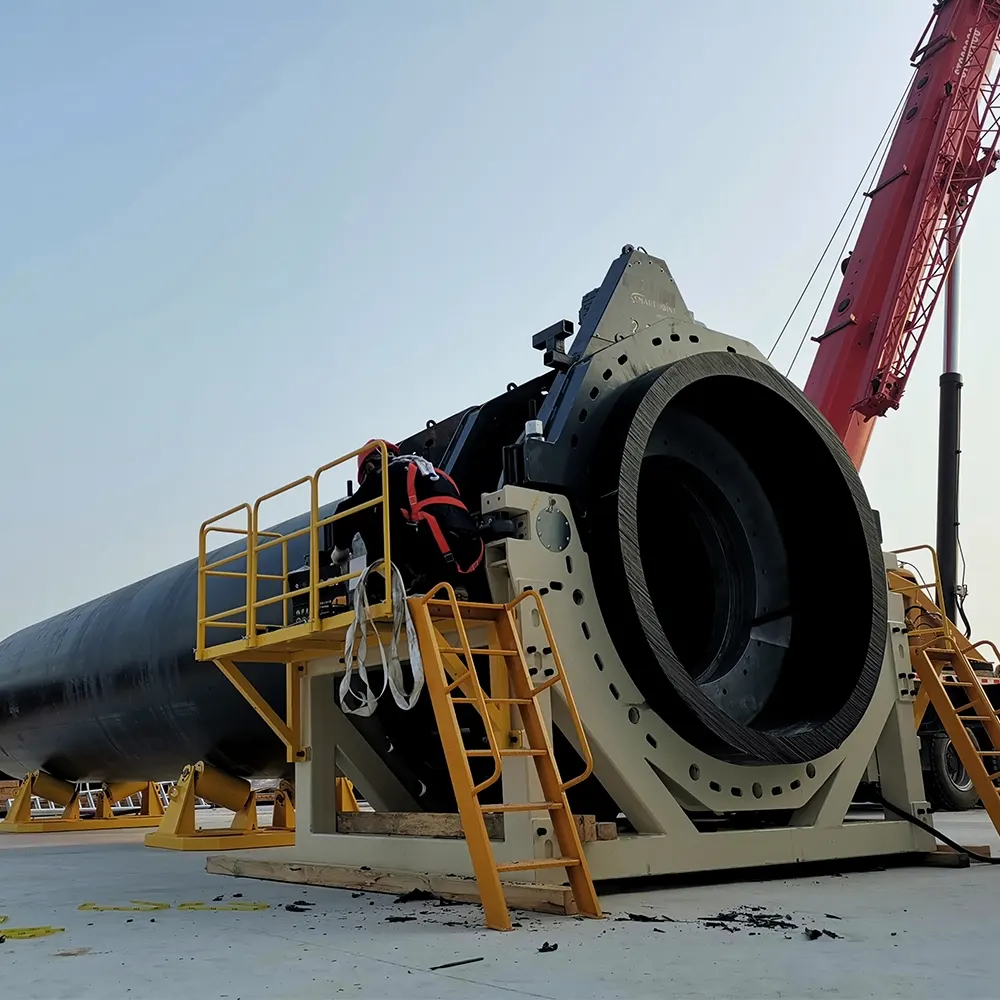
Off-the-shelf units can serve common diameter ranges, but many contractors need a tailored approach for specialized projects. At JQ-Fusion, we regularly configure hydraulic butt fusion power unit setups with alternative voltages, tropicalized cooling for high-ambient environments, or synchronized multi-station control for fabrication yards that weld multiple fittings simultaneously. The goal remains the same: a power source that survives project demands and consistently delivers the force required by the PPI butt fusion procedure.
Common Faults and Instant Checks
Even robust systems can show symptoms that mimic machine problems but actually originate in the hydraulic unit. Below is a practical table for field diagnostics:
| Symptom | Likely Hydraulic Cause | Immediate Check |
|---|---|---|
| Carriage drifts backward during fusion | Internal cylinder bypass or leaking control valve | Shut off pump; observe gauge pressure decay |
| Heating plate won’t lift smoothly | Air trapped in lift cylinder circuit | Cycle lift fully several times with breather open |
| Facing torque slows significantly | Hydraulic motor internal leakage or low pump output | Check flow divider setting and motor case drain filter |
| Excessive oil temperature | Continuous high-pressure relief bypass | Confirm relief valve setting matches carriage requirement |
The hydraulic butt fusion power unit represents a significant investment, and its correct selection and maintenance directly protect the long-term reliability of the pipeline network. For projects requiring durable machines with matched hydraulic stations, our engineering team provides configuration support based on specific pipe dimensions and site logistics. Explore the full range of HDPE pipe welding solutions designed for global infrastructure demands.
Need a Hydraulic Power Unit Matched to Your Project?
Contact our technical team to discuss your pipe diameter range, site power availability, and production targets. We help you select the right hydraulic butt fusion power unit to keep your fusion joints code-compliant and your schedule on track.
Email: info@jq-plasticpipe.com | Phone: +86 15093385787



