
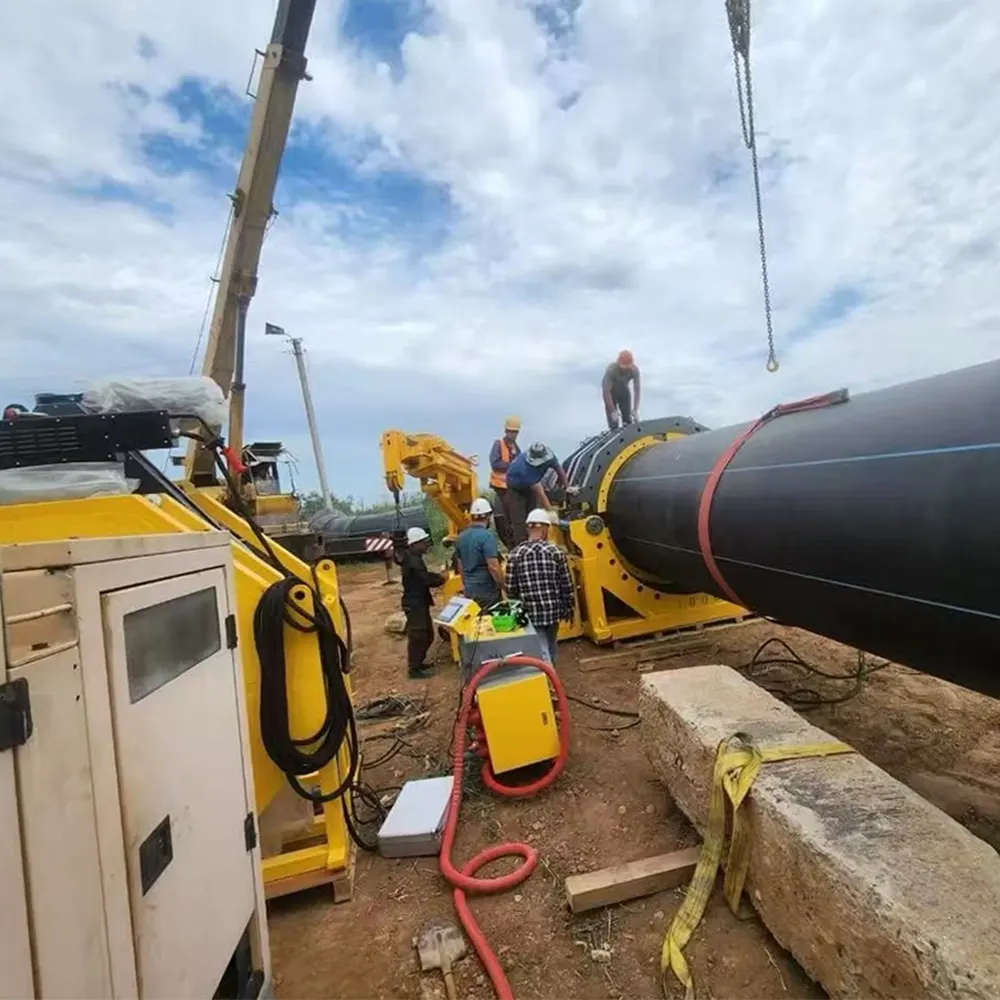
When it comes to large-diameter HDPE pipe installations, the welding process is the backbone of pipeline integrity. Whether you are managing a municipal water transmission project, a mining slurry line, or an industrial outfall system, the reliability of every joint directly impacts long-term performance. HDPE pipe welding equipment for large diameter projects must deliver consistent heating, precise alignment, and robust fusion pressure — especially when dealing with pipe diameters exceeding 630 mm. Selecting the right butt fusion technology is not just about matching machine capacity to pipe size; it is about understanding the mechanical demands of heavy-wall pipes and the operational environment of the job site.
This guide provides a comprehensive overview of the equipment categories, critical selection factors, and industry standards that govern large-diameter HDPE pipe welding. By the end, you will have a clear framework for evaluating machinery, ensuring operator safety, and achieving code-compliant fusion joints.
Understanding the Demands of Large-Diameter HDPE Welding
Welding pipes with diameters from 630 mm up to 2250 mm introduces challenges that simply do not exist with smaller diameters. The sheer mass of the pipe sections requires powerful hydraulic clamping and carriage systems. Even minor misalignment can create stress concentrations that lead to premature joint failure. Additionally, the heating phase demands exceptional temperature uniformity across the entire face of the pipe end, which becomes significantly more difficult as wall thickness increases.
Key operational demands include:
- High clamping force to overcome pipe drag and ovality during alignment
- Precision-controlled hydraulic pressure for both the heating and fusion phases
- Large-capacity facing tools capable of producing parallel, smooth end surfaces on heavy-wall pipes
- Stable, rigid frame structures that resist flexing under load
Types of HDPE Pipe Welding Equipment for Large Diameter Projects
The market offers several distinct categories of HDPE pipe welding equipment for large diameter projects. Each type serves different operational needs, from fully automated production environments to remote field installations where power sources are limited.
Hydraulic Butt Fusion Welding Machines
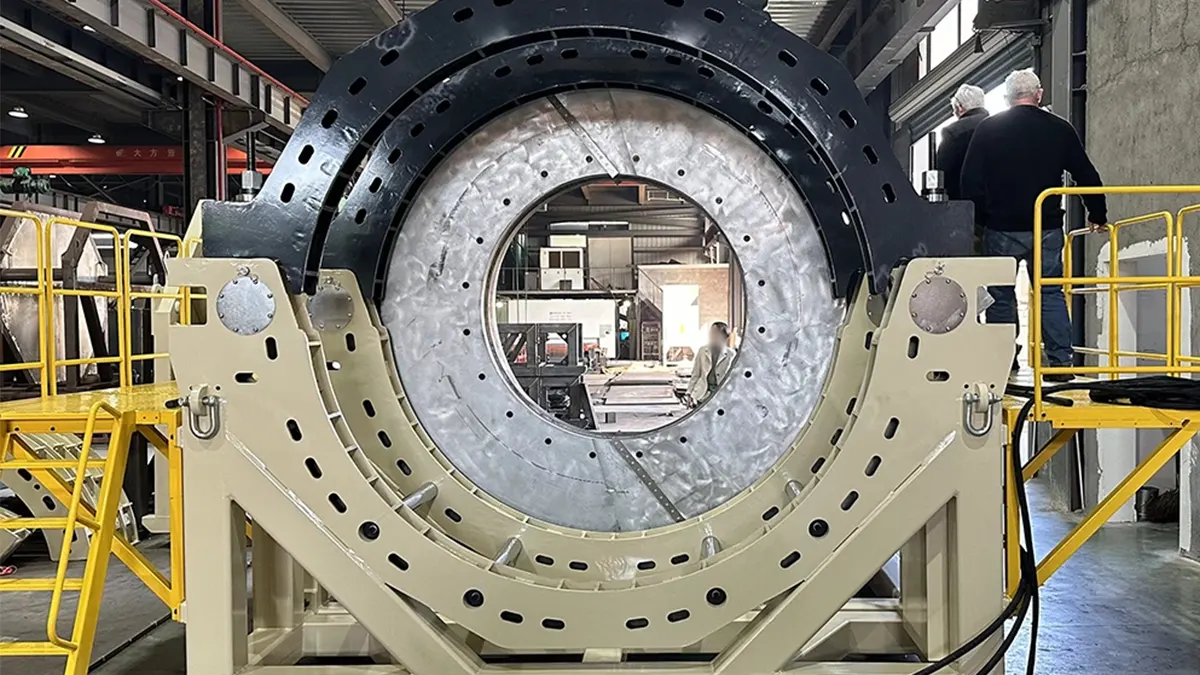
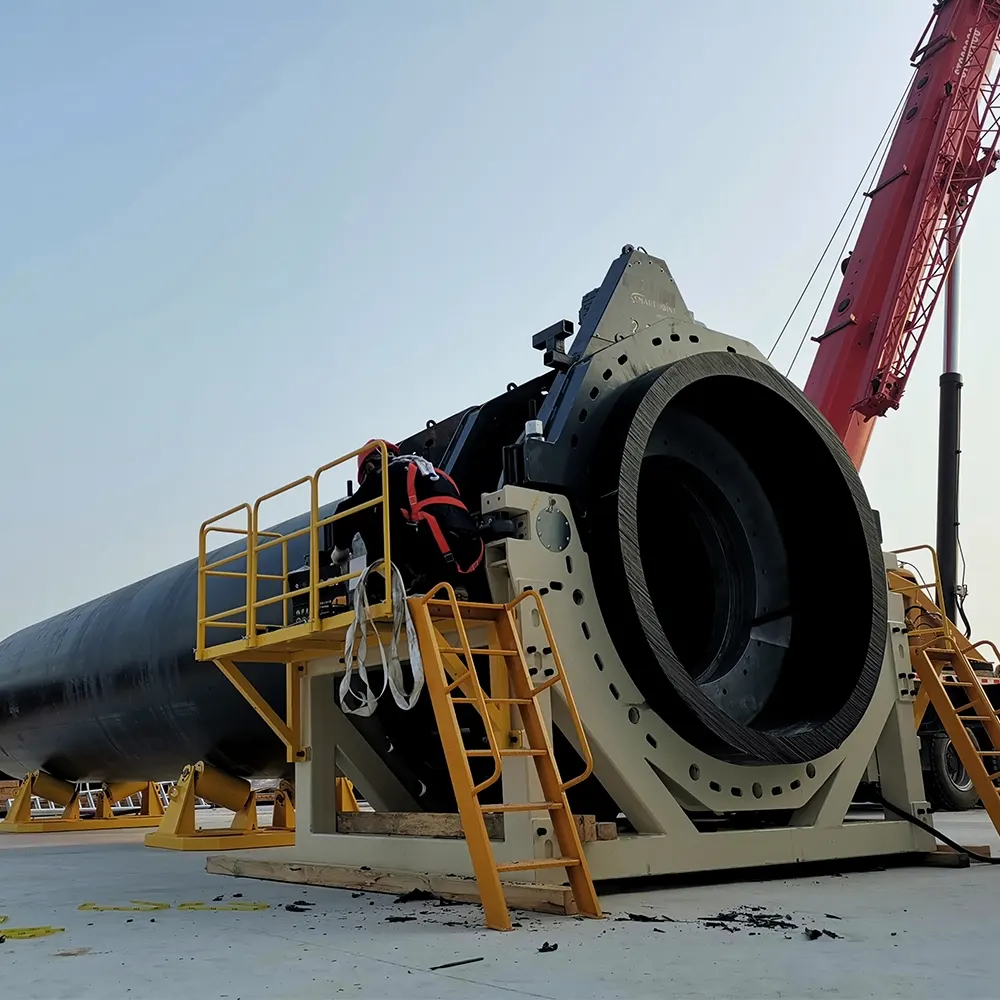
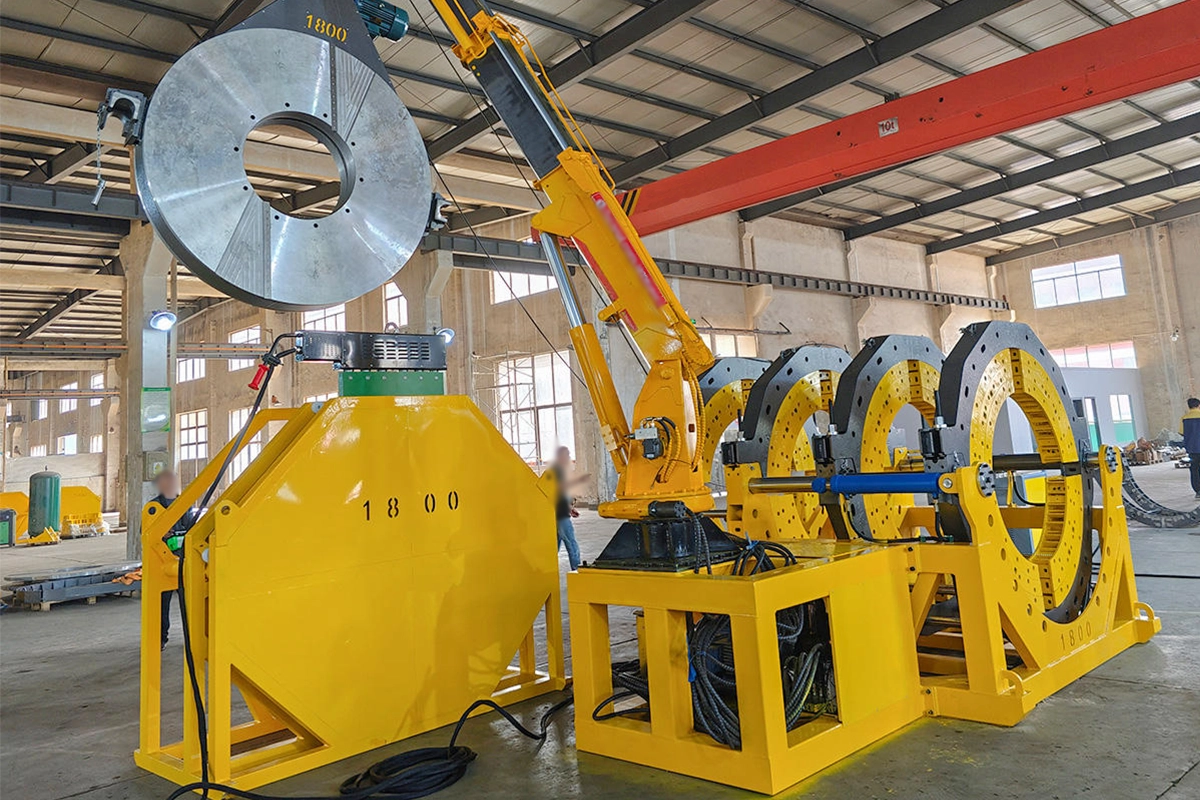
Hydraulic butt fusion machines are the workhorses of large-diameter pipeline construction. They utilize a hydraulic power unit to drive the moving carriage and apply controlled fusion pressure. For pipes above 800 mm, these machines typically feature multi-clamp configurations and robust steel frames. The hydraulic system allows for precise pressure regulation according to ISO 21307 butt fusion procedures, ensuring that the interfacial pressure during welding remains within the specified range.
Modern hydraulic machines often integrate data-logging capabilities, recording parameters such as heating time, soak pressure, and cooling duration. This traceability is essential for quality assurance documentation on critical infrastructure projects.
CNC Automatic Butt Fusion Welding Machines
For projects where repeatability and minimal operator intervention are priorities, CNC automatic butt fusion machines provide significant advantages. These systems automate the entire welding cycle — from facing and heating to fusion and cooling — based on pre-programmed parameters. The embedded control systems monitor temperature, time, and pressure in real time, adjusting automatically to maintain compliance with PE butt fusion equipment standards. This reduces the risk of human error and delivers highly consistent joint quality across hundreds of welds.
Critical Features to Evaluate in Welding Equipment
Not all HDPE pipe welding equipment for large diameter projects is built to the same standards. When comparing machines, several engineering and operational features deserve close attention.
| Feature | Why It Matters for Large Diameters |
|---|---|
| Frame Rigidity | Prevents misalignment under the weight of heavy pipes, ensuring butt joint concentricity |
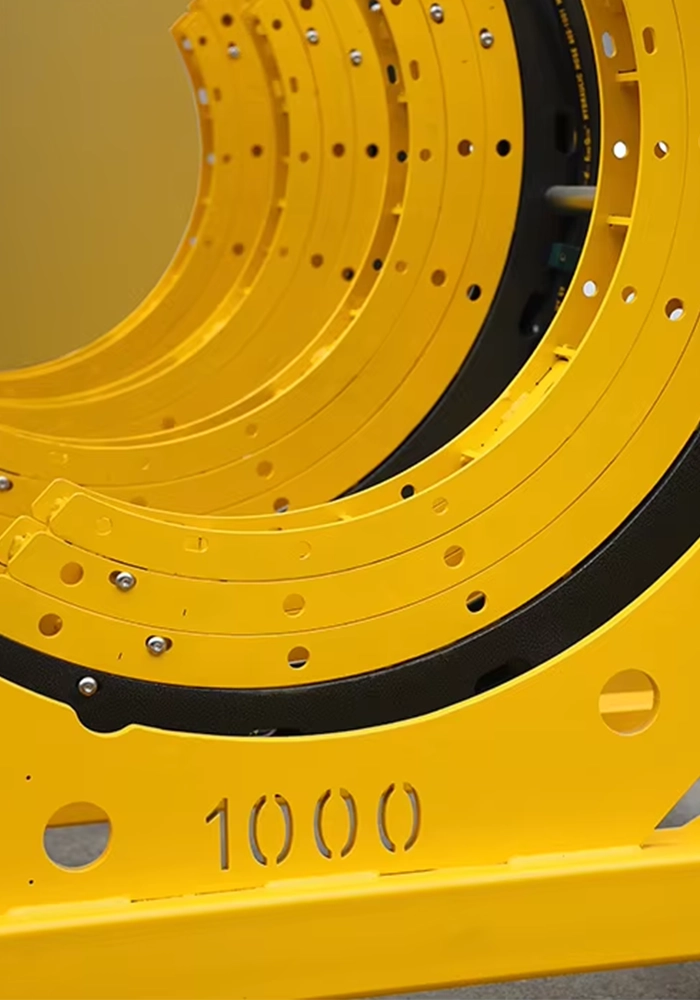
| Clamping System Design | Wraparound or multi-segment clamps distribute force evenly, reducing pipe deformation |
| Heating Plate Uniformity | PTFE-coated plates with precise temperature control across the entire surface area |
| Hydraulic Control Valves | Proportional valves enable smooth, surge-free movement essential for consistent fusion pressure |
| Data Logging & Traceability | Built-in recording for quality assurance and compliance with project specifications |
Additionally, consider the machine’s portability and setup time. Large-diameter equipment can weigh several tons, so integrated lifting points, modular frame designs, and quick-connect hydraulic couplings significantly reduce mobilization time on site.
Industry Standards and Compliance
Adherence to international standards is non-negotiable for large-diameter HDPE pipeline projects. The primary standards governing butt fusion welding include ISO 21307, which defines jointing procedures for polyethylene piping systems, and ASTM F2620, which covers heat fusion joining of PE pipe and fittings in the field. Equipment itself should comply with ISO 12176-1, specifying performance requirements for machines used in butt fusion.
Beyond equipment standards, operator qualification is equally critical. Certification programs aligned with ISO 12176-3 ensure that personnel are competent to execute and supervise fusion operations. Many project specifications now mandate that welding operators hold valid credentials, particularly on government-funded water and gas distribution networks.
Selecting the Right Equipment for Your Project Scope
Choosing the correct machine involves more than simply matching the maximum pipe diameter rating. You should evaluate the full range of pipe sizes the project will encounter and consider the wall thickness variations specified in the pipeline design. Machines rated for larger diameters can typically weld smaller pipes as well, but the clamping inserts and facing tool capacity must be verified.
Key selection steps include:
- Define your pipe range: Identify the minimum and maximum diameters and SDR values in your project scope
- Assess site conditions: Consider terrain, accessibility, and available power sources for hydraulic units
- Evaluate production rates: Match the machine’s cycle time capabilities with your daily welding targets
- Review after-sales support: Confirm spare parts availability and technical support responsiveness in your region
- Check compliance documentation: Ensure the equipment comes with necessary certifications and calibration records
Maintenance and Operator Training Best Practices
Even the most advanced HDPE pipe welding equipment for large diameter projects requires diligent maintenance to perform reliably. Daily inspections should cover the condition of heating plate surfaces, hydraulic hose integrity, and the cleanliness of guide rails and clamp inserts. Contamination on the heating plate, even a thin film of degraded polymer, can compromise heat transfer and lead to cold fusion joints.
Operator training should be treated as an ongoing investment rather than a one-time event. Comprehensive programs covering both the theoretical principles of PE butt fusion process and hands-on machine operation significantly reduce the incidence of defective joints. Regular refresher courses keep teams updated on evolving best practices and equipment updates.
Comparing Equipment Types at a Glance
| Equipment Type | Typical Diameter Range | Best Suited For |
|---|---|---|
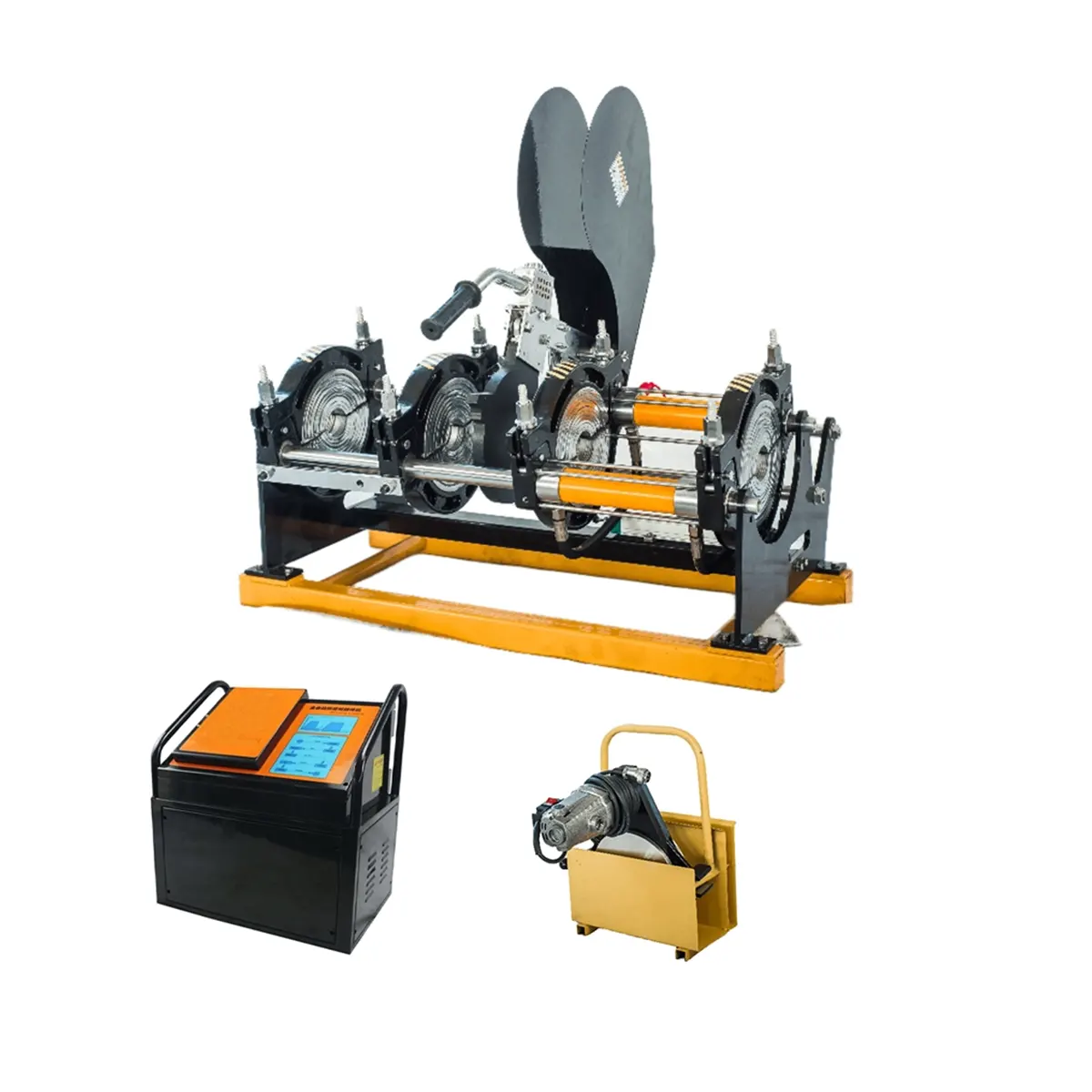
| Manual Butt Fusion | Up to 315 mm | Small-diameter branch lines, repair work |
| Hydraulic Butt Fusion | 160 mm – 2250 mm | Medium to very large diameters, field and plant use |
| CNC Automatic Butt Fusion | 160 mm – 630 mm | High-volume production, precision-critical applications |
| Multi-Angle Fitting Machines | Up to 1600 mm | Fabricated fittings, elbows, tees, and wyes |
For large-diameter infrastructure projects, hydraulic butt fusion machines remain the most versatile and widely adopted solution. Their ability to handle the broadest range of pipe sizes and site conditions makes them indispensable for contractors working on water transmission mains, sewage force mains, and industrial slurry pipelines. The PPI Handbook of Polyethylene Pipe provides extensive technical reference for engineers specifying these systems.
Ensuring Long-Term Joint Integrity
A properly executed butt fusion joint should be as strong as the pipe itself. Achieving this requires not only the right HDPE pipe welding equipment for large diameter projects but also strict adherence to procedural discipline. Key quality indicators include a uniform double bead on both sides of the joint, consistent bead width around the entire circumference, and the absence of voids, discoloration, or contamination at the fusion interface.
Post-weld inspection protocols, including visual examination and, where specified, non-destructive testing such as ultrasonic inspection, provide additional assurance. For critical applications, destructive testing of sample welds — performed under the same conditions as production joints — validates that the equipment, operator, and procedure are producing acceptable results.
Manufacturers specializing in HDPE pipe welding equipment play a pivotal role in supporting project success. JQ-Fusion, for example, is a professional manufacturer focusing on HDPE pipe welding machines, providing reliable butt fusion solutions for global infrastructure projects, with a product range covering manual, hydraulic, and CNC automatic systems for pipe sizes from small to large diameters.
Key Takeaways for Project Planners
- Match the machine to the pipe: Consider both diameter and wall thickness when selecting equipment capacity
- Prioritize frame rigidity and clamping design: These factors directly influence alignment quality and joint consistency
- Demand data logging capabilities: Traceable welding records are increasingly required for regulatory compliance
- Invest in operator training: Even the best equipment cannot compensate for inadequate operator skill
- Verify compliance with international standards: Equipment should meet ISO 12176-1 requirements and be supported by proper documentation
Selecting the appropriate HDPE pipe welding equipment for large diameter projects is a strategic decision that affects project timelines, budget, and long-term pipeline reliability. By understanding the equipment types, critical features, and applicable standards, project managers and contractors can make informed choices that deliver durable, leak-free piping systems. As pipeline diameters continue to increase to meet growing water and energy demands, the role of advanced fusion technology becomes ever more essential to global infrastructure development.



