
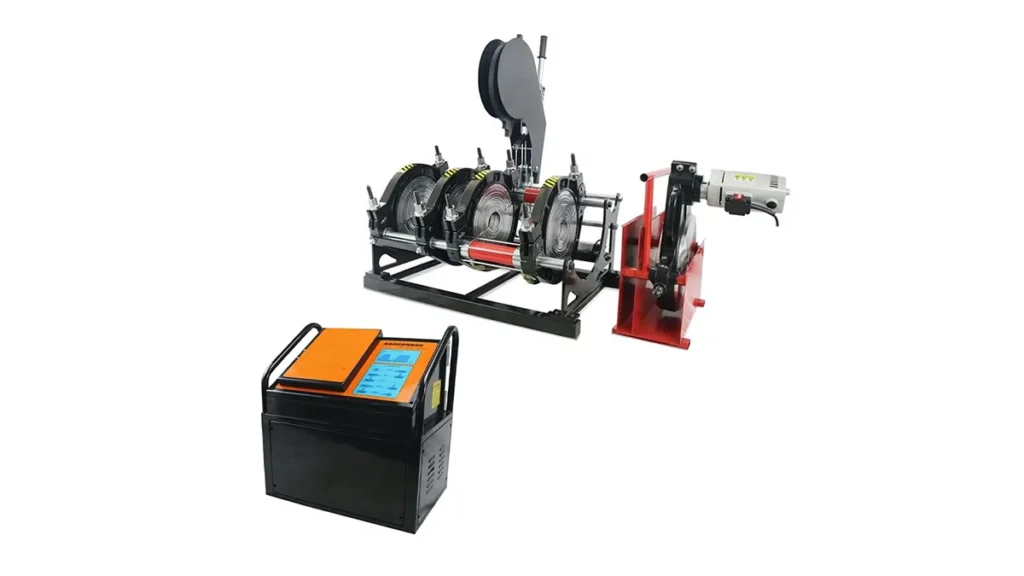
In modern agriculture, an efficient irrigation system is the backbone of productivity. At the heart of a durable and leak-free HDPE piping network lies one critical process: butt fusion welding. Selecting the best butt fusion machine for irrigation pipes is not merely a purchase—it is an investment in the long-term reliability of your water distribution infrastructure. Whether you are installing a sprawling sprinkler system for row crops or a drip irrigation network in an orchard, the integrity of your pipe joints determines water efficiency, energy costs, and maintenance overhead for decades. This comprehensive guide breaks down the features, sizes, and essential buying considerations to help you make an informed decision tailored to your agricultural project.
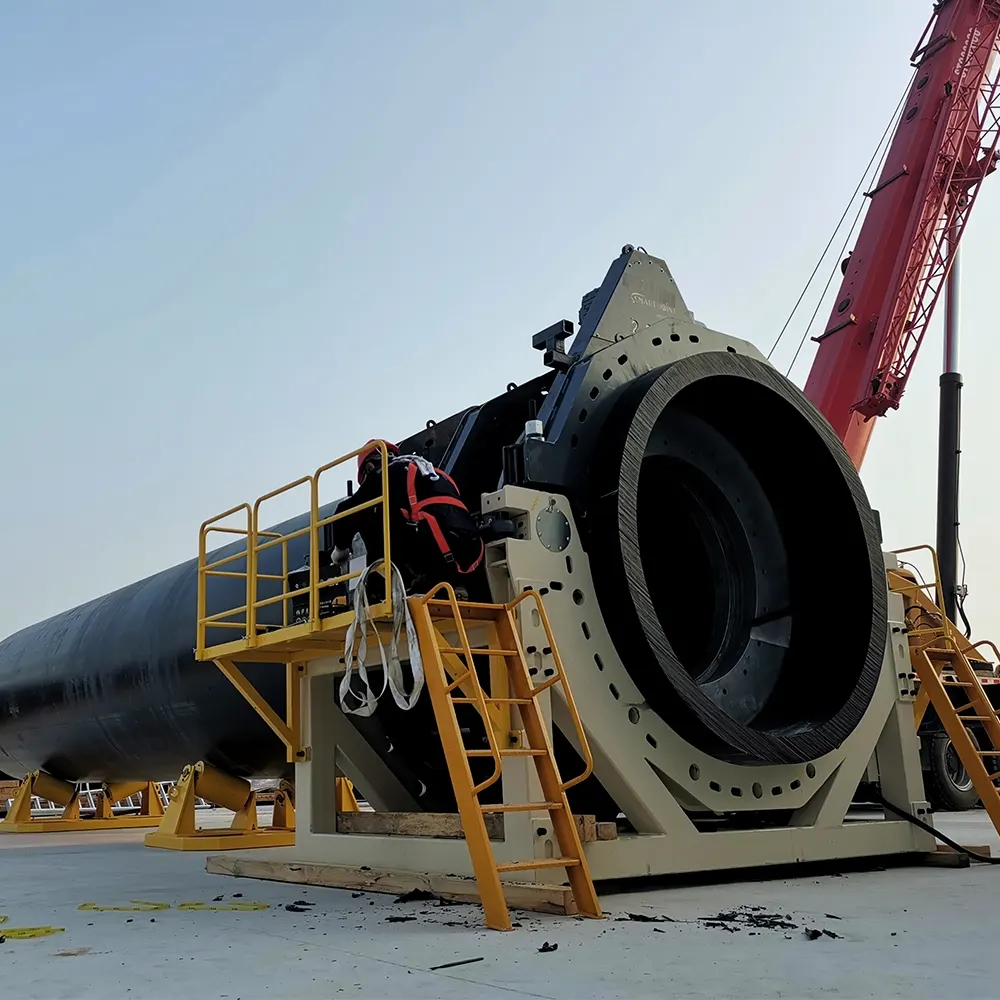
Why Butt Fusion Is the Gold Standard for Irrigation Pipelines
Irrigation systems demand piping solutions that can withstand constant pressure fluctuations, ground movement, and aggressive water chemistries. Unlike mechanical couplings that rely on gaskets or adhesives, butt fusion for irrigation pipes creates a homogeneous, monolithic joint by applying controlled heat and pressure to the pipe ends. The result is a joint that is as strong as—or stronger than—the pipe itself. According to ISO 21307 butt fusion procedures, standardized welding parameters ensure consistent joint integrity across all polyethylene grades. This method eliminates the risk of root intrusion at joints, prevents leaks in shifting soils, and significantly reduces the lifecycle costs of your irrigation system.
Key Features to Look for in a Butt Fusion Machine for Irrigation
When evaluating a butt fusion machine for irrigation pipes, you must focus on features that directly impact weld quality and field productivity. Not all machines are built for the demands of agricultural environments—dust, uneven terrain, and variable weather conditions test both equipment and operators daily. Prioritize these essential characteristics before making your selection.
Precision Clamping and Alignment System
A robust frame with four-point clamping ensures perfect axial alignment of the pipe ends. Look for machines with removable or quick-change clamp inserts that can accommodate different pipe diameters without sacrificing grip. Misalignment during the fusion cycle causes uneven bead formation and weakens the joint. Hydraulic butt fusion machines typically offer superior clamping force and alignment control compared to manual alternatives, especially on diameters above 200mm.
Teflon-Coated Heating Plate with Digital Temperature Control
The heating plate is the heart of the welding process. A high-quality non-stick PTFE (Teflon) coating prevents molten polyethylene from adhering to the surface, ensuring clean release and consistent heat transfer cycle after cycle. Digital temperature controllers maintain the heating plate within ±1°C of the setpoint, which is critical for maintaining the recommended welding temperatures outlined in PE butt fusion equipment standards. As agricultural work often occurs in extreme ambient temperatures, a machine with fast heat recovery and stable regulation saves hours of downtime.
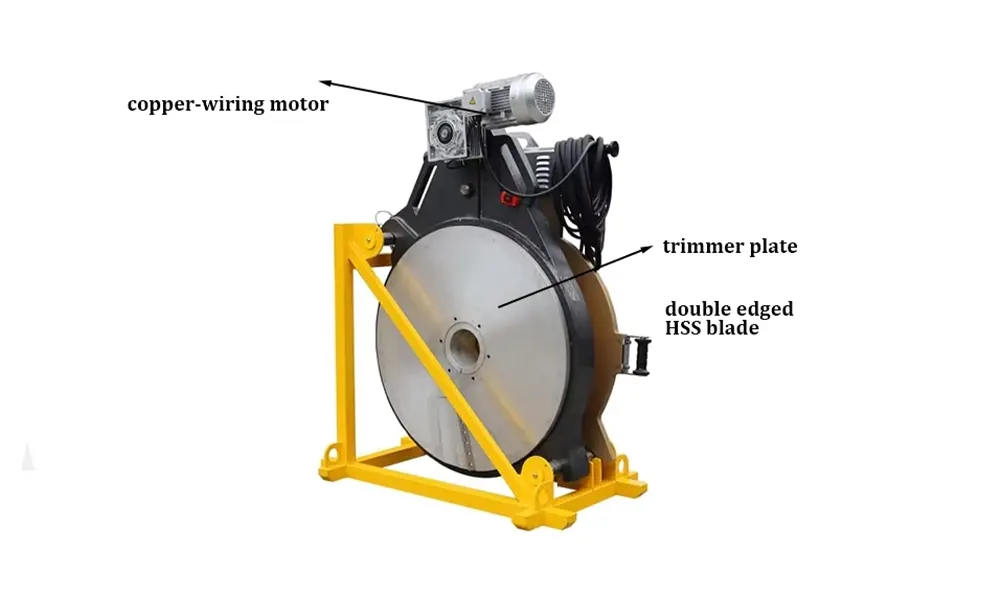
Powerful and Accurate Facing Tool
A dual-blade rotary facing tool shaves the pipe ends to create perfectly flat, parallel surfaces before heating. For irrigation applications, where pipe often carries sediments or has been exposed to UV for extended periods, a sharp and durable trimmer is indispensable. Look for machines where the facer is integrated into the frame or easily mounted without heavy lifting. The shavings should be thin and continuous, indicating sharp blades and correct pressure application.
Hydraulic vs. Manual Operation
Manual machines are cost-effective for smaller diameters (typically up to 315mm) and lighter-duty irrigation projects. However, for large-scale farms or mainline installations exceeding 400mm, a hydraulic butt fusion welding machine dramatically reduces operator fatigue and ensures consistent fusion pressure regardless of pipe size. The hydraulic power unit applies precise, measured force to move the pipe carriages, eliminating the variability inherent in hand-crank systems.
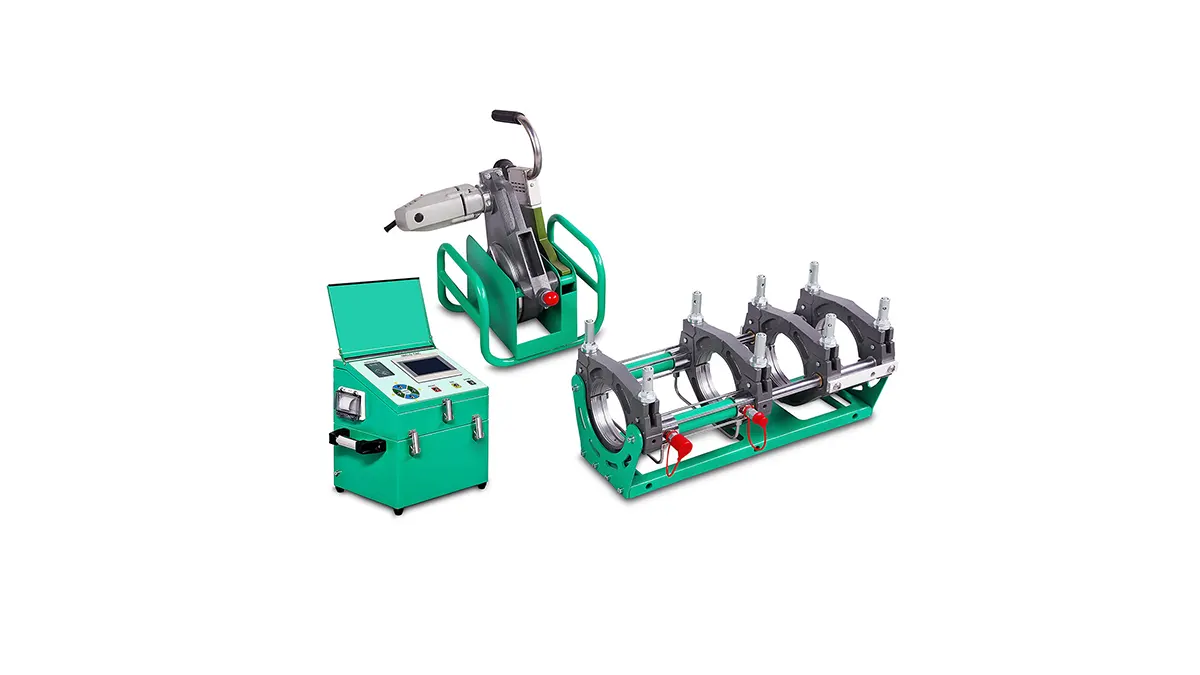
Common Sizes of Butt Fusion Machines for Agricultural Use
Irrigation piping ranges from small lateral lines to massive mainlines feeding centers pivots or pump stations. Selecting the correct machine size ensures you can weld every pipe in your system without compromising joint quality. Below is a reference table mapping common agricultural applications to recommended butt fusion machine capacity ranges.
| Irrigation Application | Typical Pipe Diameter Range | Recommended Machine Type | Machine Size Range |
|---|---|---|---|
| Drip Tape/Lateral Lines | 16mm – 63mm | Manual | 40mm – 160mm |
| Sub-main and Zone Lines | 75mm – 250mm | Manual or Hydraulic | 160mm – 315mm |
| Mainline Distribution | 280mm – 630mm | Hydraulic | 315mm – 630mm |
| Pump Station & Large-Scale Mainlines | 710mm – 2250mm | Heavy-Duty Hydraulic | 800mm – 2250mm |
Buying Guide: How to Choose the Right Butt Fusion Machine
With a clear understanding of features and sizes, you can now navigate the purchasing process strategically. Focus on these five criteria to avoid costly mistakes and ensure your irrigation project stays on schedule and within budget.
- Assess Your Project Scope: Inventory every pipe diameter in your irrigation plan. Choose a machine whose capacity range comfortably spans your largest and smallest pipes. Avoid pushing a machine to its absolute maximum diameter for daily production—leaving a 10-15% buffer enhances weld quality and machine longevity.
- Evaluate Field Conditions: Consider terrain, accessibility, and power availability. If your installation route crosses hills or remote areas, a lightweight manual machine with a sturdy frame may be more practical than a heavy hydraulic unit requiring a power source or generator.
- Verify Spare Parts and Service Support: A butt fusion machine for irrigation pipes is a long-term asset. Confirm that the supplier stocks common wear parts—heating plates, clamp inserts, trimmer blades, and hydraulic seals—and can ship them quickly. Downtime during irrigation season can jeopardize crop yields.
- Check for Certification and Traceability: Quality machines carry compliance marks against ISO 12176-1 equipment standards. Some advanced models feature data logging capabilities that record fusion parameters (temperature, pressure, time) for every joint, supporting quality assurance as recommended by PE fusion operator requirements.
- Consider Operator Training: Even the best machine produces substandard joints if operators are not properly trained. Invest in hands-on training from your equipment supplier and reference PPI butt fusion procedure guidelines to build internal competency.
Recommended Butt Fusion Machine Products for Irrigation
Based on field performance, reliability, and suitability for common irrigation pipe diameters, the following machines represent strong choices for agricultural contractors and farm operators. Each model balances durability, ease of use, and compliance with international welding standards.
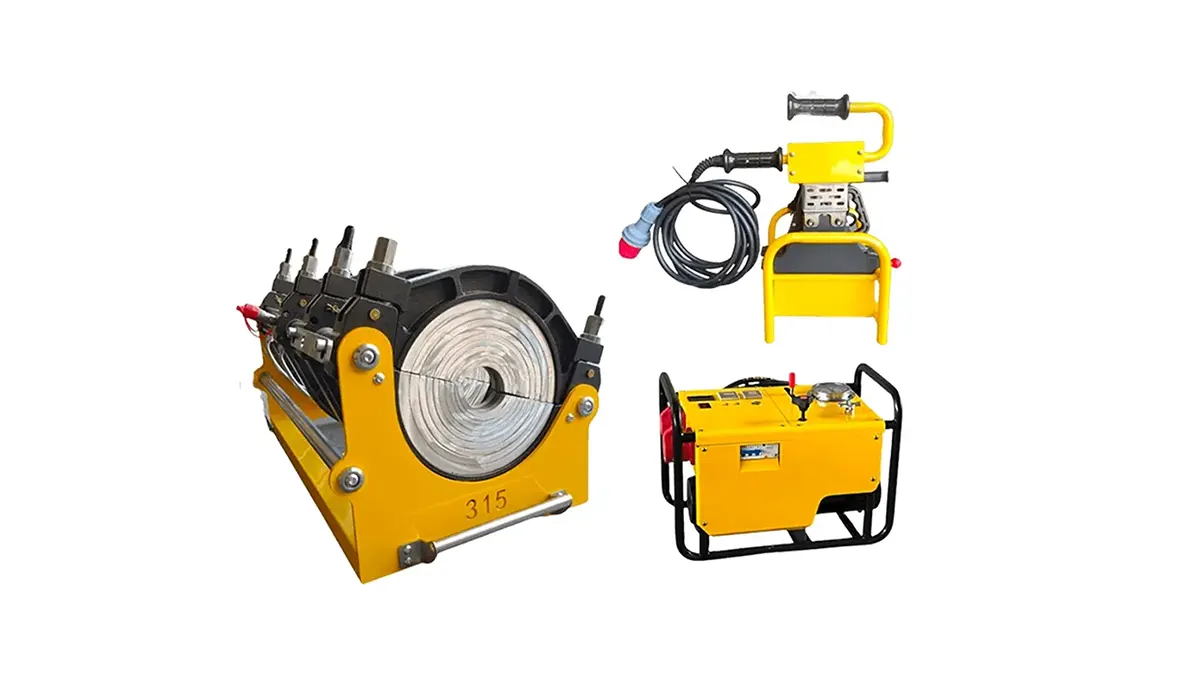
JQH315mm Hydraulic Butt Fusion Machine
Ideal for sub-main and medium mainline pipes up to 315mm. Rugged aluminum clamps and precise hydraulic control.
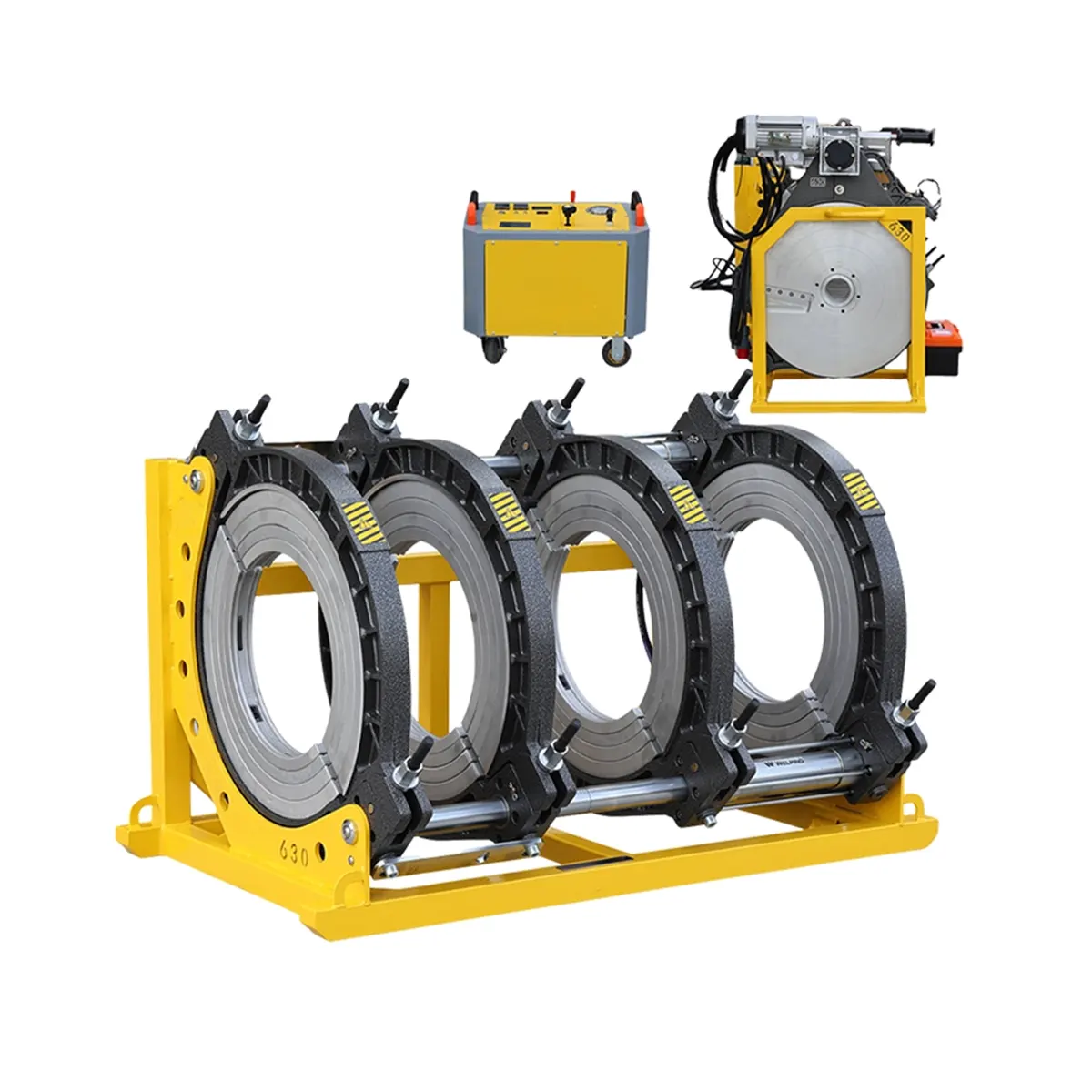
JQH630mm Hydraulic Butt Fusion Machine
Covers mainline distribution pipes from 315mm to 630mm. High-output heating plate for fast cycle times.
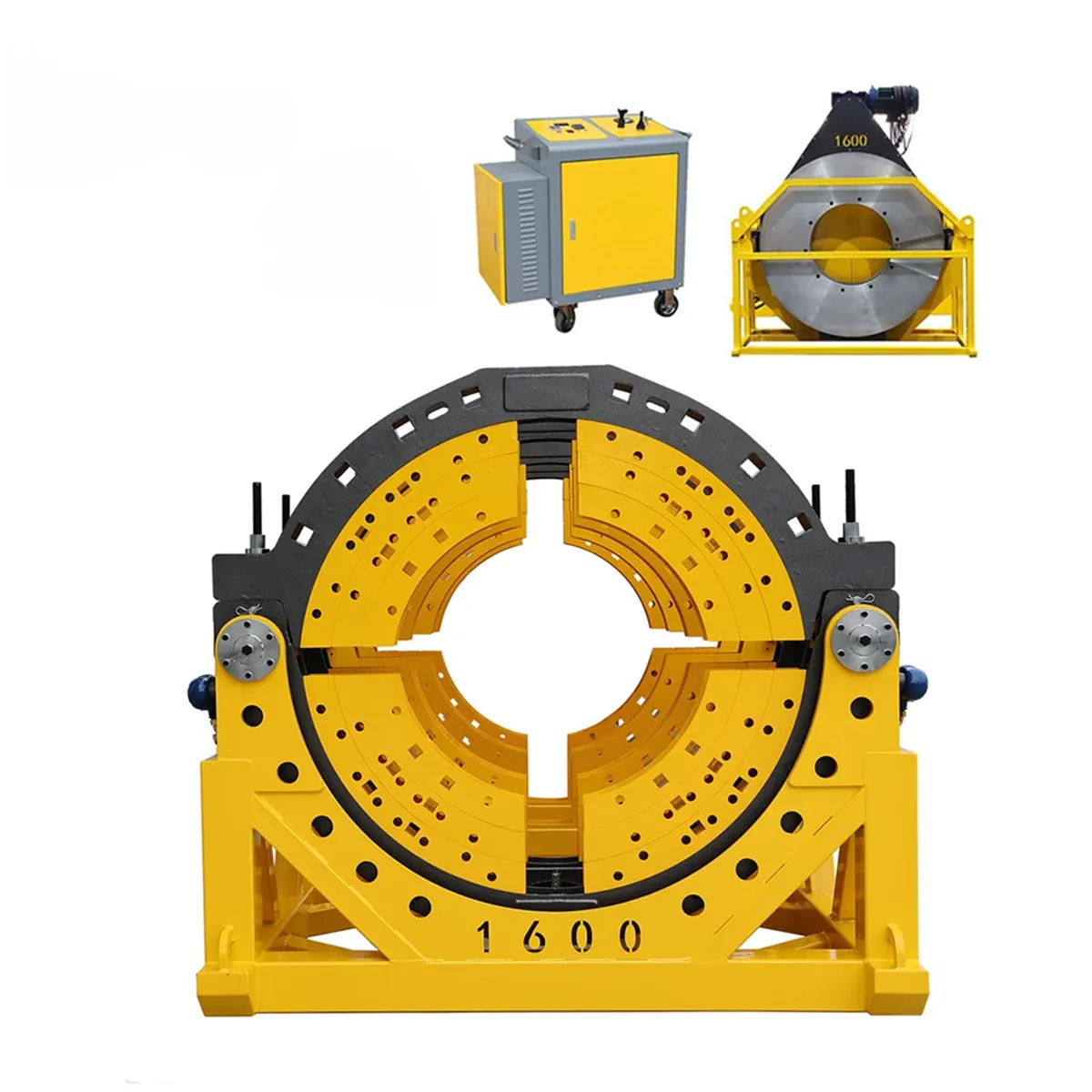
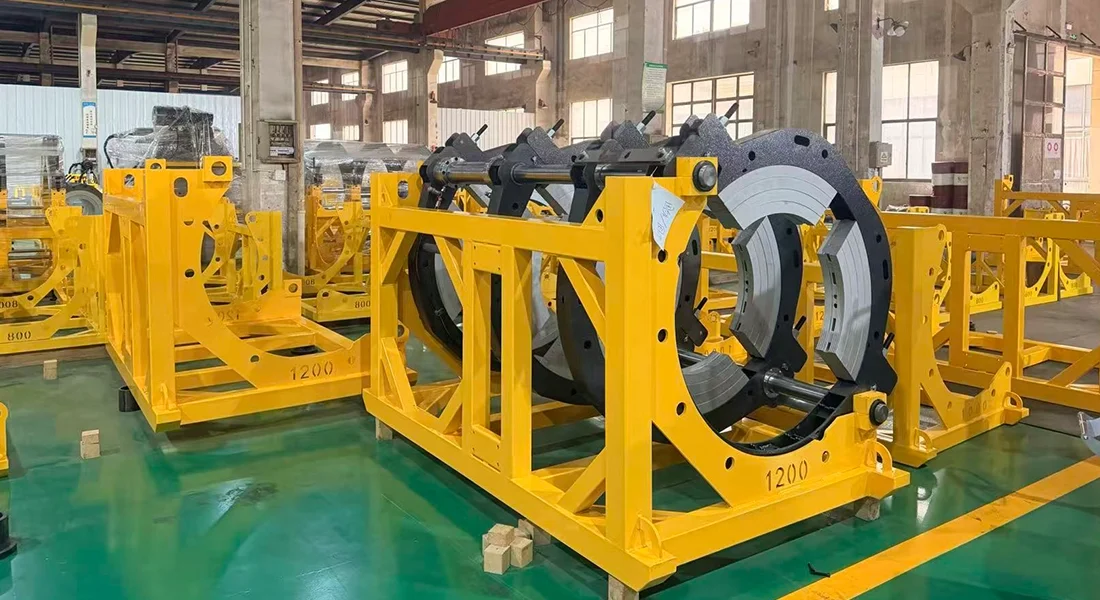
JQH1600mm Heavy-Duty Hydraulic Machine
Built for large-scale pump station and mainline work. Handles diameters up to 1600mm with structural rigidity.
Installation, Maintenance, and Safety Best Practices
Owning a reliable machine is only half the equation. Proper installation, routine maintenance, and strict safety protocols ensure sustained performance and operator protection throughout the irrigation construction season.
Daily Maintenance Routine
- Clean the heating plate non-stick surface with a soft, lint-free cloth before and after each use. Remove any polyethylene residue immediately.
- Inspect trimmer blades for nicks or dullness. Replace or sharpen as needed to maintain a clean facing cut.
- Lubricate carriage slide rods and pivot points according to the manufacturer’s instructions to prevent binding.
- Check hydraulic fluid levels and inspect hoses for abrasion or leaks before starting the day’s welding.
Safety Precautions
Always wear heat-resistant gloves and safety glasses when operating the heating plate, which reaches temperatures above 200°C. Secure loose clothing and tie back long hair. Ensure the work area is clear of tripping hazards and that pipe stands are stable, especially on sloped agricultural land. Never leave a heating plate unattended while powered on.
Why Quality Equipment Matters for Irrigation Longevity
Irrigation pipes laid in 2025 may be expected to perform for 50 years or more under continuous service. The fusion joints you create today must endure pressure cycling, water hammer, soil settlement, and temperature extremes without failure. Investing in a precision-engineered butt fusion machine for irrigation pipes ensures every single joint meets the stringent requirements of ISO 4427 PE water pipes and related standards. A subpar machine that produces inconsistent bead dimensions or underheated joints will inevitably lead to field failures, excavation costs, and crop water stress events that far outweigh the initial equipment savings.
About JQ-Fusion
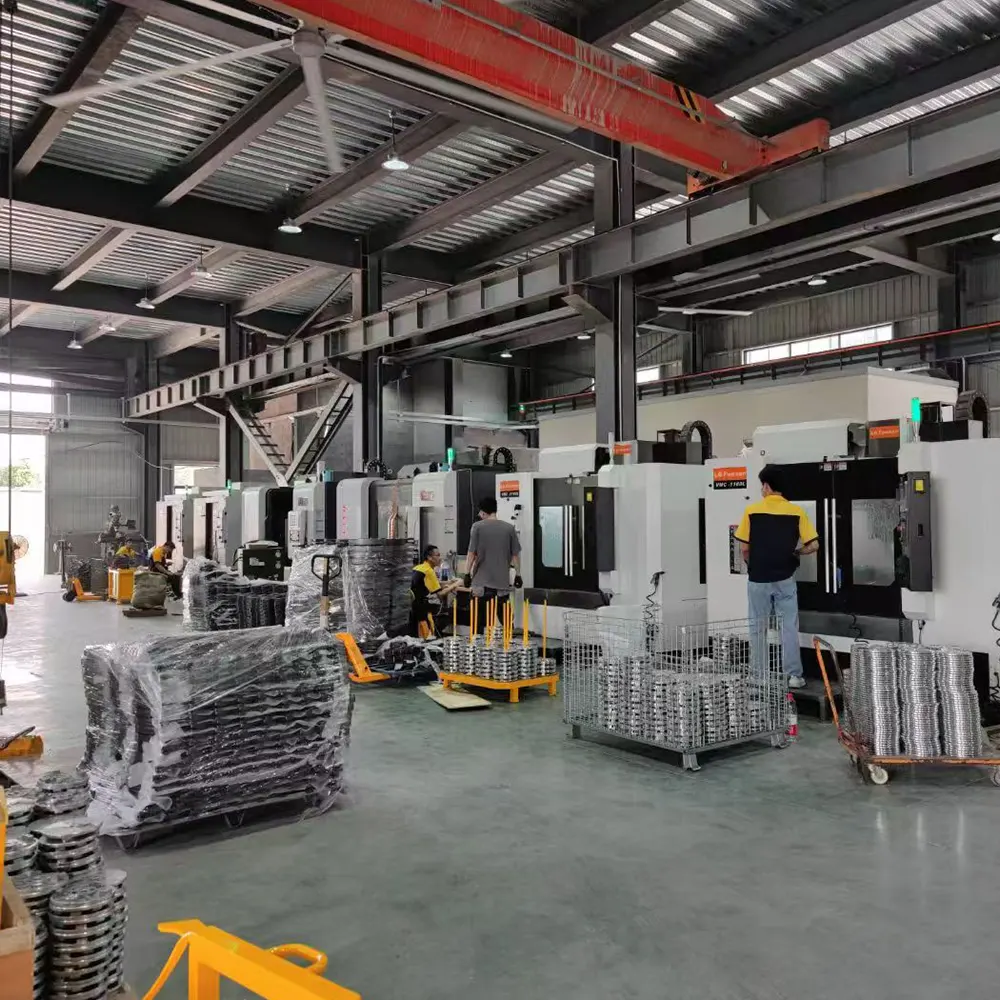
JQ-Fusion is a professional manufacturer specializing in HDPE pipe welding machines, providing reliable butt fusion solutions for global infrastructure projects. With years of industry experience, we focus on the development and production of manual, hydraulic, and CNC automatic butt fusion welding machines, covering a wide range of pipe sizes from small to large diameters. Our products are widely used in water supply, gas distribution, mining, and industrial pipeline systems.
We are committed to delivering high-quality, durable, and customizable welding equipment to meet diverse project requirements. Supported by advanced manufacturing facilities, strict quality control processes, and a responsive service team, JQ-Fusion has built long-term partnerships with distributors and contractors worldwide. From standard models to tailored solutions, we help our clients achieve efficient, precise, and reliable pipe welding performance.
Contact Information
Email: info@jq-plasticpipe.com
Phone: +86 15093385787
Address: Zhengzhou, Henan, China



