
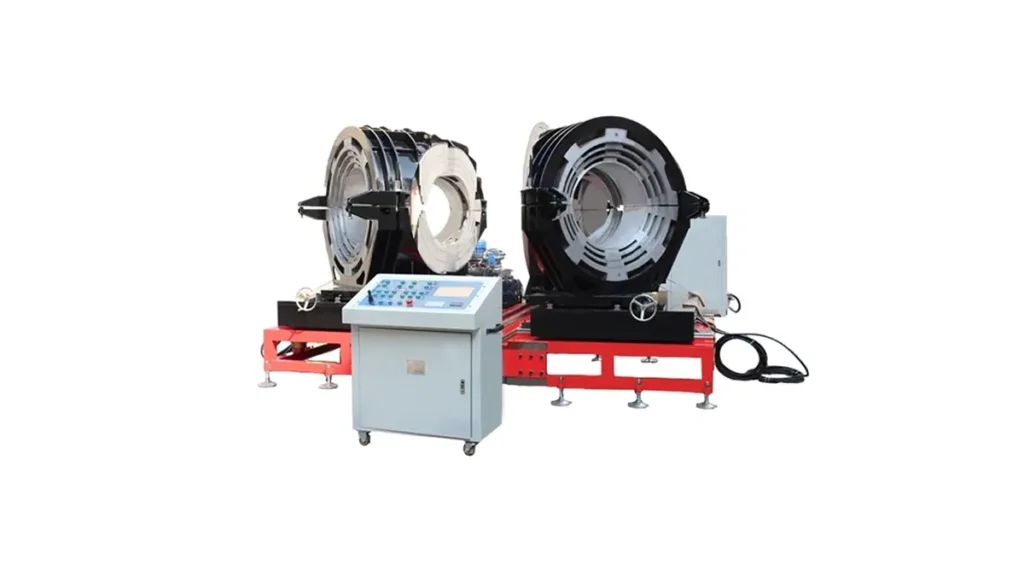
In today’s interconnected global infrastructure landscape, the integrity of municipal water supplies, industrial mining operations, and long-distance gas distribution networks relies on one critical factor: the quality of your HDPE pipe welding equipment for export projects. Whether you are a contractor scaling operations overseas or a distributor sourcing for government tenders, selecting the right fusion technology ensures compliance with rigorous international benchmarks. This guide explores the essential equipment categories, the importance of standards like ISO 21307 butt fusion procedures, and the logistical nuances of global procurement.
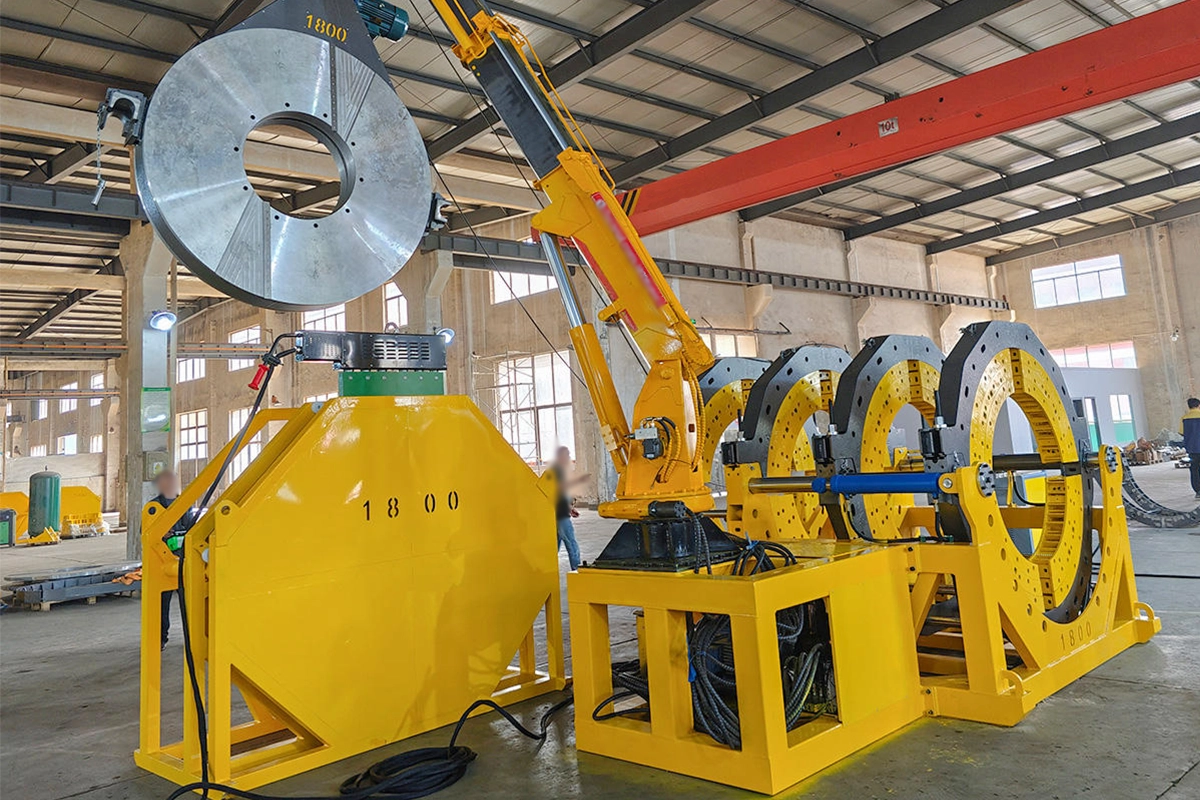
Key Considerations for Export-Ready Welding Machinery
Not all fabrication tools are built for the demands of international shipping and varied site conditions. When evaluating HDPE pipe welding equipment for export projects, prioritizing advanced engineering and adaptability is essential. First, universal voltage compatibility and motor protection are vital; machines designed for export must handle fluctuating field power without compromising the PE butt fusion equipment standard. Furthermore, the structural rigidity of the frame and the precision of the heating plate directly influence bead uniformity, reducing the risk of joint failure in critical service lines. You won’t just be shipping a machine; you will be deploying a guarantee of pipeline longevity.
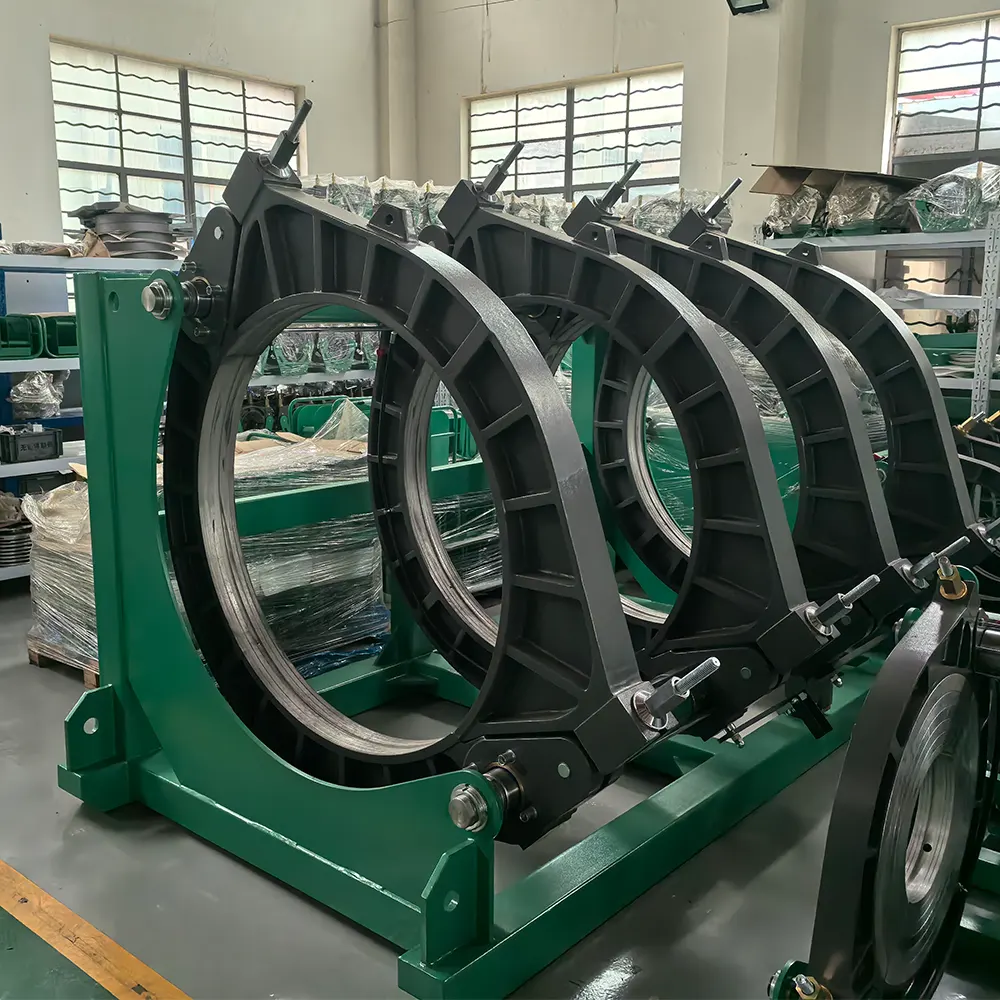
Strategic Procurement for International Pipeline Projects
Managing the supply chain for heavy-machinery export requires a holistic view of logistics and after-sales ecosystems. The best suppliers of HDPE pipe welding equipment for export projects maintain substantial ready-to-ship inventories to shorten lead times for urgent infrastructure demands. Beyond the initial purchase, consider the availability of essential spare parts and remote technical guidance. A partner well-versed in global logistics will offer optimized packing solutions—often fully enclosed wooden crates with moisture protection—ensuring that your what is HDPE butt fusion tools arrive in mint condition, ready to handle demanding schedules without calibration delays.
| Equipment Category | Core Advantage | Ideal Export Application |
|---|---|---|
| Hydraulic Butt Fusion | High-pressure clamping, effortless heavy-wall handling | Water supply, gas mains, and outfall pipelines |
| CNC Automatic Fusion | Data logging, minimized operator error | Strictly regulated municipal contracts |
| Manual Fusion Machines | Portable, rugged, extremely cost-effective | Remote sites, rural electrification, small diameters |
| Electrofusion Processors | Traceable joint data, complex fitting systems | Trenchless repairs and gas distribution networks |
Tailored Configurations for Diverse Global Markets
Navigating customs and regional regulations doesn’t have to be a bottleneck. Countries across the Middle East, Africa, and Southeast Asia often have unique validation requirements for imported machinery. A robust export strategy involves sourcing adjustable HDPE pipe welding equipment for export projects that can be customized with specific certification plaques or multilingual control panels. For instance, aligning with ASTM F2620 heat fusion practices is non-negotiable for many tenders, and the equipment’s ability to consistently meet these standards determines the success of your international bids.
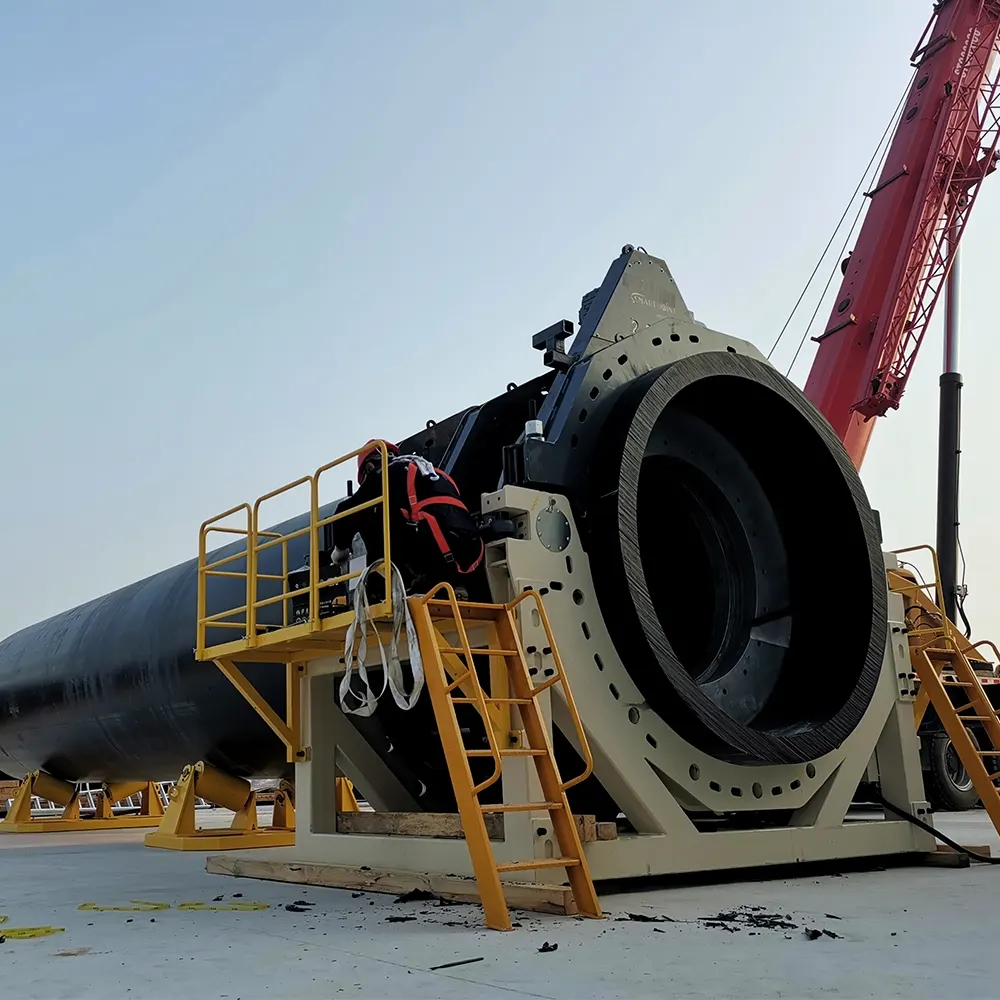
Essential Features of High-Performance Fusion Equipment
- Rigid Clamping Systems: Essential to prevent pipe slippage during cooling, keeping wall thickness alignment flawless.
- Precision Heating Elements: Uniform Teflon-coated plates ensure exact temperature distribution for lasting PE butt fusion process reliability.
- All-Terrain Mobility: Exchangeable wheel kits and lifting lugs greatly simplify placement on challenging global project sites.
- Smart Control Interfaces: User-friendly digital stations store weld logs, vital for cross-border contractor accountability and project handovers.
Frequently Asked Export Project Questions
Q: What diameters should we prioritize for export-oriented pipe fusion projects?
Export projects often split between mid-range (160mm-500mm) for municipal distribution and large-diameter (630mm-2250mm) for bulk water transfer. Procuring flexible machinery that simplifies transitions between sizes ensures you capture broader contract opportunities without tooling redundancy.
Q: How can we ensure a steady supply of spares for remote operations?
Work closely with a manufacturer that maintains deep inventories of heaters, trimmers, and hydraulic seals. Fast dispatch capability is crucial to prevent standing-time penalties, no matter how distant the worksite or how urgent the delivery.
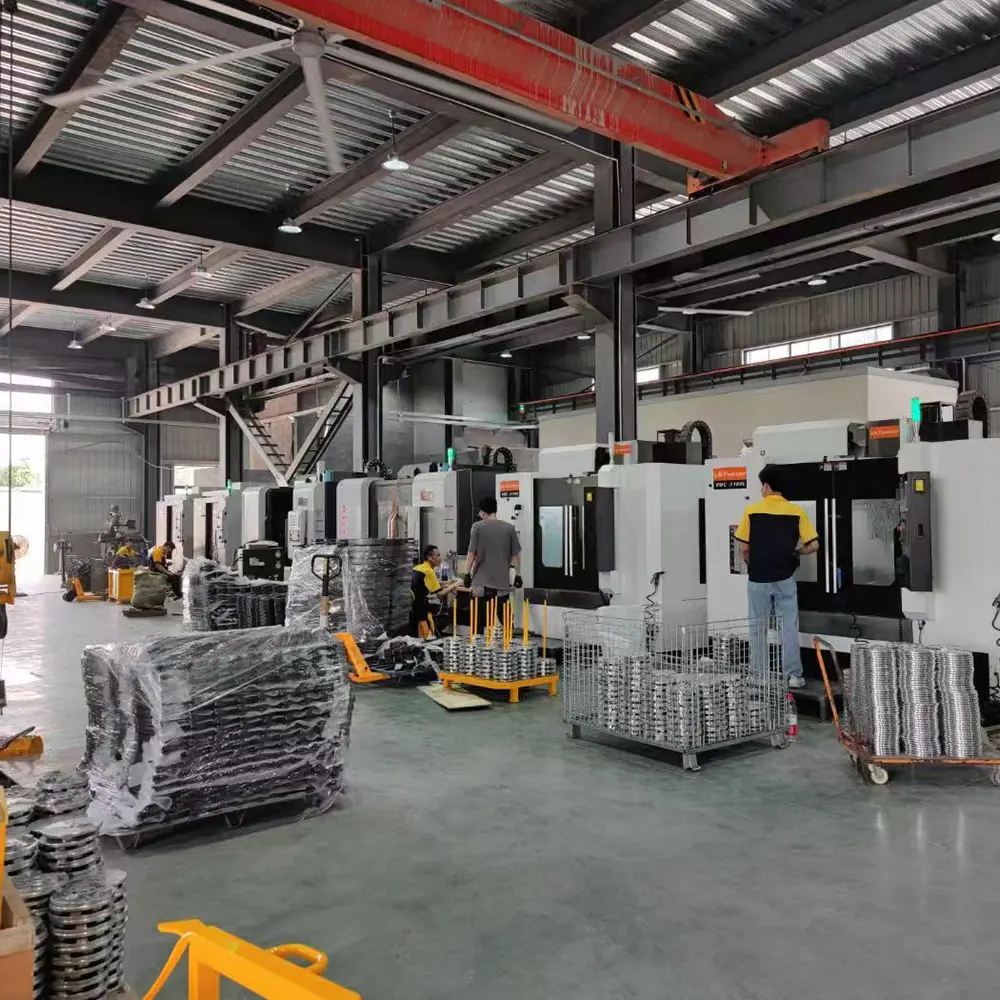
At JQ-Fusion, our engineering focus centers on delivering robust and adaptable fusion solutions that simplify the complexities of global shipping and remote installation. By integrating heavy-duty structural design with export-focused documentation, we help contractors and distributors achieve flawless welding integrity on every continent.
Reliable Global Support and Lasting Project Value
Mastering international pipeline delivery is not just about the initial capital outlay; it’s about lifetime operational efficiency. Worldwide shipment of HDPE pipe welding equipment for export projects should always include clear assembly documentation and direct access to senior technical support for troubleshooting. By securing equipment that seamlessly meshes with documented fusion frameworks, you protect your project margins and reputation, ensuring that every joint—from a remote high-plains distribution line to a dense urban subway network—remains absolutely leak-free and permanently sealed.



