
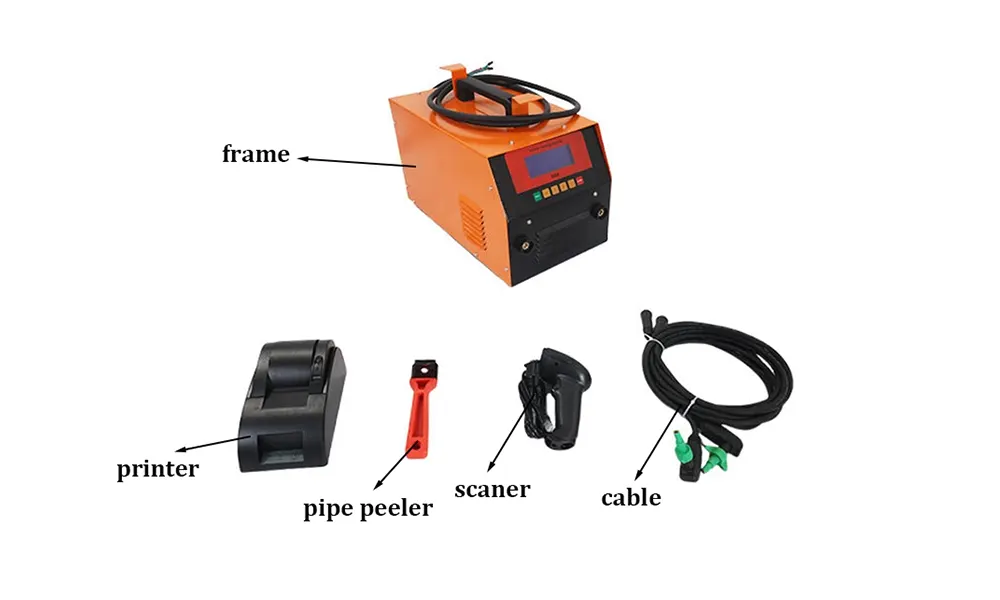
Whether you operate a fusion welding machine on a daily basis or keep it ready for periodic pipeline projects, a structured maintenance routine is the foundation of consistent weld quality. Neglecting routine care leads to misaligned joints, overheating, and premature component failure — all of which translate into costly downtime and potential pipeline integrity risks. This guide covers the essential steps to keep your equipment performing reliably across every job site.
Why Regular Fusion Welding Machine Maintenance Matters
A well-maintained butt fusion welding machine produces strong, leak-free joints that meet international standards. When heating plates lose calibration, trimmer blades dull, or hydraulic seals degrade, the welding parameters drift outside acceptable ranges. The result is often weak fusion joints that may fail under pressure testing or, worse, during actual service. By implementing a consistent maintenance program, you protect your investment and ensure every weld meets the requirements outlined in ISO 21307 butt fusion procedures.
Daily Pre-Operation Inspection Checklist
Before starting any welding work, perform these quick checks to catch issues early. These steps apply to hydraulic butt fusion machines, manual models, and CNC automatic systems alike.
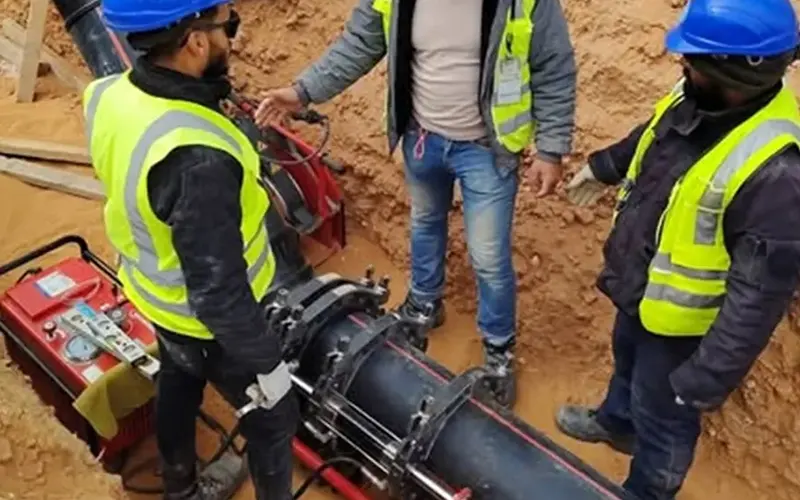
- Heating plate surface: Inspect the PTFE coating for scratches, debris, or discoloration. A damaged coating causes uneven heat transfer.
- Temperature calibration: Verify the actual plate temperature with a calibrated digital thermometer. Deviation should be within ±5°C of the set point.
- Trimmer blades: Check for sharpness and secure mounting. Dull blades create rough pipe ends that compromise fusion quality.
- Hydraulic hoses and fittings: Look for leaks, cracks, or loose connections. Even a small leak affects clamping pressure consistency.
- Frame alignment: Ensure clamps move freely without binding and that the carriage slides smoothly along the guide rails.
- Electrical connections: Inspect power cords and plugs for damage. For CNC automatic butt fusion machines, check the control panel display for error codes.
Critical Component Care for Fusion Welding Machines
Each major component of your fusion welding equipment requires specific attention. Below, we break down the maintenance tasks for the most critical parts.
Heating Plate Maintenance
The heating plate is the heart of the butt fusion process. A contaminated or miscalibrated plate directly compromises weld integrity. After each use, clean the plate surfaces with a non-abrasive cloth while the plate is still warm — never use metal scrapers that can scratch the PTFE coating. Store the plate in a protective cover when not in use, and schedule monthly temperature verification using a contact thermometer across multiple points on both plate faces. Refer to the PPI butt fusion procedure for detailed heating parameters.
Trimmer Blade Care
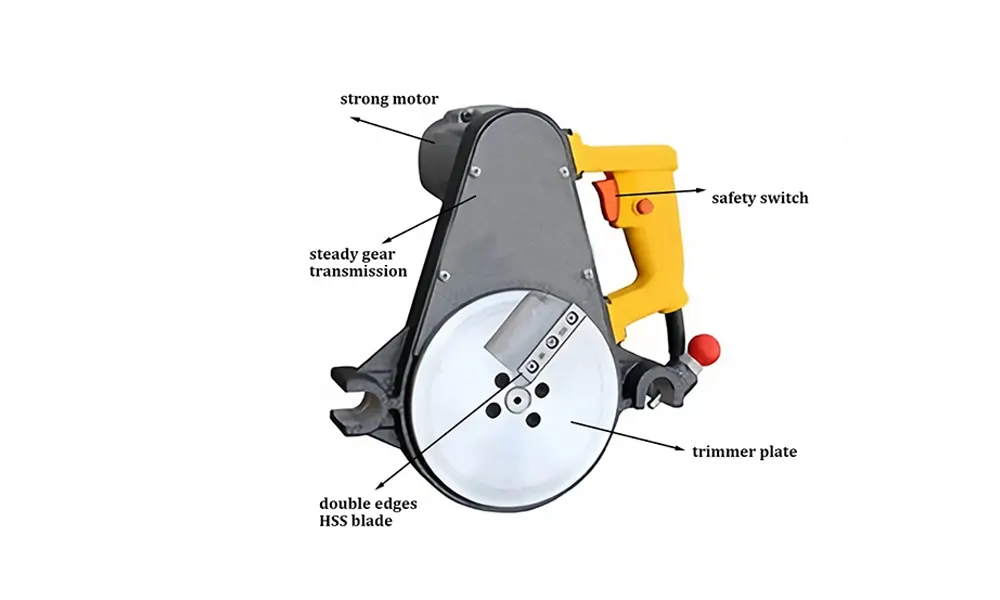
A sharp, properly adjusted trimmer produces smooth pipe ends that mate perfectly during the fusion cycle. Inspect blades weekly for nicks or dullness. Rotate or replace blades as needed — most manufacturers recommend replacement after approximately 500 to 800 facing operations, depending on pipe material and diameter. Always tighten blade mounting bolts to the torque specified in your equipment manual. Loose blades create uneven cutting that leads to misaligned fusion joints.
Hydraulic System Upkeep
Hydraulic systems on butt fusion welding equipment require clean oil and properly functioning seals to maintain accurate pressure delivery. Check the hydraulic oil level monthly and replace it according to the manufacturer’s schedule — typically every 1,000 operating hours or annually. Inspect cylinder rods for scoring or corrosion, and operate the system through its full range monthly to distribute lubrication and prevent seal drying.
Clamp and Frame Alignment
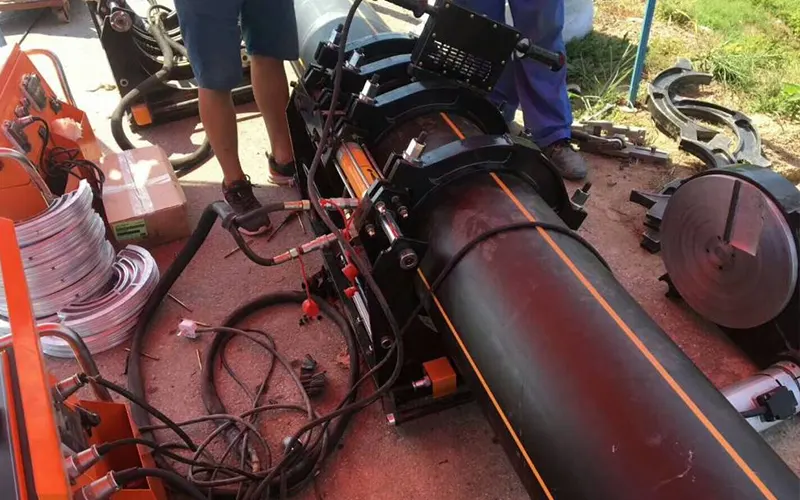
Misaligned clamps are one of the most common causes of joint failure in HDPE pipe welding. Check clamp jaw alignment monthly using a straight edge or laser alignment tool. Clean the guide rails and apply a light machine oil to prevent corrosion and ensure smooth carriage movement. For machines used in sandy or dusty environments, increase the cleaning frequency to weekly to prevent abrasive particles from wearing the sliding surfaces.
Recommended Maintenance Schedule
Following a structured schedule ensures no critical task is overlooked. The table below summarizes the recommended intervals for each maintenance activity. Adhering to these guidelines helps meet the standards set by ASTM F2620 heat fusion practices.
| Frequency | Maintenance Task | Key Focus Area |
|---|---|---|
| Daily | Clean heating plate surfaces, inspect for coating damage | PTFE coating integrity |
| Weekly | Check trimmer blade sharpness, inspect hydraulic hoses | Blade condition, leak detection |
| Monthly | Verify temperature calibration, check clamp alignment, inspect guide rails | Calibration accuracy, mechanical alignment |
| Quarterly | Inspect hydraulic cylinders, test pressure relief valves, check electrical wiring | Hydraulic performance, electrical safety |
| Annually | Replace hydraulic oil, full calibration audit, replace worn seals | Complete system refresh |
Common Fusion Welding Machine Issues and Troubleshooting
Even with regular maintenance, operators may encounter occasional issues. Here are the most frequent problems and their likely causes:
- Uneven bead formation: Often caused by misaligned clamps, incorrect heating plate temperature, or insufficient soak time. Verify alignment and recalibrate the temperature controller.
- Excessive drag during carriage movement: Indicates dirty or dry guide rails. Clean thoroughly and apply appropriate lubrication.
- Inconsistent fusion pressure: Check for hydraulic fluid contamination, air in the system, or worn pump seals. Bleed the system and replace fluid if necessary.
- Overheating or temperature fluctuation: A faulty thermocouple or damaged heating element is usually responsible. Test the control circuit and replace defective components promptly.
- Excessive trimmer vibration: Loose mounting bolts or unbalanced blades cause vibration. Tighten all fasteners and inspect blades for uneven wear.
Professional Servicing and Support
While daily and weekly checks can be handled by trained operators, certain maintenance tasks benefit from professional servicing. Annual calibration audits, hydraulic system rebuilds, and electrical diagnostics require specialized tools and expertise. For HDPE pipe welding equipment used in critical infrastructure such as gas distribution or water supply networks, professional servicing ensures compliance with industry regulations and extends the operational life of your machinery.
As a professional manufacturer, JQ-Fusion provides comprehensive support including spare parts, technical guidance, and maintenance training. Whether you operate manual, hydraulic, or fully automatic fusion welding machines, having access to expert after-sales care keeps your projects on schedule and your welds meeting the highest standards.



