
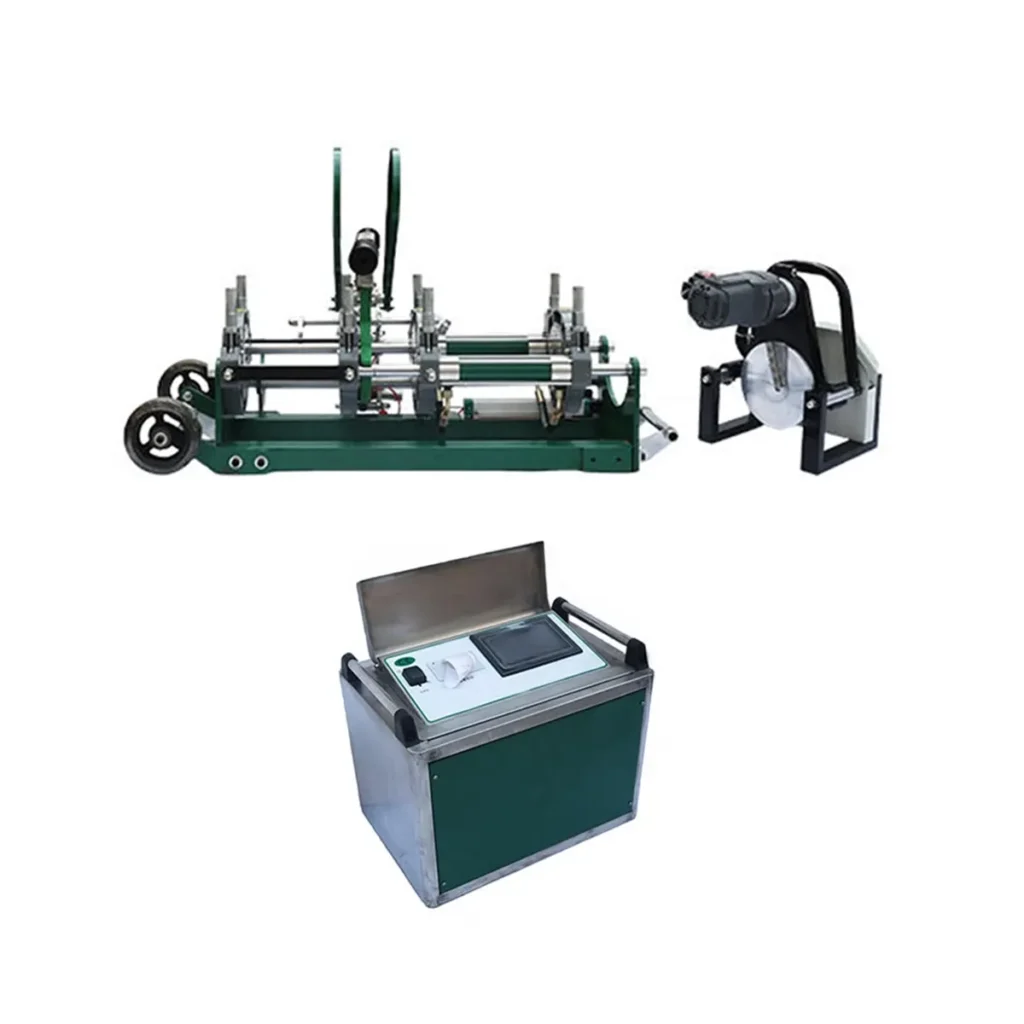
Finding a reliable poly pipe welder supplier in Russia means choosing equipment that performs in extreme temperatures, meets local standards, and supports projects from urban utilities to remote oilfield installations. This guide helps Russian contractors, municipal engineers, and pipeline fabricators evaluate butt fusion welding solutions for HDPE, PP and other thermoplastic pipelines.
Local Needs and Industry Focus in Russia
Russia’s infrastructure projects often face harsh climates, long transport routes and strict technical regulations. Municipal water networks in Siberia, regional gas distribution in the Urals, and mining operations in the Far East all demand machines that deliver consistent, leak-free joints. When assessing suppliers, consider equipment resilience, spares availability, and documentation compatible with Russian GOST or customer-specific standards.
Types of Butt Fusion Machines Suitable for Russian Projects
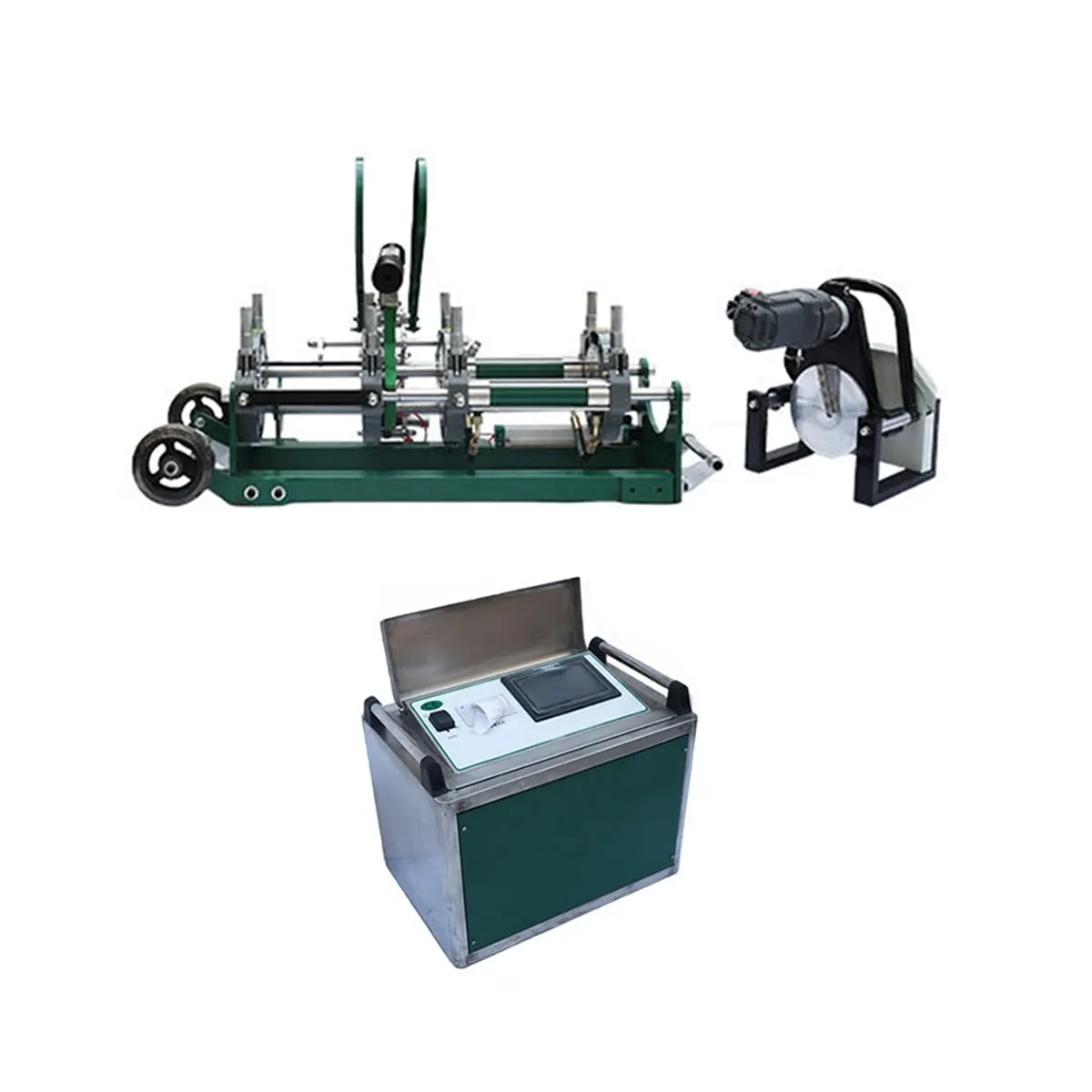
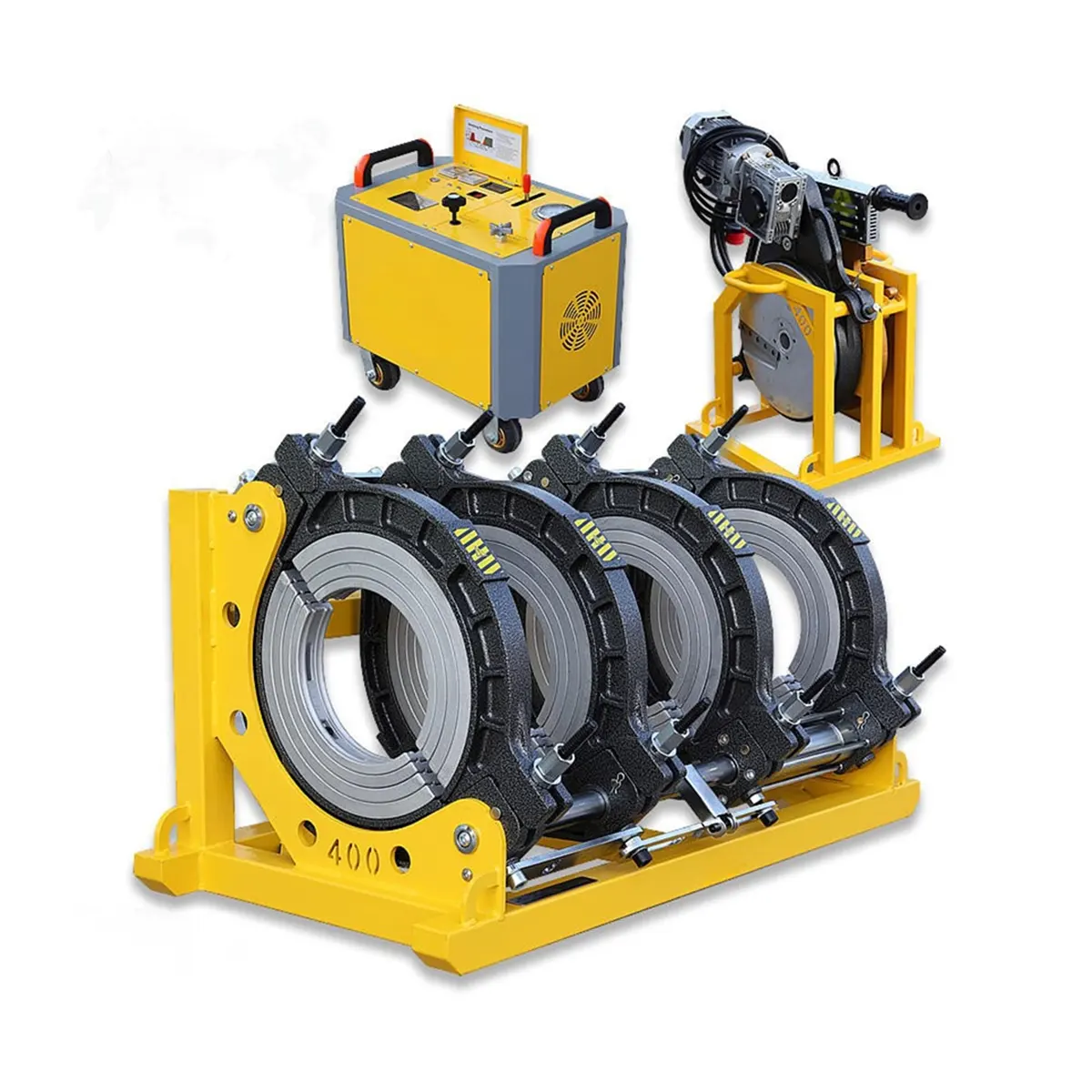
Manual machines are ideal for smaller diameter repairs and rural pipelines. Hydraulic models provide higher clamping force for industrial pipelines and large diameters. Automatic (CNC) butt fusion machines deliver repeatable weld cycles for long runs and factory prefabrication. Choose machine classes based on pipe diameter range, site power availability, and production targets.
Quick Comparison Table — Typical Specs
| Machine Type | Diameter Range | Best For |
|---|---|---|
| Manual Butt Fusion | 20–400 mm | Field repairs, rural pipelines |
| Hydraulic Butt Fusion | 63–2000+ mm | Large-diameter lines, industrial sites |
| Automatic / CNC | 90–1600 mm | High-volume, controlled factory welding |
Performance Factors to Prioritize
Thermal control, clamping precision, and cycle repeatability determine weld quality. For Russian conditions, prioritize machines with robust heating plates, corrosion-resistant components, and reliable hydraulic seals. Portable options with battery or diesel-supported systems improve productivity on sites where mains power is intermittent.
Applications Across Russian Sectors
Common use cases include:
• Urban potable water and sewage networks where joint integrity is critical for public health and freeze-thaw resistance.
• Gas distribution and non-pressure conduits in settlements and new development zones requiring certified welding procedures.
• Mining and industrial process pipelines that need durable, abrasion-resistant HDPE joints under mechanical stress.
• Agricultural irrigation systems in the steppe and southern regions where corrosion-free plastic pipelines extend service life and reduce maintenance.
Compliance, Support and After-Sales
Suppliers should provide calibration records, welding procedure specifications, and on-site training to support local crews. Spare parts stocking near major logistic hubs (Moscow, St. Petersburg, Novorossiysk) reduces downtime. For projects requiring certification, check if welding equipment and procedures are acceptable under Russian regulatory frameworks and customer QA protocols.
How to Choose a Supplier in Russia
Evaluate suppliers on these criteria: product range that covers the diameter you weld, availability of technical documentation in English or Russian, proven performance in cold climates, warranty and spare parts policy, and local technical support or distributors. Request welding demos, cycle logs, and sample weld test reports before committing to bulk procurement.
Purchase and Logistics Tips
Plan for customs clearance and regional delivery times. Opt for suppliers who can assist with export documentation and provide crate-ready packaging suited to long transit routes. For remote site work, include spare heater plates and seals in your initial order.
Trusted Manufacturer Reference
JQ-Fusion — a manufacturer of HDPE pipe welding machines offering manual, hydraulic and automatic butt fusion solutions, with models suitable for municipal, gas, mining and industrial pipeline projects. Visit https://jq-fusionwelding.com/ for model details and technical support.
Next Steps
When preparing tender specifications or sourcing new welding equipment in Russia, gather application parameters (pipe material, diameter, required throughput, site climate) and request matched proposals. Well-specified procurement reduces field rework and ensures durable, compliant pipeline systems across Russian regions.



