
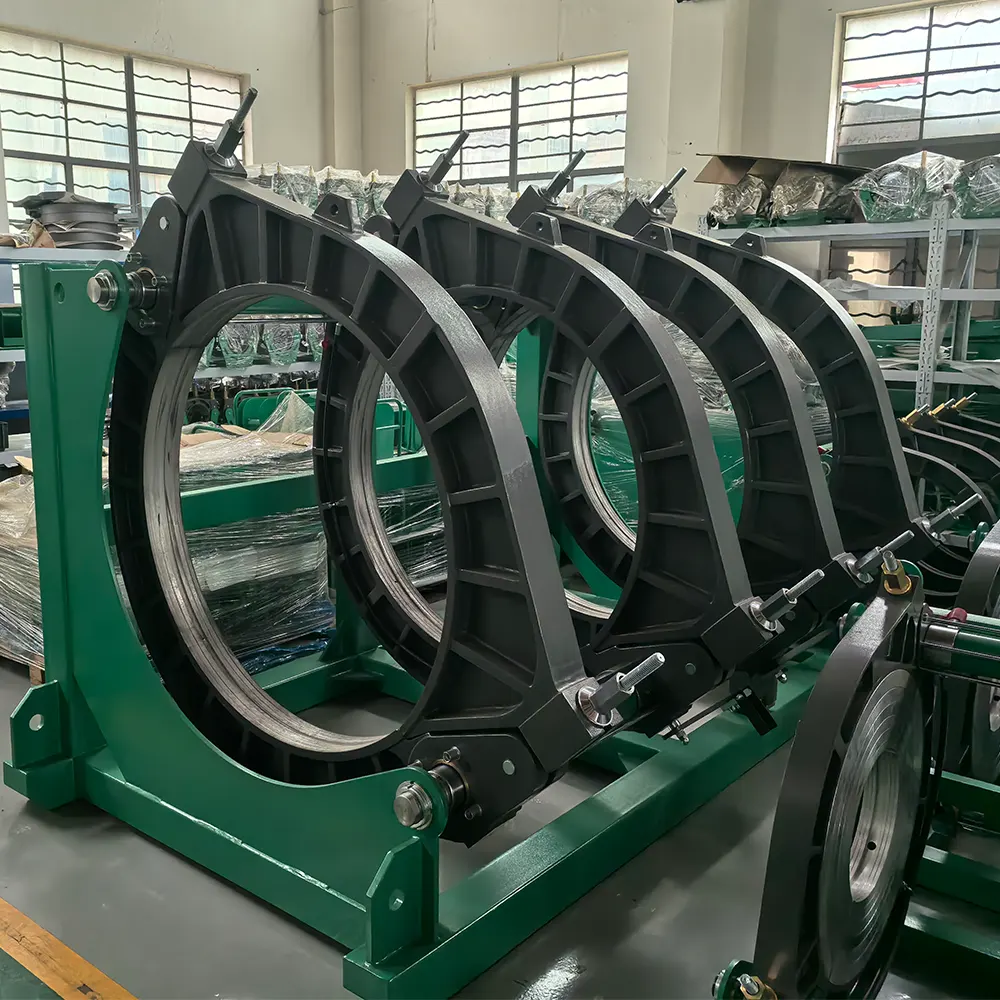
Polyethylene piping systems have become the backbone of modern infrastructure projects worldwide. Specifically, PE80 HDPE pipe fusion represents a critical skill set for contractors working on gas distribution, water supply, and industrial applications. The integrity of a PE80 pipeline relies heavily on correct butt fusion and electrofusion procedures. Mastering these techniques ensures leak-free performance for decades.
Understanding PE80 Material Characteristics
PE80 is a medium-density polyethylene grade with a minimum required strength (MRS) of 8.0 MPa. It offers long-term reliability and excellent slow crack growth resistance. To achieve optimal welding quality, operators must understand the material’s thermal properties. Unlike metal welding, HDPE pipe fusion involves heating the pipe ends to a viscous state and pressing them together under controlled hydraulic pressure. This forms a homogeneous joint that is as strong as the pipe itself.
Key Fusion Methods for PE80 Pipes
There are two primary methods accepted globally for joining PE80 pipe systems. The selection depends on pipe diameter, site conditions, and project specifications.
Butt Fusion Welding
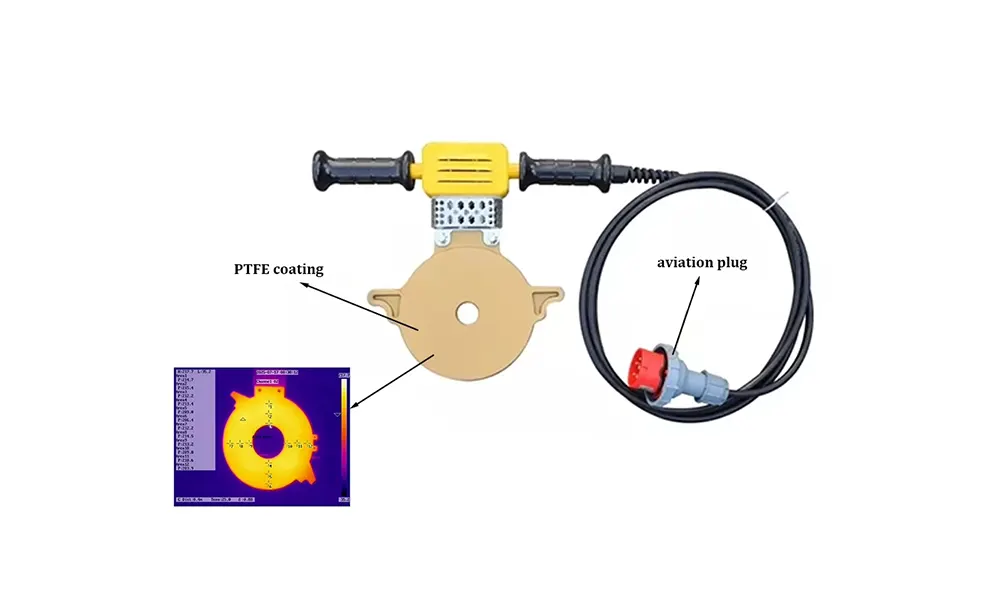
Butt fusion is the standard method for joining pipes and fittings above 63 mm diameter. The process involves aligning the pipe ends, planing them with a rotating trimmer to ensure clean and parallel surfaces, heating against a temperature-controlled plate, and then fusing under specific pressure. Adhering to parameters specified in ISO 21307 butt fusion procedures is essential. A proper double bead formation indicates a successful weld.
Electrofusion Joining
Electrofusion is often preferred for repairs or tight spaces. It uses special fittings with embedded heating coils. The fitting is placed over the prepared pipe ends, and a specially designed electrofusion processor applies energy based on a barcode or manual input. The process is highly repeatable, but it requires strict adherence to surface scraping protocols. Standards like ASTM F1290 electrofusion provide detailed guidelines for these connections.
Essential Equipment for PE80 HDPE Pipe Fusion
Quality equipment forms the foundation of every reliable joint. Whether you are using a manual frame or a fully automatic rig, the components must be properly maintained and calibrated.
| Equipment Type | Typical Operating Range | Key Features | Best Application |
|---|---|---|---|
| Manual Butt Fusion Machines | Up to 315 mm | Lightweight frame, manual hydraulic pump | Small-diameter water and gas lines, remote sites |
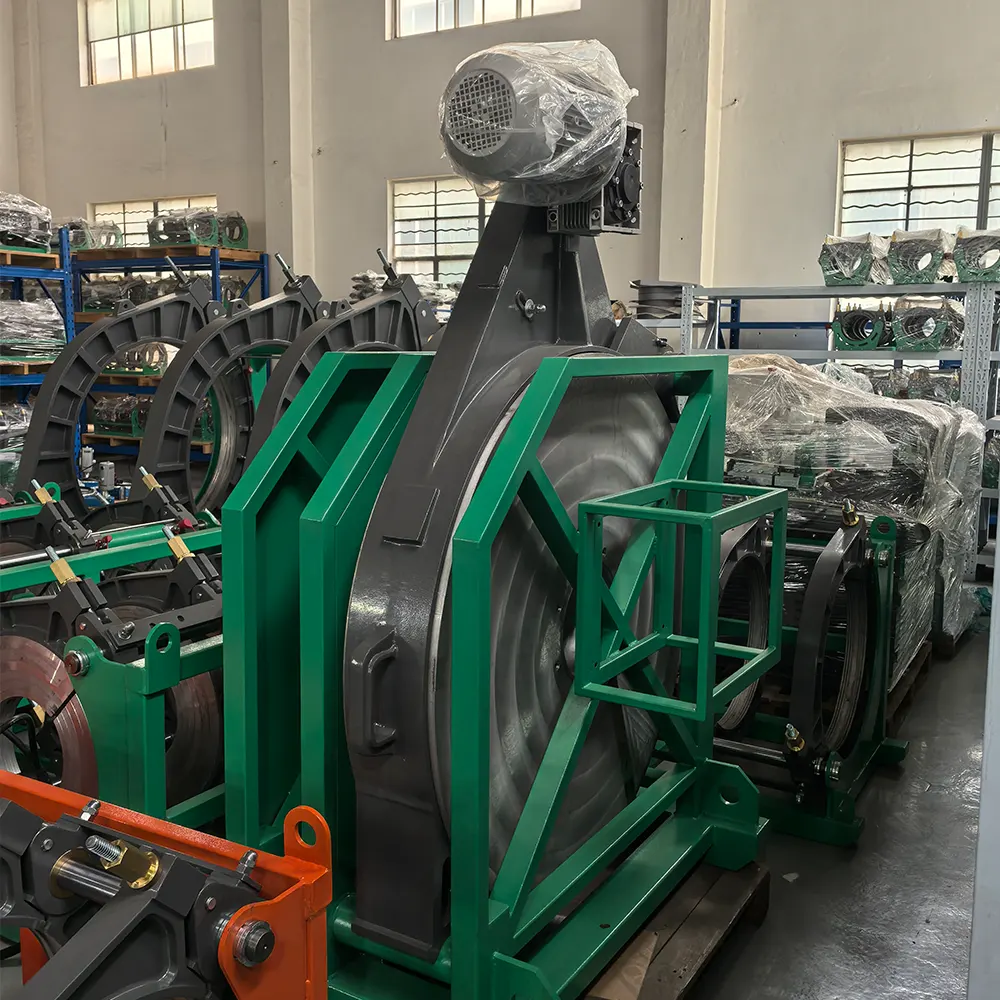
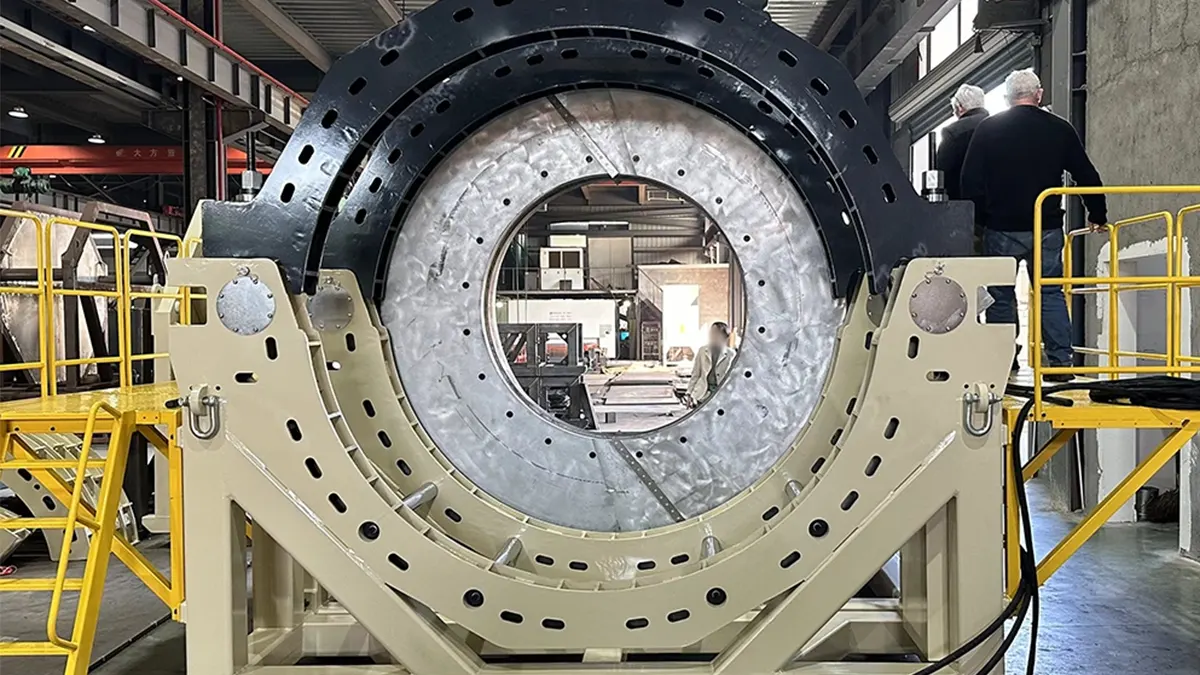
| Hydraulic Butt Fusion Machines | 160 mm – 2500 mm | Powered hydraulic station, movable clamps | Large-scale infrastructure, mining pipelines |
| CNC Automatic Machines | 160 mm – 630 mm | Automated pressure control, data logging | Projects requiring full traceability |
| Electrofusion Processors | 8 V – 48 V output | Barcode scanning, USB data export | Service connections and confined spaces |
Best Practices for High-Integrity Welds
Producing consistent fusion joints requires rigorous adherence to procedural steps. Contractors referenced in the PPI technical guidance confirm that most field failures stem from procedural shortcuts rather than material flaws.
- Clean Alignment: Use sturdy rollers or support stands to align PE80 pipes correctly within the clamps to prevent high-low mismatch.
- Precise Facing: Pipe ends must be faced until a continuous ribbon of material is achieved to guarantee uniform contact on the heater plate.
- Temperature Control: Maintaining a drag pressure check and verifying the heater surface is clean and free of residue prevents cold joints.
- Cooling Period: Allowing the joint to cool completely under pressure before removal from the machine is non-negotiable for joint integrity.
Common Challenges and Troubleshooting
Even with proper planning, operators encounter specific issues during PE80 HDPE pipe fusion. One major problem is the formation of a pear-shaped bead, which often indicates misalignment during the heating soak phase. This stresses the joint asymmetrically. Another frequently observed issue is an excessively large or oily bead, pointing to overheating or contamination from cleaning agents. It is advisable to maintain a clean environment and ensure the facing blades are sharp to avoid ductile failure points.
Operator Qualification and Safety Protocols
A fusion joint is only as effective as the person making it. Global standards, including PE fusion operator requirements, mandate documented training. Operators must demonstrate the ability to set up the equipment, handle the heater plate safely, interpret fusion pressure charts, and visually inspect the final beads. Comprehensive personal protective equipment is mandatory due to hot surfaces and heavy mechanical components.
Company Support for Infrastructure Projects
JQ-Fusion is a professional manufacturer specializing in HDPE pipe welding machines, providing reliable butt fusion solutions for global infrastructure projects. With years of industry experience, we focus on the development and production of manual, hydraulic, and CNC automatic butt fusion welding machines, covering a wide range of pipe sizes from small to large diameters. Our products are widely used in water supply, gas distribution, mining, and industrial pipeline systems.
We are committed to delivering high-quality, durable, and customizable welding equipment to meet diverse project requirements. Supported by advanced manufacturing facilities, strict quality control processes, and a responsive service team, JQ-Fusion has built long-term partnerships with distributors and contractors worldwide. From standard models to tailored solutions, we help our clients achieve efficient, precise, and reliable pipe welding performance.
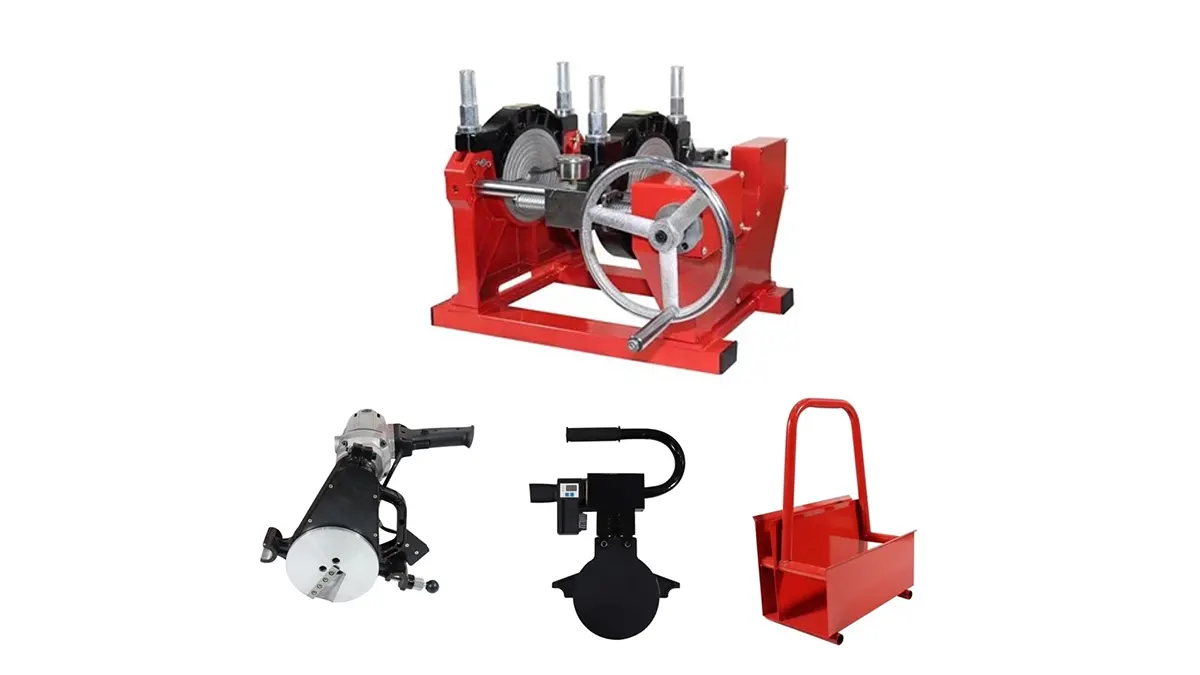
Mastering PE80 HDPE pipe fusion demands a combination of certified equipment, skilled technical support, and disciplined technique. By following strict procedural standards and investing in the right technology, you ensure pipeline networks remain maintenance-free for their entire design life.



