
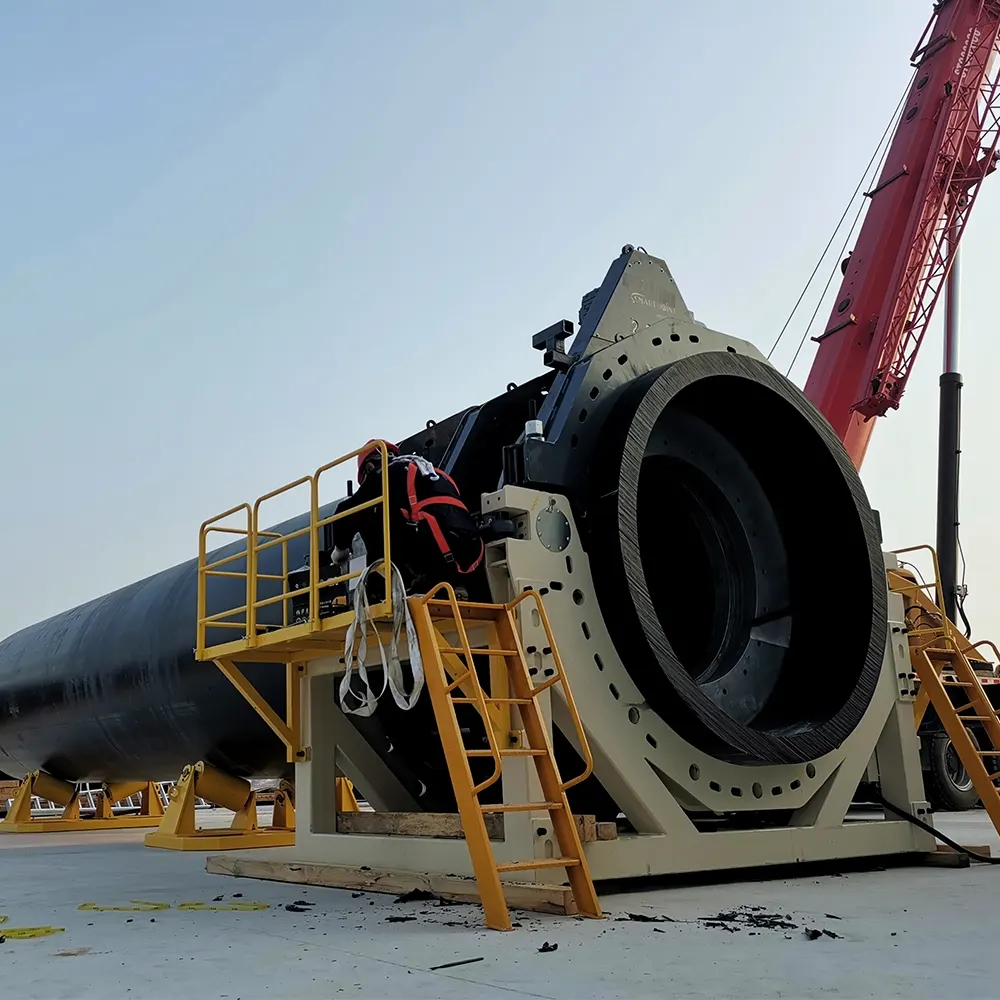
When it comes to joining HDPE pipes with diameters exceeding 315mm, standard welding tools simply cannot deliver the precision and force required. A specialized butt fusion machine for large diameter pipes is essential for achieving leak-proof, high-strength joints in water mains, gas distribution networks, and industrial outfall lines. These machines combine hydraulic force, intelligent temperature control, and rigid frame engineering to ensure every weld bead meets the rigorous demands of modern infrastructure.
Why Large Diameter Pipe Welding Demands Specialized Equipment
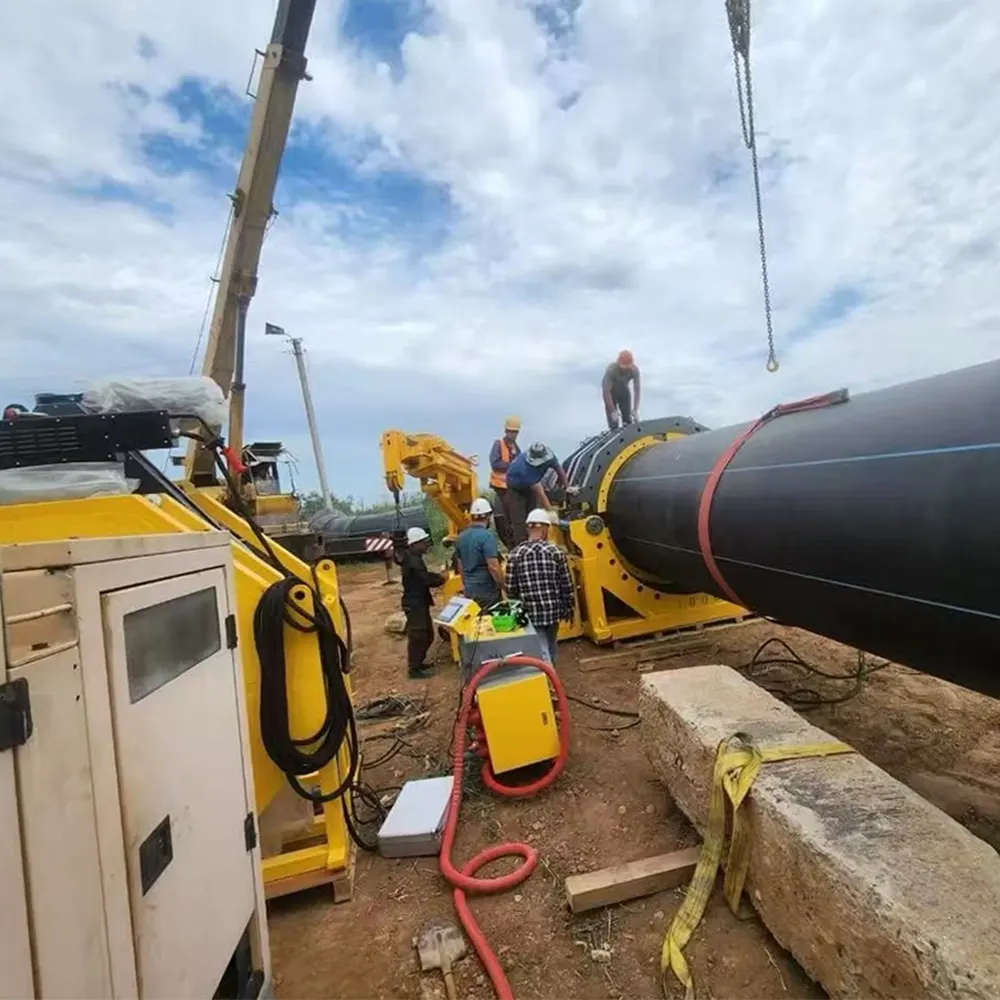
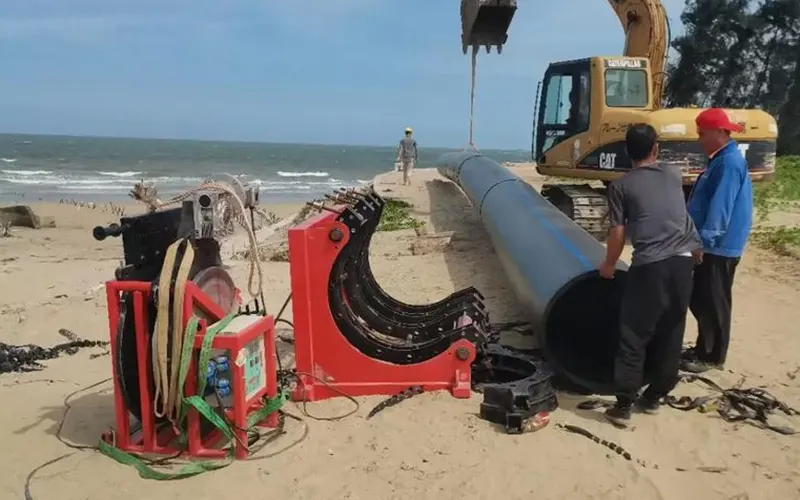
Welding pipes of significant circumference introduces unique physical challenges. Unlike small spools, large diameter pipes—often ranging from 355mm up to 2250mm and beyond—require massive clamping pressure and absolute alignment stability. Without a heavy-duty hydraulic butt fusion machine, the operator risks ovality mismatches, cold fusion zones, and insufficient joint integrity. The critical distinction lies in the machine’s frame rigidity: a robust steel structure prevents the pipe ends from sagging under their own weight during the heating and fusion cycle.
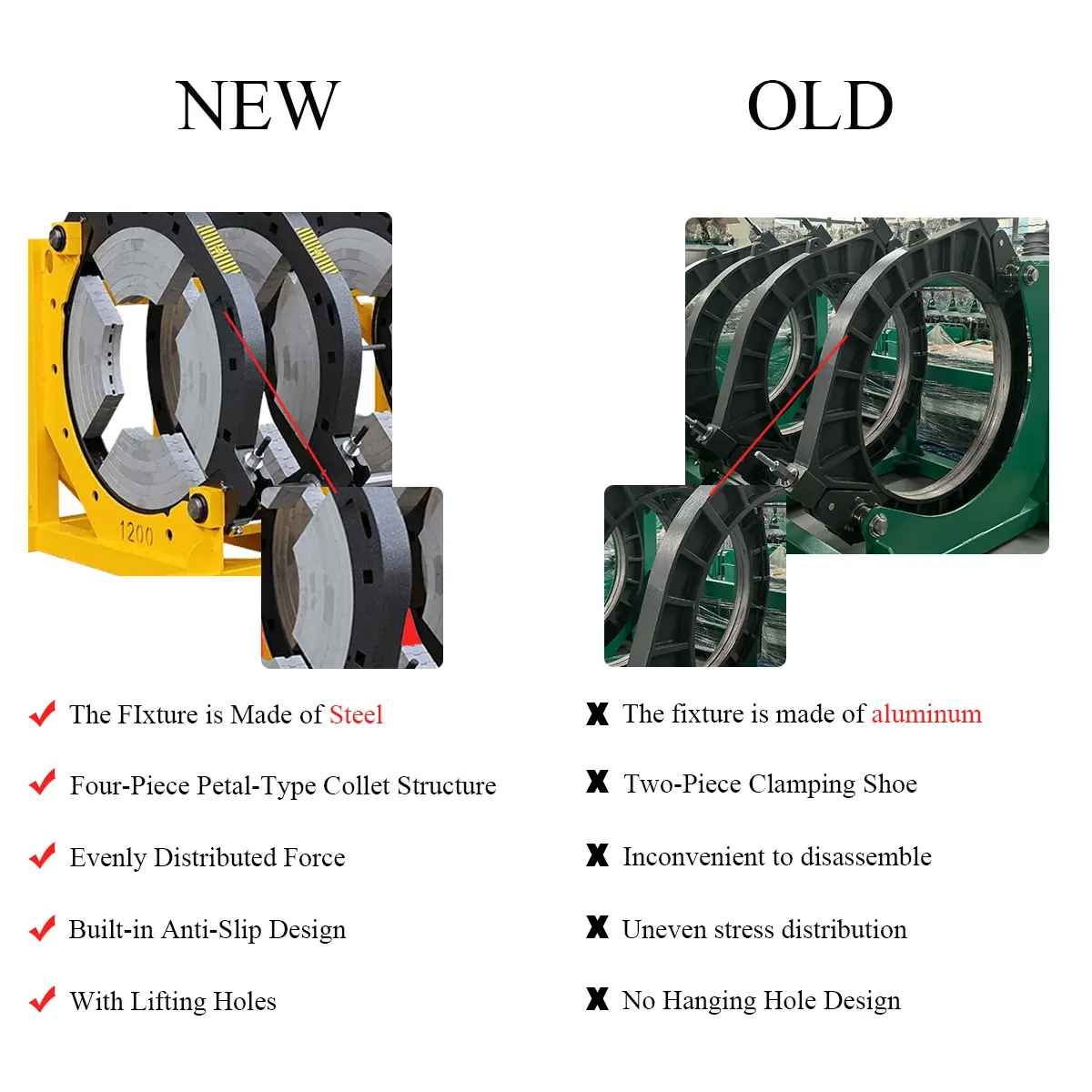
Modern butt fusion machine for large diameter pipes designs incorporate detachable clamp inserts and self-centering mechanisms. These features allow contractors to handle varying wall thicknesses—from SDR 11 to SDR 26—without compromising alignment. The fusion process for large mains, governed by standards such as ISO 21307 butt fusion procedures, demands meticulous control of melt pressure, heat soak time, and cooling duration, all of which are managed by advanced control systems found in high-end hydraulic rigs.
Key Features of a Top-Tier Large Diameter Butt Fusion Machine
Selecting the right equipment means looking beyond the basic specifications. You need a machine built for the rigors of the field while maintaining the precision of a factory setting. Below are the core components that differentiate a reliable long-term asset from a short-term liability.
Structural Integrity and Frame Design
The foundation of any quality butt fusion machine for large diameter pipes is its frame. Look for heavy-gauge steel construction that resists twisting and deflection. The base frame must distribute the hydraulic force evenly across the pipe circumference. This structural rigidity ensures that when you are facing a 2250mm HDPE main, the machine maintains exact parallel alignment between the pipe faces.
High-Capacity Hydraulic Power Units
Manual force is insufficient for large OD pipes. The hydraulic station must deliver consistent, controllable pressure. A closed-loop system with a calibrated pressure gauge allows technicians to replicate the precise drag pressure and fusion pressure specified in the PPI butt fusion procedure. Precision regulators and smooth-acting cylinders prevent the jerking motions that can misalign molten material.
Precision Heating Plate Technology
Non-stick PTFE coatings and even heat distribution are non-negotiable. For large diameters, any variation in surface temperature across the plate can result in uneven melt behavior. Digital thermostats maintain the set point within tight tolerances, a requirement highlighted in PE butt fusion equipment standard documentation. The heater should be robust enough to withstand continuous fieldwork while delivering a uniform heating profile.
Comparing Machine Types for Large Diameter Projects
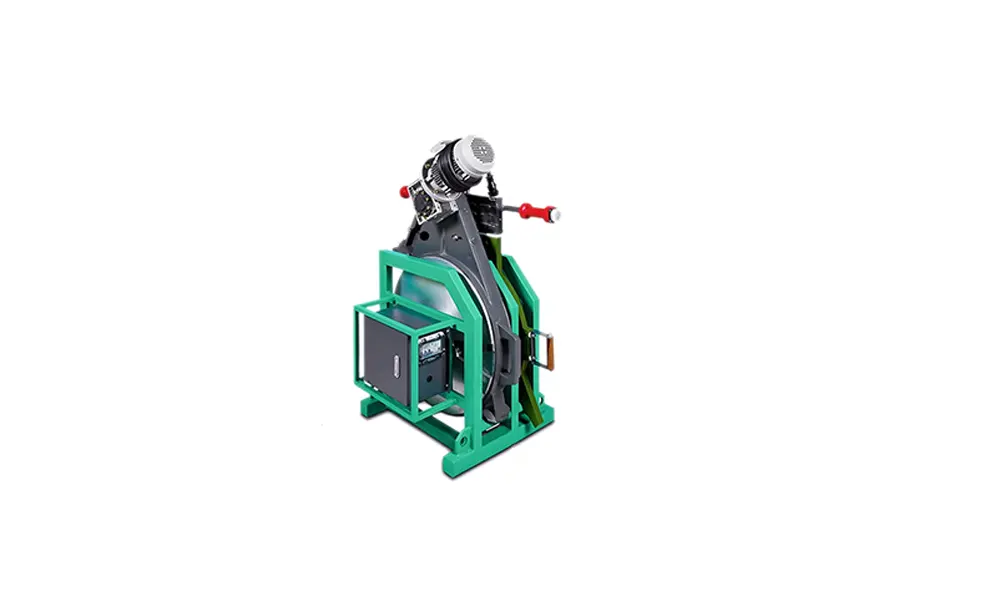
Not all large-scale fusion equipment is created equal. Different technologies cater to different operational paradigms. The table below outlines the primary categories and their suitability for heavy-wall, high-volume work.
| Machine Type | Operational Mode | Best For (Diameter Range) | Data Logging |
|---|---|---|---|
| Hydraulic Manual Control | Operator-driven pressure via manual valves | 315mm – 2250mm | Optional; often analog gauges |
| Semi-Automatic Hydraulic | Programmable PLC with manual intervention | 400mm – 1600mm | USB and cloud-capable loggers |
| CNC Automatic Fusion | Full closed-loop process cycle | 200mm – 630mm+ | Full traceability; compliant with PE fusion traceability norms |
Core Benefits of Upgrading Your Welding Fleet
Investing in a high-output butt fusion machine for large diameter pipes transforms site productivity and long-term maintenance profiles. The advantages extend far beyond the initial joint completion.
- Enhanced Weld Integrity: Uniform hydraulic pressure and precise trimming tools eliminate the risk of particulate inclusions and cold lap defects.
- Streamlined Logistics: Dedicated lifting lugs, wheel kits, and containerized transport frames simplify moving the machine between pipe strings—a critical factor when your fusion equipment weighs several tons.
- Reduced Operator Fatigue: Ergonomic clamp handles and powered carriage movement allow teams to maintain high throughput on long pipeline spreads without the errors induced by exhaustion.
- Compliance Assurance: Machines equipped with advanced loggers automatically record soak time, temperature, and pressure curves. This documentation is vital for third-party inspection and owner acceptance.
Buying Guide: Matching the Machine to Your Project
Purchasing a butt fusion machine for large diameter pipes is a significant capital decision. To ensure you select a machine that delivers value over decades, consider these critical evaluation steps:
1. Define Your Maximum and Minimum OD Requirements
While a machine may boast an upper limit of 2000mm, you must also verify the minimum diameter it can effectively reduce to. The clamp design, often using nested adaptors, dictates this range. Confirm that the base grip can accommodate the thinnest wall within your pipe class without slippage.
2. Evaluate Trimmer Durability and Safety
The facing tool must produce a clean, continuous ribbon of material across the entire pipe face. Look for enclosed blade designs and robust electric motors. Double-insulated trimmers with anti-kickback features protect your crew during the facing cycle, a procedure that defines the joint’s purity.
3. Assess Hydraulic Response and Control
Test the machine under load. Does the pressure compensate smoothly? A high-quality unit will feature a sensitive proportional valve that allows minimal pressure increments. This finesse is essential when fusing thick-wall pipes where the molten bead profile must be carefully managed to avoid excessive internal beading.
4. Data Logging and Connectivity
For gas and potable water applications, anonymous joints are no longer acceptable. The machine should offer, at minimum, a USB port for downloading ASTM F2620 heat fusion records. Integrated GPS and cloud telemetry are becoming industry benchmarks for verifying on-site productivity and compliance.
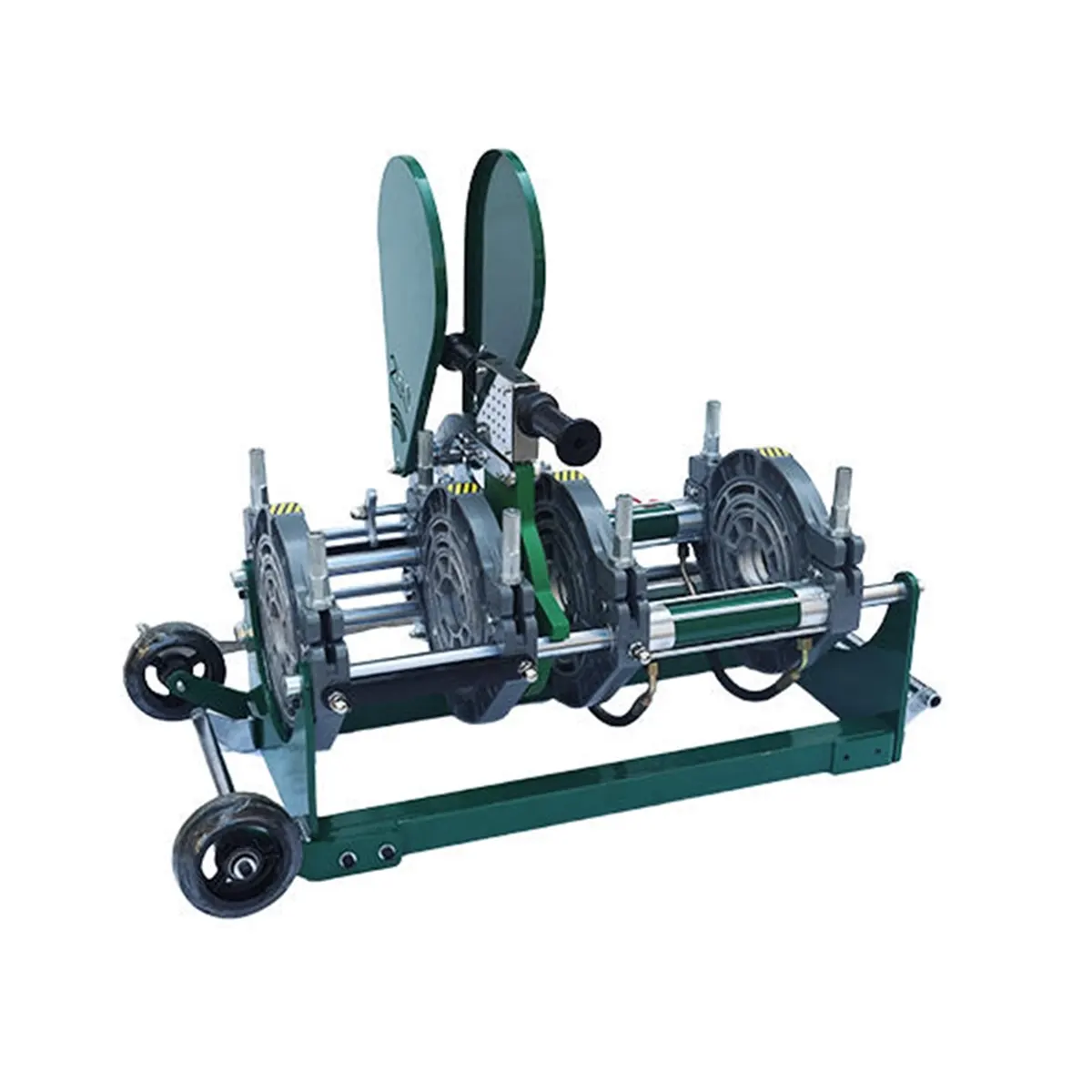
Precision CNC Control for Consistency
Durable Hydraulic Stations
Operational Best Practices and Maintenance
Even the most advanced butt fusion machine for large diameter pipes requires disciplined operational routines. Begin every shift by verifying the parallelism of the carriage and the cleanliness of the heater surfaces. Silicone contamination or embedded dirt on the PTFE plate is a leading cause of surface porosity.
Hydraulic hoses should be inspected for abrasion, and quick-connect fittings must seat fully without leaks. Store the machine with the carriage relaxed to avoid long-term compression set in seals. Adhering to these maintenance principles ensures that your equipment maintains the resale value and reliability synonymous with premium manufacturing partners.
Standard Comparison Table for Large Diameter Fusion
When validating machine performance, project specifications often reference international norms. Here is a quick reference for the governing standards:
| Standard | Scope | Key Parameter Checked |
|---|---|---|
| ISO 21307 | Butt fusion jointing procedures | Dual pressure protocol; bead dimensions |
| ASTM F2620 | Heat fusion joining of HDPE | Interfacial pressure; cool-down time |
| ISO 12176-1 | Equipment for butt fusion | Temperature control accuracy; trimmer design |
| PPI TR-33 | Generic butt fusion procedure | Melt bead appearance; drag resistance |
Frequently Asked Questions
We often receive questions from contractors moving into large-bore work for the first time.
Q: What is the typical lifespan of a hydraulic butt fusion machine for large diameter pipes?
A: With proper maintenance and periodic seal replacement, a high-quality steel frame and hydraulic system can remain in active service for 15 to 20 years. The heating elements and PTFE coatings are consumable wear items that should be budgeted for replacement every few seasons, depending on use.
Q: Can one machine handle both SDR 11 and SDR 26 large diameter pipes?
A: Yes. Most professional models utilize interchangeable clamp inserts or low-profile jaws that allow the machine to grip both thick and thin walls securely. It is crucial to verify that the butt fusion machine for large diameter pipes you select has sufficient hydraulic stroke to compensate for the different wall thicknesses without bottoming out.
Q: How is the machine transported to the right-of-way?
A: Machines for extreme diameters often ship with their own containerized frames. For daily stringing along the trench, built-in crane lifting eyes and heavy-duty rubber tires facilitate safe movement. Always refer to the manufacturer’s lifting diagram to prevent frame distortion.
Selecting the right fusion partner ensures your pipeline infrastructure remains leak-free for generations. JQ-Fusion delivers precisely engineered machinery backed by ISO-certified quality control, ensuring your large diameter welding operations are safe, traceable, and efficient.



