
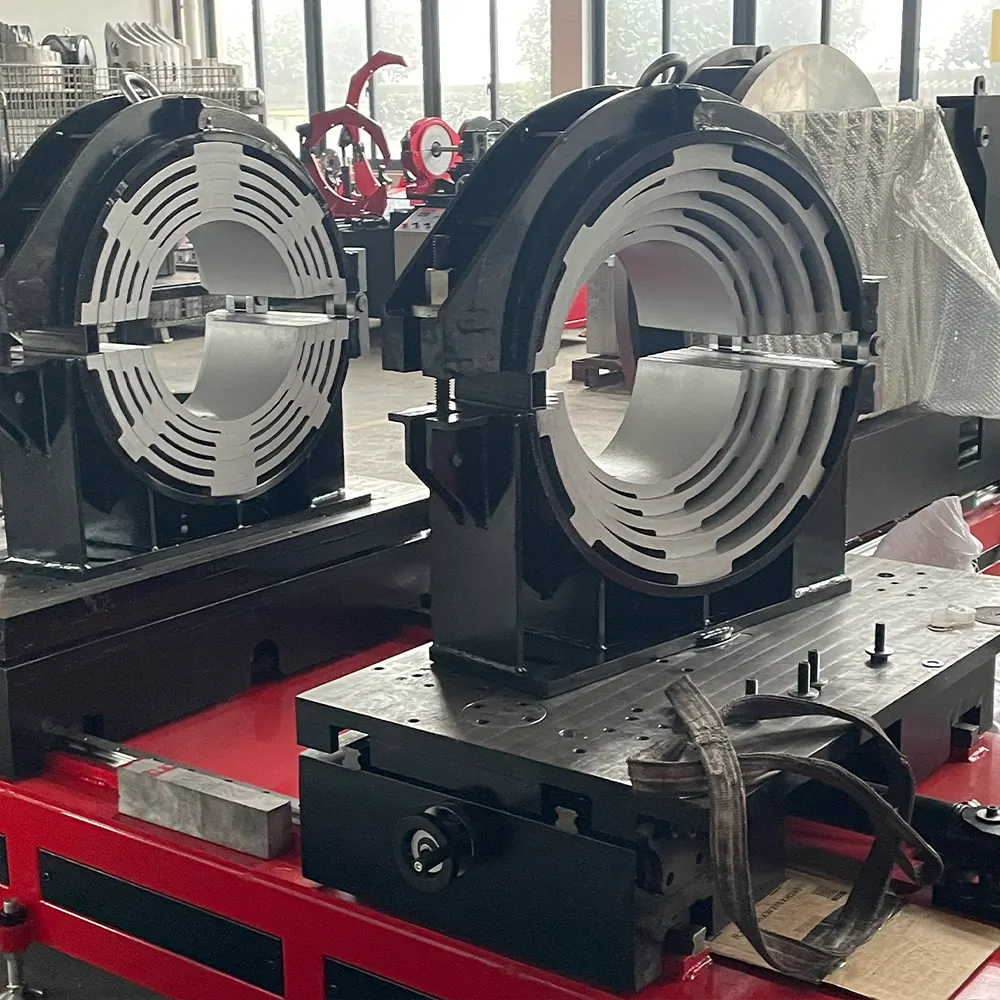
Proper maintenance of HDPE pipe welding equipment is the most effective strategy to ensure consistent fusion integrity and maximize your return on investment. Neglecting routine care often leads to costly downtime, imprecise butt fusion joints, and premature component failure. This guide outlines actionable steps to keep your machines performing at peak levels, whether you are operating a manual rig or a sophisticated CNC automatic system.
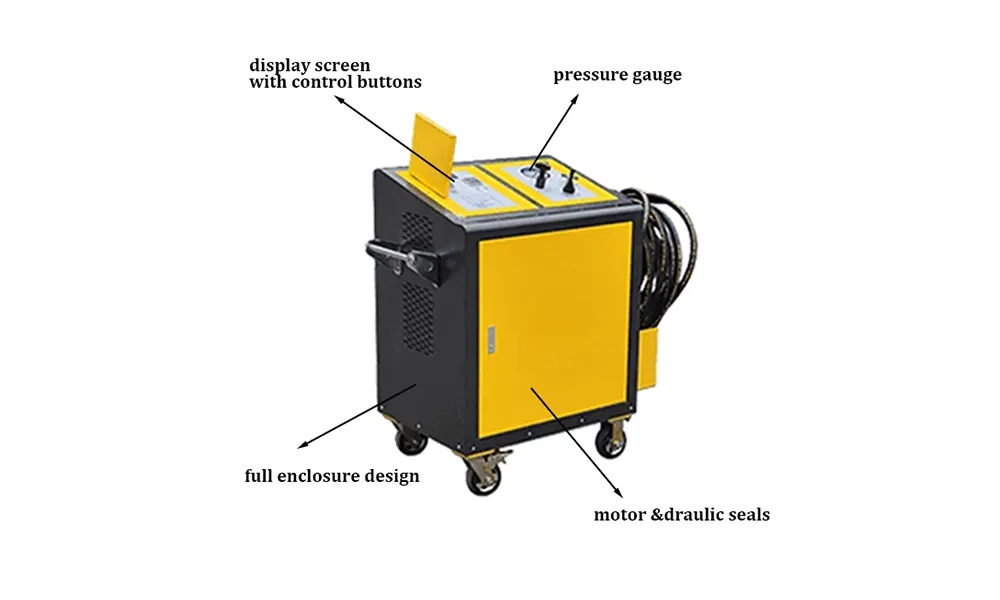
Daily Pre-Operation Inspection Checklist
Before starting any welding job, operators must perform a systematic walk-around inspection. This proactive approach identifies minor issues before they escalate into major weld defects. A clean and well-inspected machine is the foundation of every reliable joint.
- Examine the power cord and plugs: Look for exposed wires, cuts, or burn marks. Electrical faults are a significant safety hazard and can damage internal controllers.
- Verify heating plate surface condition: The non-stick coating must be intact and free of polymer residue. Scratches can cause uneven heat transfer.
- Check clamp alignment: Misaligned clamps result in high-low mismatch, violating ISO 21307 butt fusion procedures.
- Test the emergency stop: Ensure all safety buttons immediately halt machine motion.
- Inspect hydraulic hoses: On hydraulic units, look for oil leaks or damaged fittings that could lead to pressure loss.
Heating Plate: The Heart of Fusion Integrity
The heating plate is the most sensitive component of your HDPE pipe welding equipment. Its maintenance directly dictates weld quality. A contaminated or damaged plate is a primary cause of cold fusion failures.
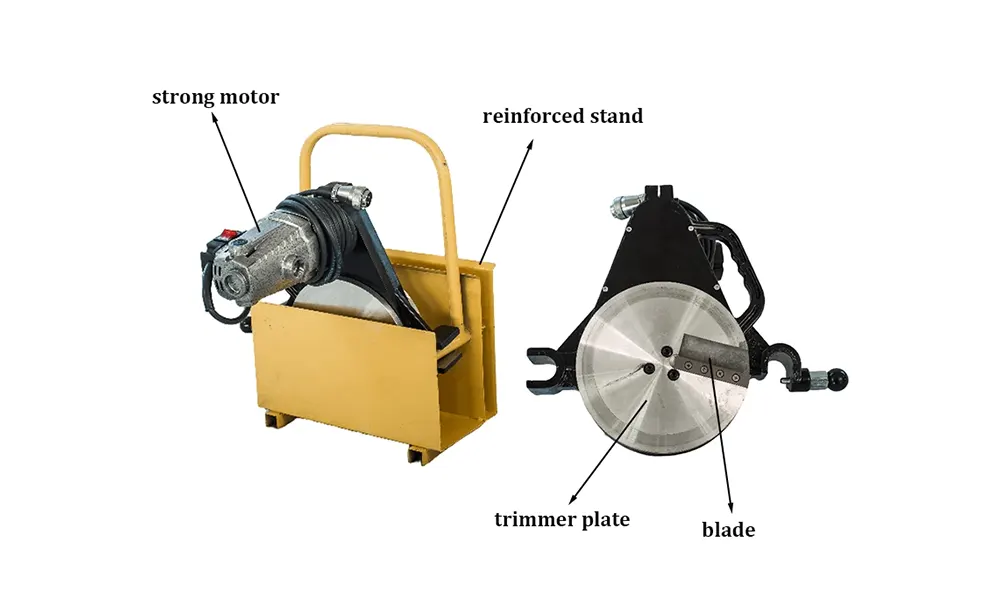
To maintain the plate effectively, follow these critical protocols:
- Clean while hot: Use lint-free, non-synthetic cloths (cotton) to wipe the surfaces immediately after removing the plate from the pipe. Never use metallic scrapers.
- Monitor temperature calibration: Use a digital pyrometer with a surface probe to verify the displayed temperature against actual values weekly. A deviation of more than ±5°C requires recalibration.
- Store properly: Always place the hot plate in its designated insulated stand. Never lay it on the ground where it can pick up dirt or moisture.
Hydraulic System and Clamp Maintenance
Hydraulic butt fusion welding machines rely on precise pressure delivery. Contaminated hydraulic oil or worn seals will cause erratic carriage movement, making it impossible to maintain proper interfacial pressure during the fusion cycle according to the PE butt fusion equipment standard.
| Component | Action | Frequency |
|---|---|---|
| Hydraulic Oil | Check level and color; replace if milky or dark | Every 6 Months |
| Cylinder Rods | Wipe clean and apply light oil to prevent rust | Daily |
| Clamp Inserts | Remove pipe shavings; check for cracks or deformation | Every Weld |
| Carriage Rails | Grease fittings and remove debris | Weekly |
Trimmer and Facer Blade Sharpness
Dull facer blades do not cut; they hammer and smear the pipe surface. This creates a glazed texture that prevents proper molecular mixing. Inspect the facer before every project. The shavings should be continuous and thin; thick, chunky fragments indicate it is time to replace or sharpen the blades.
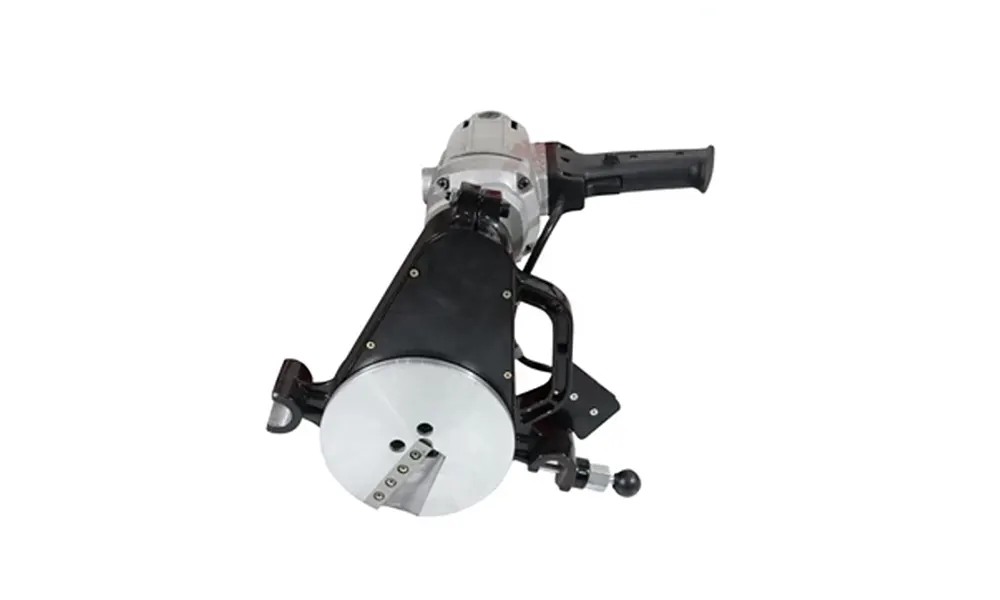
Ensure the safety guard is functional and that the blade locking mechanism is tight. Loose blades can damage the pipe and pose a serious injury risk.
Key Points for Long-Term Storage
When your HDPE pipe welding equipment is not in operation for an extended period, proper storage is critical to prevent environmental damage and corrosion. This is especially vital for machines working in harsh field conditions.
- Relieve hydraulic pressure: Retract cylinders to protect polished rods from atmospheric moisture.
- Protect electrical panels: Seal controllers and sockets against dust and humidity using silica gel packs.
- Apply rust inhibitor: Spray a thin film on bare metal surfaces like the frame base and clamp screws.
- Cover equipment: Use breathable canvas tarps rather than plastic sheeting, which traps condensation.
Calibration and Data Logging Standards
Modern CNC automatic butt fusion welding machines store jointing data that serves as a digital fingerprint of the weld. Maintaining equipment includes maintaining data integrity. Regularly download and back up logs to demonstrate compliance with project specifications and traceability codes.
For machines without automatic logging, a manual pressure gauge calibration test should be performed quarterly. This ensures the pressure displayed matches the actual interfacial stress applied to the weld, a fundamental requirement of the ASTM F2620 heat fusion standard.
Recommended Spare Parts Inventory
To avoid project delays, keeping a critical spare parts kit for your HDPE pipe welding equipment is essential. The specific parts vary by model, but a standard kit should include:
| Spare Part | Usage |
|---|---|
| Heating Plate PTFE Coating | Replace when worn or scratched |
| Thermocouple | Replacement for failed sensor |
| O-Rings and Seals | Prevent hydraulic leaks |
| Facer Blades | Guarantee clean facing cuts |
Partnering with a Reliable Equipment Supplier
Even with rigorous maintenance, having access to expert technical support and genuine replacement parts is vital for the longevity of your fleet. Working with a specialized manufacturer ensures your equipment is always compliant with the latest industry practices.
For instance, JQ-Fusion provides comprehensive support and durable machines designed to withstand the rigors of global infrastructure projects. Ensuring you have a responsive supplier prevents logistical headaches during critical repair windows.
Ultimately, a disciplined HDPE pipe welding equipment maintenance guide is not just about fixing what is broken; it is about preventing failure. By embedding these checks into your daily workflow, you will significantly extend the service life of your investment and guarantee every fusion meets the rigorous demands of ISO 4427 PE water pipes and gas distribution networks.



