
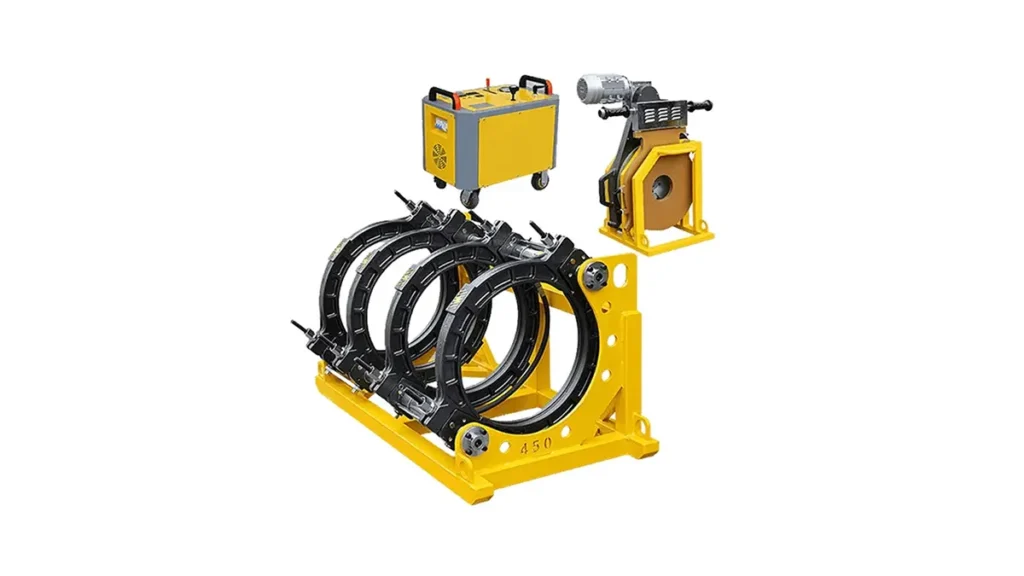
Proper maintenance and timely troubleshooting are essential to ensure consistent joint quality and extend the service life of your butt fusion welding machine. From misaligned pipes to heating plate malfunctions, understanding the root causes of common problems can significantly reduce downtime and prevent costly pipe failures. This guide outlines the most frequent issues operators face with hydraulic butt fusion machines and provides practical solutions backed by industry standards.
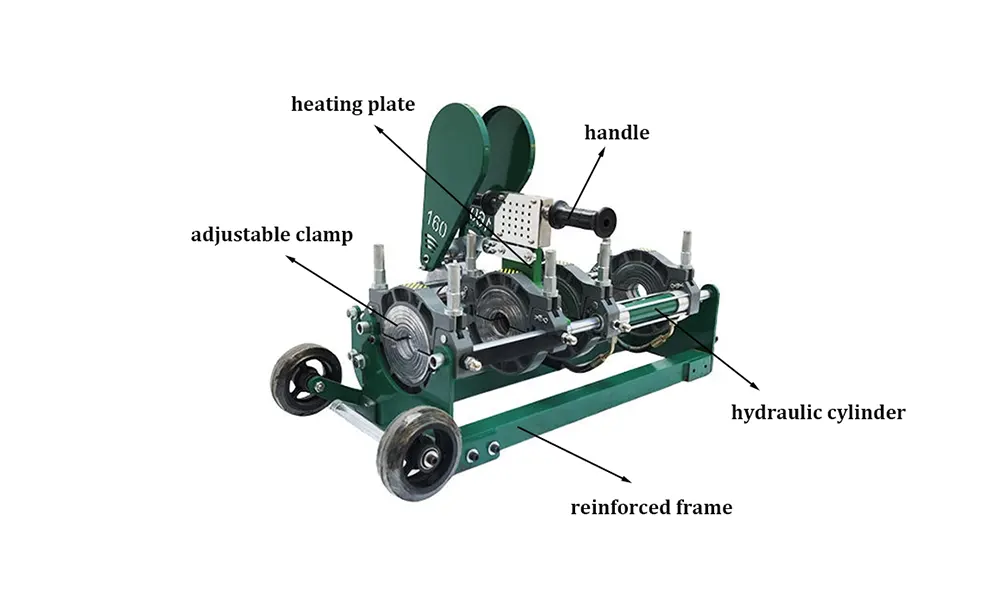
1. Heating Plate Temperature Inconsistency
Uniform heating is the cornerstone of a reliable fusion joint. When the heating plate fails to maintain a stable temperature, the pipe ends do not reach the correct melt viscosity, leading to weak or incomplete bonds. This issue often stems from a faulty thermocouple, damaged heating elements, or poor electrical connections.
Common Causes
- Worn or oxidized thermocouple providing inaccurate temperature readings to the controller.
- Damaged heating element coils creating cold spots on the plate surface.
- Loose power cable connections causing intermittent heating cycles.
- Contamination on the plate surface, such as degraded polymer residue, acting as an insulator.
Recommended Solutions
- Verify the actual plate surface temperature with a calibrated digital pyrometer; compare it against the controller display.
- Clean the non-stick coating thoroughly using a non-abrasive cloth while the plate is warm, never with metal scrapers.
- Inspect and tighten all wiring terminals; replace any cables showing signs of heat damage.
- If temperature overshoot or undershoot persists, replace the thermocouple and recalibrate the PID controller settings.
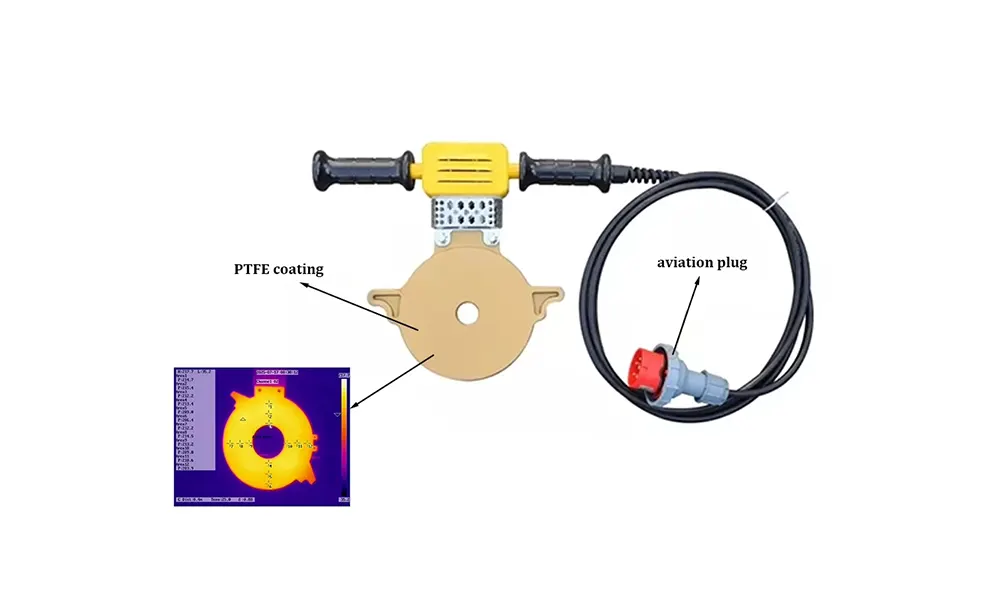
2. Pipe Misalignment and Clamp Slippage
High axial misalignment between pipe ends results in insufficient fusion area and excessive bead displacement. The clamping system must hold pipes firmly without causing surface damage while maintaining perfect concentricity throughout the welding cycle.
| Symptom | Possible Cause | Corrective Action |
|---|---|---|
| Vertical offset between pipe ends | Worn clamp insert shims or incorrect insert size | Replace shim sets and verify insert diameter matches pipe OD |
| Pipe slips during high force application | Hydraulic clamp pressure too low or dirty clamp surfaces | Clean clamp jaws and increase clamping pressure within specified range |
| Excessive pipe end gap variation | Damaged or bent carriage guide rails | Inspect rails for straightness and lubricate bearing blocks |
3. Hydraulic System Pressure Loss
Hydraulic butt fusion welding machines depend on stable pressure to move the carriage and apply proper fusion force. Pressure fluctuations or complete loss of hydraulic function can halt operations mid-cycle, risking a scrapped joint.
Troubleshooting Steps
- Check the hydraulic oil level; low fluid indicates a potential external leak at fittings, hoses, or cylinder seals.
- Inspect the pressure relief valve setting — vibration during transport may shift the adjustment.
- Test the manual override pump handle to isolate whether the issue is mechanical or electrical (solenoid valve failure).
- Replace the hydraulic oil filter if the pump motor runs but the cylinder movement is sluggish or erratic.
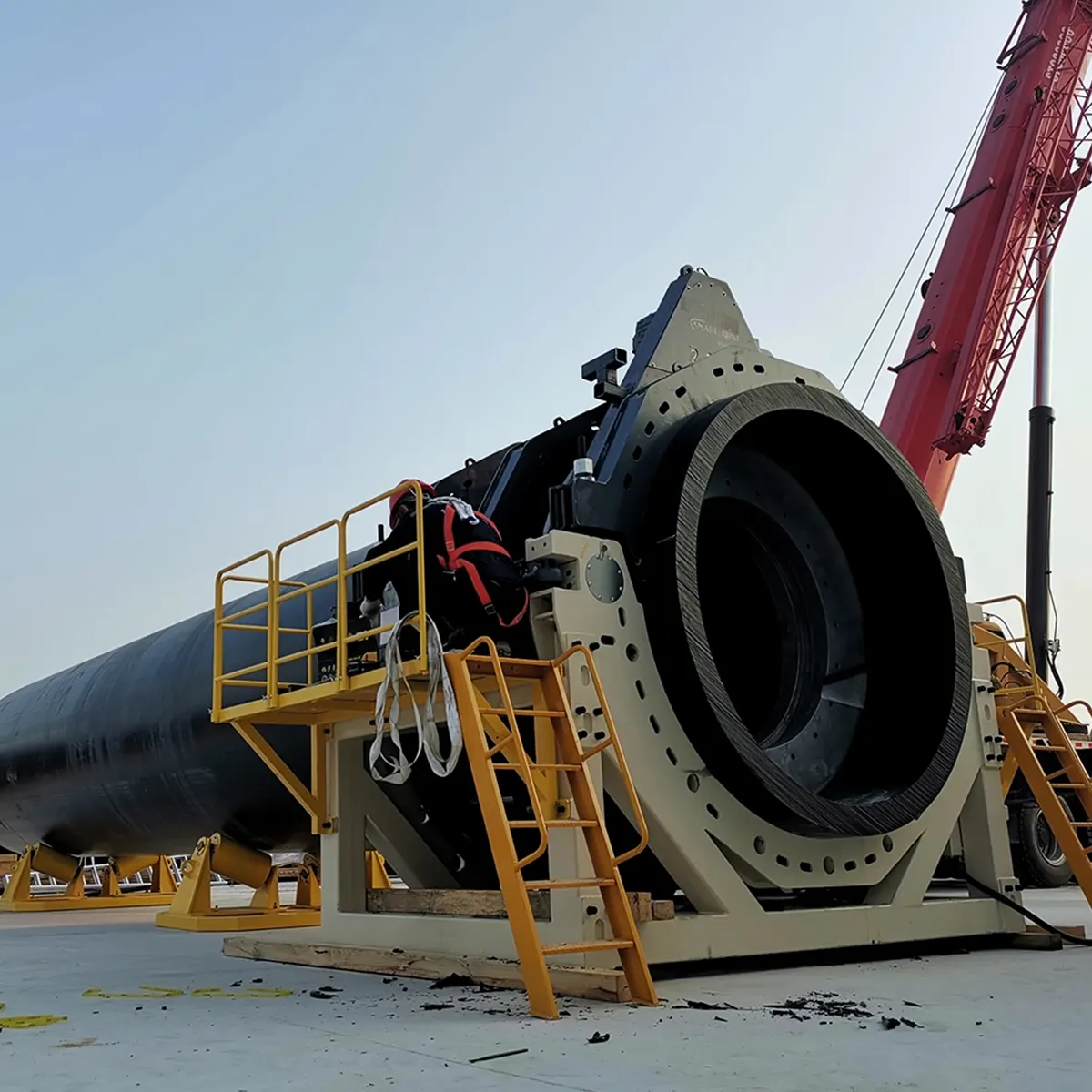
4. Poor Fusion Joint Quality and Contamination
Even with correct parameters, a fusion joint can fail if the pipe ends are contaminated or improperly prepared. Joint defects such as voids, cold spots, or uneven external beads are often traced back to surface preparation errors rather than machine malfunction.
Key Indicators of Contamination-Related Defects
- Shiny or glossy areas on the fracture surface of a bend-back test strip, indicating oil or moisture presence.
- Discolored bead zones suggesting oxidized material was not fully removed by the facing tool.
- Irregular bead width around the circumference, often caused by uneven facing or dragging chips into the weld zone.
Preventive Measures
Always use sharp, clean trimmer blades. After facing, do not touch the pipe ends with bare hands. Wipe surfaces with isopropyl alcohol only if necessary, and ensure complete evaporation before heating. According to ISO 21307 butt fusion procedures, pipe ends should be protected from wind, dust, and moisture throughout the welding cycle.
5. Trimmer Malfunction and Uneven Facing
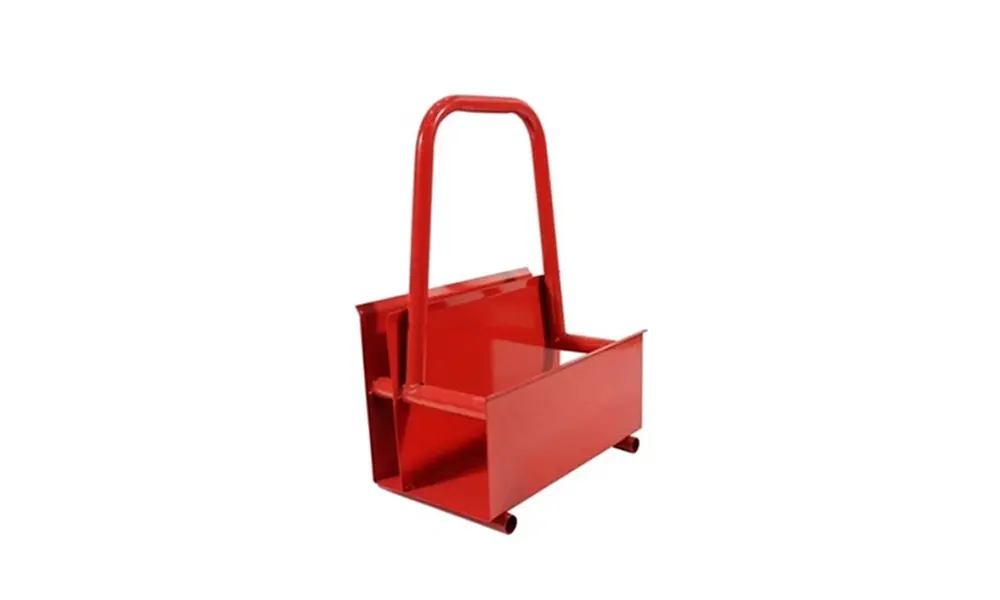
The facing operation creates clean, parallel surfaces essential for even heat transfer. A trimmer that stalls, vibrates excessively, or produces tapered pipe ends will compromise joint integrity regardless of subsequent steps being correct.
Troubleshooting the Trimmer Unit
- Motor overheats and trips: Check for binding in the blade assembly; dull blades increase cutting resistance dramatically.
- Chatter marks on pipe face: Indicate loose blade mounting bolts or worn bearings in the trimmer shaft.
- Continuous ribbon chips not forming: Blades may be installed incorrectly or have chipped cutting edges; replace blades in sets.
6. Electrical and Control System Faults
Modern CNC automatic butt fusion welding machines incorporate sophisticated control systems that log data and regulate each phase automatically. Error codes, unresponsive touchscreens, or data logging interruptions typically indicate power supply problems or sensor failures.
| Fault Code/Issue | Meaning | Action |
|---|---|---|
| Temperature sensor open circuit | Heating plate thermocouple disconnected or broken | Reconnect sensor wires or replace the thermocouple probe |
| Emergency stop active | E-stop button engaged or safety interlock tripped | Release E-stop and check limit switch on trimmer guard |
| Hydraulic pressure not reached | Pressure transducer signal below setpoint | Calibrate transducer and verify pump motor direction |
7. Electrofusion Machine Faults
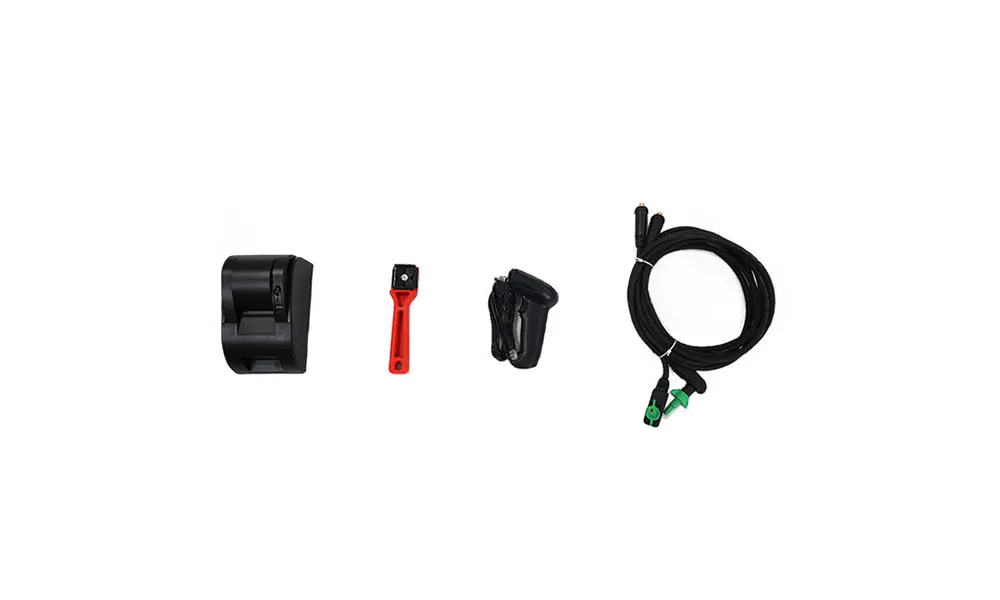
For electrofusion machines, problems often relate to connector pin damage, input voltage fluctuations, or incorrect fusion time entry. Always scan the fitting barcode or manually enter parameters per the manufacturer’s specification to avoid melted or partially fused joints.
8. Maintenance Schedule for Long-Term Reliability
Preventive maintenance is far more cost-effective than emergency repairs. A structured approach helps maintain compliance with the PE butt fusion equipment standard and extends equipment life beyond the warranty period.
Daily Checks
- Inspect heating plate non-stick surface for scratches or polymer build-up.
- Verify hydraulic oil level and inspect hoses for abrasion.
- Test emergency stop function and visual/audible alarms.
Monthly Procedures
- Calibrate temperature controller against a certified reference thermometer.
- Lubricate carriage guide rails and leadscrew threads with recommended grease.
- Examine trimmer blade sharpness and replace if cutting performance degrades.
Annual Servicing
- Replace hydraulic fluid and filter element.
- Perform full electrical safety test including insulation resistance measurement.
- Re-torque all structural bolts on the machine frame and clamp assemblies.
Even with rigorous troubleshooting, some situations require expert evaluation. JQ-Fusion provides comprehensive technical support and genuine spare parts for the entire range of butt fusion and electrofusion equipment, ensuring your fusion welding machine continues to produce code-compliant joints project after project. For persistent issues or part replacements, consulting the original manufacturer is the safest course of action to avoid voiding warranties or compromising pipe network integrity.



