Achieving a perfect weld starts with mastering the heat. In HDPE pipe welding, the temperature of the heating plate is not just a setting—it is the critical factor that determines joint integrity and long-term pipeline performance. Whether using a manual, hydraulic, or CNC automatic machine, understanding HDPE pipe welding machine temperature settings is essential for every operator and project manager involved in butt fusion welding.
Why Temperature Control Is Critical in HDPE Fusion
Polyethylene pipe materials—commonly PE80 and PE100—require a specific heat range to transition into a molten state suitable for fusion. If the plate is too cold, the material will not soften adequately, leading to a weak, brittle joint. If it is too hot, the polymer degrades, resulting in oxidation and a compromised weld. The goal is to bring the pipe ends to a viscous, tacky state quickly and uniformly.
The international standard governing this process is ISO 21307 butt fusion procedures, which defines the single low-pressure and dual low-pressure methods. Adhering to these guidelines ensures your temperature protocols align with global best practices.
Standard Temperature Ranges and Recommendations
For most HDPE pipe welding machine temperature settings, the heating plate surface temperature should be maintained between 200°C and 230°C (392°F – 446°F). The exact value within this range depends on environmental conditions, material grade, and machine type. A calibrated digital controller is the most reliable way to achieve this precision.
The table below outlines typical temperature parameters used by experienced operators:
| Pipe Material | Recommended Plate Temp | Ambient Adjustment Notes |
|---|---|---|
| PE80 (Standard Grade) | 210°C – 220°C / 410°F – 428°F | Ideal for mild climates; reduce slightly in hot weather. |
| PE100 (High Density) | 220°C – 230°C / 428°F – 446°F | Use upper end when welding thick-walled pipes. |
| PE100-RC (Resistant to Crack) | 220°C – 230°C / 428°F – 446°F | Follow specific manufacturer guidance for best results. |
| Large Diameter (>630mm) | 220°C – 225°C / 428°F – 437°F | Stable heat is critical; avoid cold spots on the plate. |
It is important to distinguish between the plate’s set temperature and its actual surface temperature. A well-maintained hydraulic butt fusion machine will display a real-time reading, but operators should also verify with a calibrated surface probe to avoid systematic errors.
Heating Plate Temperature vs. Material Interface Temperature
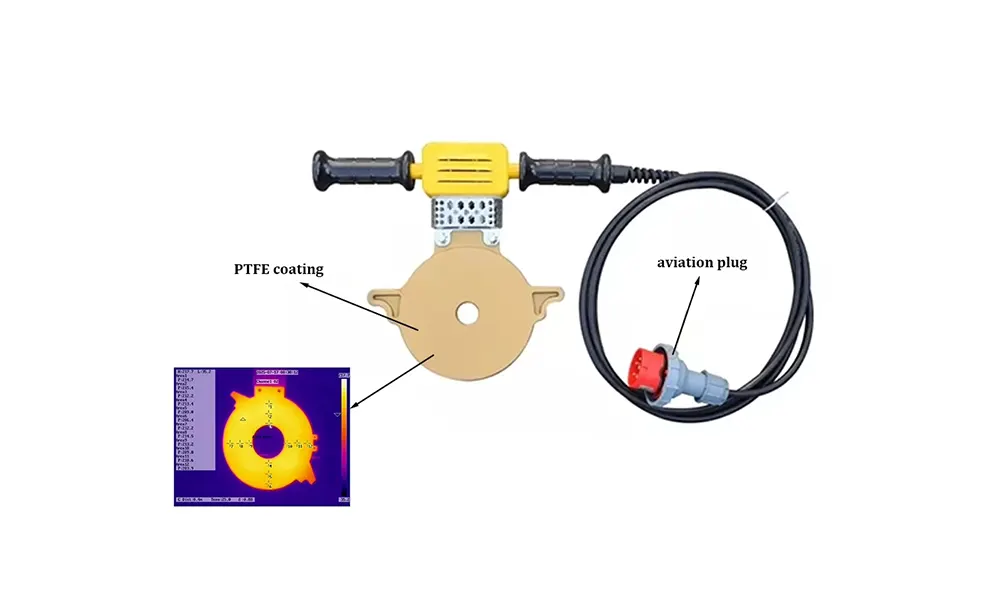
The surface of the heating plate is not the same as the melt interface. The plate temperature must be higher to account for heat loss during the transfer from plate to pipe end. A common misconception is that setting the plate exactly to the melt point of polyethylene will work—this is not the case. The plate acts as a reservoir of thermal energy, and the actual pipe surface reaches the required viscous state through conduction.
The PPI butt fusion procedure provides detailed guidance on this thermal dynamic, ensuring operators understand the relationship between set point and achieved melt temperature.
Temperature Settings by Machine Type
Different categories of HDPE pipe welding machines offer varying levels of temperature control precision. Here is how each type typically handles the setting:
Manual Butt Fusion Machines
These machines often feature an analog or basic digital temperature gauge. The operator sets the target temperature, usually via a dial or simple button interface. Regular monitoring with an infrared or contact thermometer is recommended because the plate temperature can drift over time. For manual butt fusion welding machines, aim for the middle of the recommended range, around 210°C – 220°C, to allow a safety margin.
Hydraulic Butt Fusion Machines
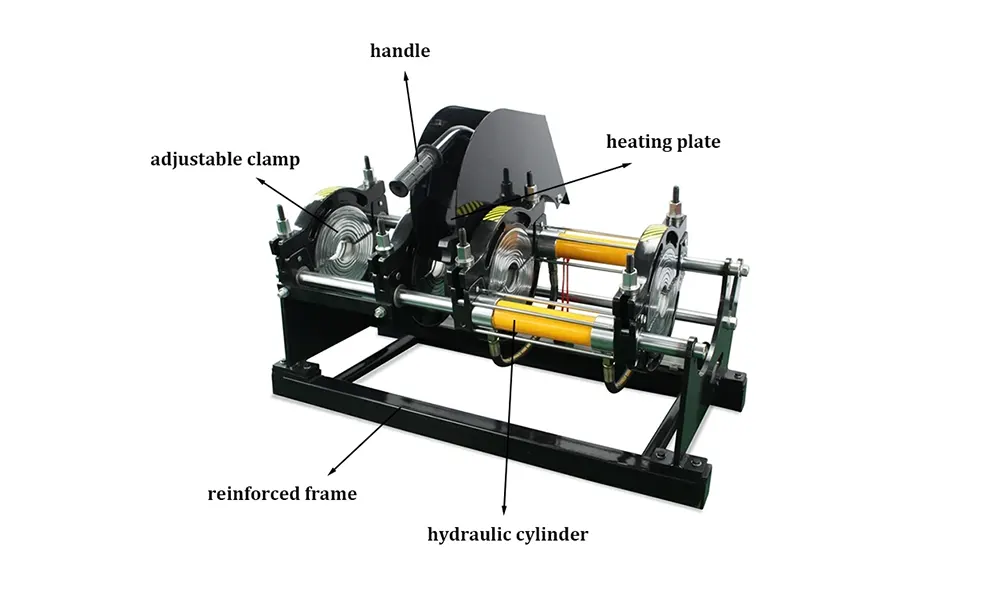
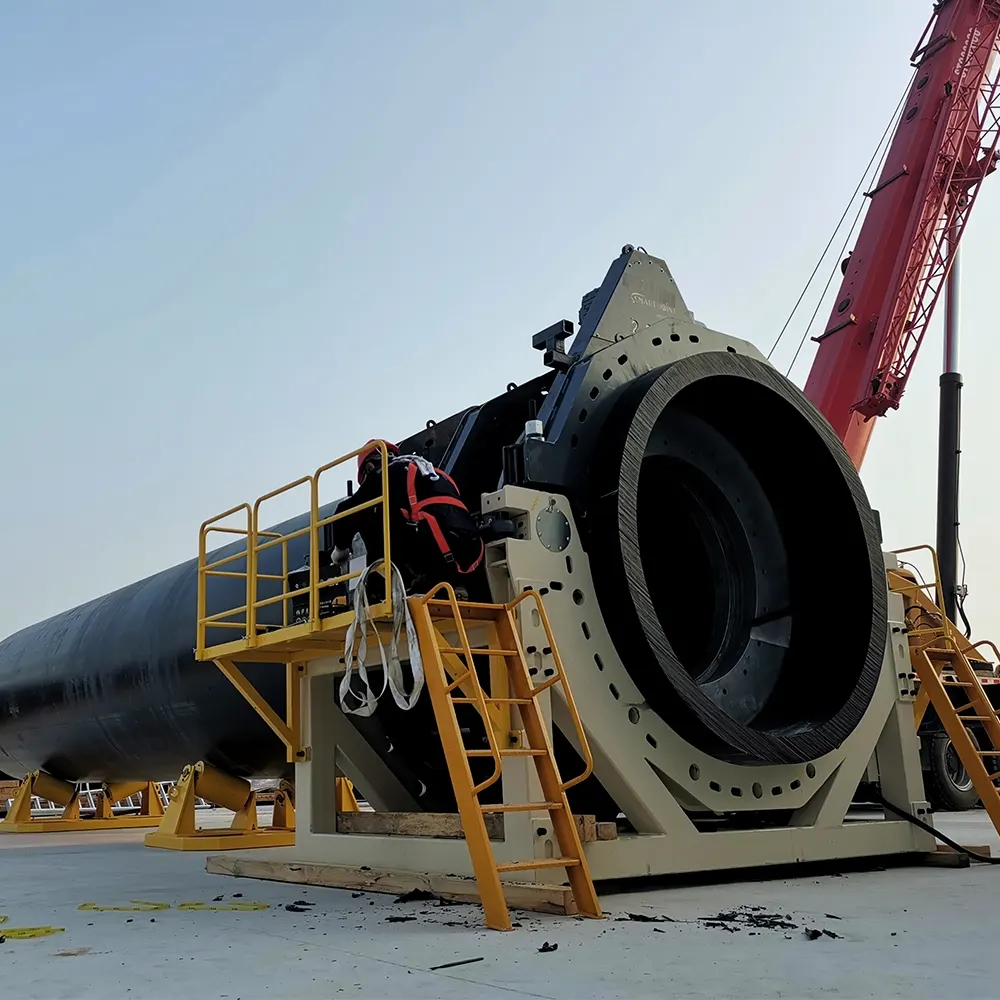
Hydraulic systems, especially for larger diameters, incorporate more sophisticated control loops. The temperature is set on a digital controller that maintains heat across the entire plate surface. Uniformity is critical—the center and edges of the plate must not differ by more than 5°C. When operating a hydraulic butt fusion welding machine, set the temperature within 215°C – 225°C and allow a 10-minute soak time before commencing bead-up.
CNC Automatic Butt Fusion Machines
Fully automatic machines log temperature data throughout the cycle. The settings are often pre-programmed based on the pipe standard (such as ISO 4427 PE water pipes) and diameter. The machine dynamically adjusts heating time if the plate temperature fluctuates. This removes operator guesswork and ensures compliance with rigorous QA/QC requirements. For CNC automatic machines, the interface usually locks the temperature within the 220°C – 230°C window unless an override is authorized.
How Ambient Conditions Influence Temperature Settings
Outdoor pipeline projects face wind, humidity, and extreme temperatures. These environmental factors pull heat away from the plate and the pipe ends faster than under shop conditions. Operators must compensate proactively:
- Cold Weather (<5°C / 41°F): Increase the plate temperature by 5°C – 10°C. Use a tent or windscreen to stabilize the environment around the weld zone. The pipe surface may require pre-heating to drive off condensation.
- Hot Weather (>40°C / 104°F): Keep the plate at the lower end of the range (around 200°C – 210°C). Excessive ambient heat can cause the melt to become too fluid, risking gravitational flow of the bead.
- Windy Conditions: Wind chill dramatically cools the plate and pipe ends. Erect temporary shields. A consistent breeze of just 15 km/h can drop the effective surface temperature by 10°C or more.
- High Humidity: Moisture on the pipe face will flash into steam at the melt interface, creating porosity. Always wipe the pipe ends clean with a lint-free cloth and isopropyl alcohol before facing and heating.
Common Operator Mistakes with Temperature Settings
Avoiding these frequent errors will dramatically improve weld quality and reduce reject rates:
| Mistake | Consequence | Corrective Action |
|---|---|---|
| Rushing the heat soak time | Insufficient melt depth, cold lap defect. | Follow the calculated soak phase per standard or machine log. |
| Ignoring plate cleanliness | Contamination in the weld, reduced strength. | Clean the plate with a non-abrasive pad after every few joints. |
| Setting temperature by “feel” | Inconsistent joints, invalid qualification. | Always use calibrated digital controllers and verify periodically. |
| Unequal plate temperature distribution | Asymmetric melt bead, uneven joint strength. | Check the plate surface in 4 quadrants; replace faulty heating elements. |
| Changing temperature mid-cycle | Unpredictable melt viscosities, invalid process. | Complete the current joint, then adjust settings for the next assembly. |
Calibration: The Foundation of Accurate Temperature Control
A machine’s digital readout is only as trustworthy as its last calibration. Over time, thermocouples drift, and controllers can lose accuracy. Best practice dictates that every HDPE pipe welding machine should undergo temperature calibration against a traceable standard at least every 6 months, or more frequently in high-production environments. The calibration should check the plate at multiple points and compare the readings to the setpoint. For applications governed by ASTM F2620 heat fusion requirements, this calibration record is part of the auditable quality documentation.
The PE butt fusion equipment standard specifies the tolerances and methods for verifying temperature accuracy. Investing in a high-quality calibration kit and training operators on its use is far less expensive than excavating and repairing a failed underground joint.
Troubleshooting Temperature-Related Joint Defects
When a weld fails visual inspection or destructive testing, temperature is often the first variable to scrutinize. Here is a diagnostic reference:
- Narrow, sharp bead without rollback: Likely insufficient temperature. The material did not reach a proper melt state. Check plate setpoint and soak time.
- Discolored, brownish, or glassy bead: Indicative of overheating and oxidation. Reduce the plate temperature and verify the controller is not faulty.
- Bead inconsistency around circumference: Possible uneven plate heat distribution or misaligned pipe ends. Map the plate surface temperature immediately.
- Voids or porosity on the fracture surface: Often caused by moisture or contaminated plate. Confirm cleaning procedures and pre-heating protocol.
- Incomplete fusion zone depth: The heat did not penetrate deeply enough. Increase the heat soak time or verify that the plate temperature is matched to the hydraulic fusion machine specification for that diameter.
Best Practices for Setting and Maintaining Temperature
Incorporating these habits into daily operations will build a foundation of consistent, high-strength welds:
- Pre-heat the machine: Allow the plate to reach the set temperature and then soak for at least 10 minutes before the first weld. This ensures thermal equilibrium throughout the plate body.
- Use original, certified heating plates: Non-OEM plates may have different thermal conductivity and warp at high temperatures, creating dangerous cold spots. The plate’s non-stick PTFE coating must be intact.
- Log every joint’s temperature: Whether manual or automatic, record the actual plate temperature, ambient conditions, and joint number. This creates a traceable history and helps identify trends before failures occur.
- Train operators on the “why,” not just the “how”: When operators understand the what is HDPE butt fusion process at a molecular level, they make better real-time decisions about temperature adjustments.
- Inspect the bead continuously: The external and internal melt bead is a direct indicator of heat input. Train operators to recognize the ideal double-rollback profile that signals correct temperature and pressure sequencing.
Temperature Settings for Special Applications
While the standard range covers most potable water and gas distribution projects, certain scenarios demand deviation:
Butt fusion of different SDR pipes: When welding pipes of the same diameter but different wall thicknesses (common in repairs), set the temperature at the lower end for the thinner wall to prevent excessive melt flow, and extend soak time slightly for the thicker wall.
Fittings: When fusing PE fittings using a multi-angle pipe fitting welding machine, the heating plate adaptor may have less mass than the main plate. Always verify the temperature at the adaptor surface, as heat loss can be quicker.
Electrofusion socket welding: This process relies on embedded wire temperature, not a plate. The electrofusion machine automatically calculates energy input based on the fitting’s barcode, but the pipe surface must be scraped and cleaned, and the ambient temperature must be within the fitting’s rated range (usually -10°C to +40°C).
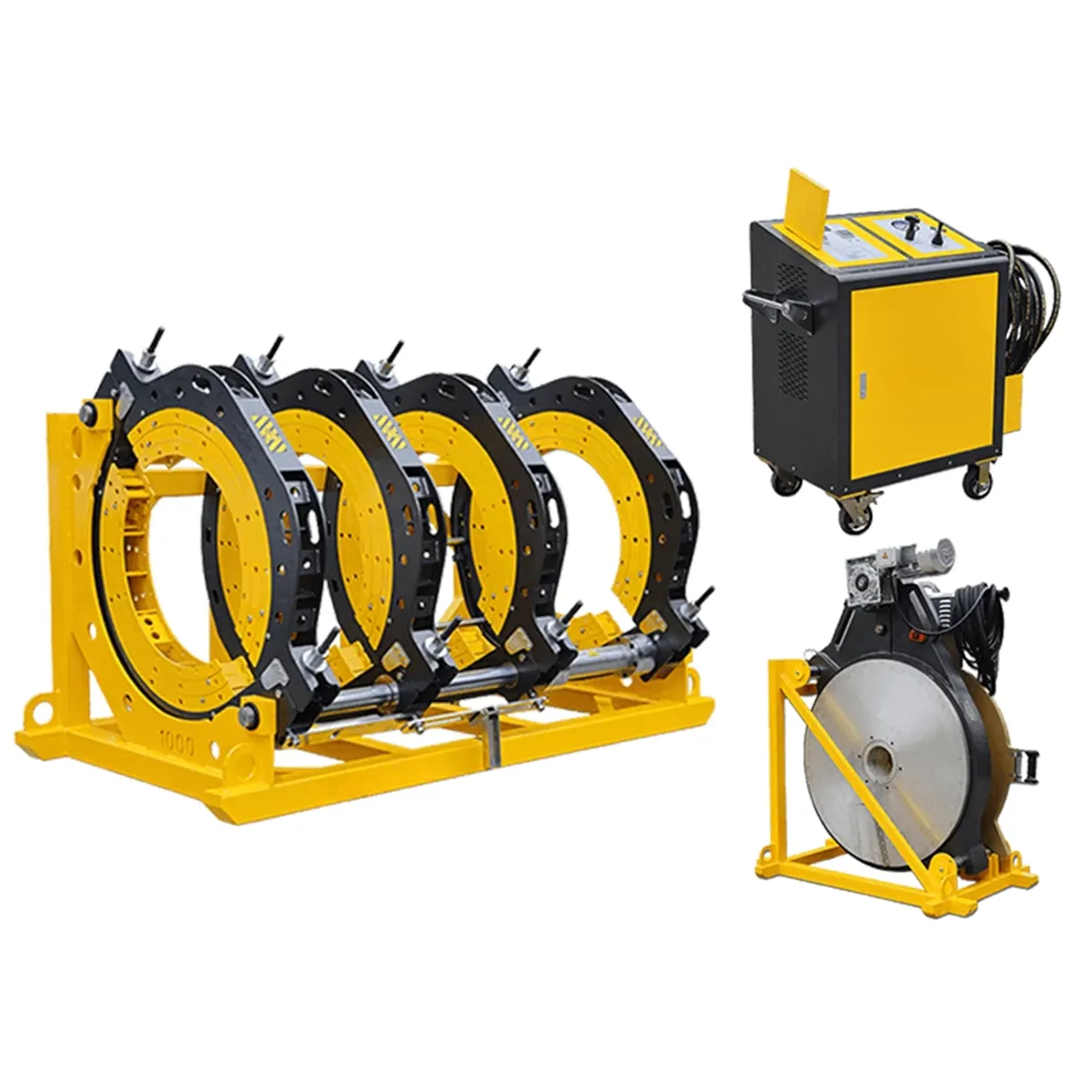
Integrating Temperature Data into Your Quality Management System
Modern pipeline projects require a digital thread from fabrication to commissioning. The temperature history of each joint is a cornerstone of this record. Machines equipped with data logging capabilities, such as those from manufacturers committed to durable and customizable welding equipment, can export joint reports that include the full thermal profile. This data protects the contractor by demonstrating conformance to specifications and enables predictive maintenance by revealing slow calibration drift over time.
At JQ-Fusion, the focus on reliable, high-accuracy temperature control is embedded across the entire product range—from compact manual units to fully automatic CNC systems. By combining well-calibrated machinery with trained operators who respect the science of heat transfer, every pipeline joint can achieve the strength and longevity expected in critical infrastructure.
As a final reminder, always consult the specific technical documentation of your machine model and the applicable welding standard for your project. When in doubt, a small investment in a temperature verification tool and a call to your equipment support team can prevent costly rework and ensure a homogenous, leak-free pipeline system.