
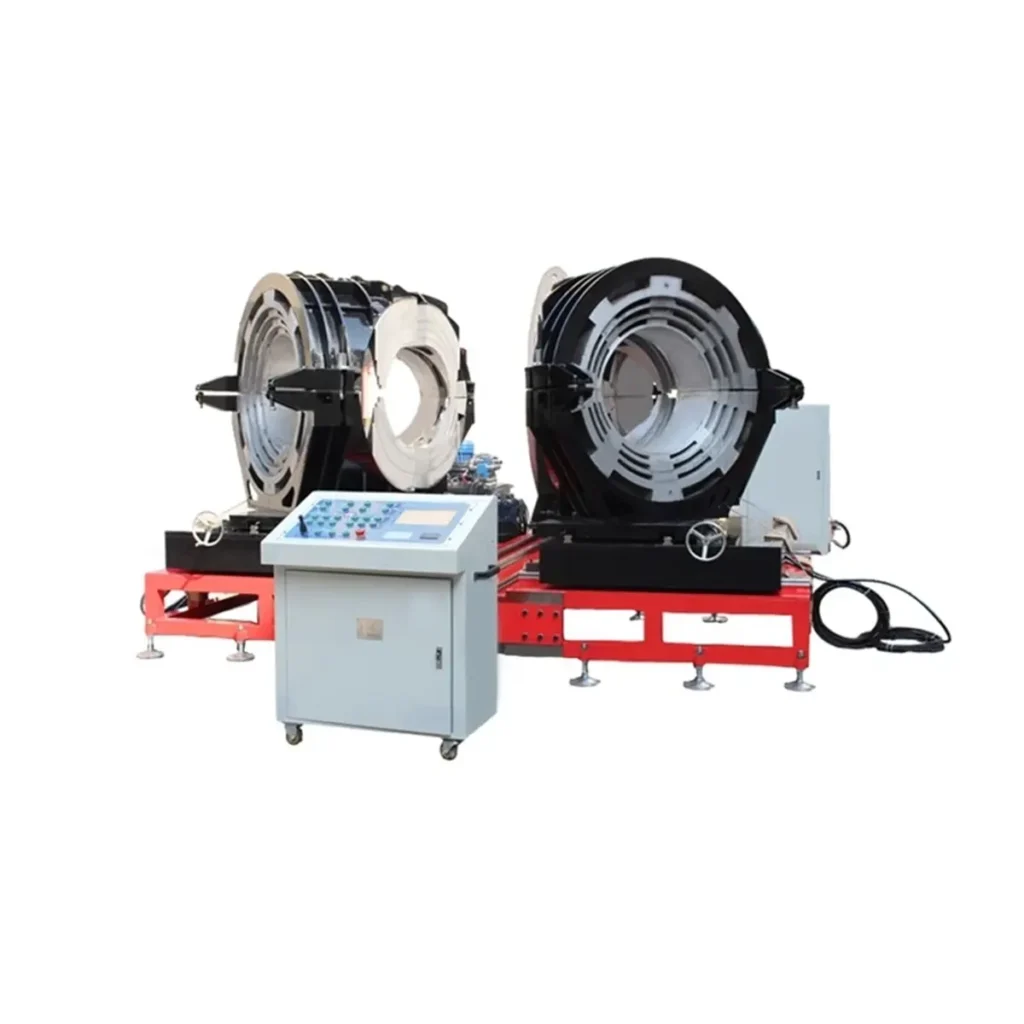
High-density polyethylene (HDPE) pipes have become the material of choice for water supply, gas distribution, mining, and industrial fluid transport due to their flexibility, corrosion resistance, and long service life. However, the reliability of an HDPE piping system depends largely on the quality of its joints. This is where the HDPE pipe jointing machine plays a critical role — it ensures leak-proof, high-strength connections that can withstand pressure and environmental stress for decades.
Choosing the right jointing technology is not simply about pipe diameter; it involves understanding your project environment, operator skill level, and long-term performance requirements. Below, we break down the main types of HDPE butt fusion machines and their real-world applications.
1. Manual Butt Fusion Welding Machines
Manual HDPE pipe jointing machines are designed for small to medium diameter pipes, typically ranging from 50mm to 315mm. These machines require the operator to manually control the alignment, trimming, heating, and fusion pressure using mechanical levers.
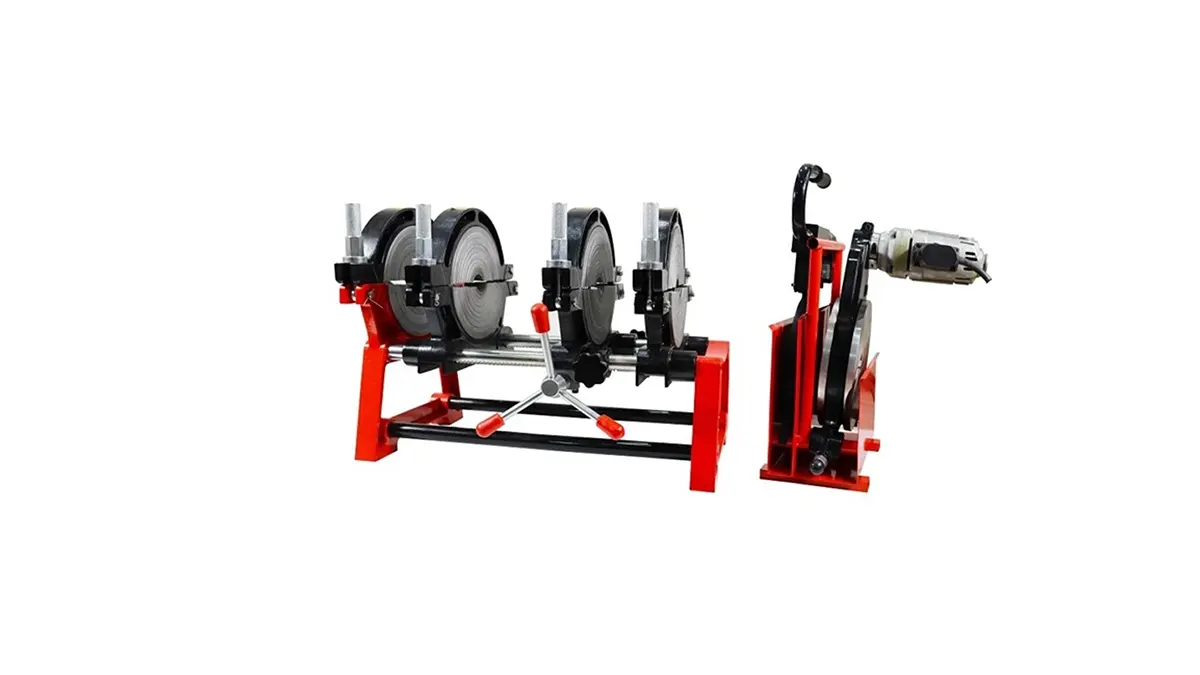
- Key advantage: Cost-effective, lightweight, easy to transport and set up on-site.
- Best for: Rural water supply, irrigation, small-diameter gas lines, and field repair work.
- Pipe range: 63mm – 315mm (varies by model).
While manual machines offer simplicity, they demand trained operators to follow ISO 21307 butt fusion procedures precisely. Inconsistent pressure or misalignment can lead to cold joints and potential failures.
2. Hydraulic Butt Fusion Welding Machines
For medium to large diameter pipes (up to 2000mm or more), hydraulic HDPE pipe jointing machines provide the power and precision that manual units cannot. A hydraulic power pack drives the moving carriage, ensuring uniform force throughout the fusion cycle.
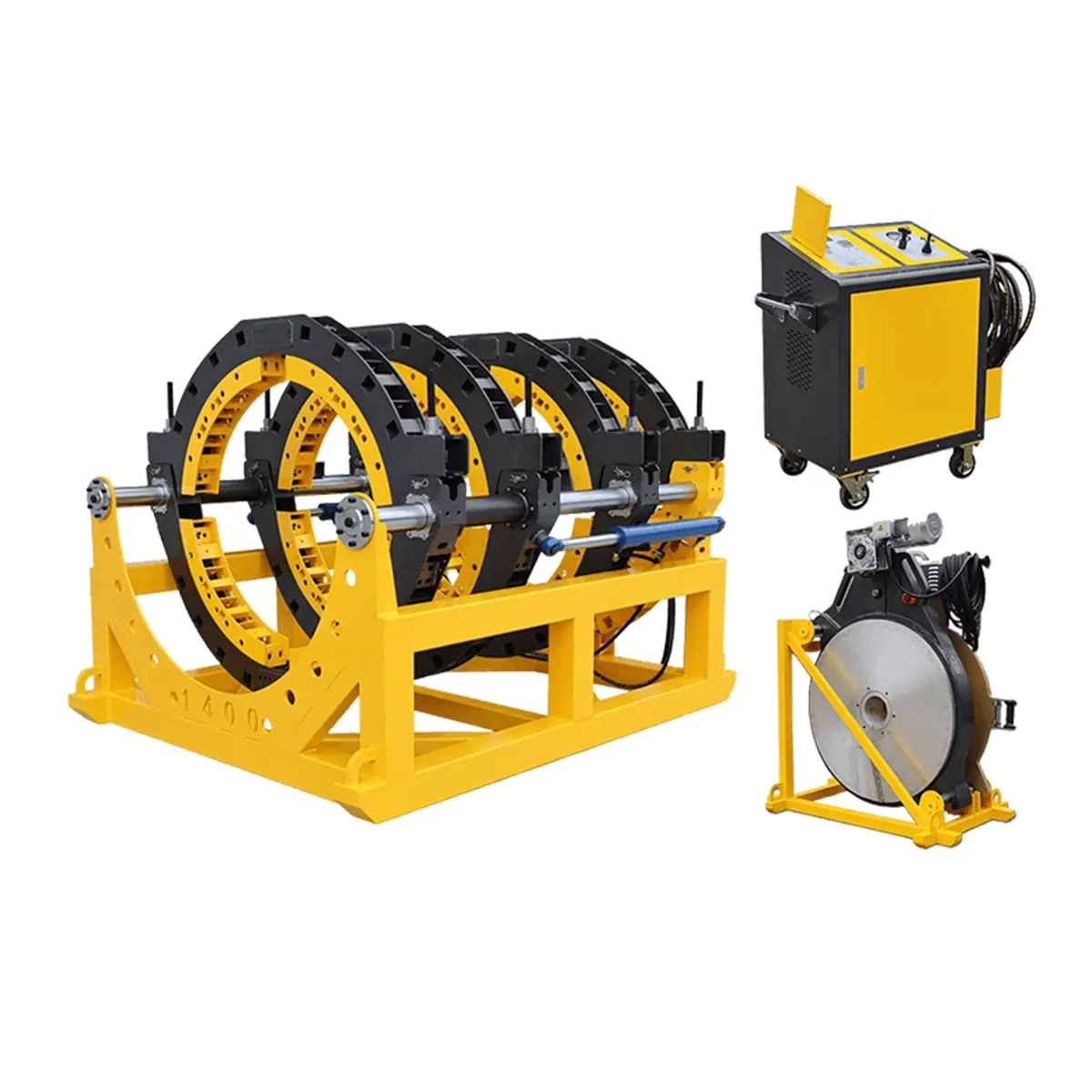
- Key advantage: Consistent, controllable pressure; reduced operator fatigue; precise alignment for heavy pipes.
- Best for: Municipal water mains, sewer force mains, mining slurry lines, and large-scale gas transmission.
- Pipe range: 250mm – 2250mm+.
These machines often comply with the PE butt fusion equipment standard and are essential for projects where joint integrity is non-negotiable. A reliable hydraulic butt fusion welding machine significantly reduces the risk of operator error.
3. CNC Automatic Butt Fusion Welding Machines
CNC automatic machines represent the highest level of jointing technology. They are equipped with programmable logic controllers (PLC) that automatically manage the entire fusion process — from trimming and heating to fusion pressure and cooling time.
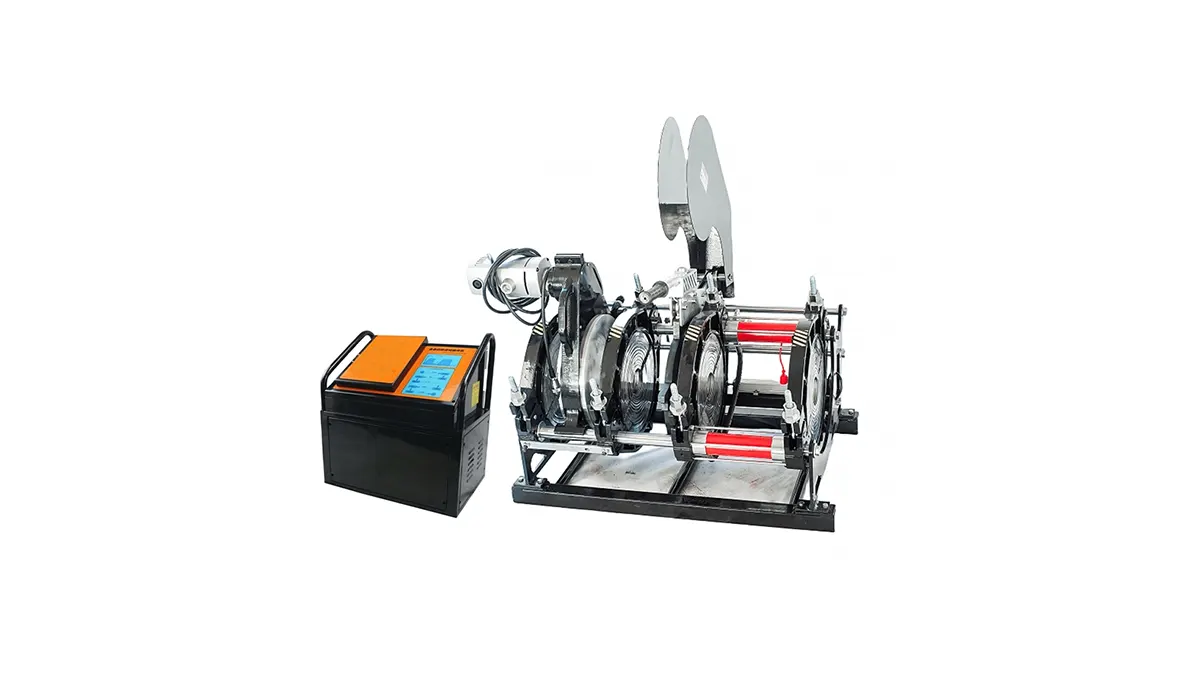
- Key advantage: Fully automated cycle, data logging for traceability, minimal operator dependence.
- Best for: Nuclear power plants, high-pressure gas pipelines, critical water infrastructure, and projects requiring ISO 12176-4 traceability.
- Pipe range: 160mm – 1200mm+.
Automation does not just improve quality; it provides digital records of each joint’s parameters, making it easier to demonstrate compliance with PE fusion traceability requirements.
4. Electrofusion Machines
Unlike butt fusion, electrofusion jointing uses special fittings with embedded heating coils. The HDPE pipe jointing machine (electrofusion control unit) sends a precise electric current through the fitting, melting the interface between pipe and fitting to form a homogeneous joint.
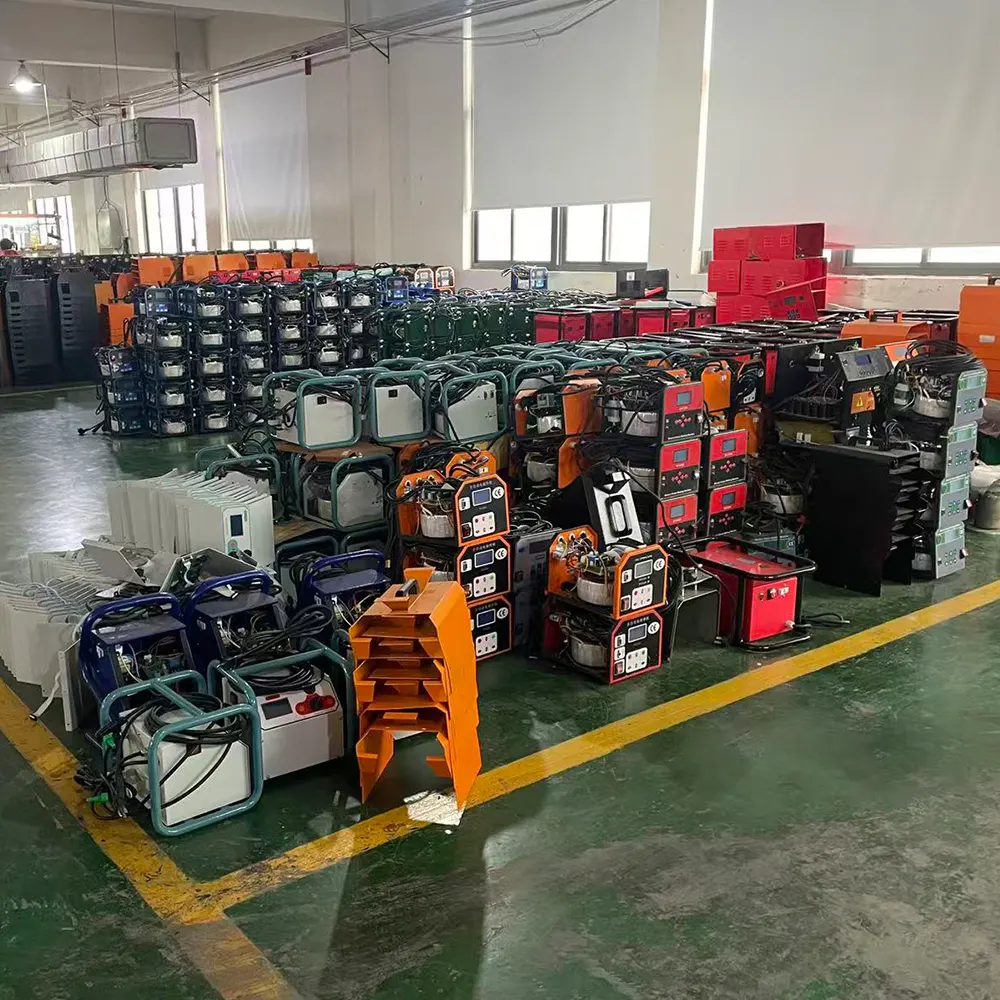
- Key advantage: Compact, ideal for tight spaces, perfect for repairs and tie-ins.
- Best for: Gas distribution networks, confined trench work, saddle connections, and connecting pipes of different wall thicknesses.
- Pipe range: 20mm – 710mm+.
These units read barcodes or QR codes on fittings to apply the correct fusion parameters automatically, reducing operator error. For gas applications, following ASTM F1290 electrofusion guidelines is critical.
5. Multi-Angle Pipe Fitting Welding Machines
Standard butt fusion machines join pipes in a straight line, but pipeline systems often require elbows, tees, and other custom configurations. Multi-angle fitting machines allow welding of segments at various angles, creating prefabricated fittings from HDPE pipe segments.
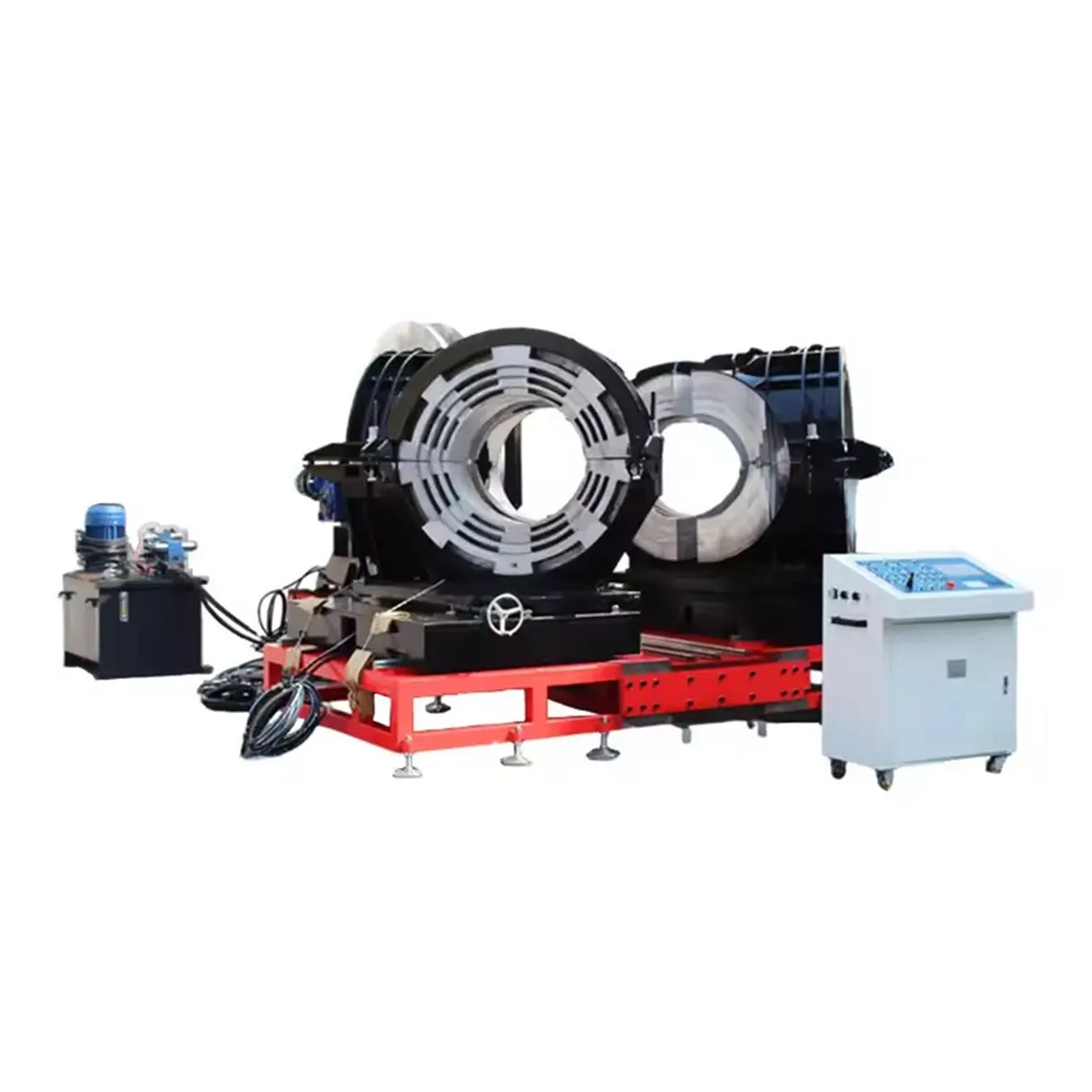
- Key advantage: Ability to fabricate custom angles without injection-molded fittings.
- Best for: Fabrication workshops, large-diameter manifold construction, and special piping layouts.
- Pipe range: 315mm – 1600mm+.
Key Applications Across Industries
| Industry | Typical Jointing Method | Common Pipe Diameter |
|---|---|---|
| Water Supply / Sewer | Butt Fusion, Electrofusion | 110mm – 2000mm |
| Gas Distribution | Electrofusion, Butt Fusion | 20mm – 630mm |
| Mining / Slurry | Hydraulic Butt Fusion | 250mm – 1200mm |
| Industrial / Chemical | CNC Automatic, Butt Fusion | 160mm – 1000mm |
| Landfill / Environmental | Electrofusion, Manual Butt | 63mm – 500mm |
How to Choose the Right HDPE Pipe Jointing Machine
Selecting the correct equipment depends on several factors beyond just pipe diameter. Here are the critical considerations:
Pipe Diameter and Wall Thickness
Small pipes (below 315mm) can be effectively joined using manual or lightweight automatic machines. Medium diameters (315mm–800mm) typically require hydraulic assistance. Large diameters (above 800mm) demand powerful hydraulic systems with robust clamps to handle the weight and alignment of heavy pipe sections.
Project Environment
For confined trench work or repair situations, electrofusion machines are often more practical than butt fusion machines. For open-trench installations of long pipelines, butt fusion — especially with tracked or wheeled carriage systems — offers higher productivity.
Operator Skill and Training
Manual machines require significant operator expertise. If skilled operators are scarce, a CNC automatic butt fusion machine with pre-programmed cycles can help standardize joint quality. However, even automated equipment benefits from proper operator training aligned with heat fusion operator qualification standards.
Traceability and Compliance
Projects governed by international standards — especially in gas and nuclear sectors — often require machines with data logging capabilities. CNC automatic machines can record fusion parameters for every joint, providing an audit trail that satisfies regulatory requirements.
Portability and Power Source
Consider whether the machine needs to run on a generator in remote locations. Manual and smaller electrofusion units are highly portable. Large hydraulic power packs may need 3-phase electric power or a diesel generator, which affects site logistics.
Maintenance and Long-Term Performance
No matter which HDPE pipe jointing machine you select, regular maintenance is essential. Key practices include:
- Heating plate surface: Keep PTFE coatings clean and replace when damaged to prevent sticking.
- Hydraulic oil: Change oil and filters according to manufacturer specifications.
- Clamp alignment: Check and adjust carriage alignment periodically.
- Trimmer blades: Sharp blades produce consistent facing surfaces; dull blades cause uneven heating.
- Calibration: Verify temperature control accuracy using a calibrated pyrometer.
For comprehensive guidance, the PPI butt fusion procedure provides detailed step-by-step instructions that apply across all machine types.
Why Quality Equipment Matters
A poorly executed joint can fail under pressure, leading to costly excavations, environmental damage, or safety hazards. Investing in a high-quality HDPE pipe jointing machine built to recognized standards ensures repeatable results and long service life. JQ-Fusion is a professional manufacturer specializing in HDPE pipe welding machines, providing reliable butt fusion solutions for global infrastructure projects. With a comprehensive range covering manual, hydraulic, and CNC automatic models, the company supports contractors and distributors in achieving precise, durable welds across diverse applications.
Industry Standards and Resources
To ensure your jointing procedures meet international requirements, refer to these authoritative resources:
| Standard / Resource | Focus Area | Link |
|---|---|---|
| ISO 21307 | Butt fusion jointing procedures | View standard |
| ISO 12176-1 | Butt fusion equipment | View standard |
| ASTM F2620 | Heat fusion joining practices | View standard |
| PPI TR-33 | Generic butt fusion procedure | Download PDF |
| PE100+ Association | Technical guidance and best practices | Visit website |
Selecting the right HDPE pipe jointing machine is an investment in your project’s safety, efficiency, and long-term reliability. By understanding the distinct advantages of manual, hydraulic, CNC automatic, and electrofusion technologies — and matching them to your pipe sizes, site conditions, and compliance needs — you can ensure every joint performs as designed. For more detailed product specifications or guidance on choosing the best machine for your next project, explore the full range of HDPE welding equipment available today.



