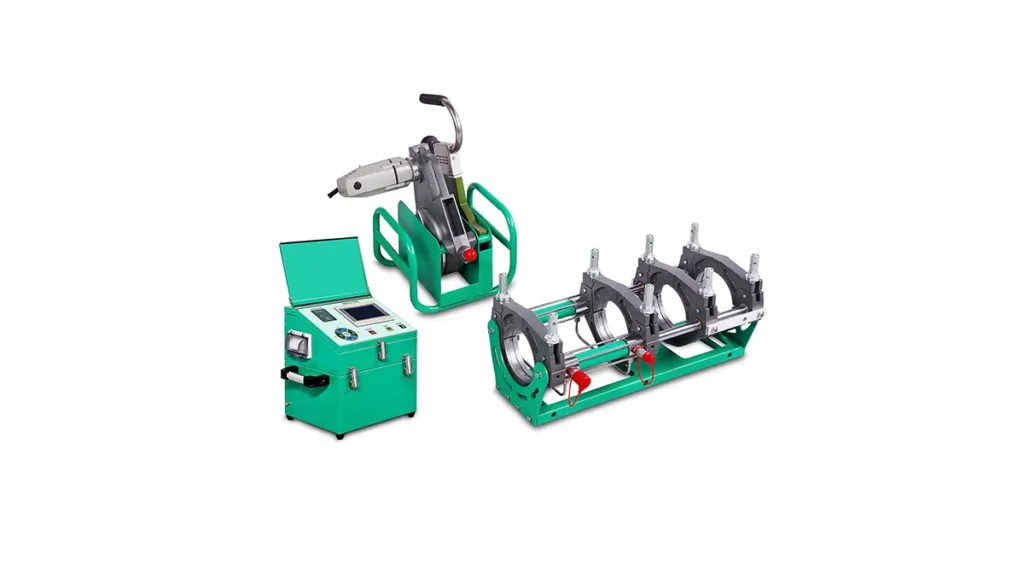
Understanding the Core Technology of an Electrofusion Welder for PE Pipes
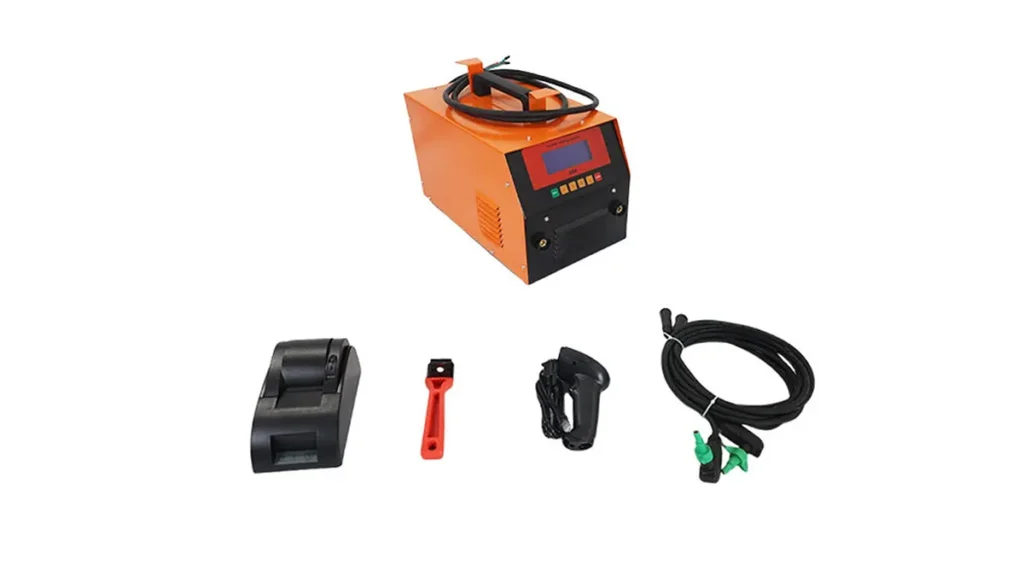
Selecting the right electrofusion welder for PE pipes starts with understanding how this critical joining technology works. Unlike traditional butt fusion, which heats pipe ends directly, electrofusion relies on built-in heating coils within special fittings. When a precise electrical current is applied, the coils heat up, melting the inner surface of the fitting and the outer pipe wall to create an exceptionally strong, homogeneous joint. This method is indispensable for repairs, tight excavations, and complex pipe networks where axial movement is restricted. The reliability of your entire pipeline depends significantly on the precision of the welding machine you choose. A quality electrofusion welder for PE pipes automatically reads the fitting’s barcode or inputs manual parameters, ensuring the exact energy required for PE electrofusion equipment standard compliance is delivered consistently.
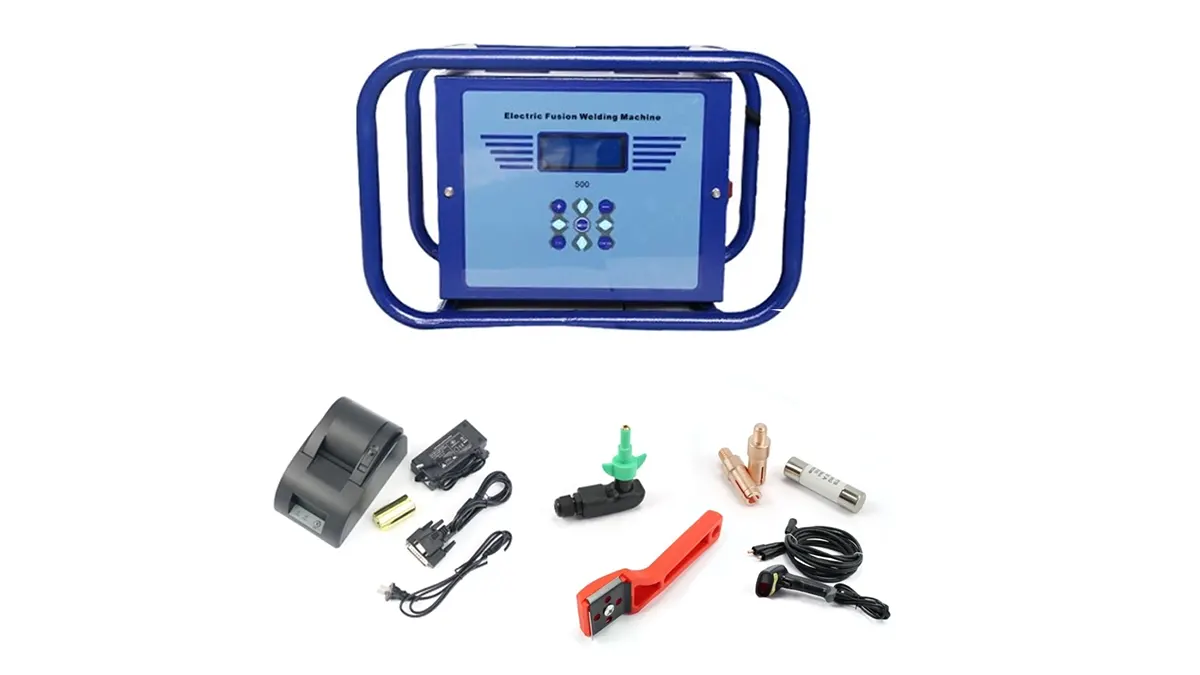
Key Factors Defining a Reliable Electrofusion Machine
Not all machines are created equal when it comes to joining pressure-rated systems. Investing in a high-performance electrofusion welder for PE pipes ensures joint integrity and long-term pipeline safety. The core differentiator lies in the accuracy of the electrical output and data management. A robust machine must actively compensate for ambient temperature fluctuations to prevent cold cracks or overheating. Furthermore, modern infrastructure projects demand full traceability. Users should look for machines that adhere to strict ASTM F1290 electrofusion practices, offering comprehensive data logging features that record fusion time, voltage, and operator details, often transferable via USB or Bluetooth for project PE fusion traceability.
Voltage Stability and Power Input Range
In remote construction sites, generator power is often unstable. A dependable electrofusion welder for PE pipes must feature a wide voltage input window and built-in stabilization to protect the delicate fusion cycle from voltage spikes or drops. Look for machines capable of handling input fluctuations without interrupting the jointing process. The ability to deliver pure, stable power regardless of the source guarantees that the heating element melts the polyethylene uniformly, preventing the catastrophic failures associated with interrupted fusion cycles.
Data Logging and Traceability
Global standards like what is PE electrofusion emphasize documentation. A professional machine acts as a digital record keeper. The best models store thousands of weld records, detailing exact parameters, dates, and operator IDs. This feature transforms the tool from a simple heater into a quality assurance asset, allowing inspectors to verify that every joint meets the project’s specific PPI electrofusion guide requirements.
Comparing Electrofusion Machine Specifications
To navigate the market effectively, comparing the technical specifications of different models is essential. The table below illustrates the key differences between two distinct professional-grade options designed for varying site demands, helping you identify the right electrofusion welder for PE pipes for your specific workload.
| Feature | JQEA Model | JQEB Model |
|---|---|---|
| Input Power | 120V to 250V AC, Generator Ready | 110V / 220V AC with Wide Range |
| Output Range | 8V to 48V AC | 8V to 42V AC |
| Fitting Range | Up to 1200mm OD | Up to 630mm OD |
| Data Management | USB Export & Printer Compatible | Internal Storage with Barcode Scanner |
| Feature | Full-Graphic Display, Heavy-Duty Cable | Compact Design, Lightweight Casing |
Application Environments and Machine Durability
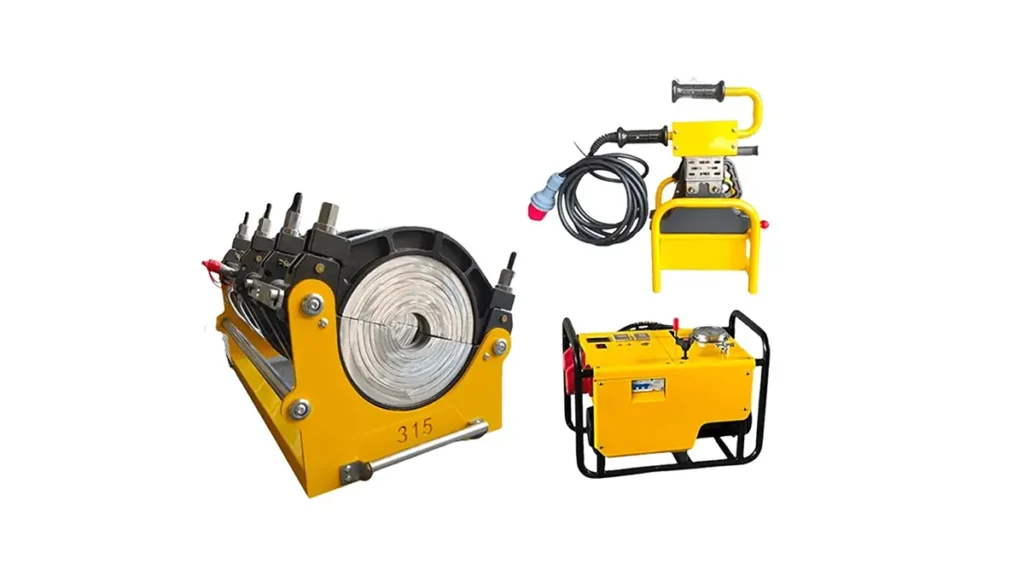
The working environment dictates the ruggedness required of your electrofusion welder for PE pipes. For gas distribution networks in urban trenches, space is tight, often requiring a compact unit that can be operated with minimal clearance. Conversely, large-scale water supply projects involving hydraulic butt fusion welding machines might utilize electrofusion for tie-ins where large diameters demand maximum power output. The ingress protection (IP) rating is non-negotiable; dust and moisture are constant threats on site. A heavily sealed case and robust connection terminals ensure the machine survives the daily knocks of a busy construction site without calibration drift.
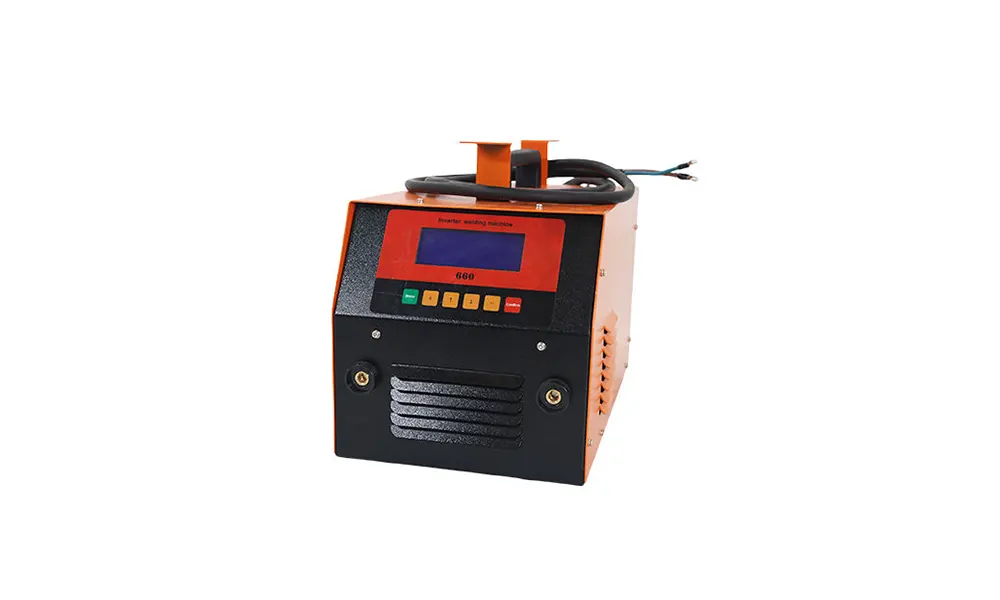
Why Operator Skill Still Matters
Even the most automated electrofusion welder for PE pipes cannot compensate entirely for poor preparation. Scraping the oxide layer off the pipe surface to expose virgin material is the single most critical manual step before jointing. A great machine makes the process easier by guiding the operator through the stages, but the responsibility for pipe alignment and cleanliness remains with the user. Look for machines that offer clear visual prompts and error codes. The synergy between a trained operator and an intelligent machine results in joints that last a century. Training resources often reference the PE pipe jointing best practices to minimize human error.
Key Pre-Welding Checks Checklist
- ✓ Surface Preparation: Scrape the pipe ends thoroughly to remove the oxidized surface layer.
- ✓ Cleanliness: Wipe the joint area with approved isopropyl alcohol to eliminate grease and dirt.
- ✓ Alignment: Ensure the pipe is perfectly round and re-round clamps are used if necessary.
- ✓ Cooling: Lock the assembly and allow full cooling time under zero stress before moving.
Selecting the Right Power Source for Your Welder
Matching the generator to the electrofusion welder for PE pipes is a common pitfall. While an electrofusion unit draws relatively low current compared to other construction tools, the purity of the sine wave is vital. Inverter generators are generally preferred because they deliver clean, stable power that protects sensitive microprocessor controls. When working on extensive pipelines that also require CNC automatic butt fusion machines, site managers must plan a robust power grid or dedicated generator sets to avoid cross-tool interference that might corrupt an electrofusion cycle.
Maximizing ROI with Smart Machine Features
A professional electrofusion welder for PE pipes is an investment in project efficiency. Modern units offer input methods ranging from optical barcode readers to manual parameter entry, ensuring compatibility with fittings from various manufacturers worldwide. The translation between theoretical power and a flawless joint lies in the algorithm processing environmental temperature data. Machines that adjust energy input dynamically based on real-time ambient readings prevent brittle joints in winter and excessive melt-out in summer. Furthermore, the ability to generate permanent PDF fusion reports directly on-site slashes paperwork time and significantly reduces the risk of non-compliance during third-party audits.
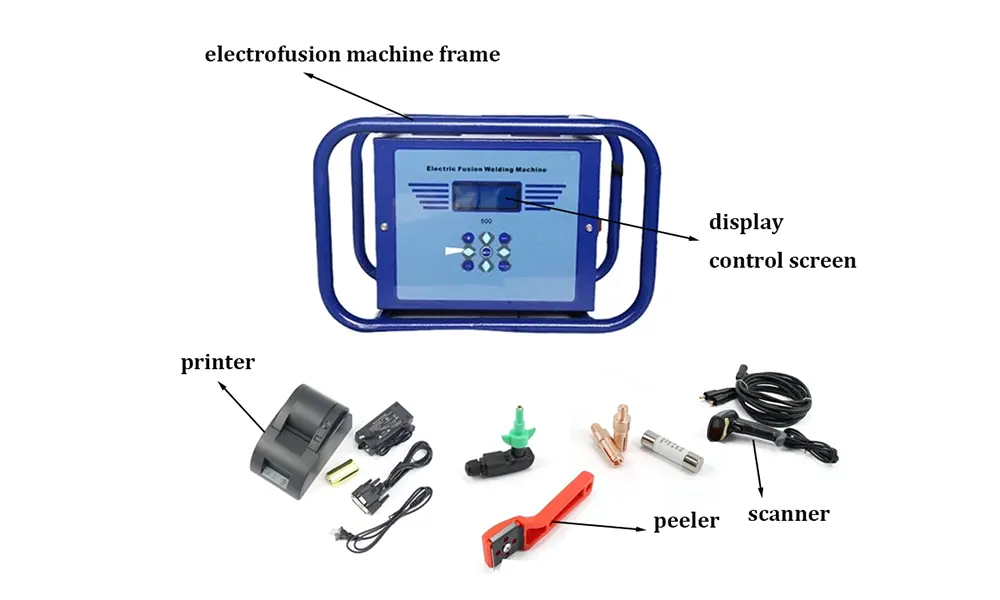
Critical Maintenance and Calibration
To keep your electrofusion welder for PE pipes performing accurately, regular service is mandatory. Key maintenance actions include:
- Connector Care: Inspect output terminals for wear or oxidation that can increase electrical resistance.
- Cable Integrity: Check extension cable insulation for cuts that could disrupt current flow.
- Annual Calibration: Send the unit for bench calibration to verify the output matches the display readings.
Manufacturer Commitment to Quality
Behind every reliable pipeline is a manufacturer that understands the stakes. JQ-Fusion develops advanced electrofusion technology that aligns perfectly with global infrastructure demands. Their dedication to precision engineering ensures that every machine provides the stable heating and accurate data logging required for critical applications. By merging durable hardware with intuitive software, they deliver solutions that help contractors achieve dependable pipe joining performance in the field. Whether you are managing a gas distribution upgrade or a complex industrial installation, selecting the right tool is foundational to long-term success.