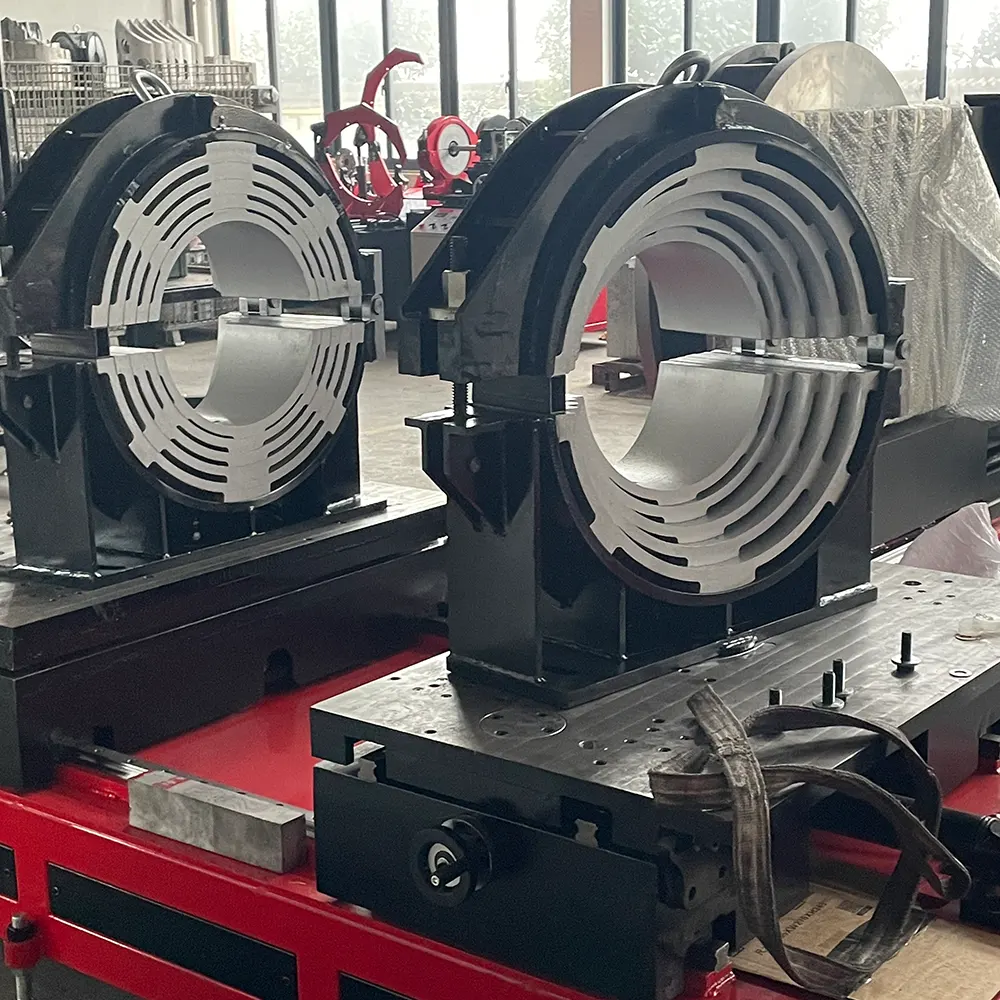
High-density polyethylene (HDPE) pipes with an SDR17 dimension ratio represent a critical balance between pressure-bearing capacity and flow efficiency in modern infrastructure. The Standard Dimension Ratio of 17 indicates a specific wall thickness that handles moderate pressure loads, making it a common choice for water distribution, industrial lines, and mining applications. Understanding the precise heat fusion methods required for HDPE pipe fusion for SDR17 pipe is essential to maintain system integrity. Incorrect welding parameters easily lead to joint failures, leaks, or reduced service life, so mastering the proper techniques is non-negotiable.
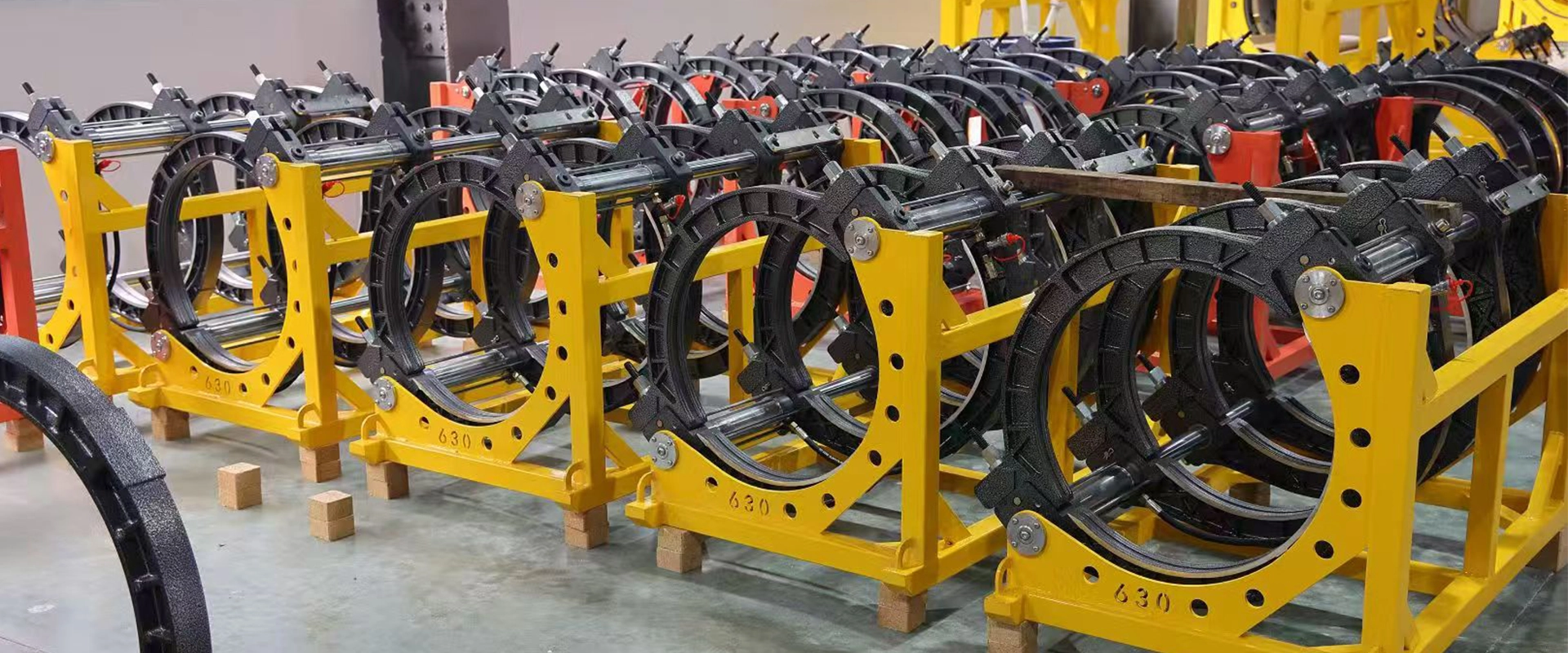
Understanding SDR17 and Its Fusion Requirements
The SDR17 classification means the outer diameter is 17 times the minimum wall thickness. For example, a 500mm SDR17 pipe has approximately a 29.4mm wall thickness. This specific wall profile requires precise heat soak times and cooling cycles during the joining process. Because the wall is substantial enough to retain heat but thin enough to overheat quickly, operators must strictly follow the ISO 21307 butt fusion procedures. The heating plate temperature, typically maintained between 210°C and 230°C, must be consistent across the entire face to guarantee a homogeneous melt bead.
When preparing HDPE pipe fusion for SDR17 pipe, the pipe ends require meticulous facing. The trimmer must peel off thin, continuous strips from both ends simultaneously to ensure perfect squareness and parallelism. Any misalignment beyond 10% of the wall thickness can create a stress riser in the joint. The fusion area also needs protection from wind, rain, or extreme cold, as environmental factors can rapidly cool the molten interface and cause cold fusion, which is a brittle and unreliable joint.
Step-by-Step Butt Fusion Process for SDR17
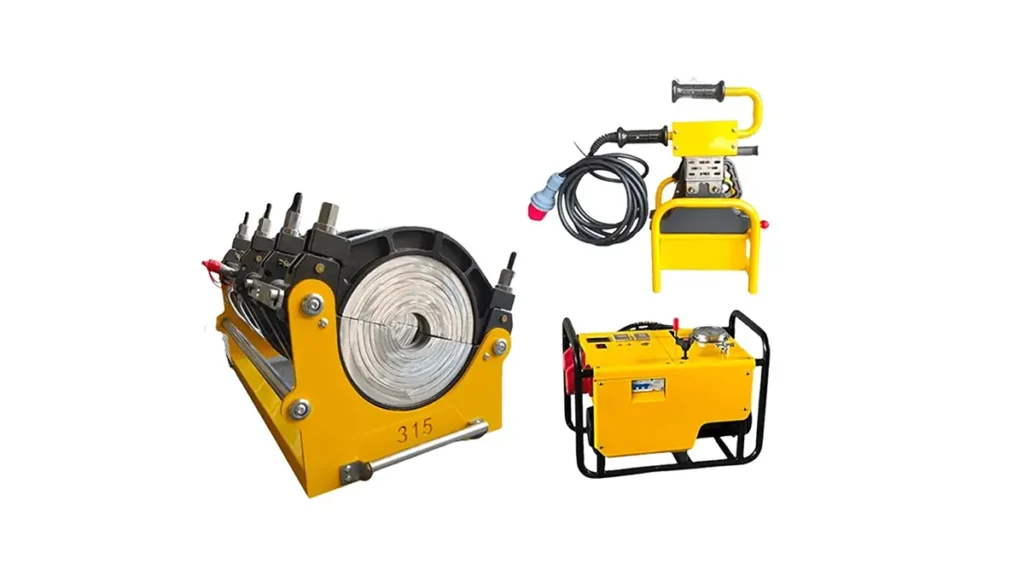
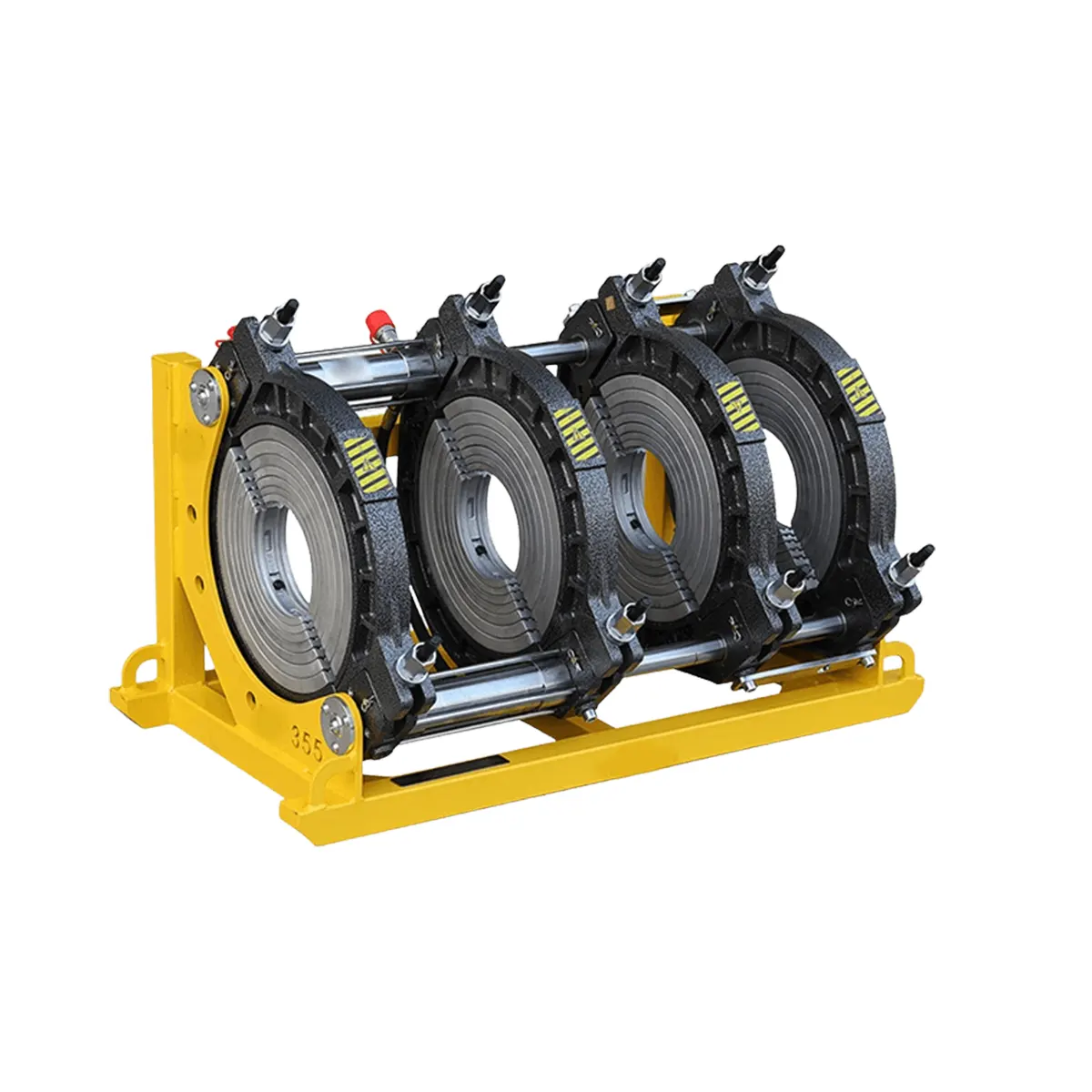
Butt fusion is the primary method for joining SDR17 pipes in diameters above 63mm. The process follows a strict pressure-time-temperature cycle. The table below outlines the typical butt fusion parameters for PE100 SDR17 pipes using a hydraulic butt fusion welding machine.
| Fusion Stage | Action | Key Parameter |
|---|---|---|
| Alignment & Cleaning | Secure pipes in the four-clamp frame | Max. misalignment 0.5mm |
| Facing | Trim ends until full-face contact | Continuous shaving length ≥ 50mm |
| Heating Plate Check | Verify surface temperature and non-stick coating | Plate temp 210-230°C |
| Initial Bead-Up | Apply pressure against hot plate until a consistent bead forms | Bead height = 1-2mm for SDR17 |
| Heat Soak | Reduce pressure to near-zero, allow heat penetration | Time depends on wall thickness (see below) |
| Plate Removal | Quickly separate pipes, remove plate, and close ends | Dwell time ≤ 5 seconds |
| Fusion & Cooling | Apply steady fusion pressure, hold until fully cooled | Cooling time = 1.5 min/mm wall thickness |
The heat soak time is calculated based on the SDR17 wall thickness. A common formula involves 10 seconds per millimeter of wall thickness, though you should always consult the manufacturer’s data. The integrity of the joint relies heavily on the pipe being held immobile in the clamps during the entire cooling cycle under the specified pressure. Releasing the clamps prematurely leads to a cold, stressed joint.
Electrofusion as an Alternative for SDR17
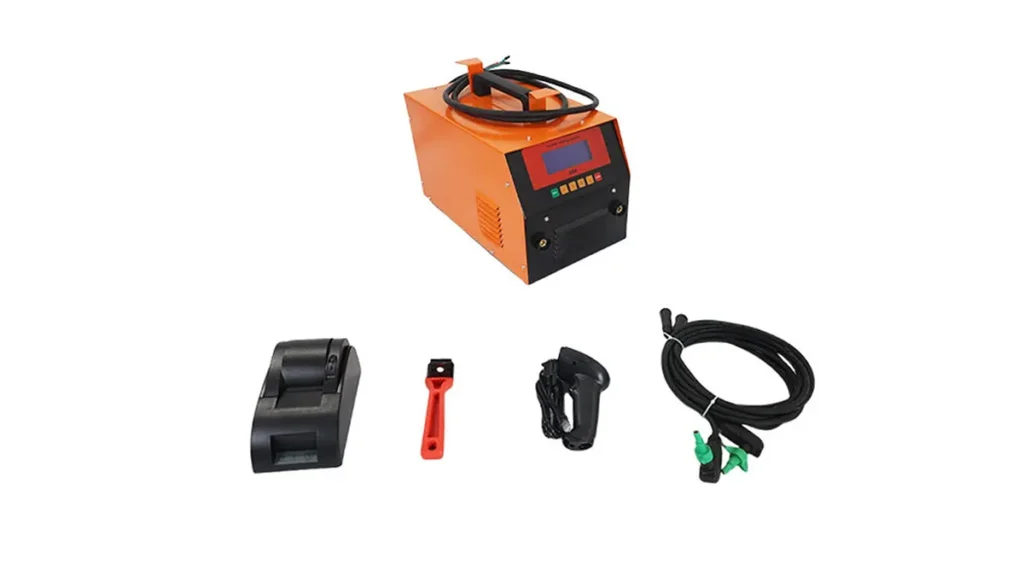
In tight trenches or for repair scenarios, electrofusion offers a reliable alternative for HDPE pipe fusion for SDR17 pipe. Electrofusion fittings have embedded heating wires that melt the interface when a controlled electrical current is applied. This method is particularly useful for SDR17 pipes in diameters up to 400mm where butt fusion machines are impractical. The key to successful electrofusion joints on SDR17 is surface preparation. The pipe surface must be scraped to remove the oxidized layer completely, typically by removing 0.1mm to 0.2mm of material using a rotary scraper, immediately before assembly.
Proper pipe support and reclining restraint are mandatory to prevent movement during the fusion and cooling cycle. The electrofusion control unit automatically adjusts the energy input based on ambient temperature, but the operator must input the correct fusion code. After cooling, the visual indicators on the fitting should be fully popped up, confirming that the process completed successfully. Misalignment in electrofusion for SDR17 is less critical than butt fusion, but the annular gap must be consistent.
Common Issues and Prevention in SDR17 Fusion
Defects in HDPE pipe fusion for SDR17 pipe usually stem from operator error or equipment malfunctions. The table below highlights common visual defects and their root causes.
| Defect | Appearance | Likely Cause |
|---|---|---|
| Corner Cold Bead | Flat, no rounded bead at joint edges | Insufficient heat soak or cold plate |
| Lopsided Bead | Uneven bead roll-out, one side larger | Misaligned clamps or uneven heating |
| Flat Bead with Voids | Pitted or discontinuous bead surface | Dirty pipe ends or foreign contamination |
| Excessive Bead Roll-Out | Large, flattened bead extruding far out | Overpressure during heating or fusion |
| Centerline Cold Fusion | Visible line separating two beads | Long dwell time or insufficient fusion pressure |
Preventing these issues involves strict adherence to the ASTM F2620 heat fusion standard. Equipment maintenance is equally important. The heating plate surface requires regular cleaning and verification of temperature uniformity. Hydraulic systems in butt fusion welding machines must move smoothly during the changeover from heating to fusing to avoid pressure drops. For SDR17, which is often used in ISO 4427 PE water pipes systems, the joint quality directly impacts public health and safety.
Selecting the Right Equipment for SDR17 Projects
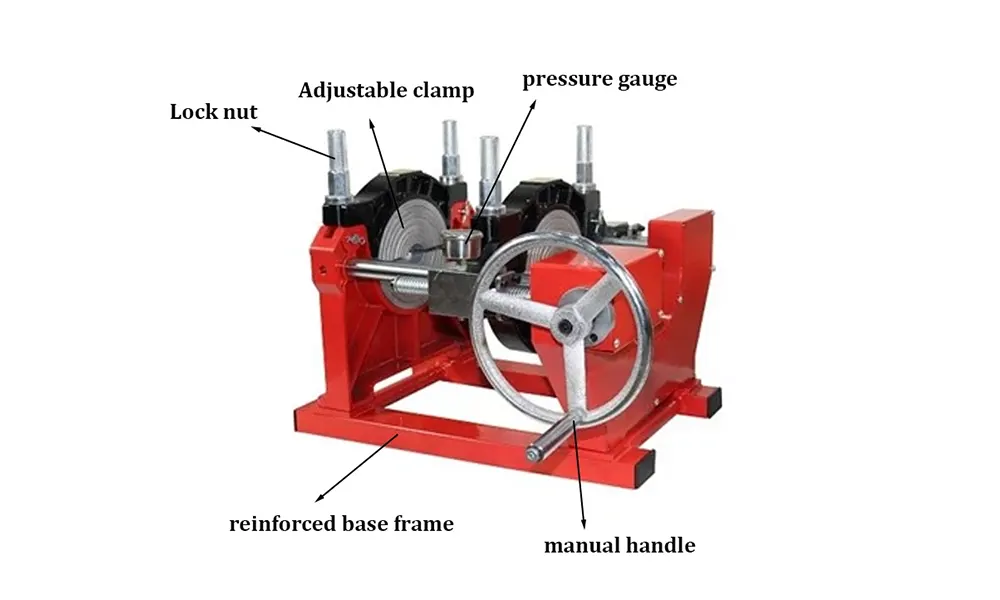
Equipment selection depends heavily on the diameter range and job site conditions. For SDR17 pipes ranging from 200mm to 630mm, a hydraulic butt fusion machine provides the necessary clamping force to overcome drag and properly align the pipe ends. JQ-Fusion offers a comprehensive range of such machines, engineered for consistent pressure delivery. For smaller diameters, a manual or automatic unit suffices, but the critical feature for SDR17 is a rigid frame that prevents angular deflection during the cooling phase. The heating plate must have an accurate digital controller, as a deviation of just 10°C can significantly alter the melt flow rate and compromise the joint.
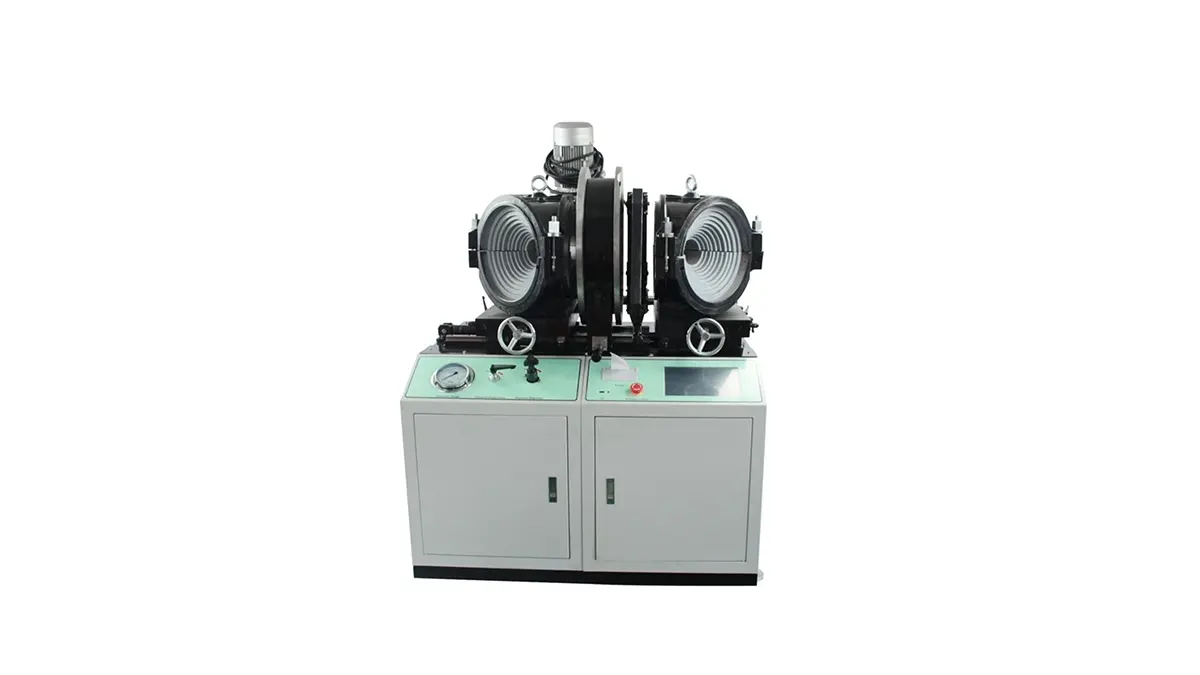
Multi-angle fitting welding machines are indispensable when fabricating elbows, tees, and laterals from SDR17 pipe segments. These specialized machines allow precise angle adjustment while maintaining the flat alignment needed for a proper butt fusion joint.
Best Practices for Long-Term Joint Performance
Achieving a perfect joint on HDPE pipe fusion for SDR17 pipe is a combination of science and skilled craftsmanship. The following checklist consolidates the most critical best practices:
- Data Logging: Record all fusion parameters (pressure, temperature, time) for every joint. This creates a traceable record per the PE fusion traceability requirements.
- Scraper Blade Sharpness: Use a sharp scraper blade for electrofusion preparation. Dull blades burnish the surface instead of cutting it, leaving a low-energy surface that inhibits proper fusion.
- Clamp Inserts: Ensure the clamp inserts match the SDR17 pipe outer diameter exactly. Worn or mismatched inserts cause ovality, preventing full-face contact during the bead-up stage.
- Cooling Time Discipline: Never force-cool a joint with water or compressed air. The crystalline structure of the polyethylene must form naturally under held pressure.
- Operator Qualification: Personnel performing the welding must be certified according to local regulations, demonstrating competence in recognizing acceptable bead shapes and visual defects.
The final joint on an SDR17 pipe should exhibit a uniform double bead that is rounded and symmetrical. The bead width should be roughly 2 to 2.5 times the bead height, and the centerline indentation between the beads should not be deeper than half the bead height. A joint meeting these visual criteria, backed by proper parameter documentation, will reliably perform for decades under its designed pressure rating.