High-density polyethylene (HDPE) pipes have become the preferred choice for natural gas distribution networks worldwide. Their corrosion resistance, flexibility, and leak-free joint integrity make them superior to traditional steel pipes. However, the performance of an HDPE gas pipeline depends heavily on the quality of the welding joints. Selecting the right HDPE gas pipe welding equipment is critical to ensuring long-term safety and compliance with international standards.
Why Proper Welding Equipment Matters for Gas Pipelines
Gas distribution systems operate under strict safety regulations. A poorly executed fusion joint can lead to catastrophic leaks. The right butt fusion welding machines ensure consistent heating temperature, proper alignment, and adequate fusion pressure — all essential for creating joints that are as strong as the pipe itself. According to PE gas piping systems standards, welding equipment must meet precise performance criteria to be suitable for gas applications.
Main Types of HDPE Gas Pipe Welding Equipment
The market offers several categories of fusion equipment, each designed for specific pipe diameters, project scales, and operator skill levels. Understanding the differences is the first step in making an informed purchase.
| Equipment Type | Operating Principle | Best For | Typical Pipe Range |
|---|---|---|---|
| Manual Butt Fusion | Hand-lever operated clamping and facing | Small-diameter gas service lines | 40mm – 315mm |
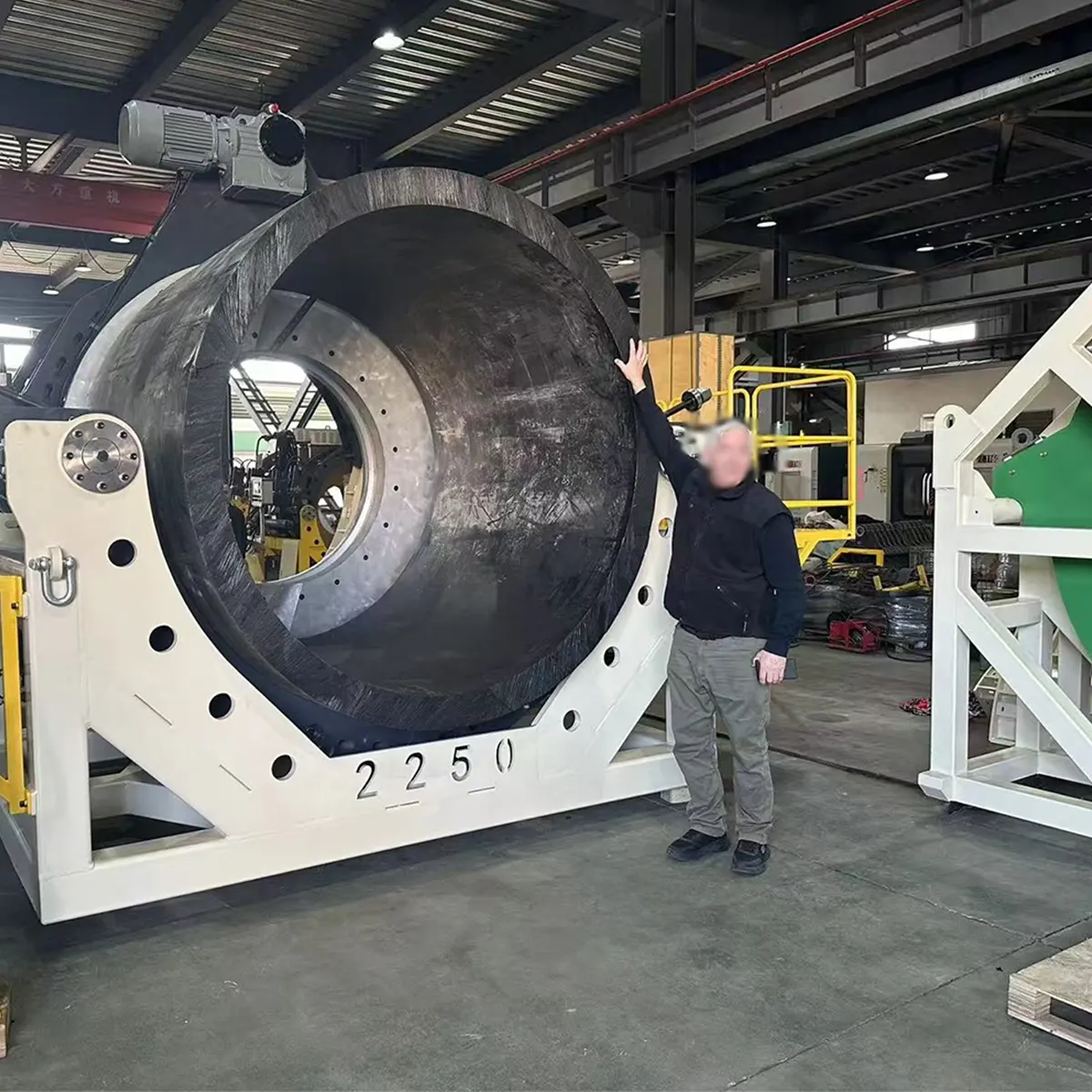
| Hydraulic Butt Fusion | Hydraulic power for clamping, facing, and fusion | Medium to large gas mains | 160mm – 2250mm |
| CNC Automatic Butt Fusion | Programmable control with data logging | Projects requiring traceability | 160mm – 630mm |
| Electrofusion | Electric current through embedded wire coils | Repairs, tight spaces, small diameters | 20mm – 800mm |
| Multi-Angle Fitting Welding | Specialized clamps for elbows, tees, and reducers | Fabricating custom gas fittings | Up to 1600mm fittings |
Butt Fusion Welding Machines for Gas Applications
Butt fusion remains the most widely used method for joining HDPE gas pipes. The process involves heating the pipe ends against a temperature-controlled plate, then pressing them together under controlled pressure. Hydraulic butt fusion equipment dominates large-scale gas projects because it delivers the consistent force needed for thick-walled pipes operating at higher pressure ratings.
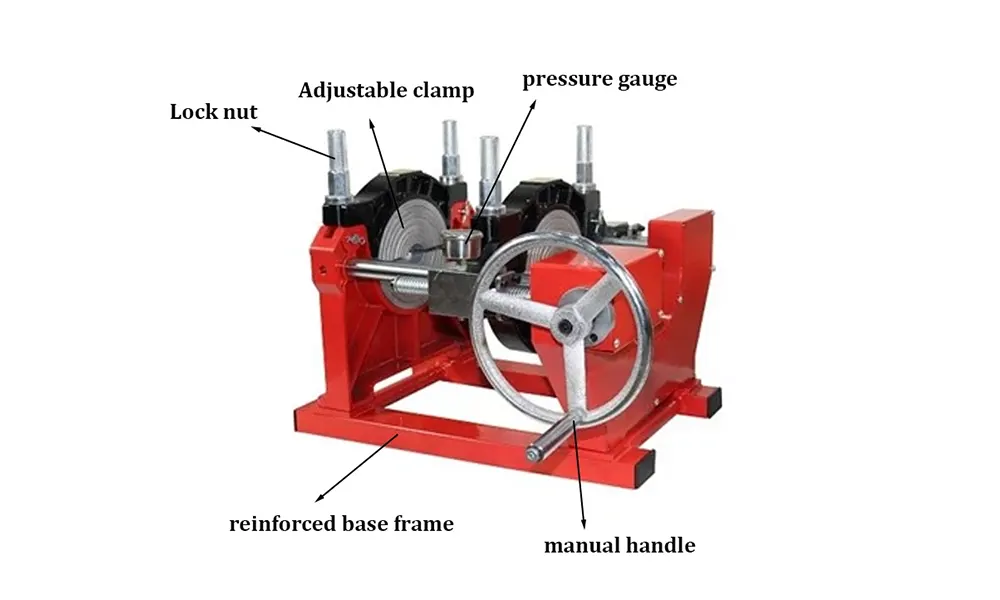
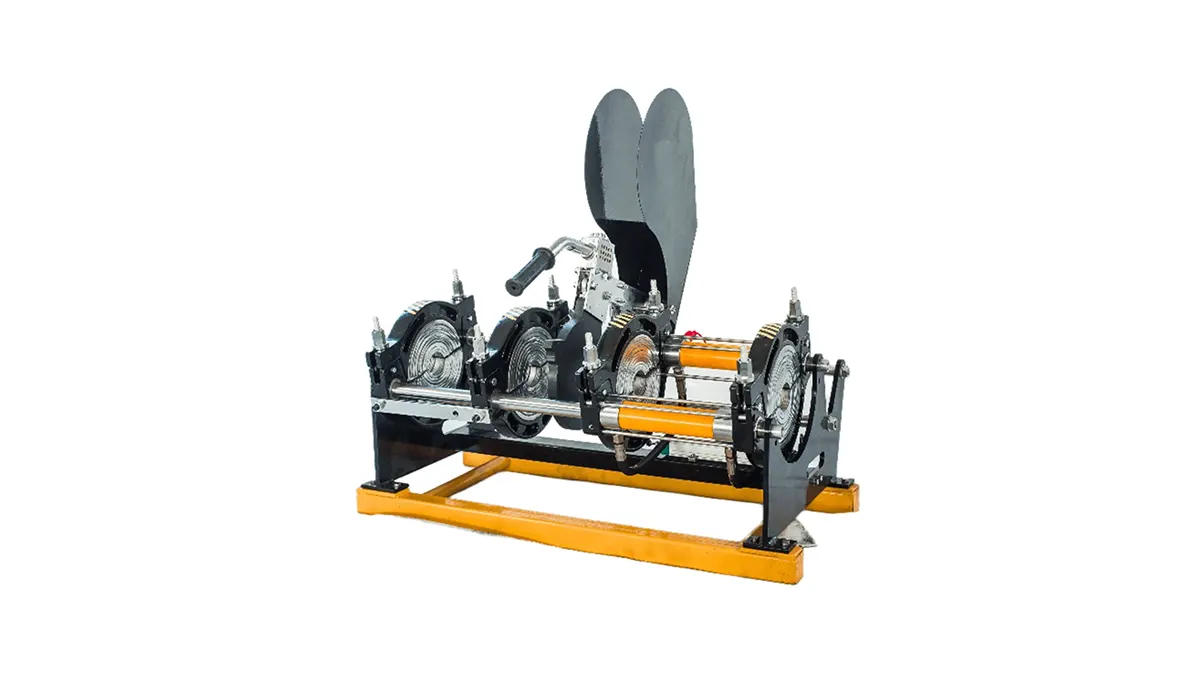
Manual Butt Fusion Machines
These compact, portable units are ideal for small-diameter gas service connections. Operators use hand levers to secure pipes, face the ends, and apply fusion force. They are cost-effective for contractors handling residential gas line installations. Key features to look for include:
- Rigid frame construction to prevent misalignment during welding
- Precision-machined clamps for secure pipe holding
- Digital temperature controllers with ±1°C accuracy
- Quick-release trimmer for efficient facing operations
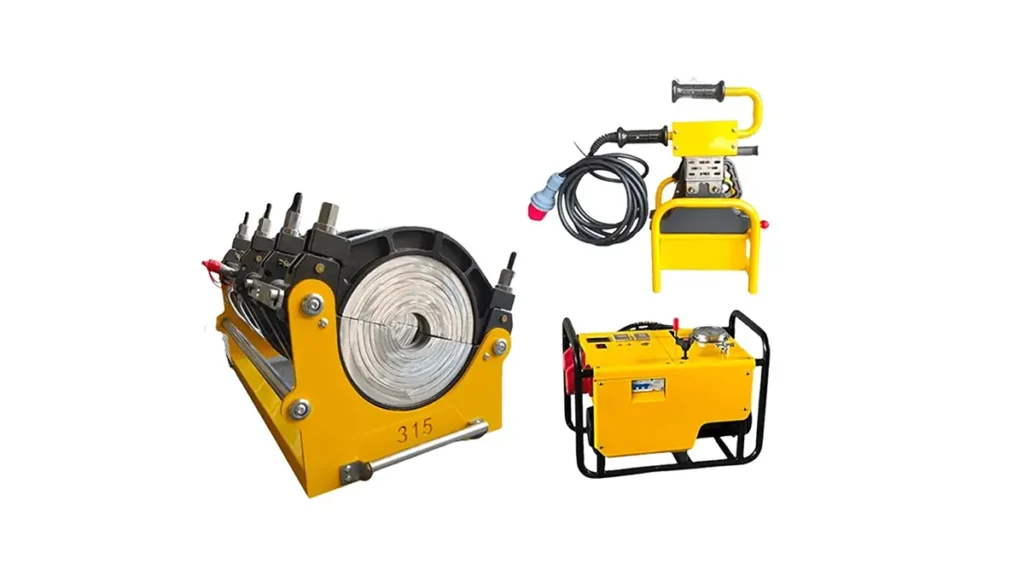
Hydraulic Butt Fusion Equipment
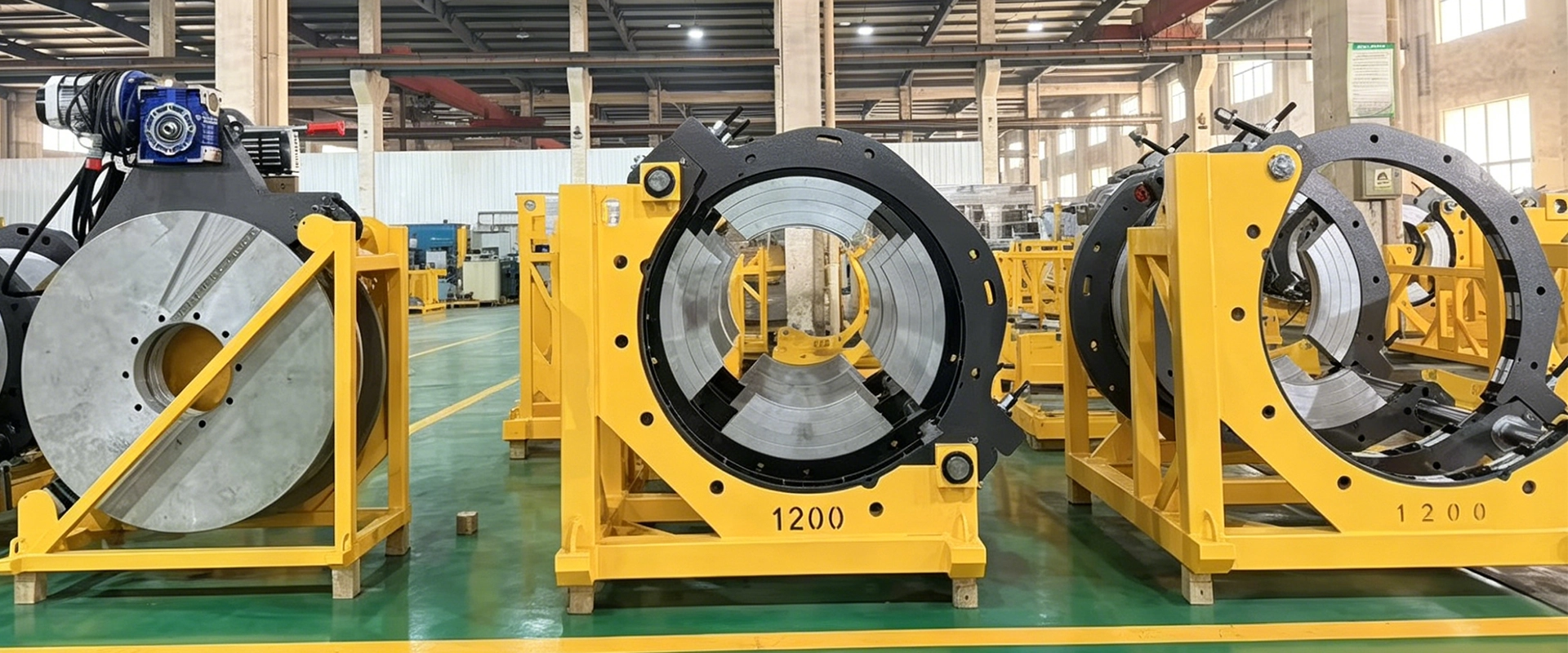
For medium to large-diameter gas distribution mains, CNC automatic fusion machines and hydraulic systems are indispensable. The hydraulic power unit eliminates manual effort, ensuring uniform fusion pressure regardless of pipe size. Modern hydraulic machines feature:
- Integrated hydraulic stations with adjustable pressure control
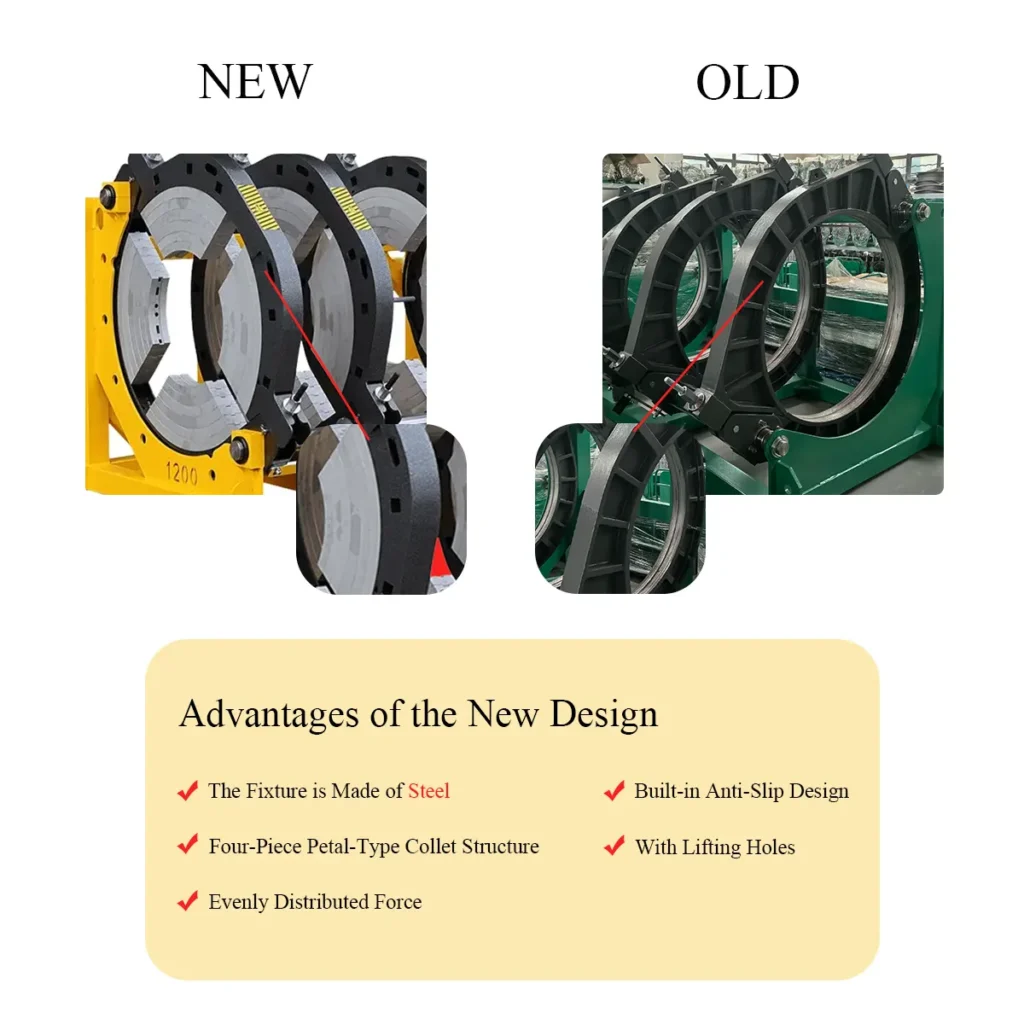
- Aluminum alloy clamps for reduced weight without sacrificing strength
- Removable heating plates with non-stick PTFE coating
- Wheel-mounted frames for on-site mobility
Electrofusion Equipment for Gas Pipe Joining
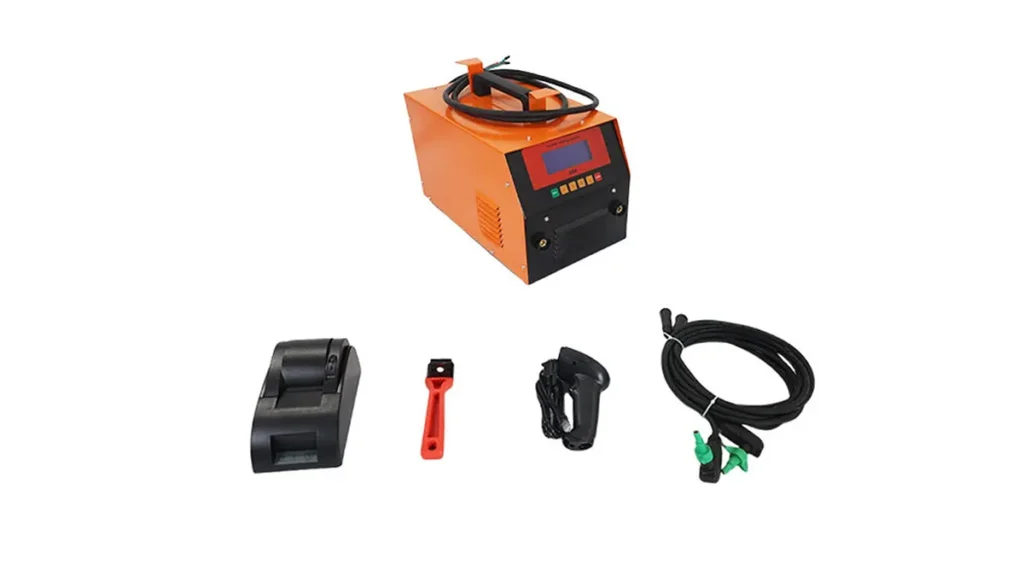
Electrofusion offers distinct advantages where butt fusion is impractical — such as in trenches, repair situations, or when connecting pipes to fittings. The process uses specialized fittings with embedded heating coils. An electrofusion machine sends a precise current through the coil, melting the surrounding material to form a homogeneous joint. According to PE butt fusion equipment standard guidelines, electrofusion control units must read barcode or RFID data from fittings to automatically set welding parameters.
Key Electrofusion Machine Features
- Automatic barcode scanning for error-free parameter input
- Data logging capability for joint traceability per ISO 21307 butt fusion procedures
- Wide input voltage range (110V–240V) for field versatility
- Weather-resistant housing for outdoor gas project conditions
CNC Automatic Butt Fusion Machines
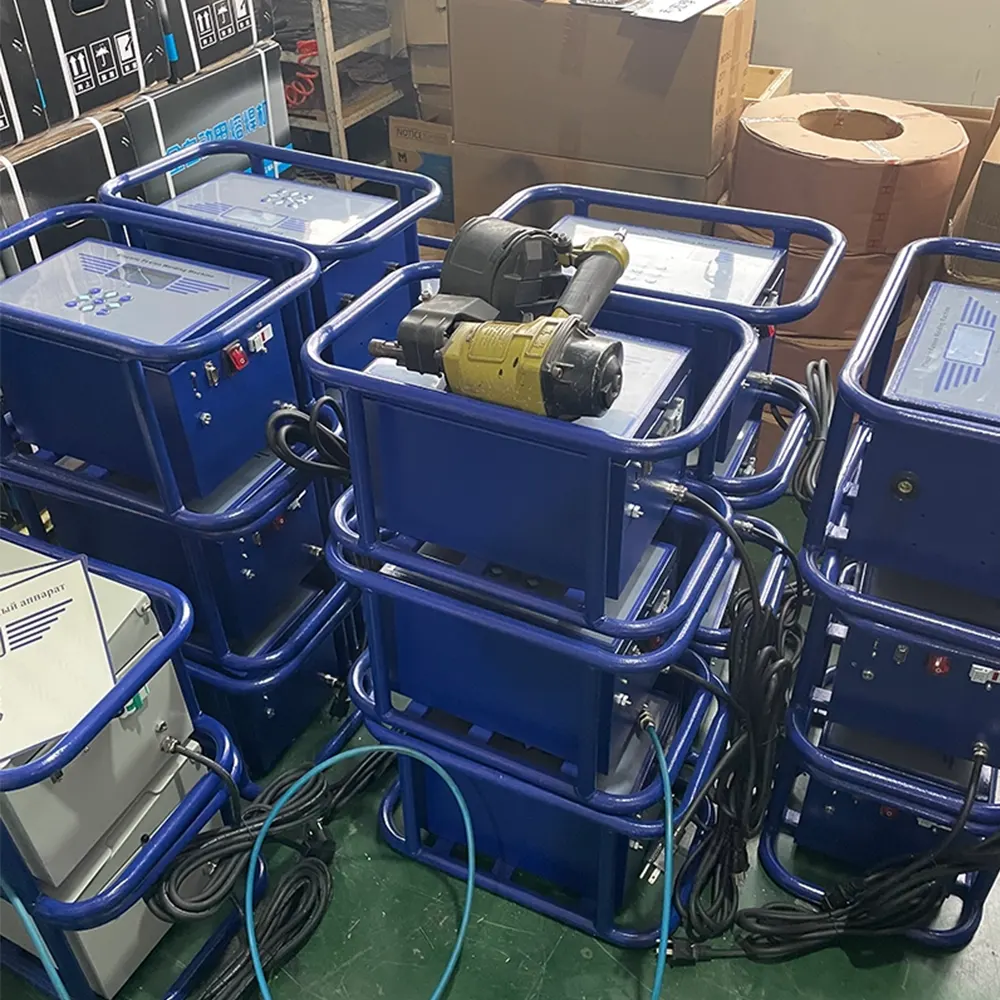
When gas utility companies demand full documentation of every weld, CNC automatic butt fusion machines are the gold standard. These systems automate the entire welding cycle — from bead-up to cooling — and record parameters such as temperature, pressure, and time. The data can be exported for quality assurance audits. This level of control helps operators comply with ASTM F2620 heat fusion requirements and similar international codes.
Factors to Consider When Buying HDPE Gas Pipe Welding Equipment
Investing in welding machinery requires careful evaluation of your specific operational needs. Below are the most critical purchasing considerations:
1. Pipe Diameter Range
Match the machine’s clamping range to your typical project requirements. A manual butt fusion tool may suffice for diameters up to 315mm, while gas transmission mains exceeding 500mm demand hydraulic systems capable of handling heavy wall thicknesses.
2. Welding Standards Compliance
Verify that the equipment meets applicable norms for gas applications. Key standards include ISO 21307, ISO 12176-1, ASTM F2620, and national regulations such as those from the Pipeline and Hazardous Materials Safety Administration (PHMSA). Equipment designed with these protocols ensures your joints pass inspection.
3. Portability and Site Conditions
Gas pipeline construction often occurs in remote or rugged terrain. Consider frame-mounted machines with all-terrain wheels, lifting eyes for crane handling, and protective coatings against corrosion in outdoor environments.
4. Data Logging and Traceability
For gas utility work, traceable weld data is increasingly mandatory. CNC automatic and advanced electrofusion units store joint records that can be transferred via USB or wirelessly. This documentation provides legal protection and simplifies regulatory compliance.
5. After-Sales Support and Spare Parts
Durable equipment from established manufacturers minimizes downtime. Companies like JQ-Fusion, which specialize in HDPE pipe welding machines, maintain comprehensive spare parts inventories and provide responsive technical assistance globally. This support network is invaluable when operating in multiple regions.
Common Welding Defects and How Quality Equipment Prevents Them
Even experienced operators encounter issues if their tools are substandard. Here are frequent problems and how proper HDPE gas pipe welding equipment mitigates them:
- Cold joints: Caused by insufficient heating temperature. Precision digital controllers maintain the heating plate at the exact setpoint.
- Misalignment: Results from worn or poorly machined clamps. High-quality aluminum clamps with hardened steel inserts prevent shifting.
- Incomplete fusion: Inadequate fusion pressure. Hydraulic systems with calibrated gauges deliver consistent force throughout the cycle.
- Contamination: Dirt or moisture on pipe ends. Proper facing tools with sharp blades create clean, parallel surfaces ready for heating.
Conclusion
Selecting the right HDPE gas pipe welding equipment is a strategic decision that affects project safety, efficiency, and long-term pipeline integrity. Whether you need a portable manual unit for service lines, a powerful hydraulic system for gas mains, or a traceable CNC automatic machine for utility-grade documentation, the market offers solutions tailored to every requirement. Prioritize equipment that complies with recognized standards, offers robust construction, and is backed by dependable manufacturer support. By investing wisely, gas distribution contractors and utilities ensure their pipelines remain leak-free and reliable for decades.