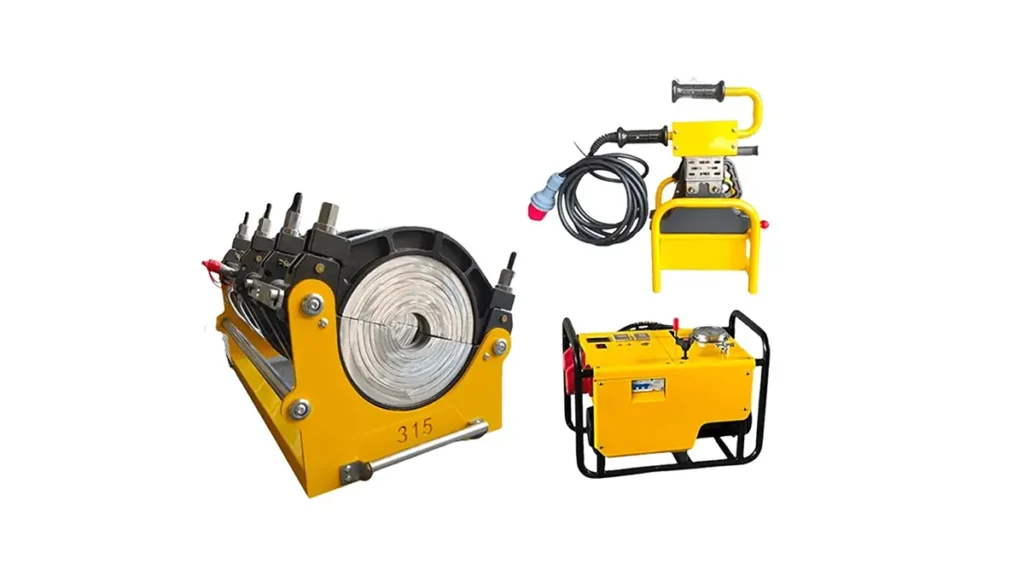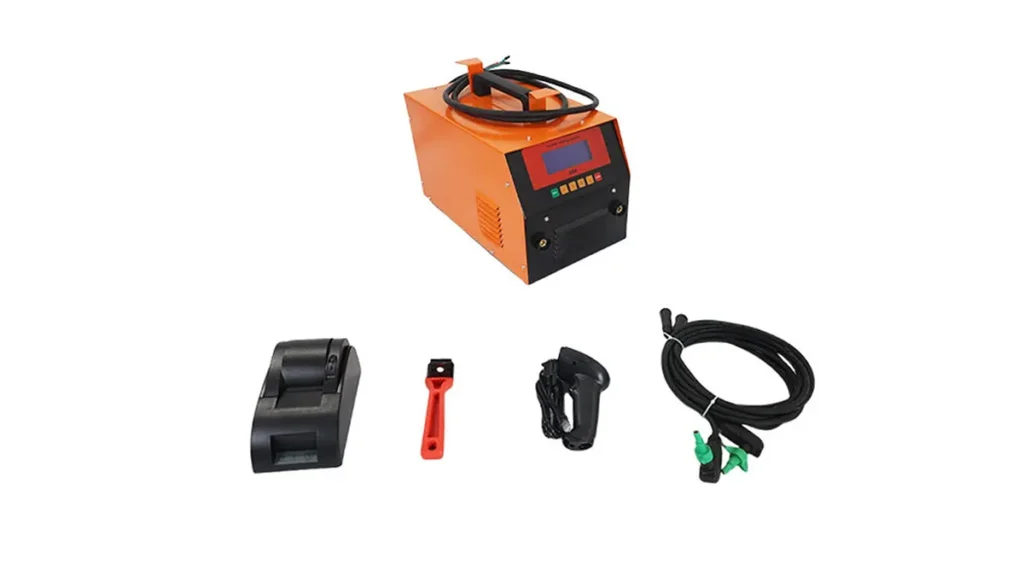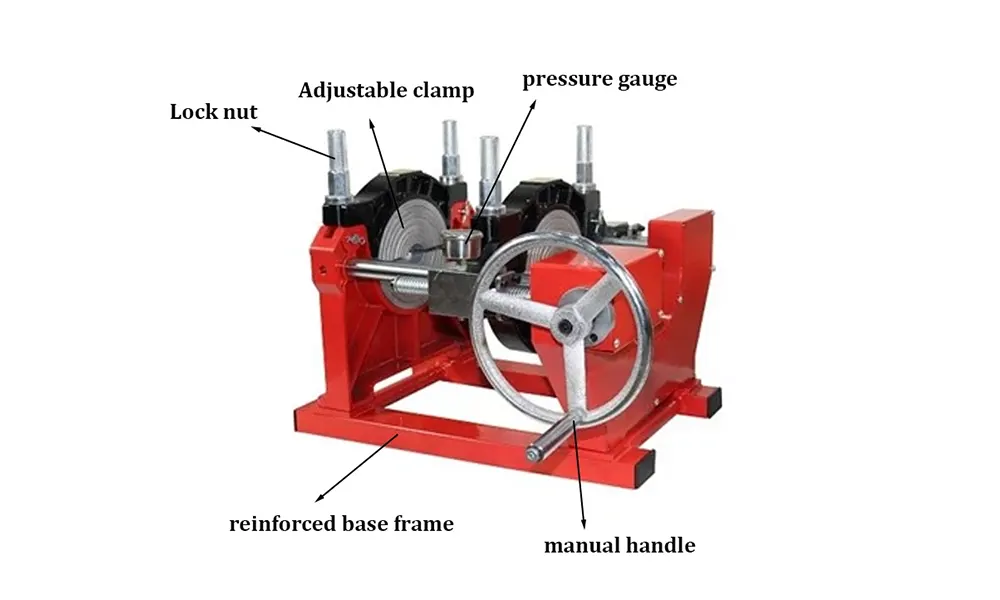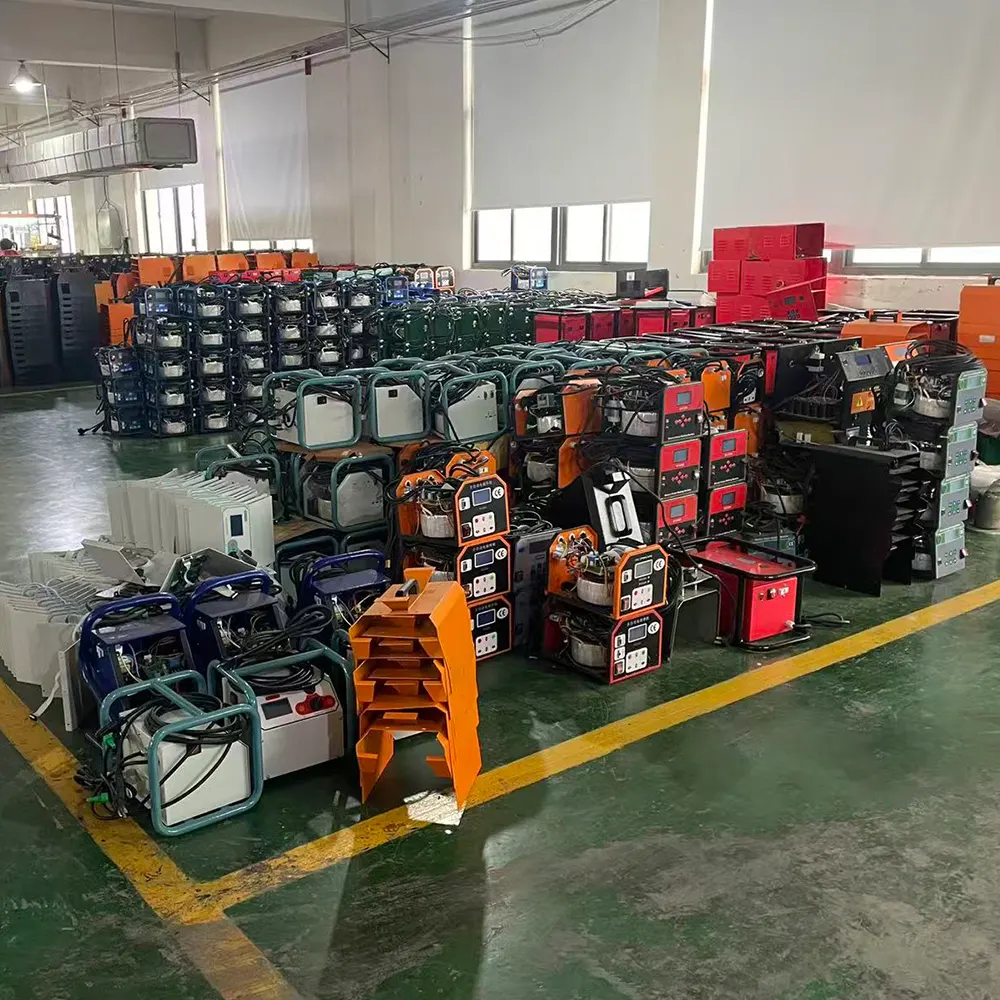
Even the most robust HDPE pipe fusion machine troubleshooting procedures are essential for maintaining pipeline integrity. When a butt fusion welding machine malfunctions, it can lead to cold joints, leaks, or catastrophic pipeline failures. Proper diagnostics are crucial for any technician working with polyethylene piping systems in water supply, gas distribution, or industrial applications. This guide outlines the most frequent issues encountered during the HDPE fusion process, their root causes, and practical on-site solutions.
Whether you are operating a manual, hydraulic, or CNC automatic machine, understanding these common failure points saves time and reduces material waste. For reference, always consult the ISO 21307 butt fusion procedures to ensure your technique aligns with international standards.
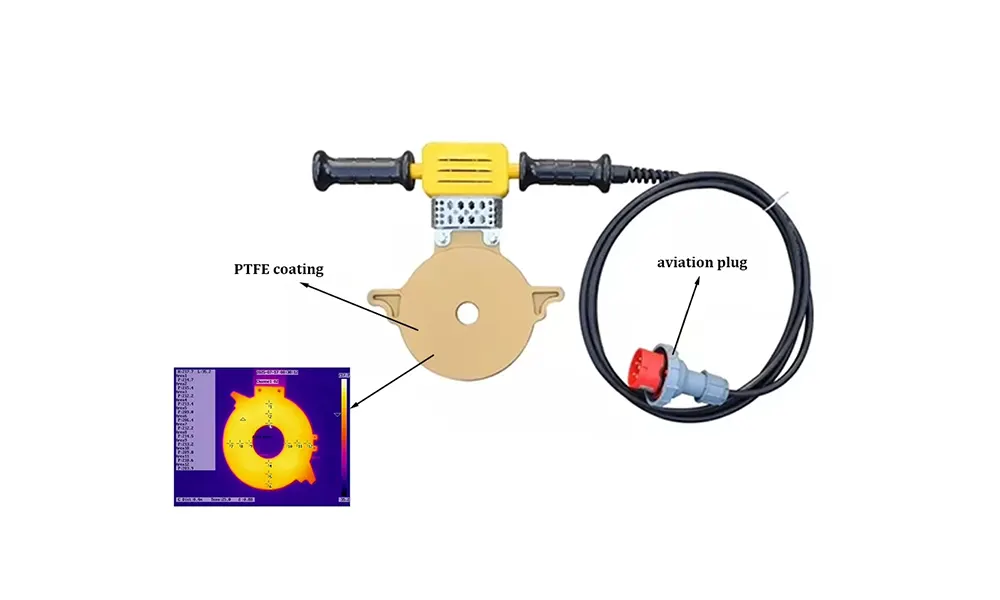
Heating Plate Malfunctions: Temperature Inconsistencies
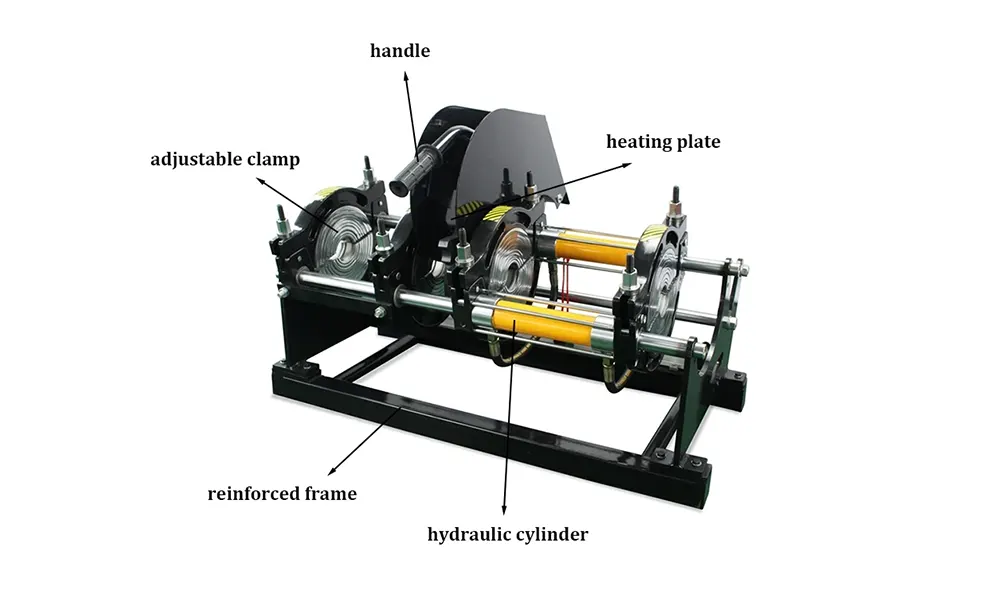
The heating plate is the heart of the butt fusion welding equipment. Temperature deviations are the primary cause of weak fusion joints. Adhering to the PE butt fusion equipment standard ensures the heater surface meets the required uniformity for specific pipe grades.
| Problem | Probable Cause | Solution |
|---|---|---|
| Heater plate not reaching set point | Faulty heating element or damaged thermocouple | Test resistance of the element; replace the thermocouple if readings fluctuate. |
| Uneven temperature across the plate surface | Warped plate or burned-out zones within the internal coil | Use a surface thermometer at multiple points. Replace the entire plate if variance exceeds ±5°C. |
| Sticking or burning of PE material | Non-stick coating (PTFE) is worn or dirty | Clean the plate with a non-abrasive cloth; never use metal scrapers on the Teflon surface. |
When troubleshooting the CNC automatic butt fusion machine, always check the digital controller’s calibration log. A drifted calibration can cause a systematic error in every joint made on-site.
Clamping and Alignment Failures
High axial forces are required during the HDPE pipe fusion machine troubleshooting process to form a proper bead. Misalignment often results in a step-down joint that will fail under pressure testing or hydrostatic stress.
- Pipe Slippage in Clamps: This happens when the clamp inserts are worn or the hydraulic pressure is too low. Check the inserts for embedded dirt and ensure the pressure matches the pipe SDR rating.
- High-Low Misalignment: If two pipes do not match perfectly, adjust the frame’s base leveling screws. For large diameter pipes, use external support rollers.
- Frame Deformation: A bent frame—often caused by dropping the machine—prevents proper alignment. Place a straight edge across the frame rails to verify structural integrity.
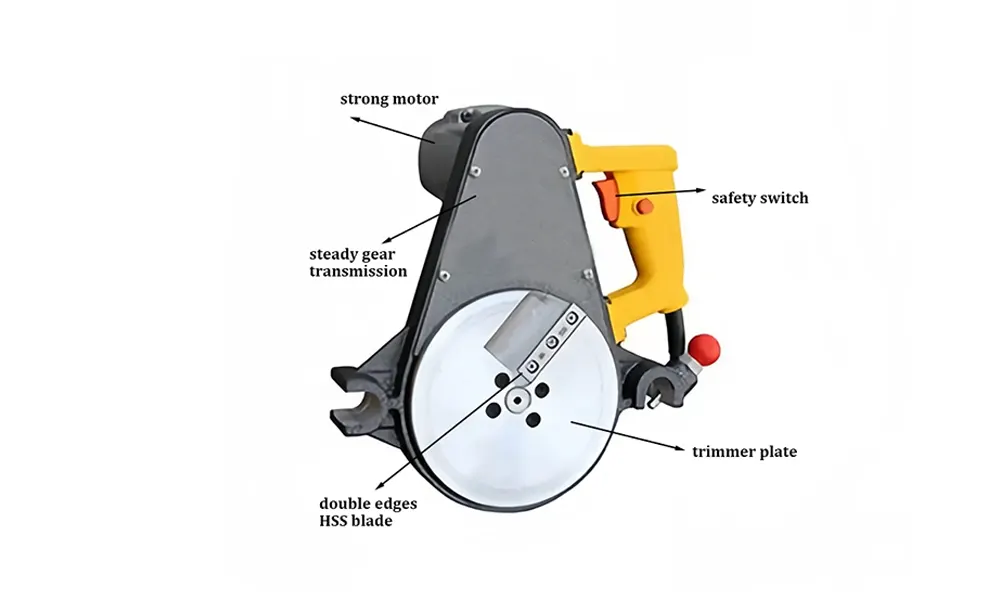
Before facing a pipe end, always inspect the trimmer blade. Dull blades create a grooved surface that traps air, leading to oxidation during heating. According to the PPI technical guidance, a smooth, continuous shaving indicates a correct trimming operation.
Hydraulic Power Unit Failures
The hydraulic system controls the movement of the carriage and the application of fusion force. Proper pressure calculation is vital for a successful joint.
| Symptom | Root Cause | Corrective Action |
|---|---|---|
| Carriage moves erratically or jerks | Air trapped in the hydraulic hoses or low oil level | Bleed the air from the cylinders by cycling the carriage. Top up hydraulic oil to the recommended level. |
| Loss of pressure during the cool-down phase | Internal seal leak in the directional control valve | Monitor the gauge; if the needle drops quickly, rebuild or replace the valve assembly. |
| Machine fails to reach drag pressure minimum | Worn pump or incorrect relief valve setting | Use a pressure calibration kit to set the relief valve. A worn pump requires professional service. |
For hydraulic butt fusion welding machines, always verify the fusion pressure gauge reading against the calculated theoretical value based on the pipe diameter and interfacial pressure requirements.
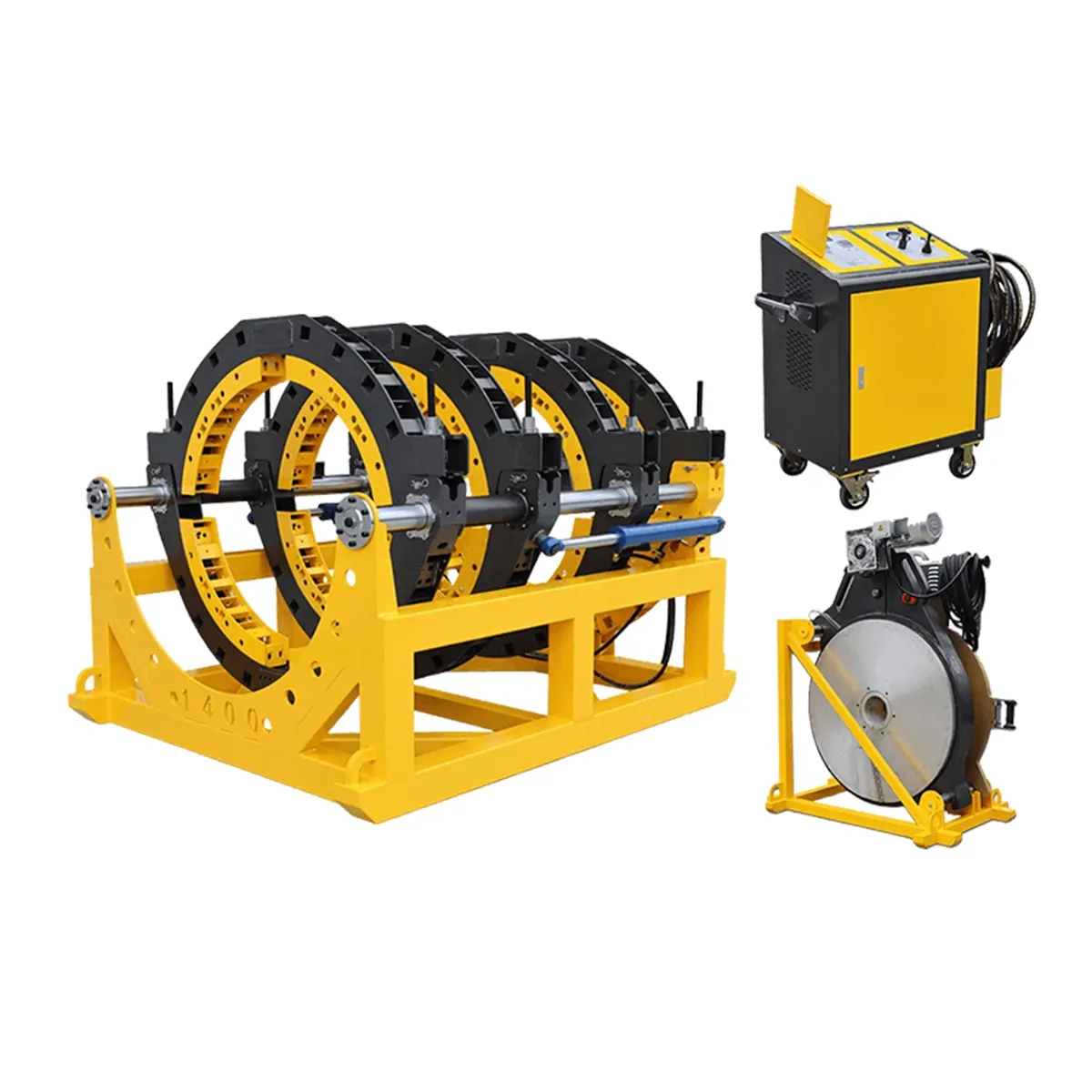
Electrical Malfunctions and Data Logging Errors
Modern machines integrate sensitive electronics that require systematic HDPE pipe fusion machine troubleshooting. Errors often arise from power supply instability or sensor failure.
- Display fails to power on: Check the emergency stop button first. Then, verify the incoming voltage matches the machine’s rating plate.
- Data logger shows “Error” or fails to record: Ensure the ambient temperature sensor is connected. Some loggers lock out if the minimum soak time has not been met per what is HDPE butt fusion standards.
- Motor overload on the trimmer: This often indicates a chip jam or trying to face too much material. Retract the trimmer, clear chips, and advance slower.
Diagnosing Joint Defects Through Visual Inspection
A visual inspection provides immediate clues during pipe fusion diagnostics. The bead size, shape, and color matter significantly.
| Visual Defect | Likely Issue | Remedy |
|---|---|---|
| Flat, thin bead with no curl | Insufficient heating time or low plate temperature | Increase soak time until a proper melt bead is visible all around the circumference. |
| Porous or bubbly bead surface | Moisture contamination or overheating/degradation | Keep pipe ends dry. If the material looks scorched or yellow, reduce the heater temperature immediately. |
| Asymmetrical bead (larger on one side) | Unbalanced hydraulic pressure or misalignment during fusion | Re-calibrate the carriage speed and verify the clamps are holding the pipe concentrically. |
JQ-Fusion provides robust machines designed to simplify this process, but even the best equipment requires routine calibration. For specific operator requirements and safety badges, refer to the PE fusion operator requirements.
Preventative Maintenance Schedule
To minimize unplanned emergency repairs, implement a proactive maintenance routine. Focus on high-wear components during your routine inspection.
| Component | Maintenance Action | Frequency |
|---|---|---|
| Heating Plate | Clean PTFE surfaces; check thermostat calibration | Daily / Weekly |
| Trimmer Blades | Inspect sharpness; rotate or replace | Weekly |
| Hydraulic Hoses & Fittings | Check for abrasion, leaks, and secure connections | Monthly |
| Clamp Inserts | Clean debris; check for cracks | Weekly |
Consistent performance relies on proper machine care. Following these steps ensures compliance with project specifications, whether you are installing municipal water lines or complex industrial piping.
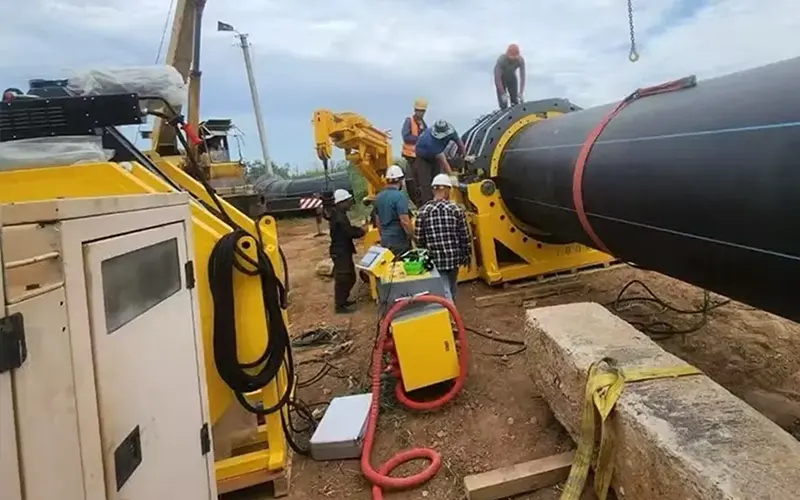
For operators seeking advanced diagnostics on HDPE pipe fusion machine troubleshooting, reviewing the data logs for historical joint parameters is recommended. Understanding the interaction between heating time, hydraulic force, and ambient conditions will enable faster resolution of field issues and maintain pipeline quality assurance.