
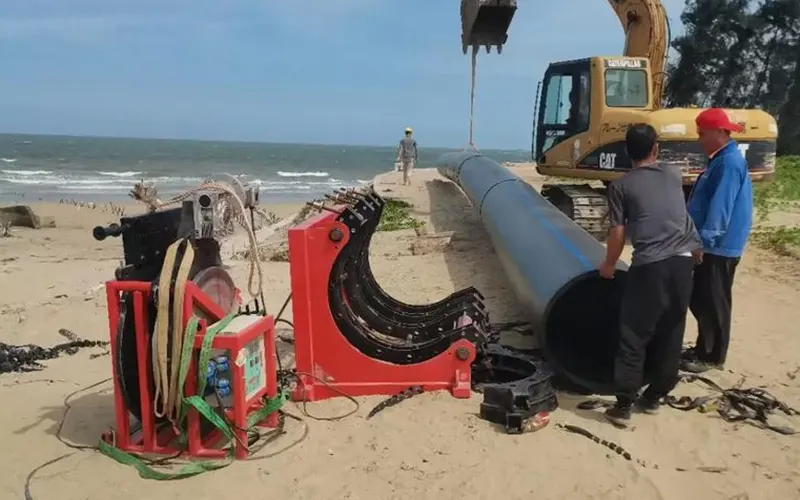
Selecting the right poly pipe fusion machine is a critical decision that directly impacts the integrity of your pipeline system, project timeline, and overall operational costs. Whether you are working on municipal water supply, gas distribution, mining operations, or industrial fluid transport, the quality of the weld joint is non-negotiable. A poorly chosen machine can lead to joint failures, costly rework, and significant safety hazards.
This comprehensive guide breaks down the essential factors in how to choose a poly pipe fusion machine, helping you navigate technical specifications, machine types, and key purchasing considerations. From understanding butt fusion welding machines to evaluating advanced automation, you will gain the clarity needed to make a confident investment.
Step 1: Understand the Core Types of Fusion Machines
Before diving into specifications, it is vital to recognize the primary categories of poly pipe fusion machines. Each type serves distinct project scales and technical requirements. The four main categories are manual, hydraulic, CNC automatic, and electrofusion machines.
Manual Butt Fusion Machines
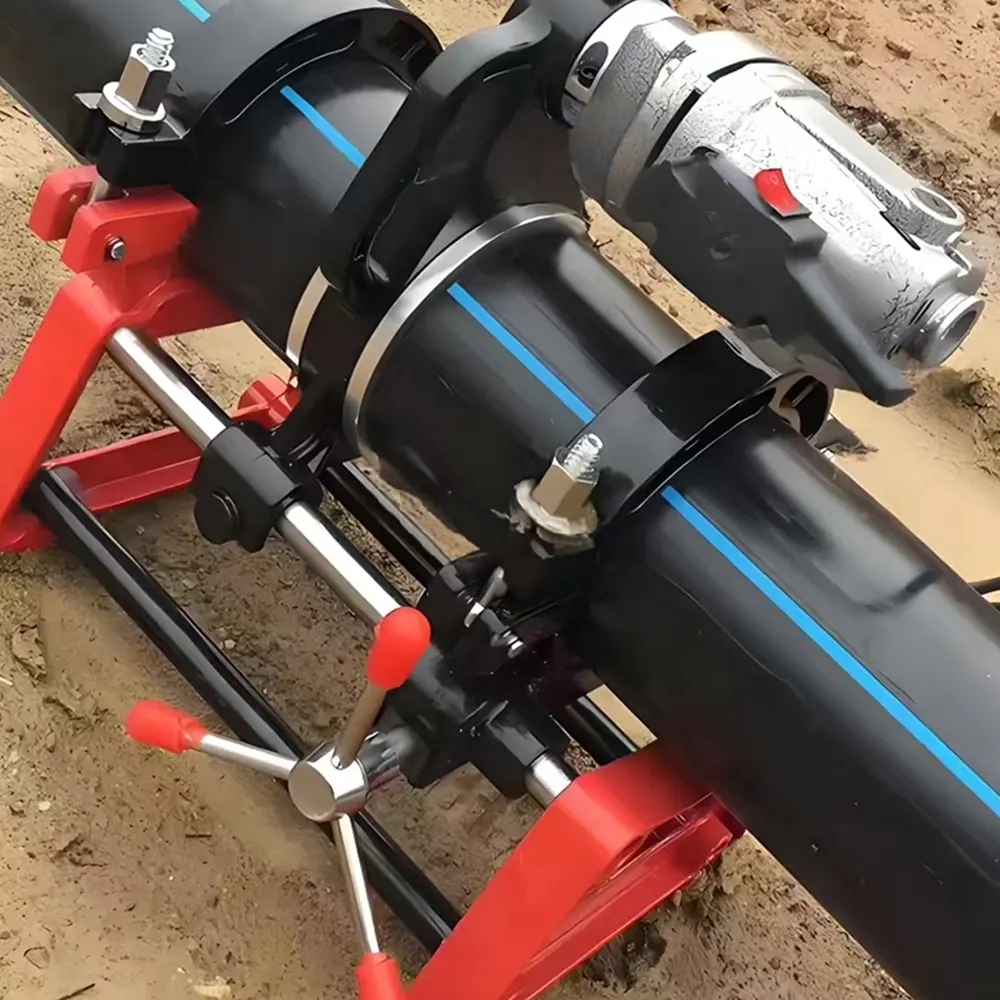
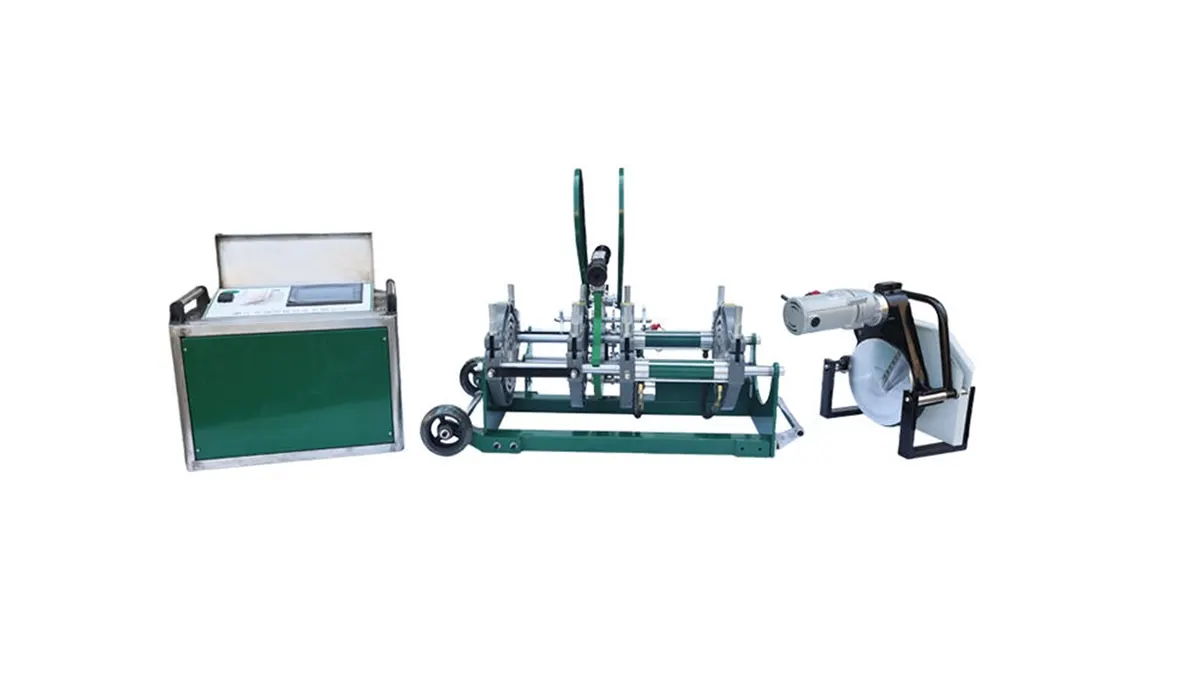
Manual machines are ideal for small-diameter pipes, typically ranging from 63mm to 315mm. They rely on manual lever operation to move the pipe ends for heating and fusion. These machines are lightweight and portable, making them perfect for on-site repairs, rural irrigation, and small-scale plumbing projects. If your budget is limited and your project involves smaller manual butt fusion operations, this is a practical entry point.
Hydraulic Butt Fusion Machines
For medium to large-diameter pipes, hydraulic units are the industry standard. These machines use a hydraulic power pack to control the movement of the carriage, ensuring smooth and precise pressure application. They handle ranges from 160mm up to 2250mm. According to ISO 21307 butt fusion procedures, maintaining consistent interfacial pressure is crucial for creating a homogenous weld, and hydraulic systems excel at this. They are suited for mainline installations in water and gas networks.
CNC Automatic Butt Fusion Machines
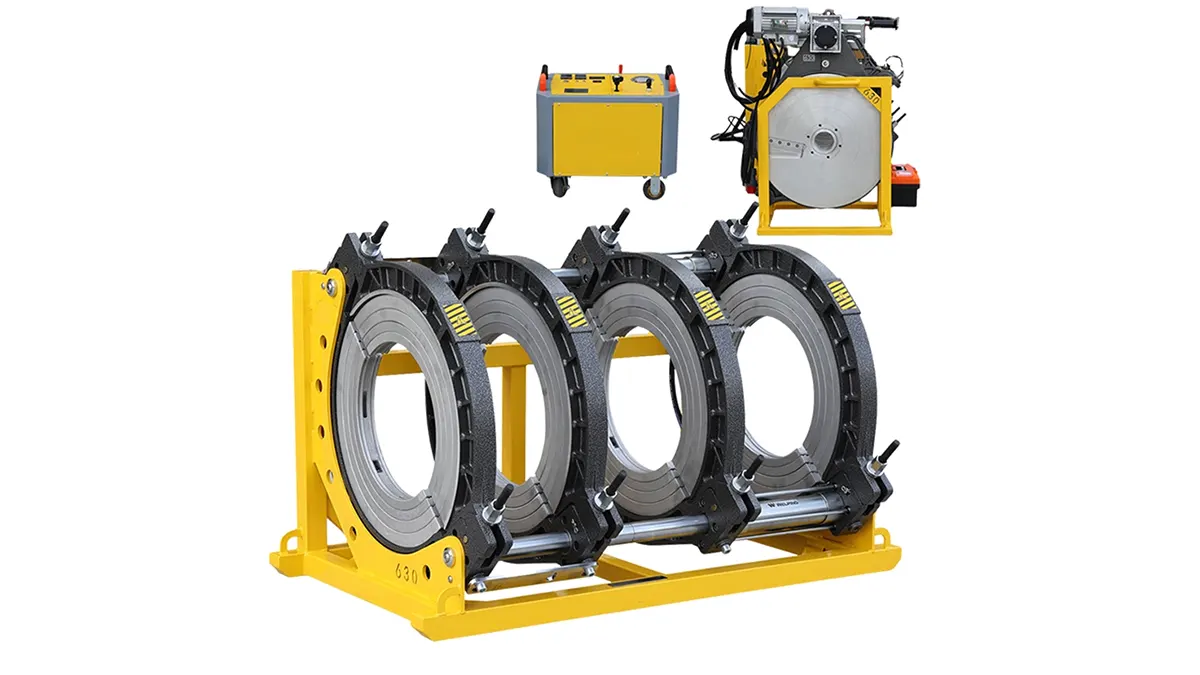
When precision and traceability are non-negotiable, CNC automatic machines are the gold standard. These machines automate the entire fusion cycle—planing, heating, and cooling—according to pre-set parameters. They store weld data logs for quality assurance, aligning with ASTM F2620 heat fusion requirements. This category eliminates operator error, making it essential for safety-critical infrastructure like gas trunk lines and large-scale industrial plants.
Electrofusion Machines
Electrofusion is a distinct process that uses specialized fittings with embedded heating coils. The machine sends an electrical current through the fitting, melting the interface. This method is highly effective for tight excavation sites, repairs, and joining pipes where traditional butt fusion clamping is impossible. It requires precise voltage control, which makes the quality of the electrofusion equipment paramount.
Step 2: Key Factors in Your Selection Process
Knowing how to choose a poly pipe fusion machine involves evaluating several technical and operational factors. Overlooking any of these can lead to inefficient welding or premature equipment failure.
- Pipe Diameter and SDR Rating: The machine’s clamping range must match your pipe size. Check both the minimum and maximum diameter capacity. The Standard Dimension Ratio (SDR) determines the wall thickness and the required welding pressure.
- Heating Plate Temperature Control: Look for a digital controller with accurate temperature regulation (±2°C). Uniform heat distribution across the PTFE-coated plate is essential to prevent cold spots in the weld.
- Trimmer Performance: The rotating planer must produce clean, parallel pipe ends. Dull or misaligned trimmers will contaminate the weld interface, compromising joint strength.
- Clamping Force and Alignment: The frame must hold the pipes rigidly during the entire cycle. High-rigidity aluminum clamps with inserts reduce the risk of pipe slippage and misalignment.
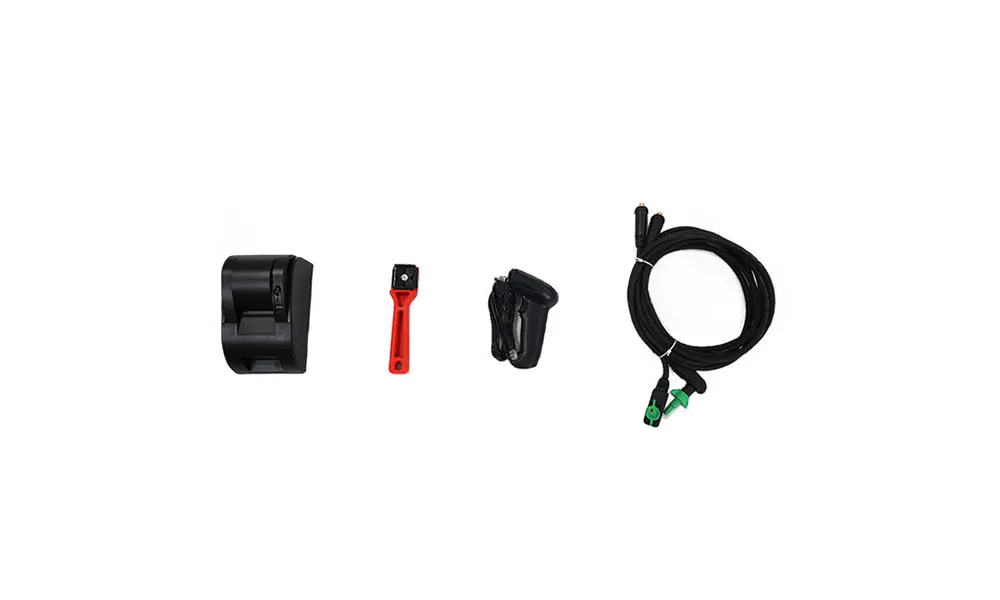
- Data Logging: For quality assurance, machines with GPS-enabled data logging allow you to record and review every weld parameter, which is increasingly required for PPI technical guidance compliance.
Step 3: Comparing Machine Categories
The best choice depends heavily on your typical project profile. Use the table below to quickly narrow down your options based on common application scenarios.
| Feature | Manual Machine | Hydraulic Machine | CNC Automatic |
|---|---|---|---|
| Typical Range | 40mm – 315mm | 160mm – 2250mm | 160mm – 1200mm |
| Power Source | Manual Lever | Hydraulic Pump | Hydraulic & Servo Motors |
| Best For | Small-diameter, field repairs, tight budgets | Medium to large mains, mining, water infrastructure | High-spec gas lines, data-critical industrial jobs |
| Traceability | None | Manual log (optional digital) | Automatic full-cycle logs |
Step 4: Advanced Considerations for High-Performance Welding
Beyond the basics, discerning buyers in the infrastructure sector evaluate long-term reliability and supplier capability. One critical aspect is the quality of the hydraulic station. A high-performance pump with proportional control ensures that the fusion carriage moves smoothly without jerking, which can disrupt the melt bead formation.
Another consideration is whether you need specialized solutions for fabricated fittings. Standard straight-pipe machines cannot handle complex assemblies. For facilities producing elbows, tees, and Y-fittings, a multi-angle pipe fitting machine is indispensable. These units offer adjustable clamping angles to meet specific fabrication geometries, ensuring seamless joint integrity across non-linear connections.
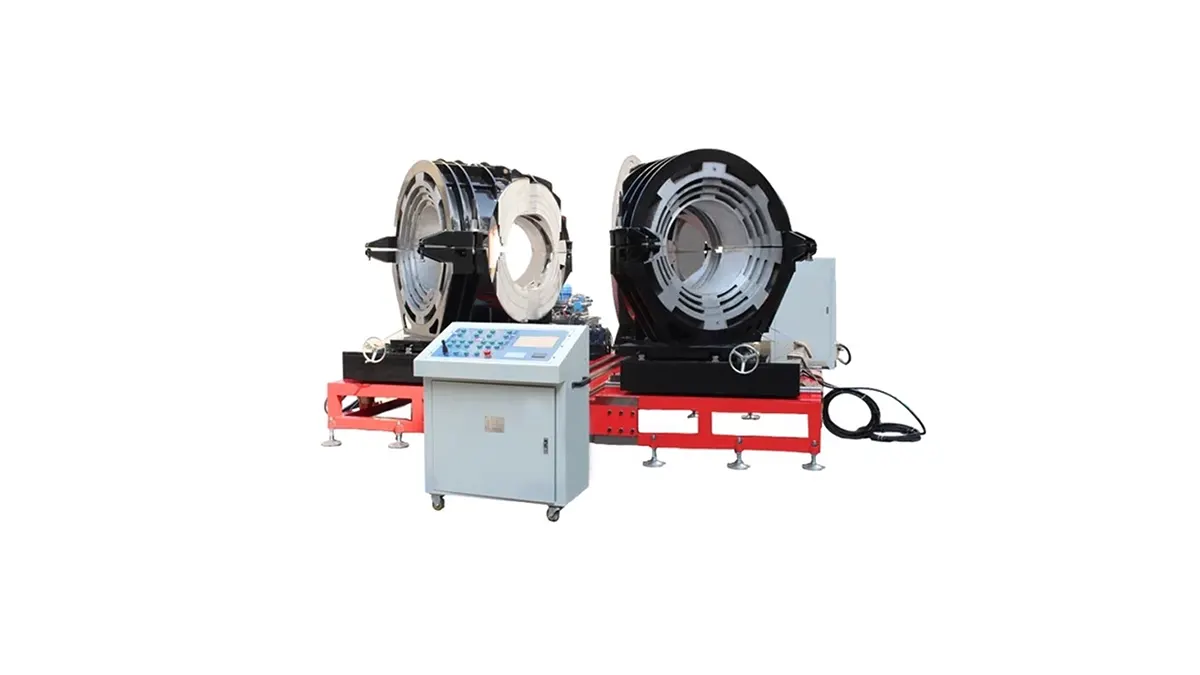
Adherence to international standards remains the backbone of any purchasing decision. Verify that the equipment manufacturer aligns their testing protocols with recognized frameworks. Whether it is the dimensional tolerances of the clamps or the surface finish of the heating plate, referencing standards like PE butt fusion equipment standard provides a benchmark for mechanical integrity. This due diligence ensures that the machine does not just create a bond, but creates one that will endure for decades under pressure.
Evaluating the Manufacturer and Support Network
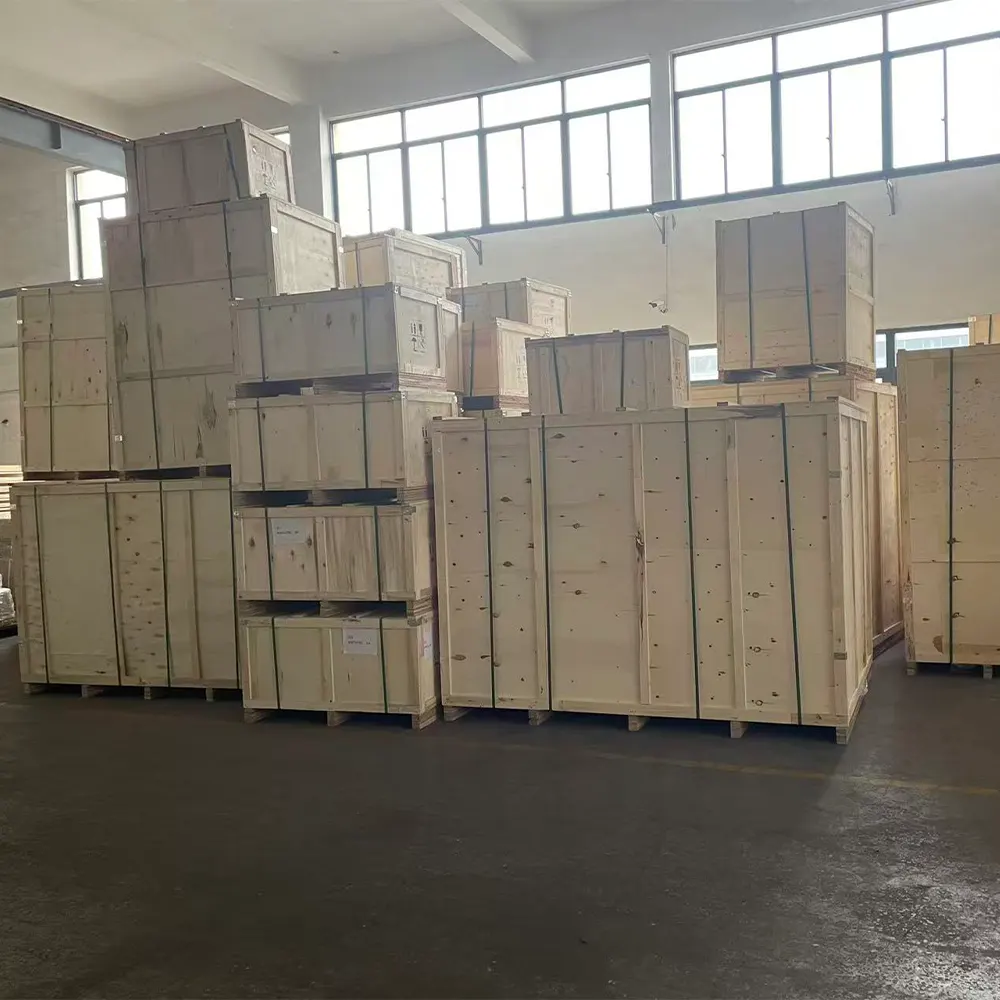
Even the most robust machine requires support. When evaluating suppliers, look beyond the initial purchase price and assess the availability of spare parts, technical training, and warranty terms. A manufacturer with a large ready-to-ship inventory can minimize downtime, which is crucial for contractors facing strict project deadlines. JQ-Fusion, for instance, is a professional manufacturer specializing in HDPE pipe welding machines, offering reliable butt fusion solutions with a strong emphasis on rigorous quality assurance and responsive global support. Their focus on strict testing—covering temperature accuracy and clamp alignment—provides a layer of confidence for contractors and distributors worldwide.
Questions to Ask Potential Suppliers
- Does the machine comply with ISO 12176 standards? This confirms interoperability and reliability.
- What customization options are available? Look for OEM/ODM flexibility to match color, branding, or specific voltage requirements.
- Is operator training included? Proper training reduces on-site errors and rejects significantly.
- What is the after-sales service response time? Fast access to technical support keeps your project on schedule.
Step 5: Prioritizing Safety and Ergonomics
Fusion operations often occur in challenging environments, from deep trenches to sun-exposed fields. A well-designed poly pipe fusion machine integrates safety features such as insulated handles, emergency stop buttons, and stable low-center-of-gravity frames. Ergonomics matter, especially with manual and hydraulic machines. Look for easy-access planers and spring-loaded heating plate mounts that reduce the physical strain on operators. Reducing worker fatigue is not just a comfort issue—it directly correlates with maintaining consistent PE butt fusion process quality throughout a full shift.
Making the Final Decision: Price vs. Total Cost of Ownership
While budget constraints exist, the lowest purchase price rarely equates to the best value. A poly pipe fusion machine represents a long-term asset. Consider the total cost of ownership (TCO), which includes hydraulic oil changes, PTFE plate replacement, planer blade sharpening, and potential downtime from equipment failure. Investing in a machine with readily available consumables and a modular design that allows for on-site repair can save substantial sums over a decade of operation. Prioritize machines that deliver not just a weld, but a documented, repeatable, and safe joint for the lifespan of the pipeline.
Final Checklist Summary
- Define your application: Pipe diameter, material (PE100, PE80), and project location.
- Match the machine type: Manual for small repairs, Hydraulic for mains, CNC for data-critical welds.
- Verify technical specs: Heating plate accuracy, trimmer quality, and clamping force.
- Check compliance: Ensure alignment with ISO and ASTM fusion standards.
- Assess the supplier: Confirm inventory depth, customization capability, and after-sales service.
- Consider future projects: Select a machine that offers some flexibility in range to accommodate growth.
By systematically applying this buying guide, you ensure that your investment in a poly pipe fusion machine results in durable infrastructure, operational efficiency, and peace of mind for years to come.



