
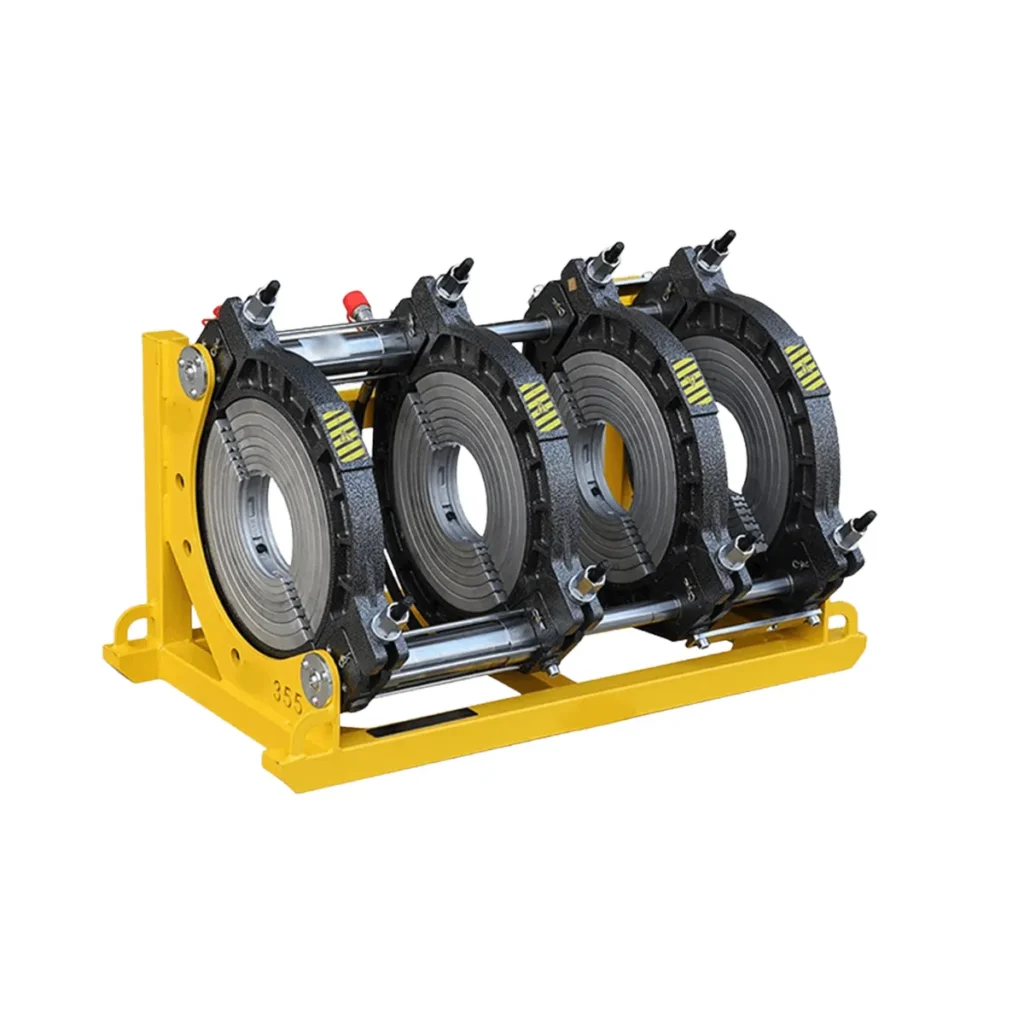
Why Plastic Pipe Welding Machine Temperature Matters
In HDPE and PE pipe joining, the plastic pipe welding machine temperature is the single most critical parameter influencing joint integrity. If the heating plate is too cool, the pipe ends won’t achieve proper melt viscosity, leading to cold fusion and brittle joints. If it’s too hot, you risk material degradation, excessive bead formation, and reduced long‑term strength. Achieving the correct heating settings based on ISO 21307 butt fusion procedures is essential for producing consistent, code‑compliant welds in water, gas, and industrial applications.
Standard Temperature Ranges for Butt Fusion
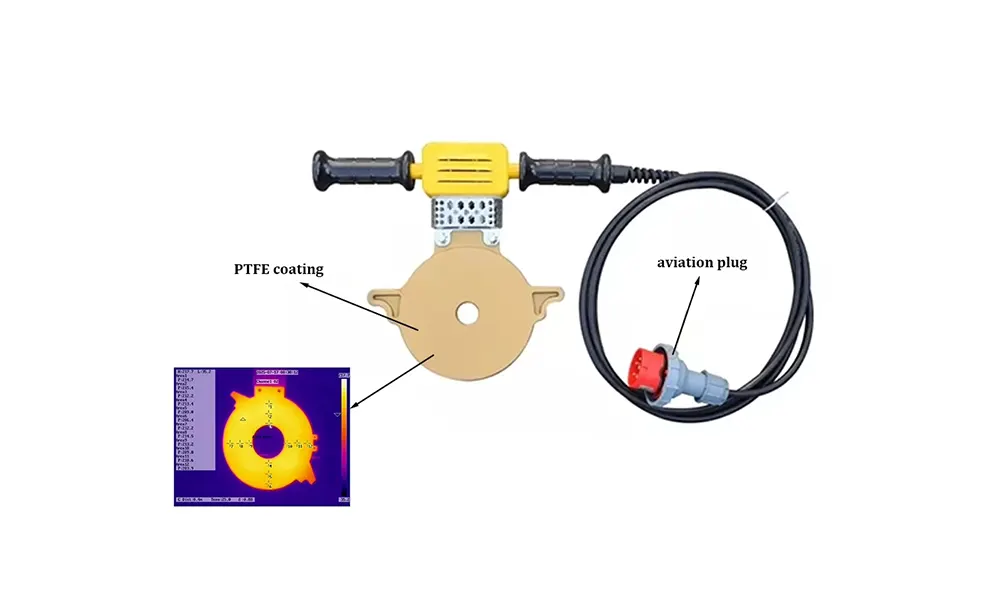
Butt fusion welding of polyethylene pipes typically requires a heating plate surface temperature between 200°C and 230°C (392°F – 446°F). Most international standards, including those referenced in ASTM F2620 heat fusion guidelines, specify a target of 225°C (437°F) for PE80 and PE100 materials. Variations in wall thickness and environmental conditions may require minor adjustments within this window. The table below summarizes the recommended temperature ranges for common HDPE pipe grades.
| PE Material Grade | Recommended Plate Temperature | Melt Temperature Window | Typical Applications |
|---|---|---|---|
| PE80 | 215°C – 225°C | 200°C – 235°C | Water supply, low-pressure gas |
| PE100 | 220°C – 230°C | 210°C – 240°C | High-pressure gas, mining |
| PE100‑RC | 220°C – 230°C | 210°C – 235°C | Trenchless installations, industrial |
| PE4710 (High-Density) | 225°C – 235°C | 215°C – 245°C | Large-diameter water mains |
Key Factors That Influence Heating Settings
While a standard temperature of 225°C works for most butt fusion operations, you must account for several real‑world variables. Even with a quality butt fusion welding machine, ambient temperature, pipe wall thickness, and heating plate condition all affect the actual heat transfer into the pipe ends. Below are the primary factors you should evaluate before setting your machine’s temperature controller.
Ambient Temperature
In cold climates (below 5°C / 41°F), heat loss from the plate and pipe ends is faster. You may need to increase the plate temperature by 5°C to 10°C or extend the heating soak time to compensate.
Pipe Wall Thickness
Thicker walls (above 20 mm) absorb more heat during the heating phase. Follow the manufacturer’s heating time tables, but ensure the plate temperature remains stable at the target value throughout the cycle.
Heating Plate Condition
A damaged or dirty non‑stick coating creates uneven heat distribution. Always inspect and clean the plate with a non‑abrasive cloth before use, and verify surface temperature with a calibrated digital pyrometer.
How to Verify and Calibrate Your Machine’s Temperature
Relying solely on the machine’s built‑in digital display is not enough. Regular calibration ensures the actual plate surface temperature matches the setpoint. Use a contact‑type digital thermometer with a surface probe and take readings at multiple points across the heating plate. The temperature variation should not exceed ±5°C between any two points. If you find deviations, check the machine’s heating elements, thermocouple sensors, and PID controller settings. Operators should also follow the PPI butt fusion procedure guidance for periodic verification intervals.
- Pre‑weld check: Measure plate temperature every morning and after lunch breaks.
- Multi‑point measurement: Test at center, top, bottom, left, and right of the plate surface.
- Recordkeeping: Log all calibration data for traceability per project requirements.
- Seasonal adjustment: Re‑calibrate when ambient conditions change significantly.
Common Temperature Mistakes and Their Consequences
Even experienced technicians sometimes overlook basic heating plate discipline. A plastic pipe welding machine temperature set incorrectly can lead to several failure modes. Understanding these mistakes helps you avoid costly rework and potential pipeline failures down the line. Refer to the PE butt fusion equipment standard for additional safety and performance benchmarks.
Overheating
Plate temperatures above 240°C can cause thermal oxidation, reducing the material’s stress crack resistance and producing excessive melt squeeze‑out.
Underheating
Below 200°C, the polyethylene does not reach proper melt viscosity, resulting in weak interfacial fusion and possible leaks under pressure.
Uneven Heating
Damaged plate surfaces or faulty heating elements create hot and cold spots, leading to inconsistent bead formation and incomplete joint fusion.
Rushed Soak Time
Insufficient heating time prevents the heat from penetrating through the pipe wall, causing a weak bond only at the surface layer.
Electrofusion Process Temperature Considerations
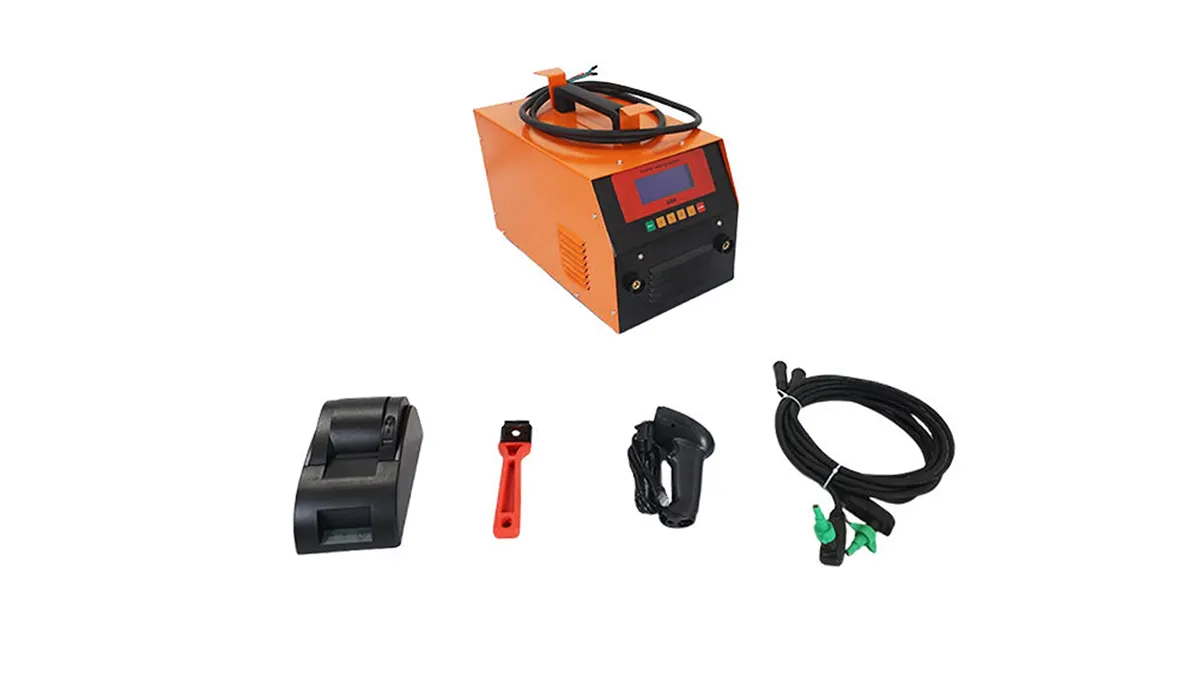
Unlike butt fusion, electrofusion relies on resistance wire heating inside the fitting, but the ambient plastic pipe welding machine temperature still matters. The electrofusion control unit automatically calculates energy input based on the fitting’s barcode or manual input, but you must ensure the pipe surface temperature is within the fusion window (typically -5°C to +40°C). In cold weather, pre‑warm the pipe ends and protect the joint area from wind and moisture. For reliable electrofusion results, always use a calibrated electrofusion welding machine that compensates for ambient temperature automatically.
Best Practices for Consistent Heating Performance
Maintaining the right plastic pipe welding machine temperature goes beyond setting a number on the controller. It involves daily discipline, proper storage of equipment, and understanding how environmental conditions affect the welding cycle. The following checklist is used by experienced fusion operators worldwide to ensure every joint meets the required standards.
- Warm up the heating plate for at least 20 minutes before the first weld to stabilize the surface temperature.
- Use an independent pyrometer to confirm the actual temperature matches the setpoint within ±5°C.
- Clean the plate with a lint‑free cloth after every weld cycle to remove any PE residue or debris.
- Store the heating plate in a dry, clean case when not in use to protect the non‑stick coating.
- Document temperatures for each joint as part of your quality assurance records.
- Replace worn‑out heating plates according to the manufacturer’s recommended service intervals.
JQ‑Fusion: Engineered for Precise Temperature Control
At JQ‑Fusion, we design our HD pipe welding machines with advanced digital PID temperature controllers to maintain stable heating plate temperatures under demanding field conditions. Our hydraulic and automatic butt fusion models feature multi‑zone heating elements that distribute heat evenly across the entire plate surface, minimizing cold spots and ensuring repeatable weld quality. Whether you’re working on large‑diameter water transmission lines or gas distribution networks, our equipment helps you achieve consistent, code‑compliant joints with precise temperature management.
Recommended Resources for Temperature Guidelines
- PPI Handbook of Polyethylene Pipe – Comprehensive reference for PE material properties and fusion parameters.
- ASTM F2620 Standard Practice for Heat Fusion Joining – Detailed procedures for butt and saddle fusion of PE pipe.
- ISO 21307 Butt Fusion Jointing Procedures – International standard for PE piping system butt fusion.



