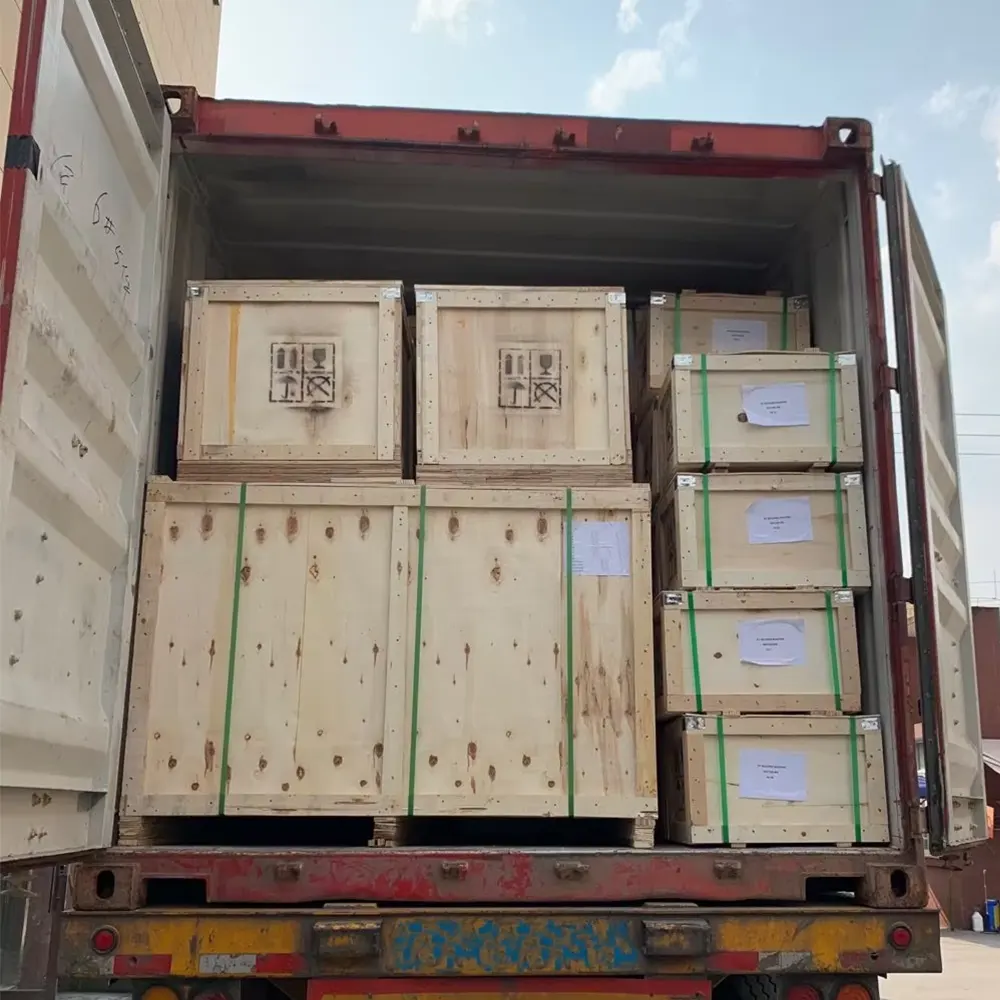
High-Density Polyethylene (HDPE) piping systems have become the backbone of modern infrastructure, from municipal water supply and gas distribution to industrial slurry transport. The integrity of these systems relies entirely on the quality of the joints, making HDPE welding equipment explained in detail an essential topic for engineers, contractors, and project managers. Understanding the specific types of fusion machines, their operational principles, and how to match them to your project requirements is critical to ensuring a leak-proof, durable pipeline network that can last for decades. This guide provides a comprehensive overview of the core technologies, their applications, and the key factors that drive equipment selection.
Core Types of HDPE Welding Equipment
The term HDPE welding equipment encompasses several distinct technologies, each designed for specific pipe diameters, pressure ratings, and site conditions. The selection is largely governed by international standards such as ISO 21307 butt fusion procedures and the PE butt fusion equipment standard. The four primary categories of fusion machinery dominate the market today:
1. Manual Butt Fusion Welding Machines
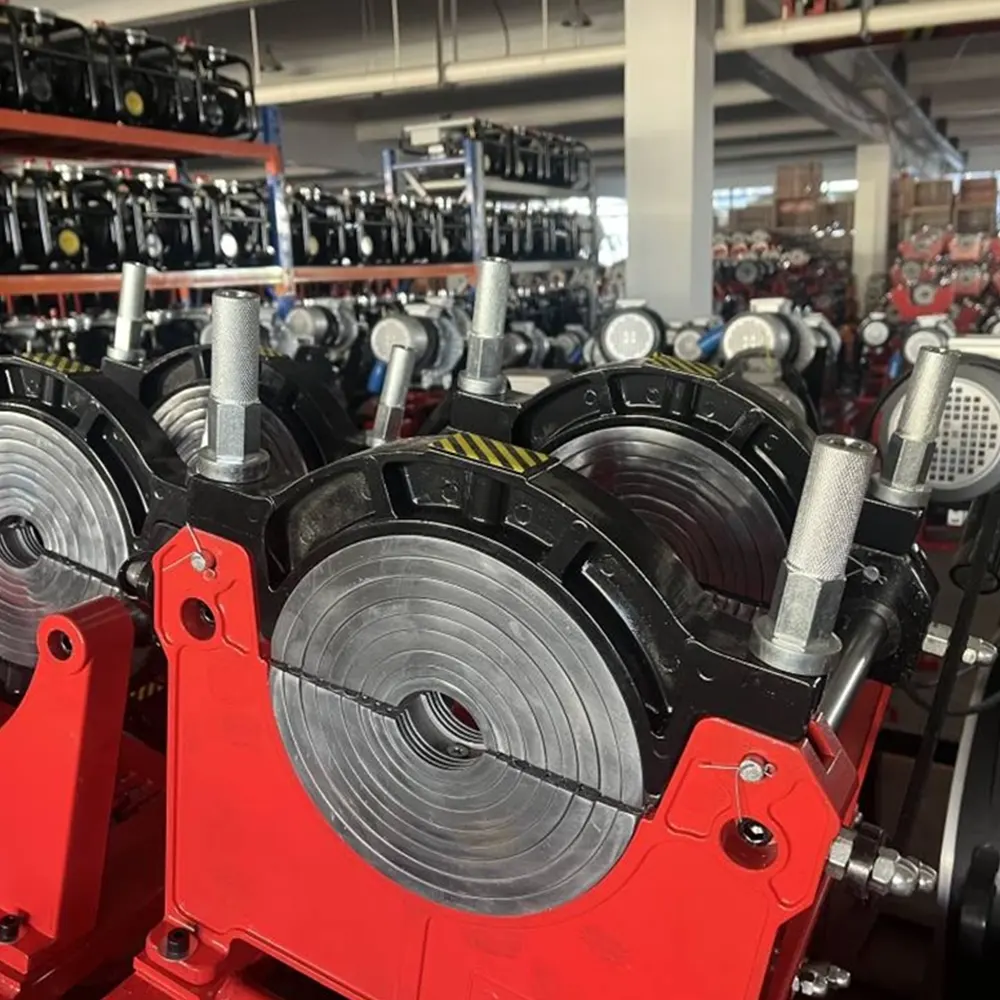
Manual machines represent the entry point for HDPE welding equipment, typically handling pipe ranges from 40mm up to 315mm. These systems require the operator to physically execute each step — planing the pipe ends, aligning the pipes, applying the heating plate, and controlling the fusion pressure via a mechanical lever. They are lightweight, portable, and highly popular for smaller diameter gas distribution lines and rural plumbing projects. The PE butt fusion process relies heavily on operator skill, demanding strict adherence to pressure and dwell time protocols to avoid cold joints. While they lack the data logging capabilities of automated systems, their durability and low cost make them indispensable for jurisdictions with extensive small-diameter networks. You can explore diverse options in our Manual range.
2. Hydraulic Butt Fusion Welding Machines
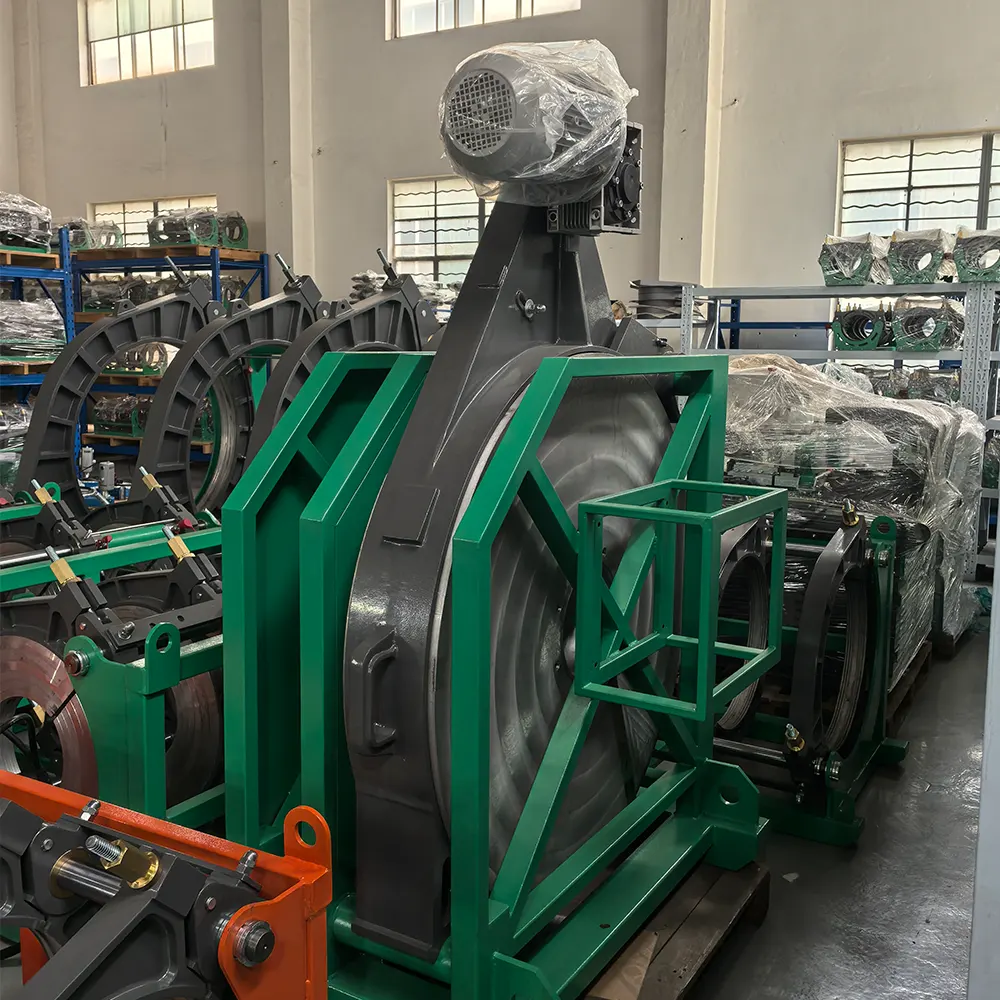
For medium to large diameters (typically 200mm to 2250mm), hydraulic butt fusion welding machines become the standard tool. These units utilize a powerful hydraulic power pack to generate the extremely high forces required to hold, move, and fuse massive pipe sections. Precise pressure regulation ensures consistent interfacial pressure across the pipe end, a vital requirement stipulated by PE gas piping systems regulations. Unlike manual frames, hydraulic machines often feature removable clamps and inserts to adapt to various wall thicknesses. The consistency provided by the hydraulic system minimizes the risk of human error during the high-pressure cooling phases, making these machines essential for critical water transmission mains and mining tailings lines where failure is not an option. See our extensive inventory of Hydraulic models.
3. CNC Automatic Butt Fusion Welding Machines
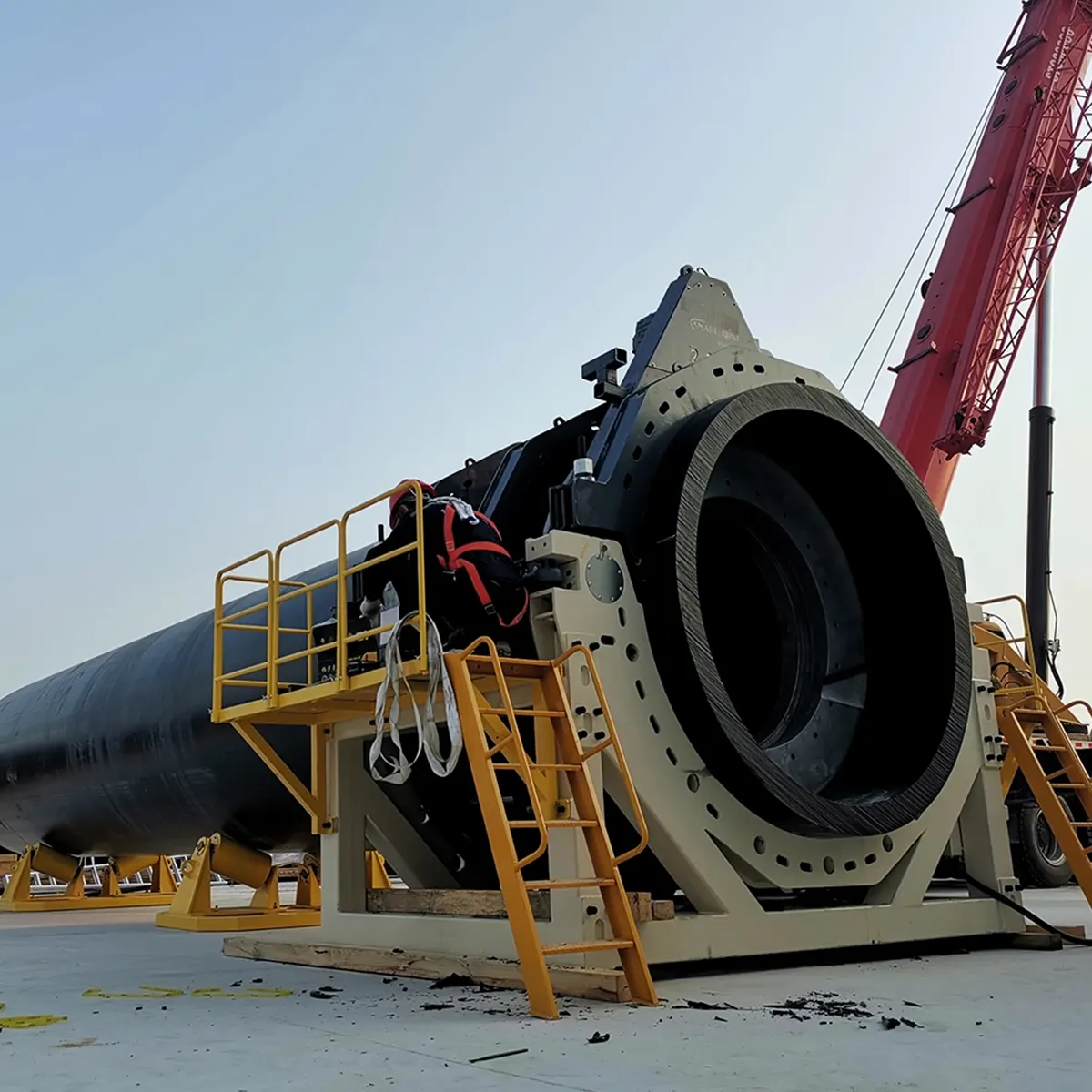
Automatic CNC machines represent the pinnacle of quality assurance in HDPE welding equipment explained here. Designed for diameters from 160mm up to 1000mm and beyond, these systems embed a microprocessor that controls the entire fusion cycle. By automatically monitoring heater plate temperature, aligning the pipes via a controlled carriage, and hydraulically executing the fusion sequence based on input parameters, they virtually eliminate operator guesswork. Most critically, these machines generate a detailed traceability report—logging every thermal and pressure variable against time—in full compliance with PE fusion traceability requirements. For nuclear cooling water loops, highly regulated gas transmission, and large-diameter water projects, the CNC automatic welder provides an auditable data trail that validates joint integrity decades into the future. Detailed specifications can be found in our CNC Automatic catalog.
4. Electrofusion Equipment
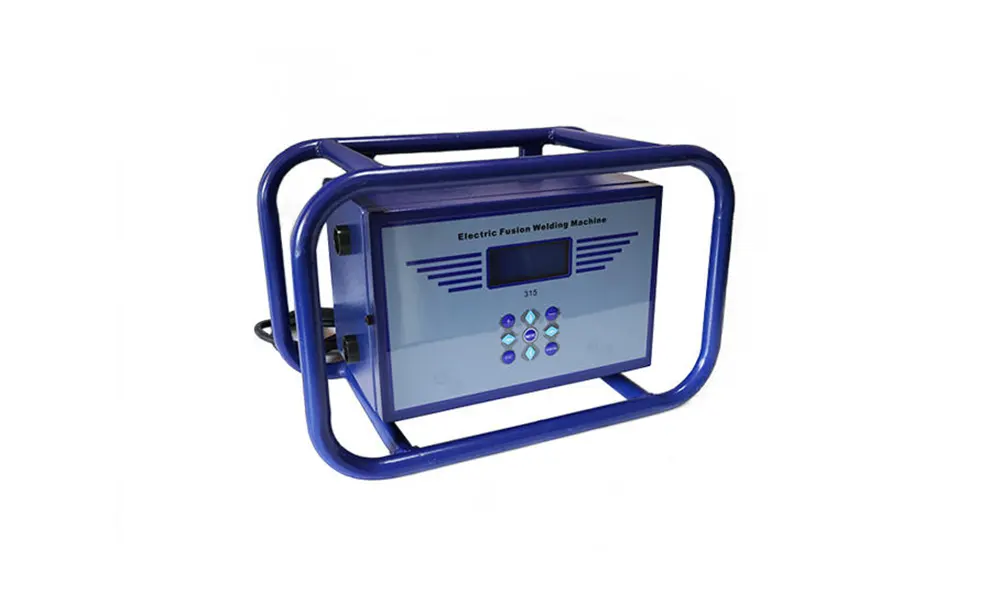
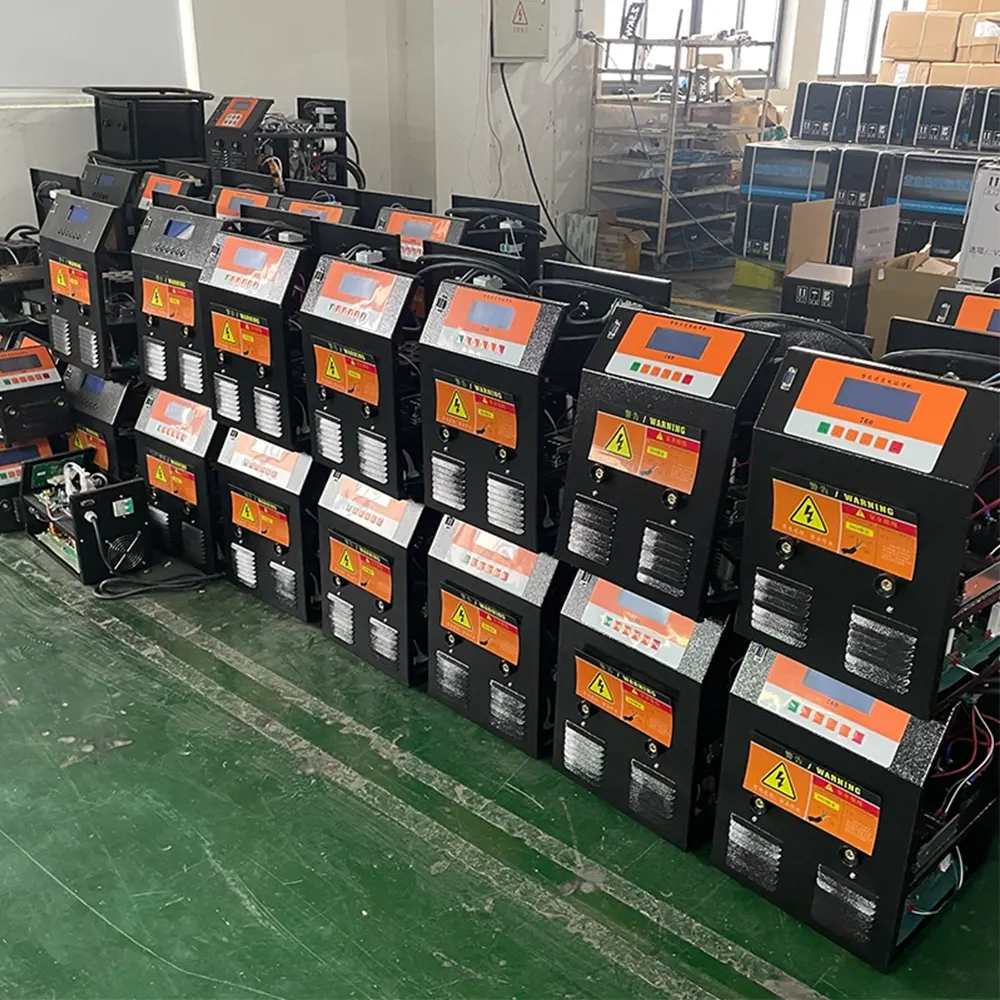
Electrofusion is a distinct joining technique requiring a specific control unit rather than a mechanical carriage. These control boxes send a precise electrical current through a special fitting containing embedded heating coils, melting the interface between the fitting and the pipe. This method is particularly suited for repairs, tie-ins, and tight excavation zones where large butt fusion frames cannot physically fit. The PE electrofusion equipment standard dictates strict parameters for voltage stability and data output. Electrofusion is heavily utilized in gas distribution for saddle connections and small-diameter branch lines, often governed by the ASTM F1290 electrofusion standard. Our advanced units include barcode scanning for operator-proof jointing assistance. View our specialized Electrofusion solutions.
Primary Uses and Industrial Applications
The application matrix for these tools is broad. The table below summarizes the primary use-cases driving the demand for HDPE welding equipment globally:
| Industry Sector | Typical Pipe Range | Recommended Equipment Type |
|---|---|---|
| Municipal Potable Water | 63mm – 1400mm | Hydraulic & CNC Automatic |
| Natural Gas Distribution | 20mm – 630mm | Manual, Electrofusion & CNC |
| Mining (Tailings/Slurry) | 400mm – 2250mm | Heavy-Duty Hydraulic |
| Industrial Effluent Lines | 160mm – 1200mm | CNC Automatic & Hydraulic |
| Marine Outfall/Dredging | 800mm – 2500mm | Specialized Hydraulic with Axial Force |
How to Choose the Right HDPE Welding Tools
Selecting the optimal machine involves balancing technical needs with operational realities. The what is HDPE butt fusion guide often dictates the starting point, but site-specific demands alter the calculus. Focus on these decision drivers:
Project Scale and Pipe Diameter
The diameter dictates the safety margin and frame rigidity required. A manual butt fusion machine is perfectly fine for a 110mm gas line, but a 1600mm water main demands the immense clamping power of a hydraulic rig. Pushing a machine beyond its certified OD range is a direct violation of the ASTM F2620 heat fusion practice, leading to immediate joint rejection by inspectors.
Traceability and Data Logging Requirements
This is the single biggest differentiator. If your contract references ISO 12176-4 or similar quality standards, you must choose CNC automatic machines with robust data recording. Manual machines leave no digital footprint. For gas or nuclear applications, the indefensible lack of an audit trail alone disqualifies non-automatic machines outright.
Site Conditions and Portability
Rugged mountain terrains or tight urban trenches require compact frames and rugged power packs. In such environments, manual or compact hydraulic rigs mounted on crawler tracks often outperform highly sophisticated automatic track systems that are overly sensitive to dirt and debris.
Multi-Angle Fabrication Needs
When segmenting elbows, tees, or Y-junctions in the field or in a fabrication shop, standard butt fusion machines cannot handle the complex geometry. Specialized multi-angle pipe fitting welding machines are required, allowing for precise angular adjustment to create custom fittings without relying on fully injection-molded parts. Browse our Multi-Angle Pipe Fitting lineup for fabrication solutions.
Essential Equipment Components
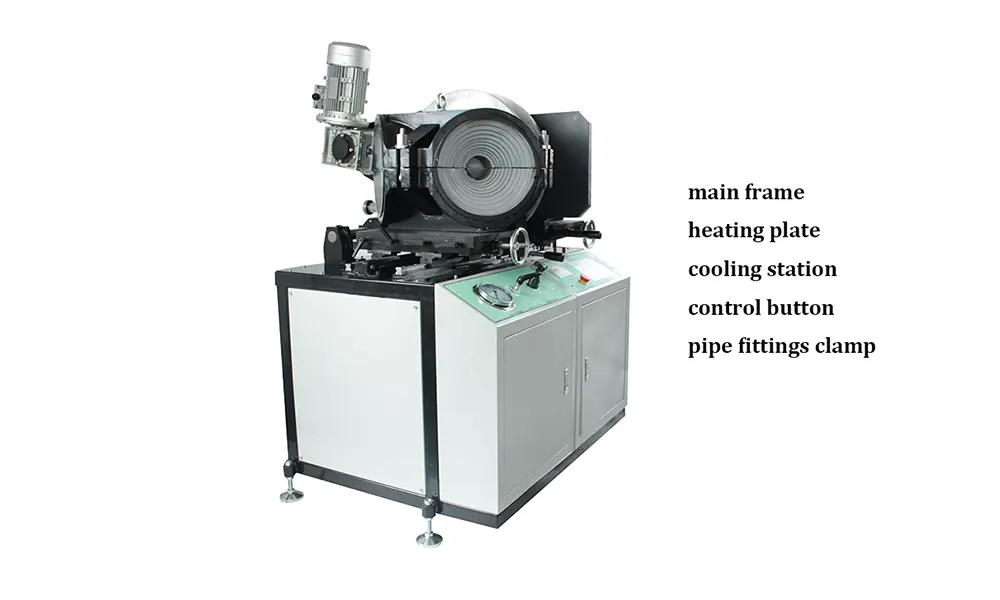
Every butt fusion welding system consists of four foundational elements that must work in perfect harmony. The main frame secures the pipes with fixed and movable clamps. The hydraulic power unit provides the motive force to squeeze the melt bead. The heating plate, precision-coated with PTFE and regulated with digital thermostats, must be within ±10°C of the target temperature as outlined in PPI butt fusion procedure guidelines. Finally, the facing/trimming tool must create flat, parallel pipe ends free of contamination. Any degradation in quality of these components directly compromises the fusion joint. Comprehensive guidance for procurement can be found in our Products overview.
Industry Standards and Compliance
Professional-grade HDPE welding safety hinges on strict adherence to global codes. Whether using a manual lever or a high-tech CNC machine, operators must be qualified according to PE fusion operator requirements. Equipment itself is tested under the PE butt fusion equipment standard to ensure repeatable cycle accuracy. Contractors working in the gas sector must specifically align their tools with PE gas piping systems and the rigorous demands of ASTM D2513 PE gas pipe.
Beyond the initial sale, reliable support is essential for downtime reduction. A specialized manufacturer with a global footprint ensures you have access to genuine spare parts and technical expertise. JQ-Fusion specializes in this field, providing tailored machinery and dedicated after-sales care to keep field operations running efficiently.
Final Selection Summary
Investing in the correct HDPE welding equipment goes far beyond the hardware purchase price — it controls the lifecycle cost of the pipeline network. By matching the fusion technology to the application — Manual for light distribution, Hydraulic for high-pressure mains, CNC for fully auditable infrastructure, and Electrofusion for tight-space interventions — contractors can guarantee regulatory compliance and structural integrity. For project-specific quotations or to explore custom configurations incorporating your specific branding, contact our engineering team to discuss your next project.