
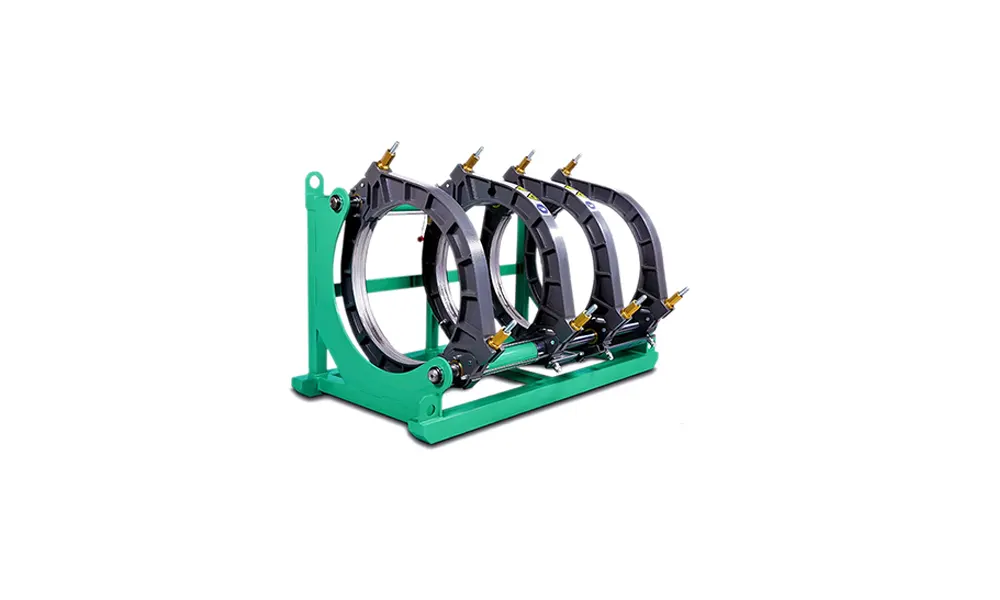
Selecting the right pipe fusion machine for large diameter pipes is a critical decision that directly impacts project timelines, joint integrity, and long-term pipeline performance. Large diameter HDPE pipelines—commonly used in municipal water supply, gas distribution, mining, and industrial applications—demand equipment that can deliver consistent heating, precise alignment, and robust clamping force across heavy wall sections. Understanding the key technical requirements before investing in a butt fusion welding equipment ensures you achieve reliable, leak-free joints every time.
Understanding Large Diameter Pipe Fusion Requirements
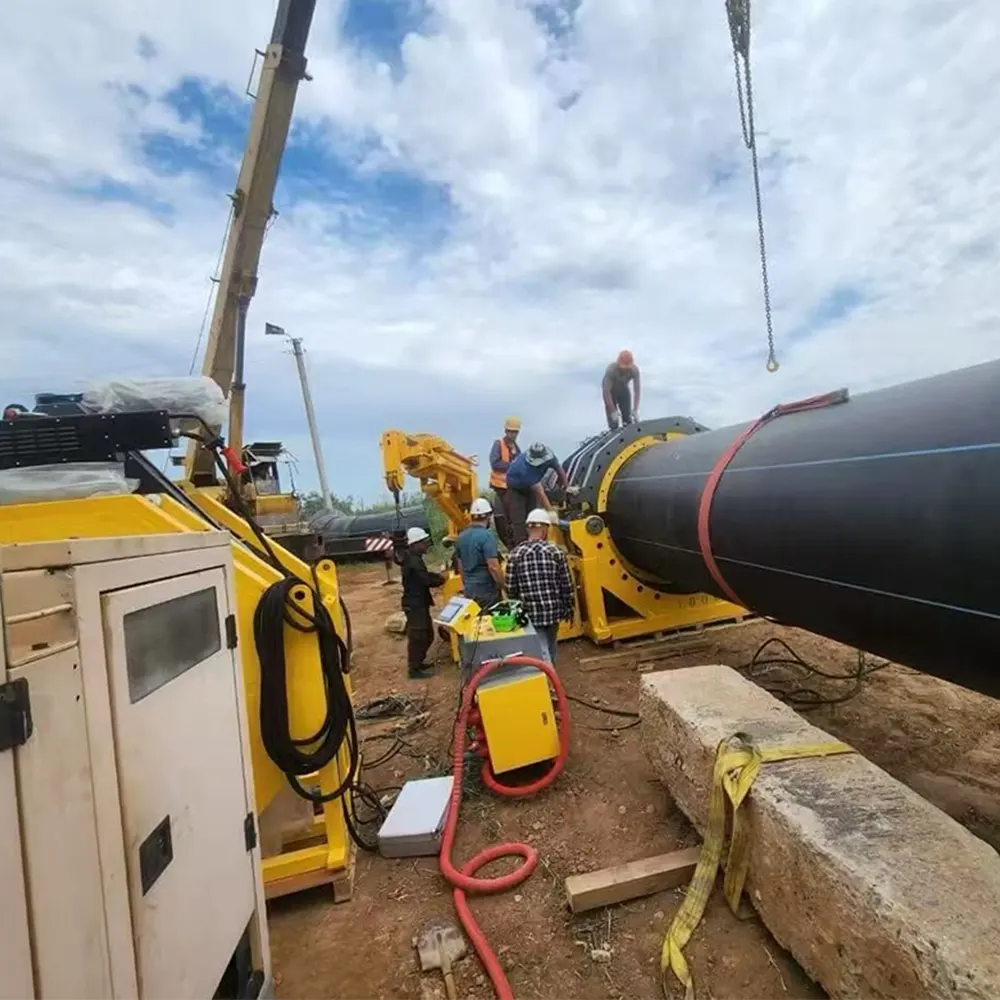
Large diameter pipes, typically ranging from 315mm to over 2000mm, present unique challenges during the fusion process. The increased wall thickness requires longer soak times, higher clamping forces, and precise pressure control to form uniform melt beads. Unlike smaller diameter operations, large pipe fusion demands hydraulic systems capable of generating substantial force while maintaining smooth carriage movement. Additionally, the weight and dimensions of these pipes necessitate sturdy machine frames, reliable pipe supports, and efficient handling mechanisms to ensure operator safety and joint quality.
Key Factors When Selecting a Pipe Fusion Machine for Large Diameter Pipes
Pipe Diameter Range and Wall Thickness Compatibility
The first consideration is matching the machine’s clamping range to your project specifications. A pipe fusion machine for large diameter pipes must accommodate not only the maximum outer diameter but also handle the SDR ratings and wall thicknesses you encounter. Machines with insufficient clamping capacity may result in misalignment, uneven bead formation, or incomplete fusion. Always verify that the equipment supports the full spectrum of diameters your projects demand, including any future expansion in scope.
Hydraulic vs. Manual Clamping Systems
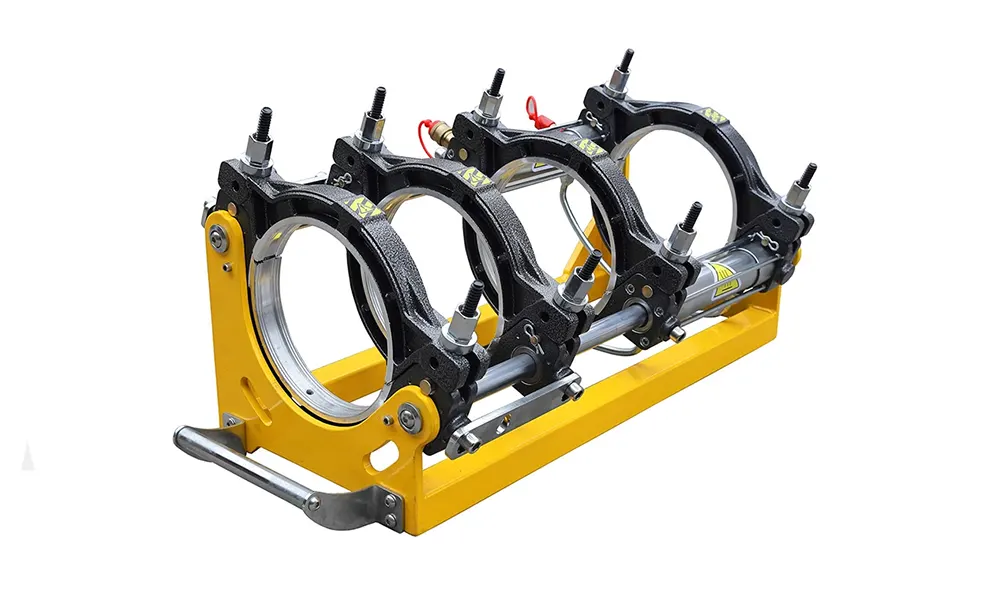
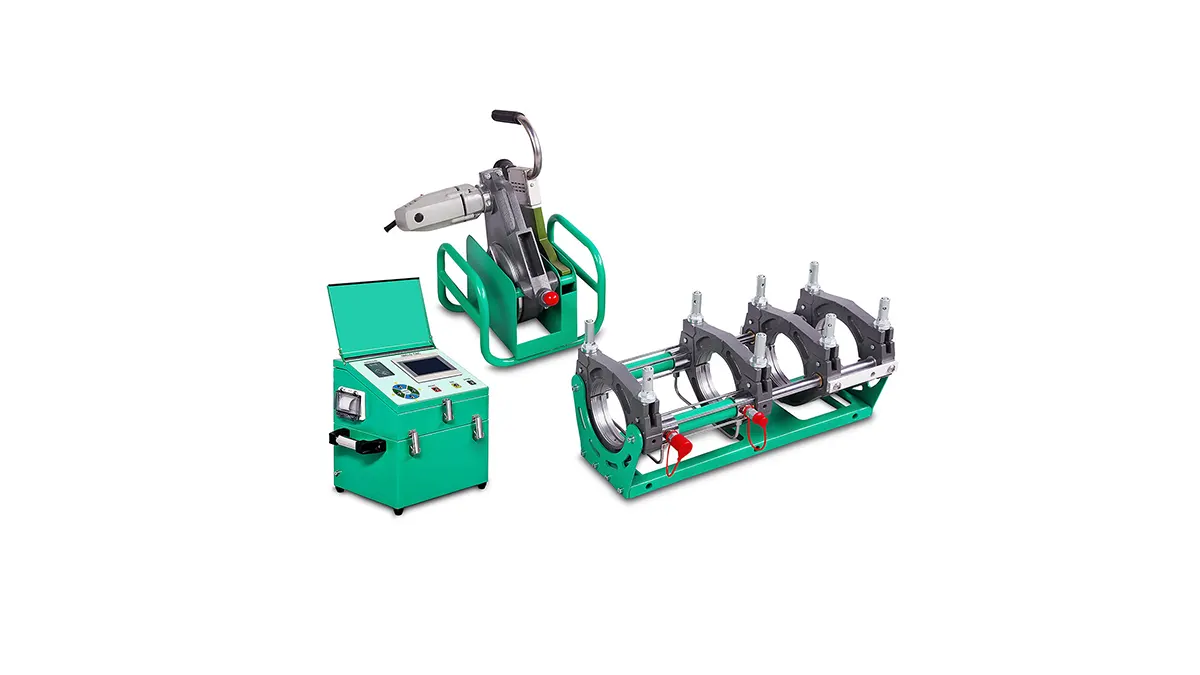
For pipes above 315mm, hydraulic butt fusion welding machines are the industry standard. Hydraulic systems deliver the consistent, high-force clamping required to hold large pipes securely during the heating and fusion phases. Manual systems, while suitable for smaller diameters, lack the mechanical advantage needed for heavy-wall pipes. Look for features such as independent hydraulic clamping circuits, pressure regulation valves, and quick-connect fittings that streamline setup and reduce downtime on site.
Heating Plate Technology and Temperature Control
Precision heating is the cornerstone of successful butt fusion. The heating plate must provide uniform surface temperature distribution with minimal deviation across its entire face. Advanced machines incorporate digital temperature controllers with real-time monitoring, ensuring the plate maintains the optimal 210°C to 230°C range specified by industry standards. Anti-stick PTFE coatings on the heating plate surface prevent molten polymer adhesion, reducing contamination risks and extending plate service life.
Automation and Control Features
Modern CNC automatic butt fusion systems remove operator variability from the welding process. These machines automatically manage the full fusion cycle—including bead-up pressure, heat soak timing, and cooling phases—according to pre-programmed parameters based on pipe material and dimensions. Data logging capabilities record joint parameters for quality assurance documentation, which is increasingly required in regulated sectors such as gas distribution and nuclear applications.
Types of Pipe Fusion Machines for Large Diameter Applications
Understanding the distinctions between machine categories helps narrow your selection based on project scale, budget, and operator expertise. The table below compares the three primary types available for large diameter work.
| Machine Type | Diameter Range | Key Advantages | Best Suited For |
|---|---|---|---|
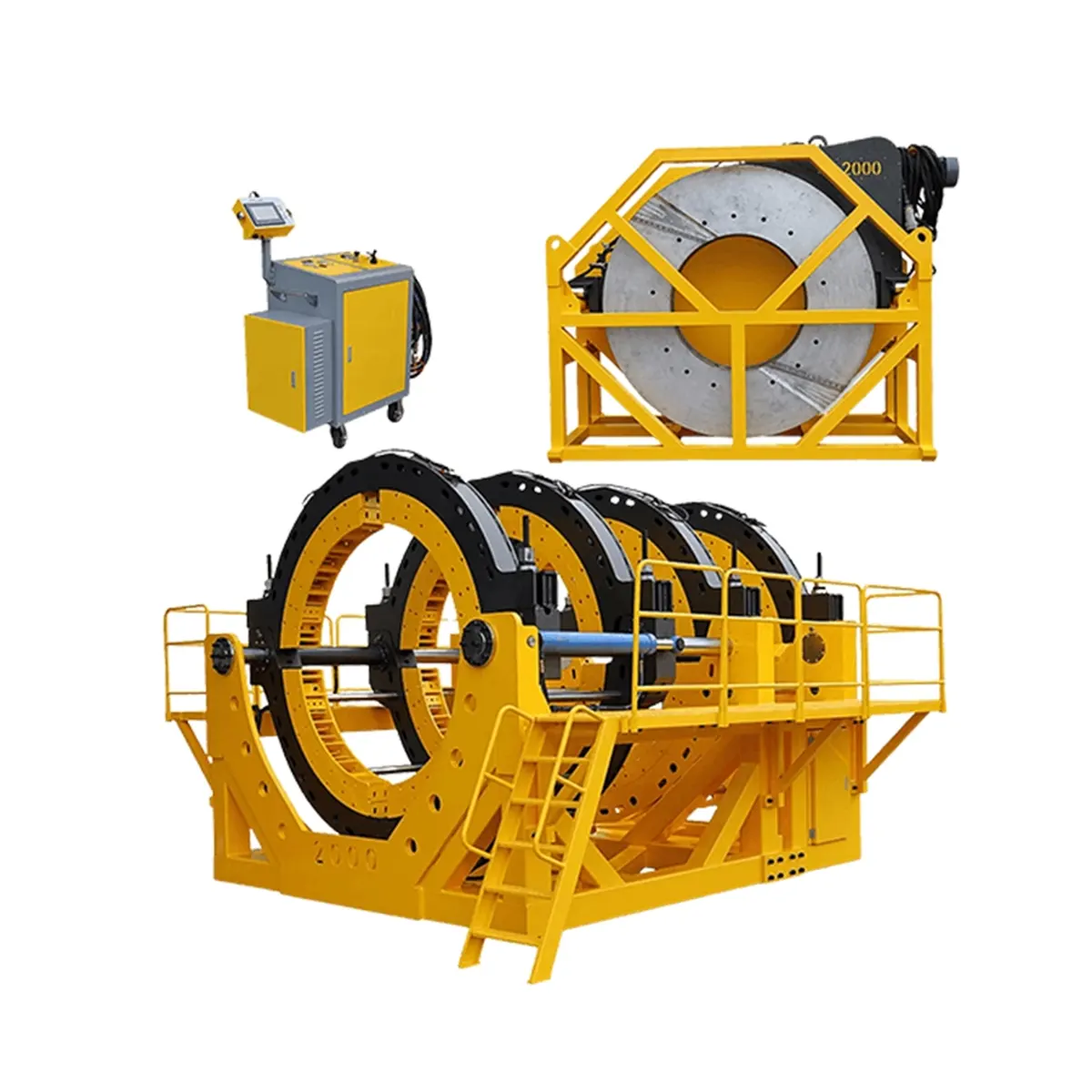
| Hydraulic Butt Fusion | 160mm – 2250mm+ | High clamping force, stable alignment, field-proven durability | Large infrastructure projects, on-site welding of long pipe strings |
| CNC Automatic Butt Fusion | 160mm – 630mm | Automated cycle control, data logging, reduced operator dependency | Quality-critical applications, gas pipelines, nuclear cooling systems |
| Manual Butt Fusion | 40mm – 315mm | Cost-effective, lightweight, simple operation | Small to medium diameters, repair work, limited access areas |
Essential Features for Large Diameter Butt Fusion Machines
- Rigid Machine Frame: A robust steel frame prevents flexing under heavy pipe loads, maintaining jaw alignment throughout the fusion cycle.
- Removable Clamp Inserts: Interchangeable inserts allow one machine to accommodate multiple pipe diameters, increasing equipment versatility.
- Powered Pipe Rollers and Supports: Adjustable roller stands facilitate pipe loading, rotation, and alignment, reducing manual handling risks.
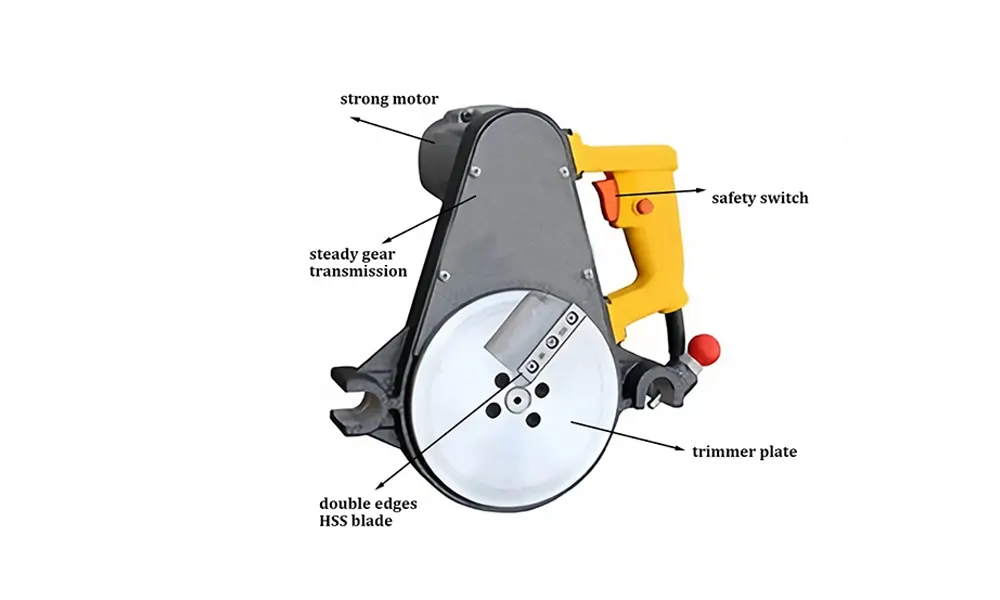
- High-Torque Facing Tool: A precision trimmer with sharp, hardened blades ensures clean, parallel pipe ends essential for proper fusion.
- Pressure Regulation with Gauge Display: Accurate hydraulic pressure control enables operators to follow standardized ISO 21307 butt fusion procedures with confidence.
- Emergency Stop and Safety Features: Easily accessible emergency controls protect operators during heavy pipe handling operations.
Industry Standards and Quality Assurance
Compliance with recognized standards ensures your fusion joints meet regulatory and performance requirements. Key references include ASTM F2620 for heat fusion joining procedures and ISO 21307 for butt fusion jointing of PE piping systems. When evaluating a pipe fusion machine for large diameter pipes, confirm that the equipment supports adherence to these protocols through features such as calibrated pressure gauges, certified temperature controllers, and traceable data recording. For gas applications, additional requirements under PE gas piping systems standards (ISO 4437 series) may apply. Following the PPI butt fusion procedure guidelines further enhances joint reliability.
Making the Right Investment Decision
Choosing the appropriate pipe fusion machine for large diameter pipes requires balancing technical specifications, project demands, and long-term operational goals. Prioritize equipment that offers the clamping capacity and hydraulic power your projects require, while also considering automation features that improve consistency and documentation. Evaluate manufacturer support, spare parts availability, and warranty terms as part of your purchasing decision. Reliable suppliers with proven track records in the HDPE fusion industry can provide valuable guidance throughout the selection process—JQ-Fusion, a professional manufacturer specializing in HDPE pipe welding machines, offers a comprehensive range of hydraulic and CNC automatic solutions designed to meet the rigorous demands of global infrastructure projects.
Additional Resources
- • ISO 21307: Butt Fusion Jointing Procedures for PE Piping Systems
- • ASTM F2620: Standard Practice for Heat Fusion Joining of PE Pipe and Fittings
- • ISO 12176-1: Equipment for Polyethylene Butt Fusion
- • PPI TR-33: Generic Butt Fusion Joining Procedure for Field Joining of PE Pipe
- • PE100+ Association: What Is HDPE Butt Fusion



