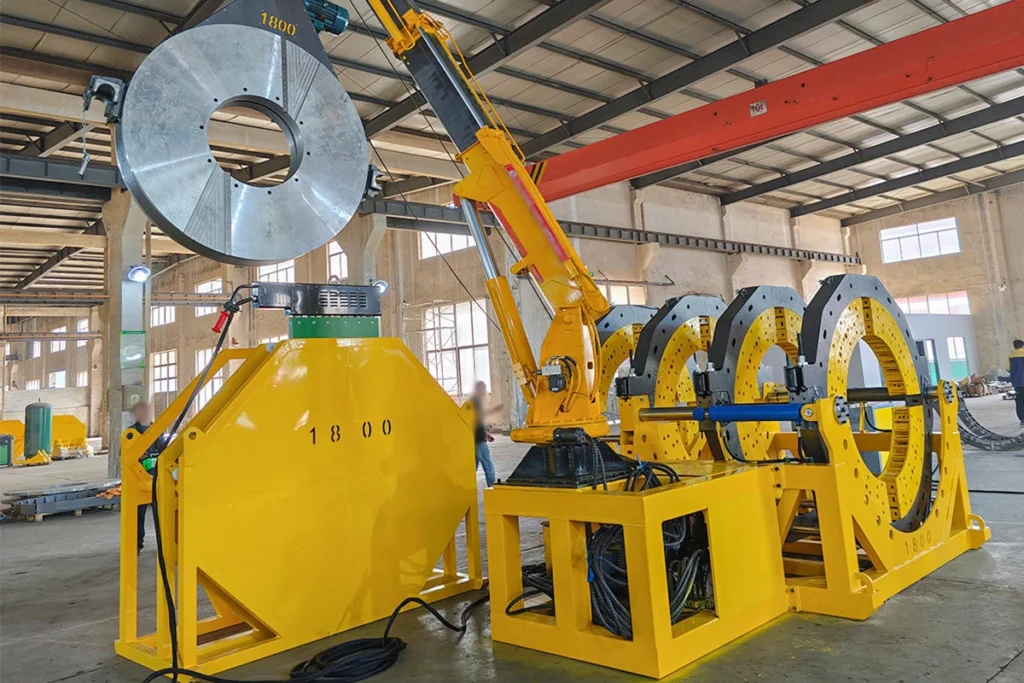
In the critical infrastructure of gas pipelines, joint integrity is non-negotiable. A leak or failure can have catastrophic consequences, making the choice of fusion technology paramount. Unlike traditional mechanical joints, electrofusion provides a homogeneous, monolithic connection that is essential for maintaining the safety and longevity of modern polyethylene (PE) gas networks. Selecting the right electrofusion machine for gas pipelines is not just a purchase; it’s an investment in safety, compliance, and long-term operational reliability. This guide walks you through the advanced features, key benefits, and essential factors to consider when choosing equipment designed specifically for this high-stakes environment.
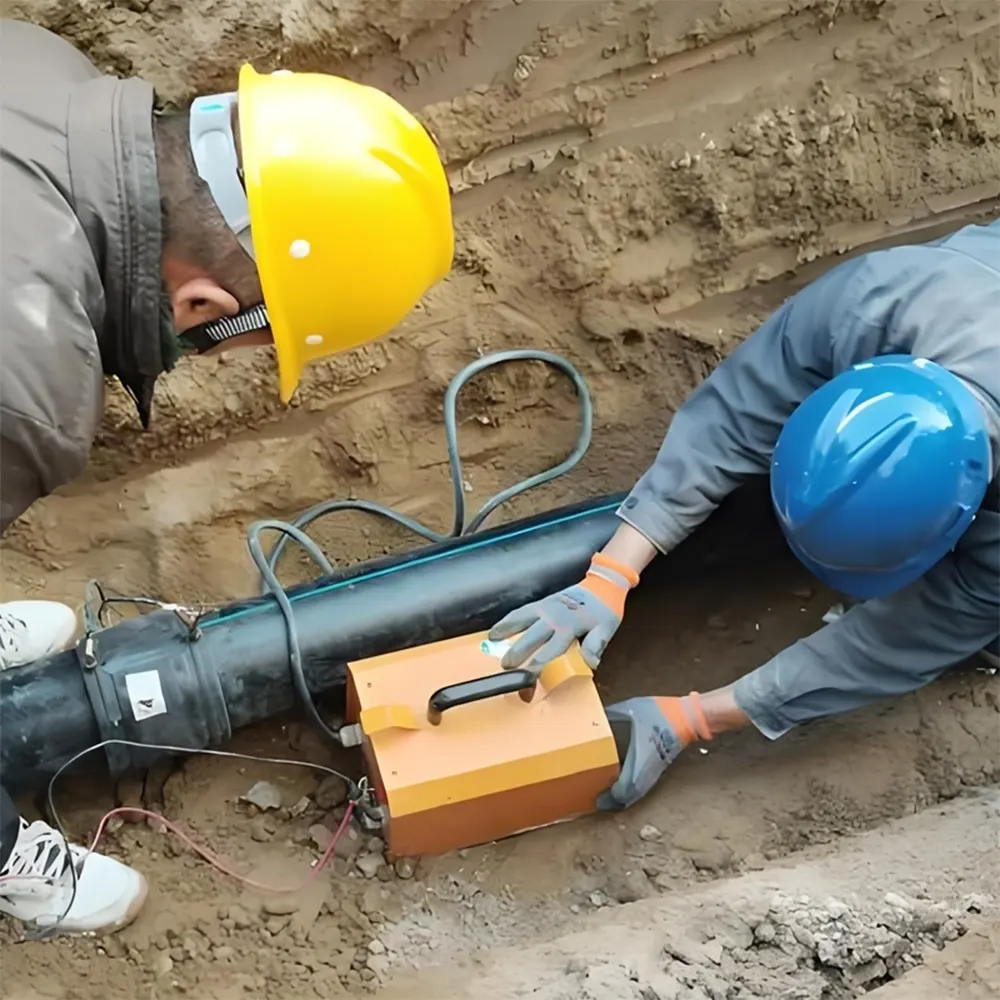
Understanding the Critical Role of Electrofusion in Gas Distribution
Polyethylene pipes have become the standard for gas distribution due to their flexibility, corrosion resistance, and long service life. The weakest points in a PE gas piping system are the joints. Electrofusion welding solves this by employing specialized fittings with embedded heating coils. When an electrofusion machine for gas pipelines applies a precise electrical current, the wire heats up, melting the surrounding polymer on both the fitting and the pipe. As it cools under controlled conditions, a uniform, high-strength joint is formed that is often stronger than the pipe itself. This process is fully traceable and provides the documented quality assurance that gas utilities rigorously demand, aligning with standards like ISO 4437-1 for PE piping systems for gaseous fuels.
Advanced Features of a Professional Electrofusion Machine for Gas Pipelines
Not all fusion machines are created equal. A unit certified for gas work possesses advanced features that guarantee precision, traceability, and safety far beyond basic models. These systems are engineered to eliminate human error and adapt to challenging field conditions.
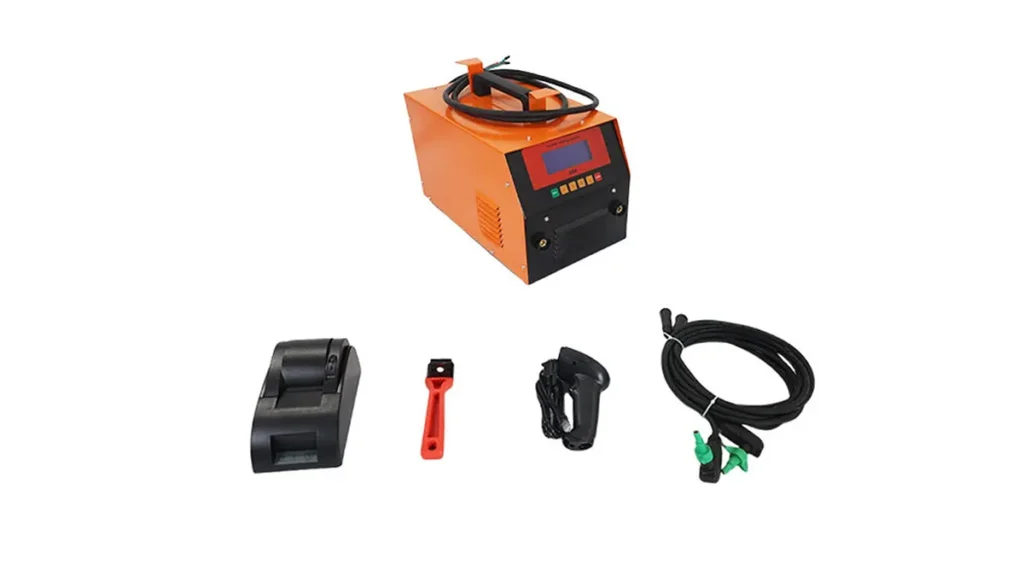
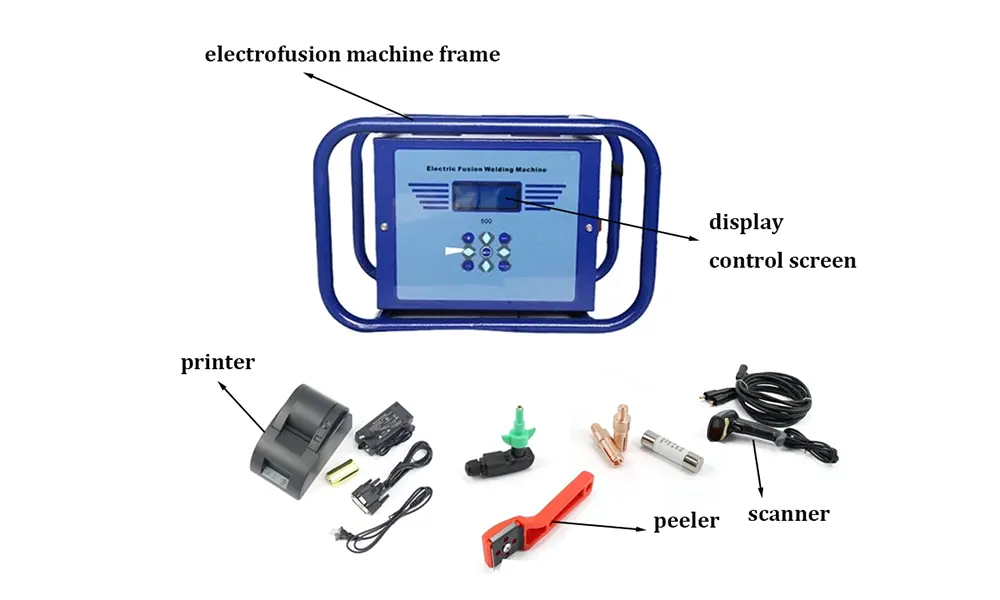
- Automatic Barcode Input & Recognition: Modern machines feature optical scanners or robust manual input systems to read the barcode on each fitting. This instantly sets the correct fusion parameters—voltage, current, and time—as specified by the fitting manufacturer, completely removing guesswork and preventing catastrophic parameter entry errors.
- Precision Temperature Compensation: A core function of any advanced electrofusion machine for gas pipelines is its ability to monitor ambient temperature and dynamically adjust the fusion cycle. This ensures a perfect joint whether you are working in the freezing cold of winter or the intense heat of summer.
- Comprehensive Data Logging & GPS: Every successful fusion generates a detailed digital record, including date, time, operator ID, fitting details, and the full fusion cycle graph. Integrated GPS stamps the exact geographic location onto the joint report, creating an immutable digital trail vital for regulatory compliance and future asset management.
- Operator Safety & System Diagnostics: Gas environments demand the highest safety standards. Look for machines with robust electrical protection, input voltage monitoring, and automatic fault detection. If a short circuit, open circuit, or incorrect voltage is detected during the cycle, the machine immediately aborts the process and displays an error message, protecting both the operator and the pipeline’s integrity.
- Universal Adaptor Compatibility: A professional unit uses industry-standard adaptor connections (typically 4.0mm or 4.7mm), ensuring compatibility with a wide range of electrofusion fittings from major manufacturers globally.
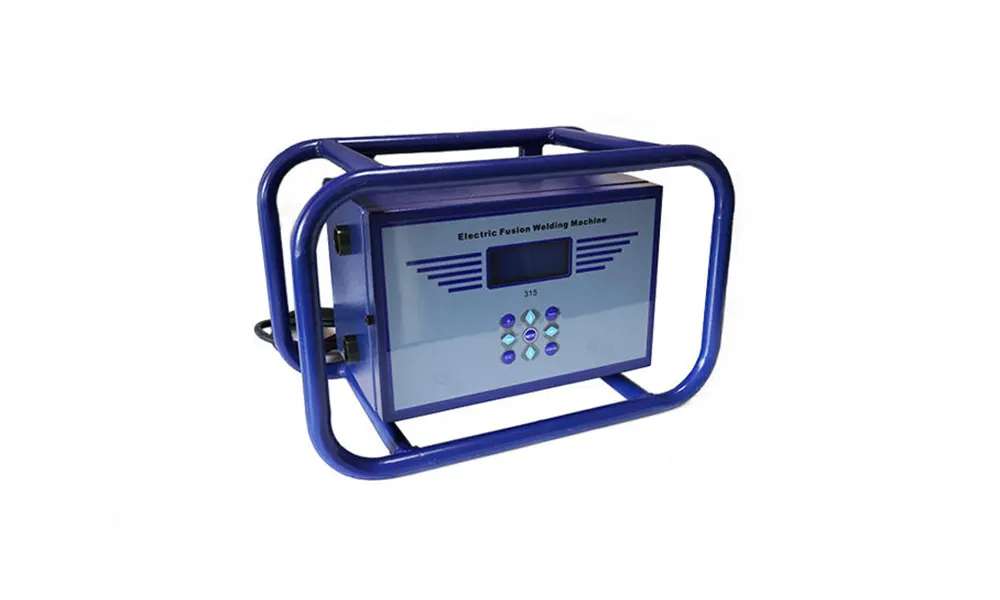
Key Benefits: Why Quality Matters in Gas Applications
The decision to invest in a high-end electrofusion machine for gas pipelines yields measurable advantages in safety, efficiency, and project costs. Choosing a machine simply because it’s the cheapest option often leads to rework, scrap, and increased liability.
Uncompromised Safety
The primary benefit is the guarantee of a leak-free joint. A traceable, precisely executed electrofusion weld using a calibrated machine minimizes the risk of gas leakage, which is the paramount concern for any gas utility or contractor. This directly protects communities and infrastructure from potential hazards.
Regulatory Compliance & Audits
Gas pipeline projects are subject to stringent audits. The comprehensive data logs from a professional machine serve as a legal passport for every joint. During an inspection, you can instantly produce proof that each weld was performed exactly to specification, satisfying bodies that enforce standards like ASTM F1290.
Long-Term Cost Efficiency
While the initial investment is higher, the savings are substantial. You virtually eliminate the high costs and project delays associated with cutting out and replacing failed joints. The machine’s diagnostic capabilities prevent wasted time and fittings by catching errors before the weld is even started.
Electrofusion vs. Butt Fusion for Gas Pipelines
Both methods are approved for gas pipe joining, but their application depends heavily on the project scenario. Understanding their differences is key to a successful specification.
| Feature | Electrofusion | Butt Fusion |
|---|---|---|
| Ideal Application | Repairs, tie-ins, cramped trench conditions, joining different wall thicknesses, and complex fitting assemblies. | Long, straight runs of pipe strings in open areas where pipe alignment is straightforward. |
| Equipment Portability | Highly portable; a single operator can easily carry the electrofusion machine for gas pipelines into a deep trench. | Requires heavy, large-diameter butt fusion machines with lifting equipment and a larger operational footprint. |
| Process Time | Fusion cycle time is automatic and fixed; preparation and cooling are critical. | Process has multiple operator-dependent steps (facing, heating, cooling under pressure), requiring higher skill. |
| Skill Dependency | Low; the machine automates the critical parameter control after proper surface scraping and alignment. | High; requires significant operator judgement for pressure, timing, and visual bead inspection. |
Essential Buying Guide: Selecting the Right Machine
Before committing to a purchase, evaluate these six critical factors to ensure your electrofusion machine for gas pipelines meets the demands of your specific operational environment.
1. Output Voltage Range & Compatibility
Gas utilities typically use fittings that range from small saddle tees (requiring low voltage, like 8V) up to large-diameter couplers (needing 48V or more). The machine must deliver a wide, stable output voltage range, typically 8–48V or higher, to handle the full spectrum of PE gas pipe fittings you’ll encounter.
2. Input Power Flexibility
Construction sites often have unstable power sources. A rugged machine with an industrial-grade voltage regulator will protect itself from damaging spikes or drops from portable generators, ensuring a clean, uninterrupted fusion cycle every time.
3. Data Transfer & Software Integration
The ability to easily transfer joint data is non-negotiable. Look for USB ports, Bluetooth connectivity, or compatibility with cloud-based apps. The PC or mobile software should allow for easy archiving, advanced analysis of fusion graphs, and generation of PDF reports for project deliverables.
4. Ruggedness and Build Quality
The unit must survive drops, rain, mud, and extreme temperatures. A military-grade, impact-resistant casing with an IP54 or better weatherproof rating is a defining feature of professional gas-grade equipment, distinguishing it from lightweight plumbing tools.
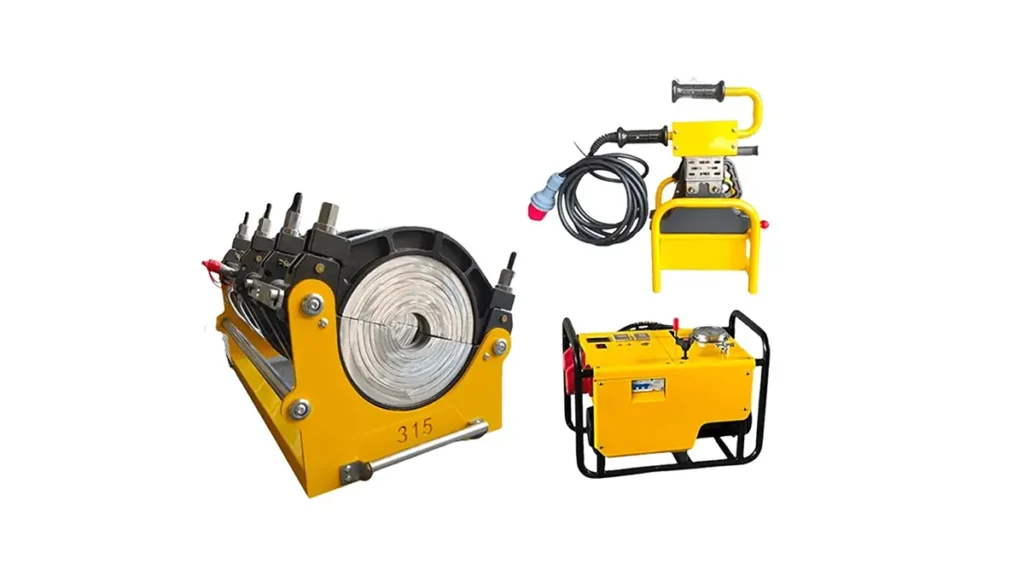
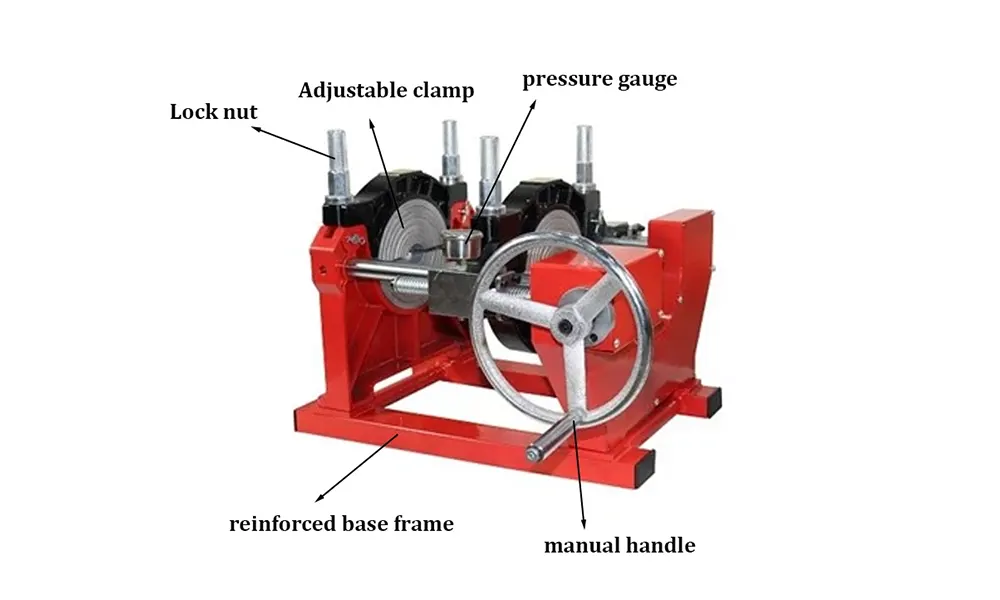
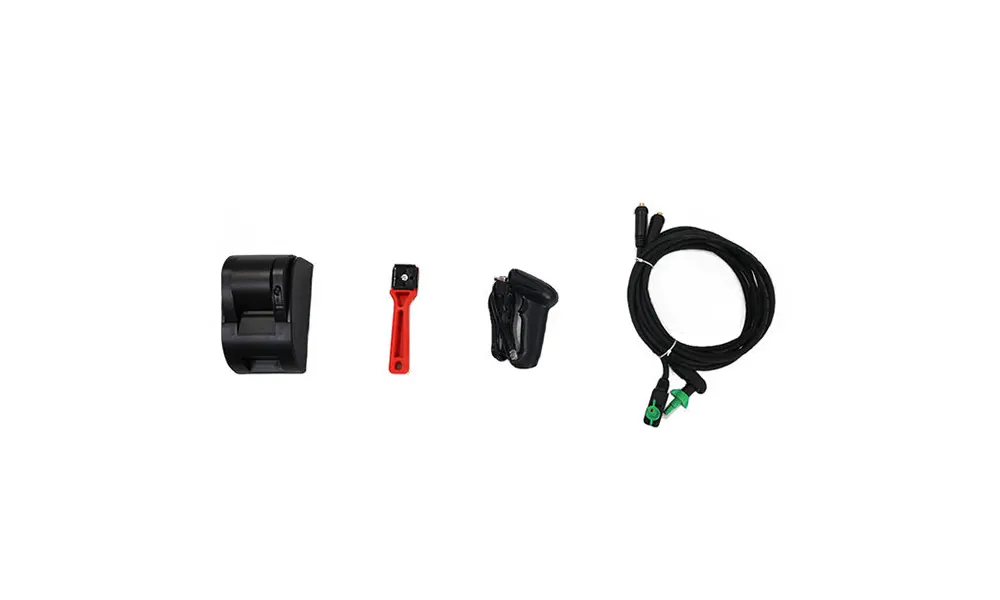
When sourcing this essential equipment, partnering with a manufacturer that understands these stringent requirements is critical. JQ-Fusion is a professional manufacturer specializing in HDPE pipe welding machines, providing reliable fusion solutions for global infrastructure projects. We focus on developing durable, certifiable, and user-friendly electrofusion and butt fusion technology that meets the exacting demands of gas and water utilities worldwide. Our electrofusion machines are engineered with the precise control, diagnostic features, and rugged build needed to perform flawlessly in the field, supported by comprehensive data management tools for complete project traceability. For more details on full specifications and global distribution, visit our electrofusion product line.
Recommended Preparation and Operational Standards
Even the most advanced electrofusion machine for gas pipelines requires proper preparation for a successful weld. Operator training remains the foundational element of a PPI-compliant electrofusion procedure. Key steps include thorough mechanical scraping of the pipe surface to remove the oxidized layer, proper cleaning with approved solvents, accurate clamping and alignment of the fitting, and allowing undisturbed cooling for the full duration specified by the manufacturer. Any movement during the cooling phase can introduce stresses that compromise joint integrity, potentially leading to future failure in a pressurized gas main. A machine that enforces a mandatory cooling timer provides an additional safeguard against this risk.
Equipping your team with a premium electrofusion machine for gas pipelines is a direct reflection of your commitment to safety, quality, and professional integrity. By focusing on the features, benefits, and selection criteria outlined above, you can make an informed decision that will deliver reliable, documented, and safe pipeline joints for decades to come. Always verify that your equipment has up-to-date certifications and partner with a supplier that offers robust technical support, training, and a proven track record in the gas industry.