Field welding of HDPE pipes demands equipment that balances portability, durability, and precision. Unlike workshop environments, outdoor job sites present uneven terrain, variable weather conditions, and limited access to power sources. Selecting the right HDPE pipe welding equipment for field work can directly impact joint integrity, project timelines, and overall safety. Whether laying municipal water mains across open countryside or installing gas distribution networks through congested urban corridors, your welding tools must perform consistently under demanding conditions.
Modern portable welding equipment has evolved significantly to meet these challenges. Engineers and contractors now have access to butt fusion welding machines that combine lightweight frames with robust clamping systems, while advanced heating elements maintain uniform temperature even in windy or cold environments. Understanding which type of machine fits your specific field requirements is the first step toward achieving reliable, code-compliant welds every time.
Types of Portable HDPE Pipe Welding Equipment for Field Use
The four primary categories of HDPE pipe welding equipment for field work each serve distinct project scales and site conditions. Matching the right equipment type to your pipe diameter, production rate, and accessibility constraints helps reduce operator fatigue and improve output quality. Below is a comparative overview of the most common field-ready welding solutions.
| Equipment Type | Typical Diameter Range | Portability Level | Best Field Application |
|---|---|---|---|
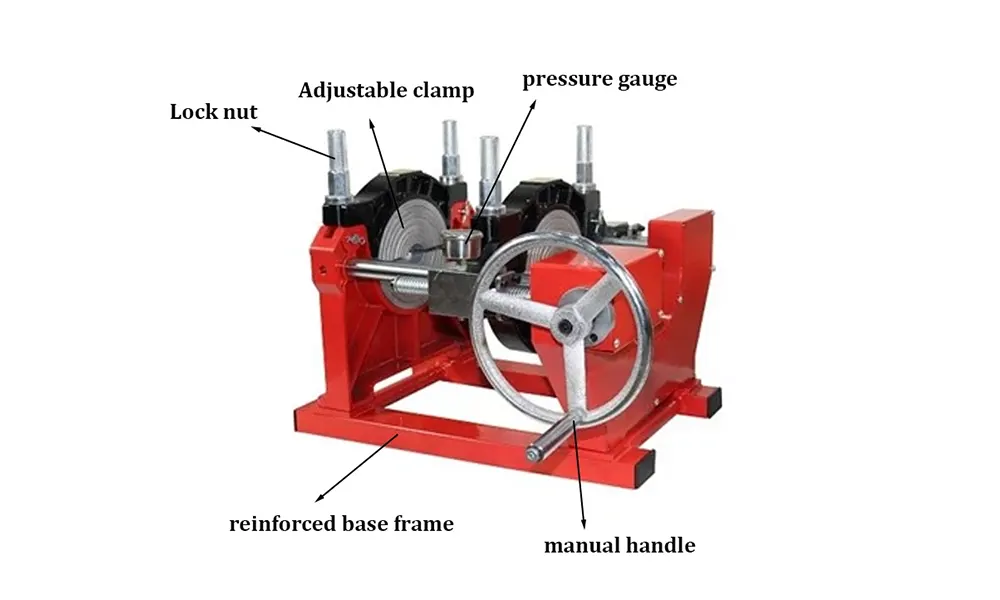
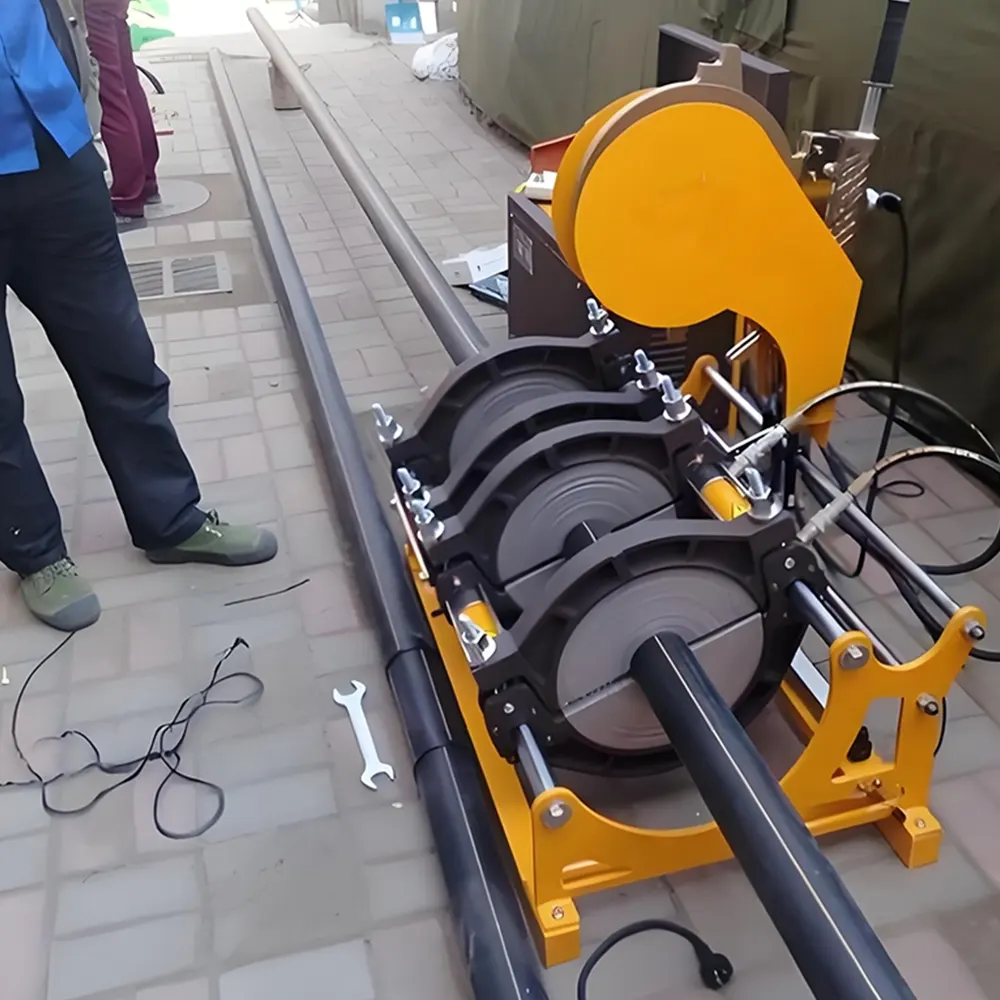
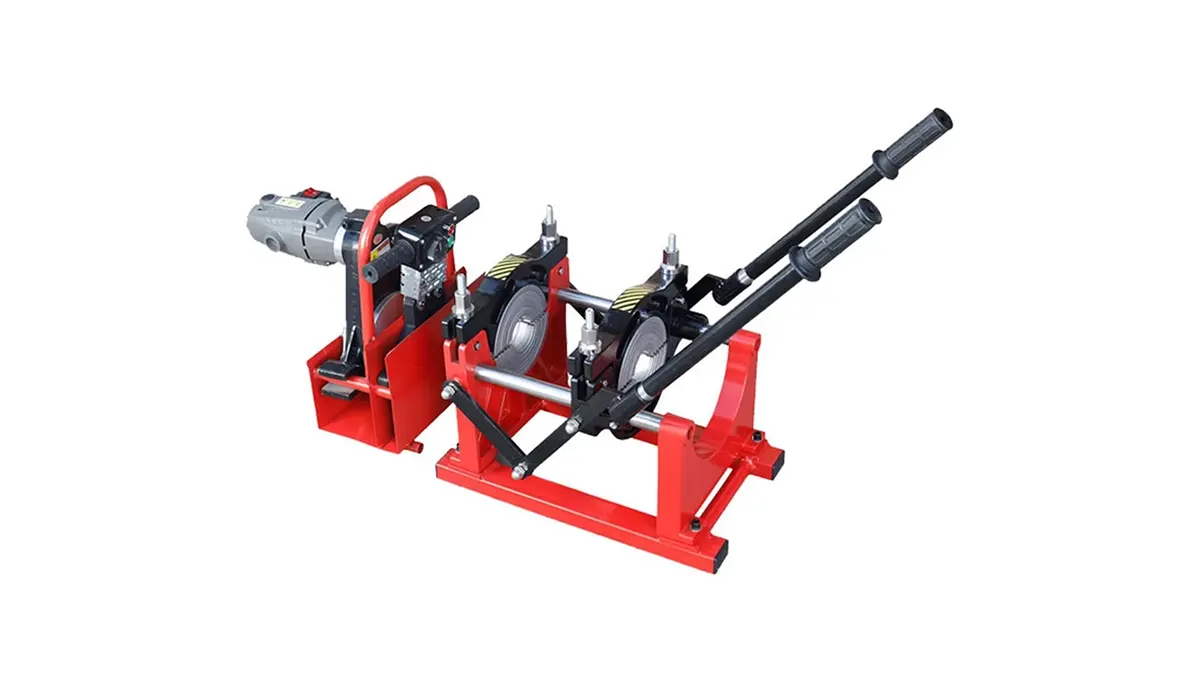
| Manual Butt Fusion | 63mm – 315mm | Excellent | Small diameter water lines, rural distribution networks |
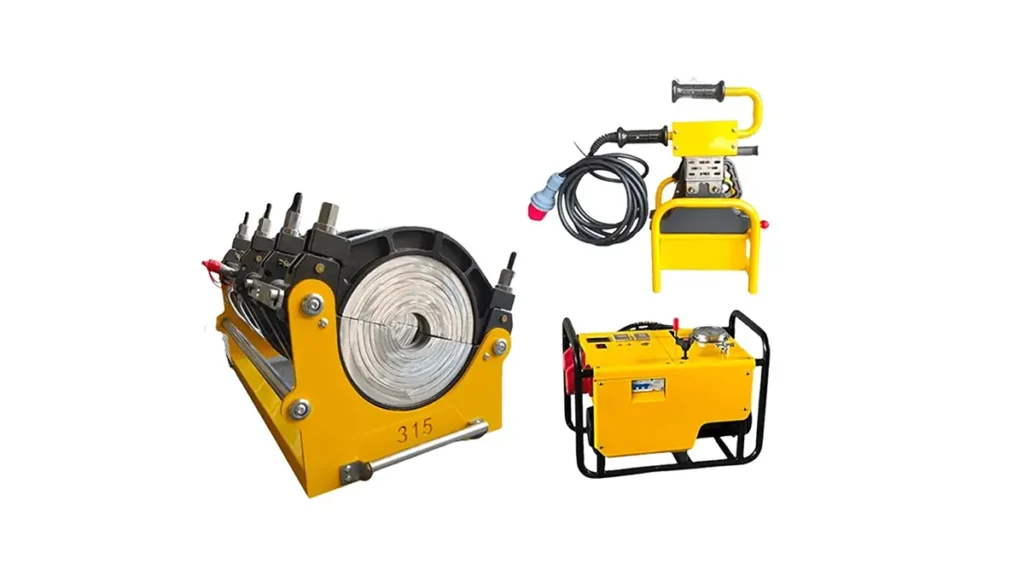
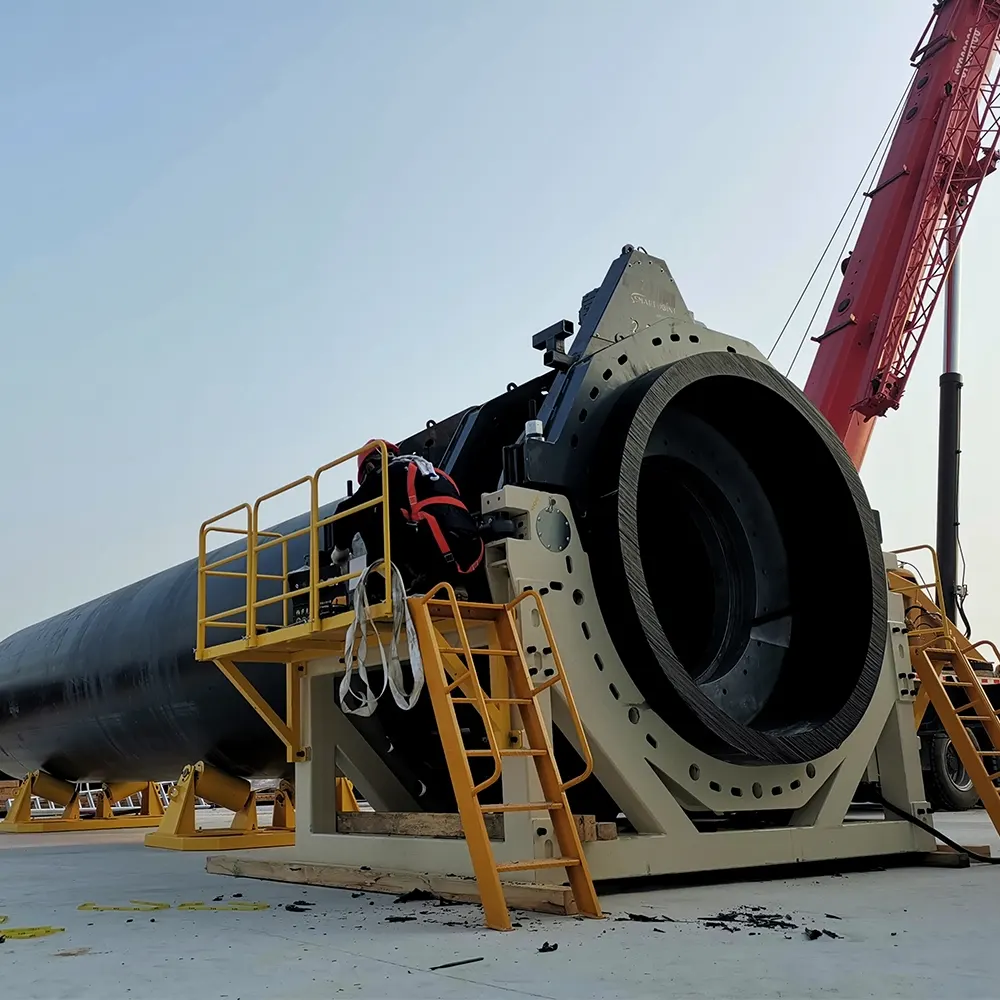
| Hydraulic Butt Fusion | 160mm – 2250mm | Good | Medium to large diameter pipelines, trunk lines |
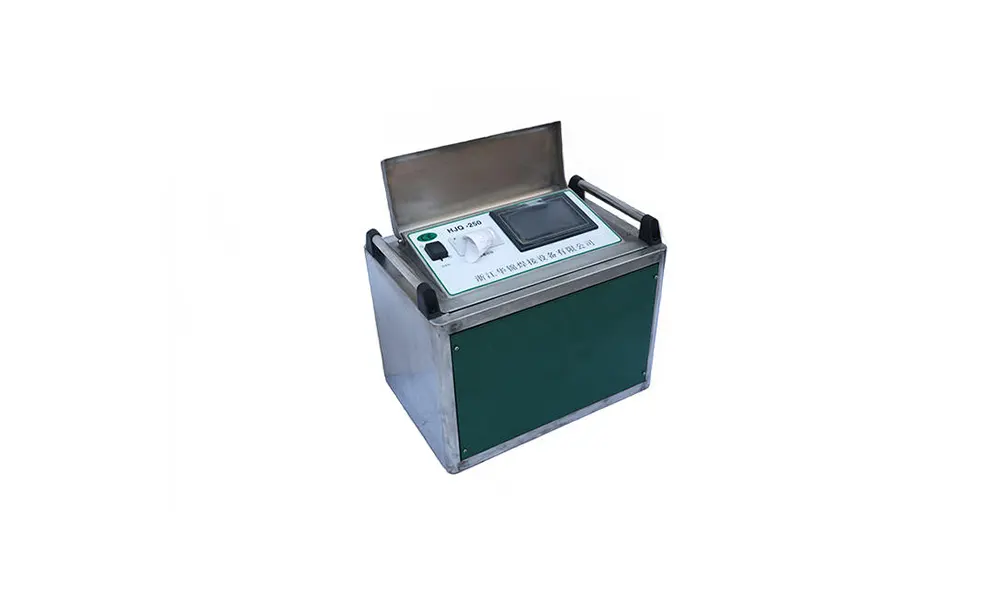
| CNC Automatic | 160mm – 630mm | Moderate | Precision projects requiring data logging and traceability |
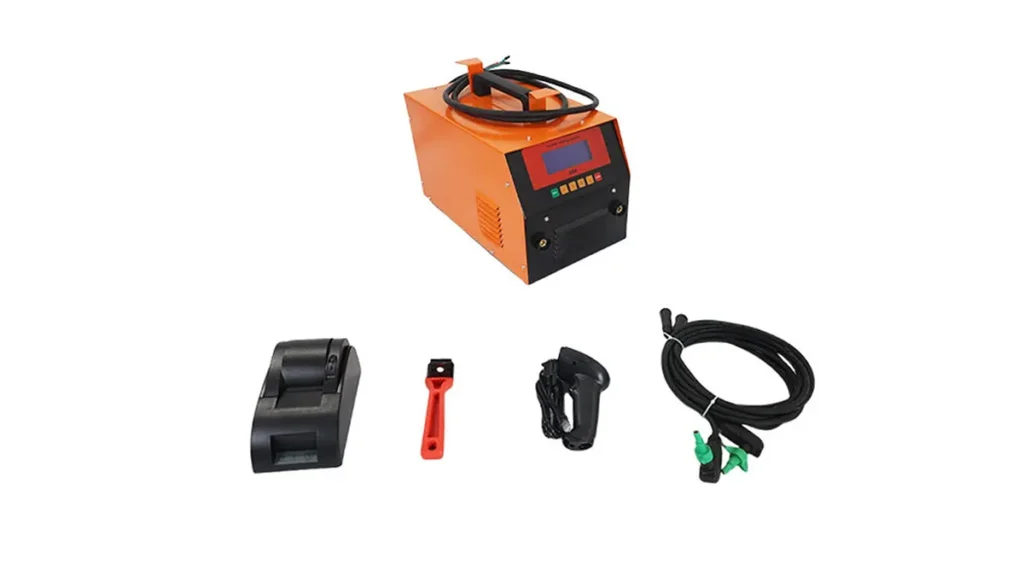
| Electrofusion | All diameters | Excellent | Repairs, tie-ins, tight access locations |
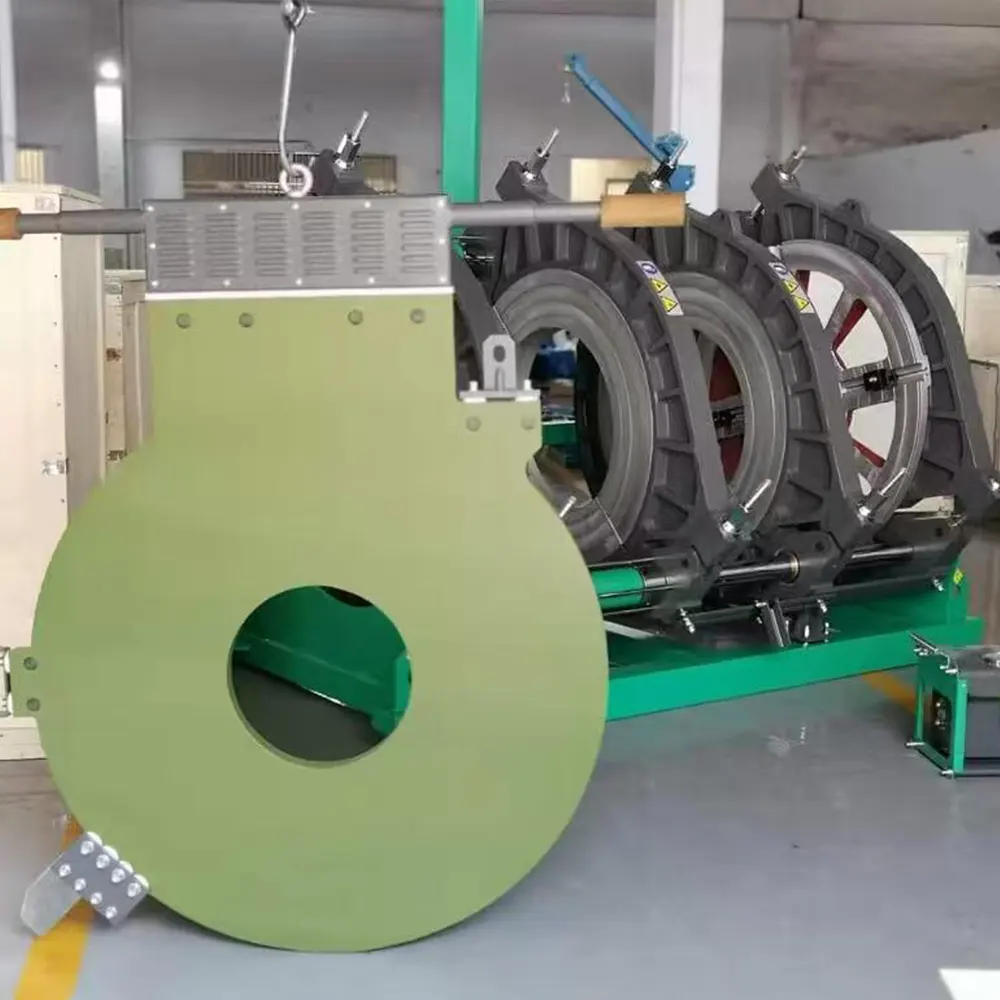
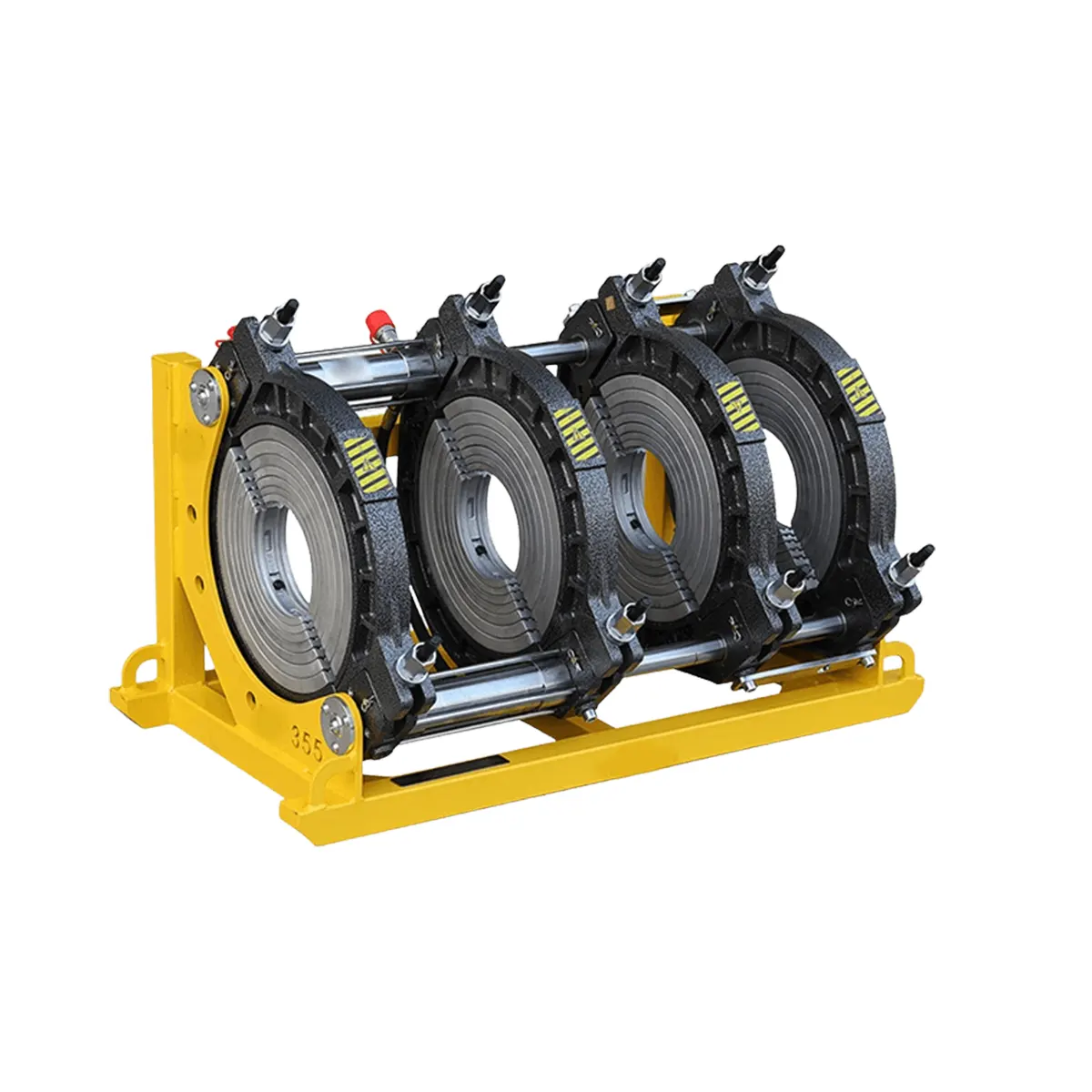
Manual butt fusion machines are the lightest and most portable option, often favored for projects where crews need to move frequently between joint locations. Their simple mechanical operation reduces the need for external power sources on smaller diameters. For larger pipes, hydraulic butt fusion welding machines offer the clamping force necessary to handle heavy wall sections while still being transportable via trailer or truck bed. When jobs demand automated control with minimal operator intervention, CNC automatic machines provide programmable welding cycles that align with ISO 21307 butt fusion procedures for consistent, repeatable results.
Critical Features for Field-Ready Welding Machines
Not all welding equipment is built to withstand the rigors of outdoor environments. When evaluating HDPE pipe welding equipment for field work, prioritize features that enhance reliability, efficiency, and operator safety under real-world conditions. The following characteristics separate purpose-built field machines from workshop-only alternatives.
- Lightweight Frame Construction: Machines with aluminum alloy clamps and frames reduce transport weight without compromising structural integrity. This is especially important when crews must carry equipment across trenches or up steep embankments.
- Rapid Heating Plate Recovery: Field welding often involves intermittent operation. A high-quality heating plate with precise temperature control and quick recovery ensures the next joint reaches optimal fusion temperature without long waiting periods.
- Self-Locking Clamp Systems: Secure pipe gripping prevents misalignment during the cooling phase. Look for clamping mechanisms that maintain consistent pressure even when external vibrations are present.
- Weather-Resistant Components: PTFE-coated heating surfaces, sealed electrical connections, and corrosion-resistant hardware protect against moisture, dust, and temperature extremes commonly encountered outdoors.
- Integrated Trimmer Performance: A smooth, chip-free facing operation is essential for proper joint preparation. Portable trimmers should maintain blade sharpness and cutting precision across long field deployment cycles.
- Tool-Free Assembly Where Possible: Reducing setup complexity allows crews to begin welding sooner and minimizes the risk of lost small parts on remote job sites.
How to Select Equipment Based on Project Requirements
Choosing the correct machine involves evaluating several project-specific variables. Begin by mapping out the pipe specifications, site logistics, and quality assurance needs before committing to a particular equipment type. This structured approach prevents costly mismatches between tool capabilities and job demands.
Pipe Diameter and Wall Thickness
The pipe dimension range directly determines the clamping capacity and hydraulic force required. Smaller machines covering 63mm to 315mm are ideal for distribution laterals, while mid-range units handling up to 630mm service collector mains effectively. For transmission pipelines exceeding 1000mm, purpose-built hydraulic butt fusion welding machines with reinforced frames and high-torque trimmers become necessary. Always verify that the machine’s PE butt fusion equipment standard compliance covers your target diameter range.
Site Accessibility and Terrain
Remote installations with limited vehicle access favor compact, manually operated equipment. For trench work in confined easements, electrofusion may offer a practical alternative where butt fusion machine setup is challenging. When working on graded slopes or unstable ground, look for machines with wide-stance bases and adjustable leveling feet to maintain alignment during the entire fusion cycle.
Production Rate Expectations
Projects with aggressive completion schedules benefit from CNC automatic butt fusion machines that reduce per-joint cycle time through optimized heating and cooling algorithms. These systems also generate digital records of each weld, streamlining the documentation required for municipal acceptance testing. For lower-volume or repair-focused work, manual and basic hydraulic machines provide sufficient throughput at a lower equipment cost.
Field Operation Best Practices for Reliable Welds
Even the most advanced HDPE pipe welding equipment for field work requires proper technique to produce sound joints. Field conditions introduce variables that controlled shop environments eliminate, making operator skill and procedural discipline critical. Adhering to established PPI butt fusion procedure guidelines helps maintain consistent quality across every joint.
Pre-Weld Preparation
Inspect pipe ends for damage, contamination, and ovality before clamping. Clean the pipe surfaces thoroughly and verify that the heating plate surface temperature matches the material manufacturer’s specification, typically between 200°C and 230°C. Wind shields should be deployed when ambient wind speeds exceed 15 km/h to prevent uneven plate cooling. Allow the machine and pipe to acclimate to ambient temperature for at least 30 minutes when moving between significantly different thermal environments.
Alignment and Facing
Pipe ends must be aligned within 10% of wall thickness tolerance. The facing operation should produce continuous, even shavings from both pipe ends. If the trimmer produces interrupted or uneven chips, inspect blade condition and pipe roundness before proceeding. After facing, avoid touching the prepared surfaces and proceed to heating within the specified time window to prevent oxidation or contamination of the melt surface.
Heating and Fusion Cycle Management
Apply the specified interfacial pressure during the heating phase to ensure proper melt bead formation. Monitor the melt bead size and shape as a visual indicator of adequate heating. During the cooling phase under pressure, protect the joint from external forces, vibrations, and rapid temperature changes. Premature pressure release or pipe movement during cooling can create residual stress concentrations that compromise long-term joint performance in accordance with ASTM F2620 heat fusion requirements.
Maintenance and Care for Portable Welding Tools
Field equipment endures significantly more wear than stationary workshop machinery. Implementing a structured maintenance program extends service life, preserves calibration accuracy, and prevents unexpected downtime during critical project phases. Regular attention to the following components pays dividends in both reliability and weld quality.
- Heating Plate Care: Clean PTFE surfaces after each shift using a non-abrasive cloth. Inspect for scratches, delamination, or hot spots that indicate uneven heating. Store plates in protective cases during transport to prevent impact damage.
- Trimmer Blade Maintenance: Dull blades create rough face surfaces that inhibit proper fusion. Replace or sharpen trimmer blades according to the manufacturer’s recommended interval, and verify cutting depth settings before each project.
- Hydraulic System Checks: For hydraulic butt fusion welding machines, inspect hoses, fittings, and cylinder seals regularly for leaks. Maintain proper hydraulic fluid levels and replace fluid according to the service schedule to prevent contamination-related failures.
- Clamp and Frame Inspection: Check for loose fasteners, worn jaw inserts, and frame straightness after transport. A bent frame or worn clamp insert can cause persistent misalignment issues that are difficult to diagnose during production.
- Electrical System Verification: Test temperature controllers against a calibrated reference thermometer monthly. Inspect power cables for cuts or abrasion that could create safety hazards on wet job sites.
For organizations managing multiple field crews, standardizing on equipment from a single manufacturer simplifies spare parts management and operator training. JQ-Fusion, a professional manufacturer specializing in HDPE pipe welding machines, provides reliable butt fusion solutions designed specifically for global infrastructure projects. Their equipment range covers manual, hydraulic, and CNC automatic models suitable for diverse field conditions and pipe sizes.
Transport and Storage Considerations
How equipment is moved between job sites affects both its condition and the speed of deployment. Dedicated transport frames or sturdy protective cases prevent calibration drift caused by road vibration. For electrofusion processors, ensure units are stored in dry conditions to protect electronic components from moisture ingress. When equipment will be idle for extended periods, apply corrosion protection to exposed metal surfaces and store in a climate-controlled environment whenever possible.
The growth in trenchless installation methods and what is HDPE butt fusion adoption continues to drive demand for more capable, portable field welding solutions. By carefully matching equipment type to project demands, prioritizing field-ready features, and following disciplined operational and maintenance practices, contractors can deliver strong, reliable pipeline systems that perform for decades. The investment in quality portable welding tools ultimately translates into fewer repairs, faster project completion, and greater confidence in every joint placed into service.