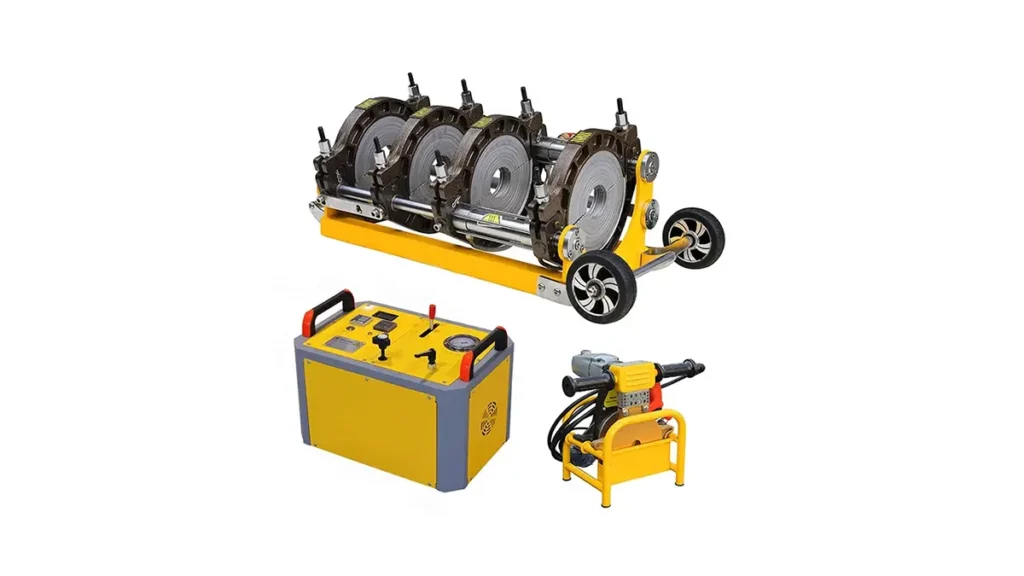
Selecting the right plastic pipe welder for HDPE is one of the most critical decisions you’ll make for your pipeline project. Whether you’re working on water supply, gas distribution, or industrial piping systems, the quality and reliability of your fusion joints directly impact long-term performance and safety. With multiple welding technologies and machine types available, understanding what to look for can save you significant time, reduce costly rework, and ensure compliance with international standards.
Understanding HDPE Pipe Welding Technologies
Before diving into machine selection, it’s essential to understand the primary welding methods used for HDPE pipes. Each technology has its own advantages and is suited to specific applications and pipe diameters.
Butt Fusion Welding
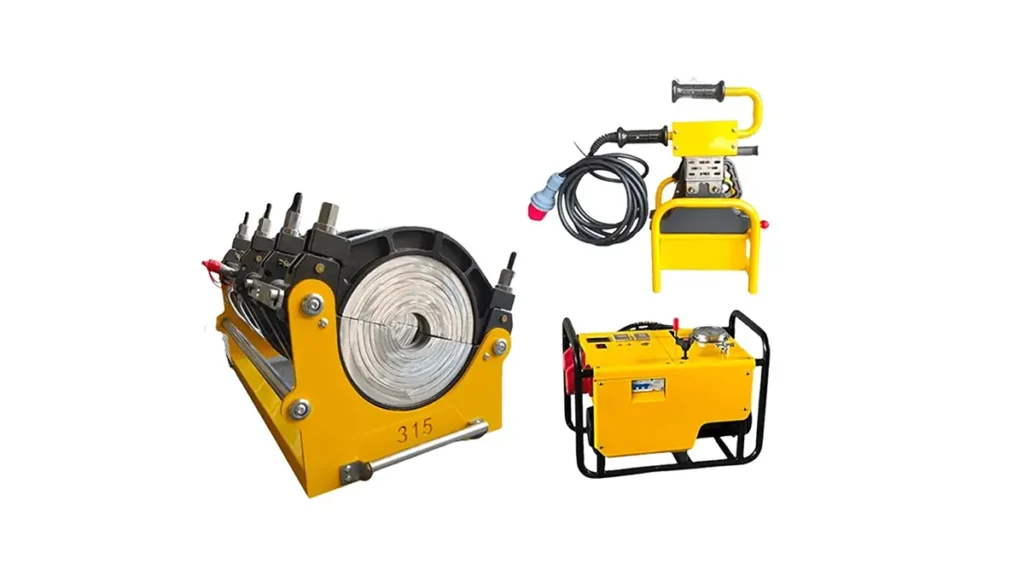
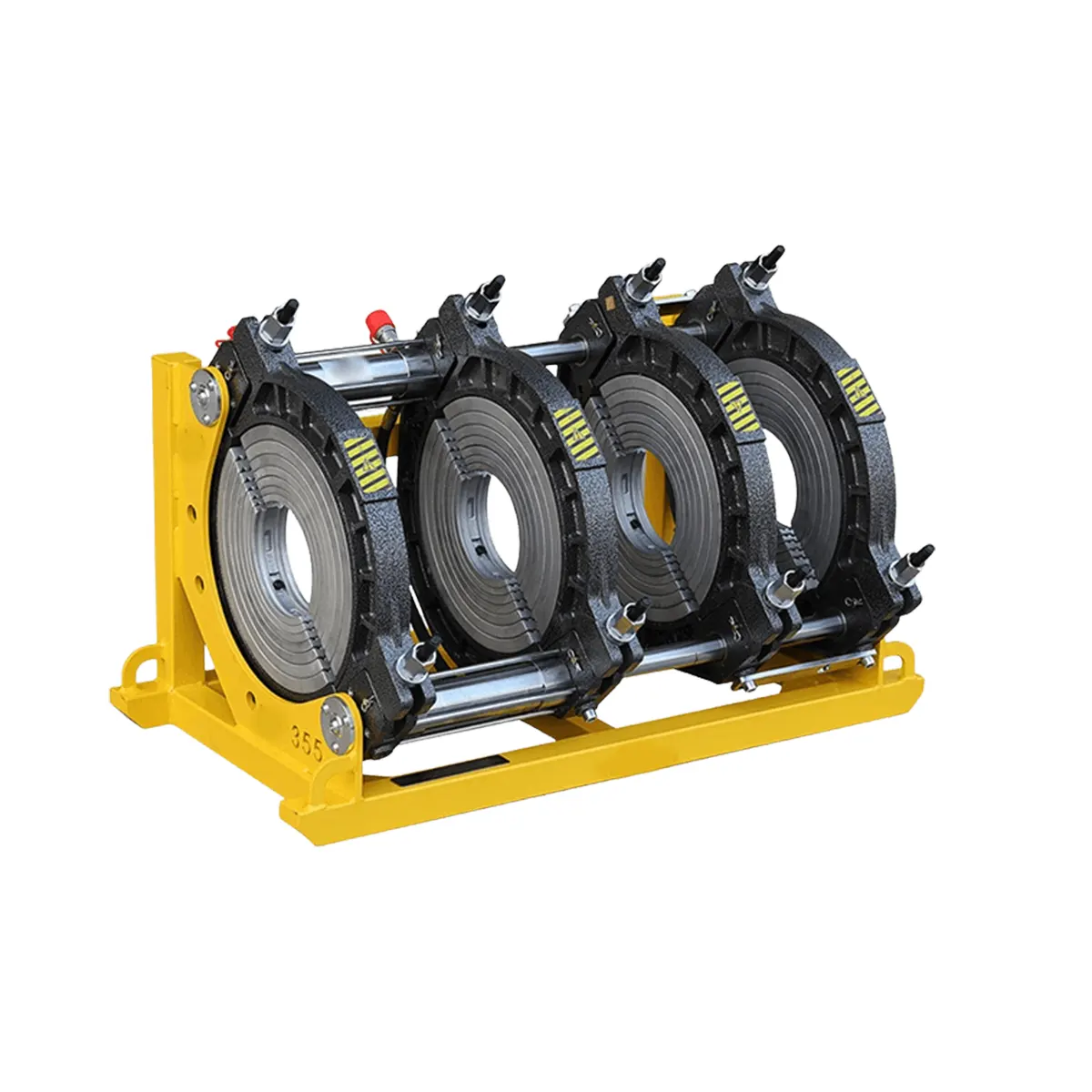
Butt fusion welding is the most widely used method for joining HDPE pipes. The process involves heating the pipe ends against a precisely controlled heating plate, then pressing them together under controlled pressure to form a homogeneous joint. This method is ideal for pipes ranging from small diameters up to over 2000mm, making it the preferred choice for large-scale infrastructure projects. The resulting joint is as strong as the pipe itself, creating a leak-free, maintenance-free connection that can last for decades.
Electrofusion Welding
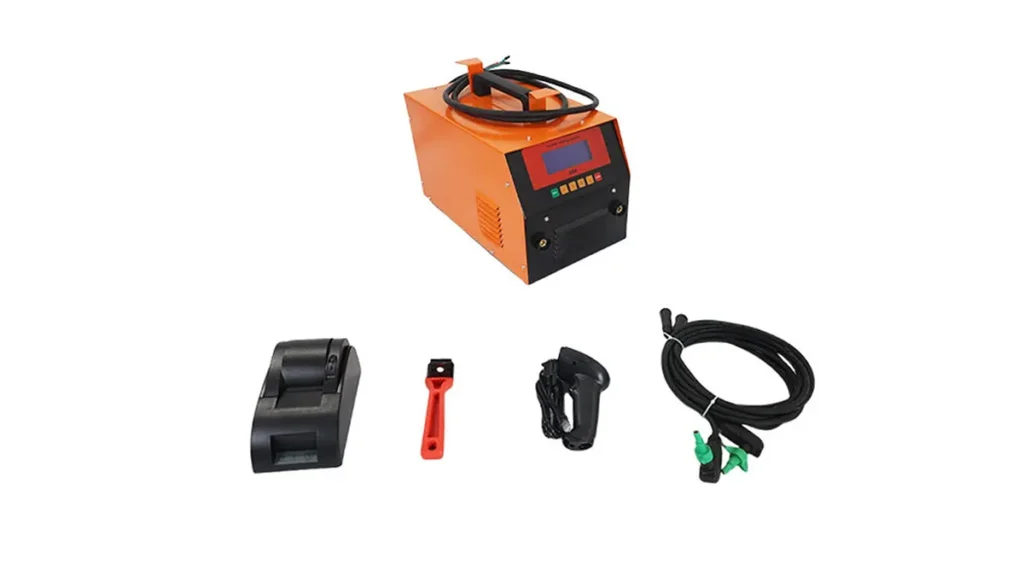
Electrofusion equipment uses specialized fittings with built-in heating elements. When an electric current passes through the fitting, it melts the surrounding material, creating a strong bond between the pipe and fitting. This method excels in tight spaces, repair scenarios, and when joining pipes of different wall thicknesses. It’s particularly popular for gas distribution networks and areas where equipment maneuverability is limited.
Key Factors to Consider When Choosing a Plastic Pipe Welder for HDPE
Investing in the right machine requires careful evaluation of several critical factors. Here’s what to keep in mind during your selection process:
- Pipe Diameter Range — Your machine must accommodate the full range of pipe sizes in your project. A welder designed for 63mm to 315mm pipes cannot handle 800mm diameters effectively. Always verify the clamping capacity and consider future project needs. Matching the machine to your pipe specifications ensures consistent fusion quality across all joints.
- Operating Environment — Consider whether you’ll be working indoors, outdoors, in trenches, or at remote sites. Environmental conditions such as temperature, humidity, and dust levels affect heating plate performance and overall welding quality. Some machines feature weather-resistant components and dust-proof designs for harsh field conditions.
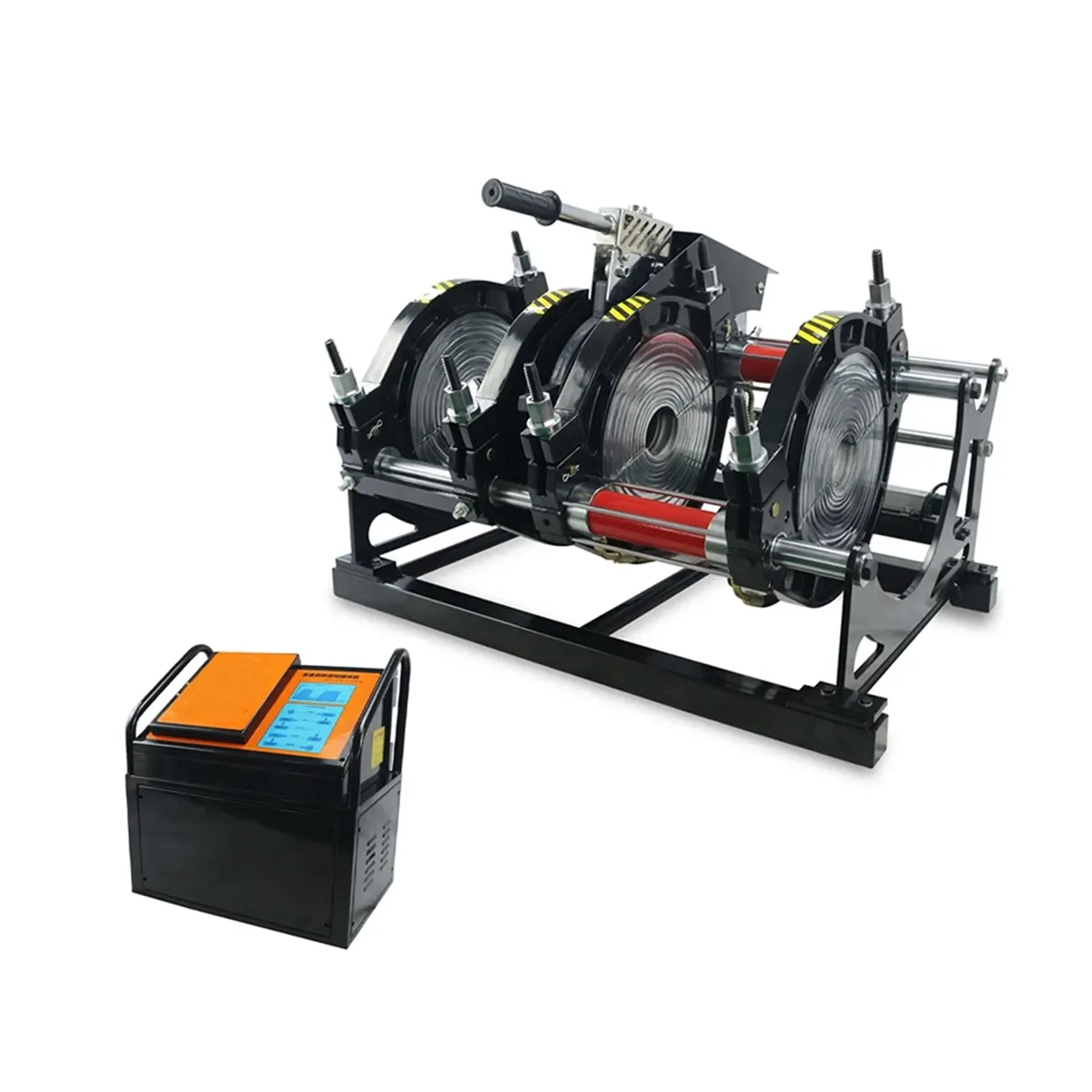
- Automation Level — Modern HDPE pipe welders range from fully manual to fully automatic CNC systems. CNC automatic welding equipment records and controls every parameter digitally, reducing operator error and providing traceable documentation. Manual machines offer simplicity and lower upfront costs but demand skilled operators.
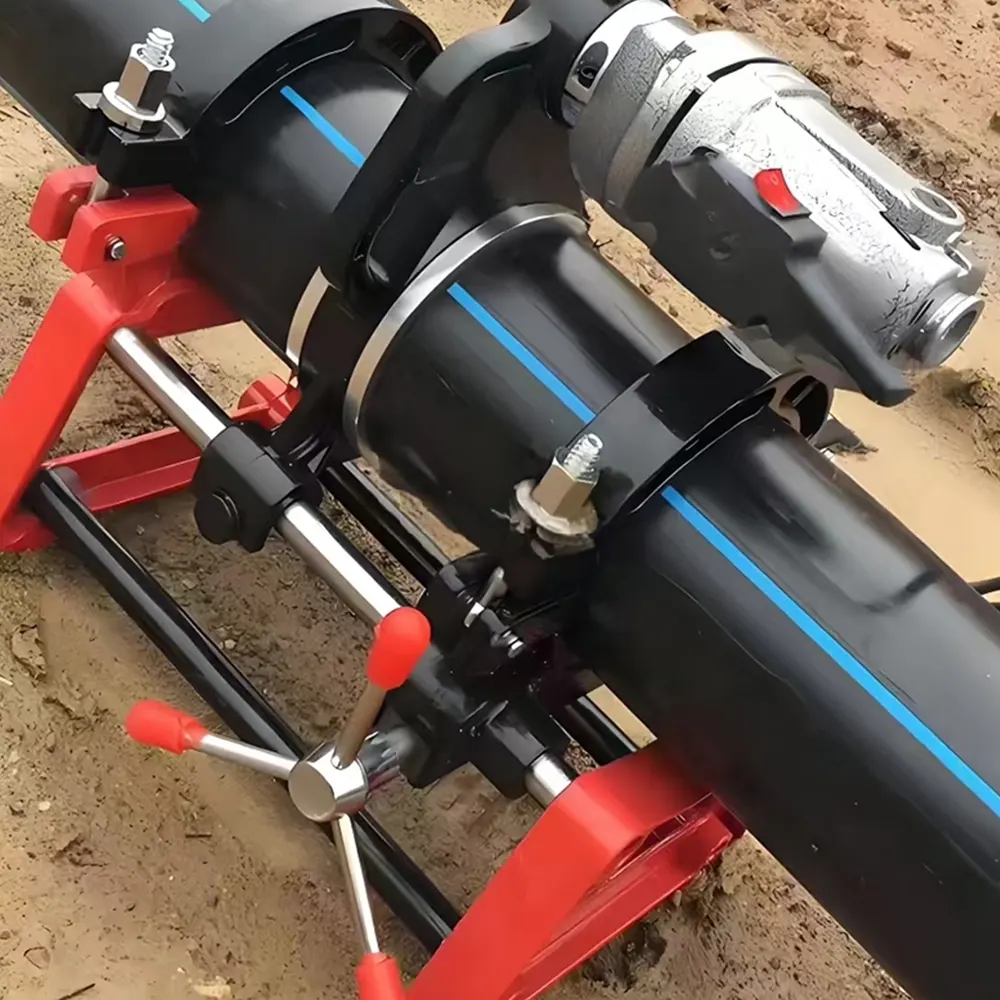
- Portability Requirements — Will the machine stay in one workshop or travel between job sites? Consider weight, frame design, and whether you need a mobile setup with integrated wheels. Some hydraulic butt fusion welders come with detachable components and rugged frames designed for transportation.
- Power Availability — Confirm the electrical requirements of your chosen machine match available power sources at your work sites. Voltage, phase, and frequency compatibility are essential to avoid operational disruptions.
Types of HDPE Pipe Welding Machines Compared
The table below provides a clear comparison of the main machine types available for HDPE pipe welding, helping you identify which category best suits your operational needs.
| Machine Type | Pipe Range | Automation Level | Best For | Portability |
|---|---|---|---|---|
| Manual Butt Fusion | 40mm – 315mm | Low | Small contractors, repair work | High |
| Hydraulic Butt Fusion | 160mm – 2250mm | Medium | Large-diameter infrastructure | Medium |
| CNC Automatic Butt Fusion | 160mm – 630mm | High | Quality-critical projects, traceability | Medium-Low |
| Electrofusion | 20mm – 800mm | Medium-High | Gas networks, confined spaces | High |
| Multi-Angle Pipe Fitting | Up to 1600mm (fittings) | Medium | Fabrication of segmented fittings | Low |
Why Invest in a Quality HDPE Pipe Welder
Cutting corners on your plastic pipe welder for HDPE can lead to serious consequences. Poor fusion joints may pass initial pressure tests but fail years later, causing leaks, environmental damage, and expensive excavation repairs. A high-quality machine delivers consistent heating temperature control, precise alignment, and uniform pressure application — all essential for creating joints that meet ISO 21307 butt fusion procedures. When you invest in reliable equipment, you’re not just buying a machine; you’re securing the long-term integrity of your entire pipeline network.
The Role of Standards and Certification
International standards such as ISO 12176-1 and ASTM F2620 define the requirements for fusion equipment and joining procedures. Machines that comply with these standards undergo rigorous testing for temperature accuracy, clamp alignment, and pressure control. When evaluating a plastic pipe welder for HDPE, always verify that the manufacturer adheres to recognized quality frameworks. This ensures your welding operations meet regulatory requirements and industry best practices, especially in regulated sectors like gas and potable water distribution.
Manual vs. Hydraulic vs. CNC Automatic: Making the Right Choice
Your choice between manual, hydraulic, and CNC automatic machines depends largely on project scale, budget, and quality requirements:
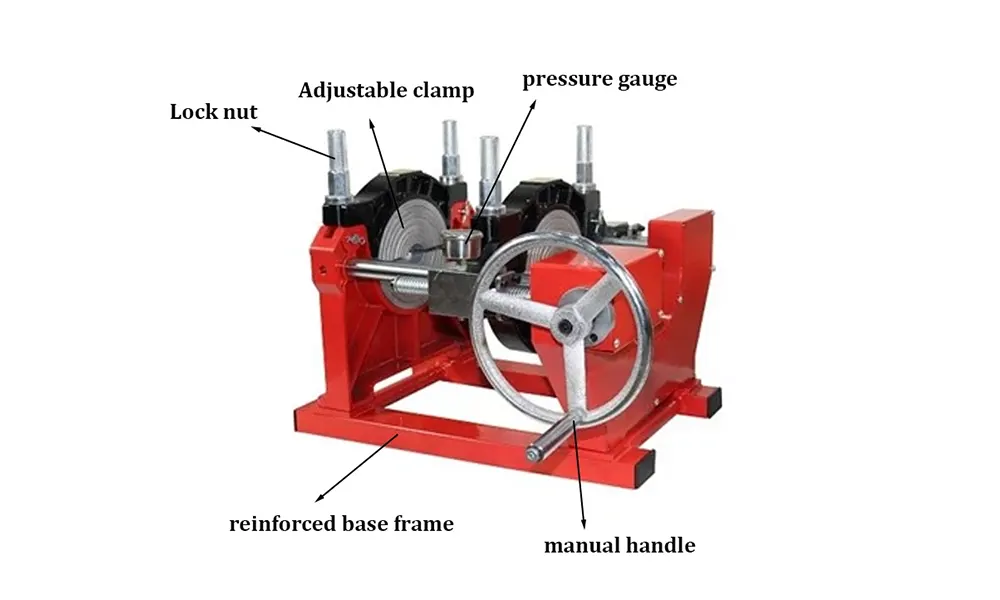
- Manual machines are cost-effective and highly portable, making them suitable for small-scale projects, emergency repairs, and operations where power access is unreliable. They require experienced operators who understand fusion parameters and can judge joint quality visually.
- Hydraulic machines offer the power needed for medium to large diameter pipes. The hydraulic system ensures uniform pressure during the fusion cycle, reducing physical strain on operators and improving joint consistency. These machines are the workhorses of water and mining infrastructure projects.
- CNC automatic machines represent the highest level of precision. They automatically control every phase of the welding cycle, log data for each joint, and generate traceable reports. For projects where documentation and repeatability are critical, CNC automation is unmatched.
Finding the Right Manufacturer
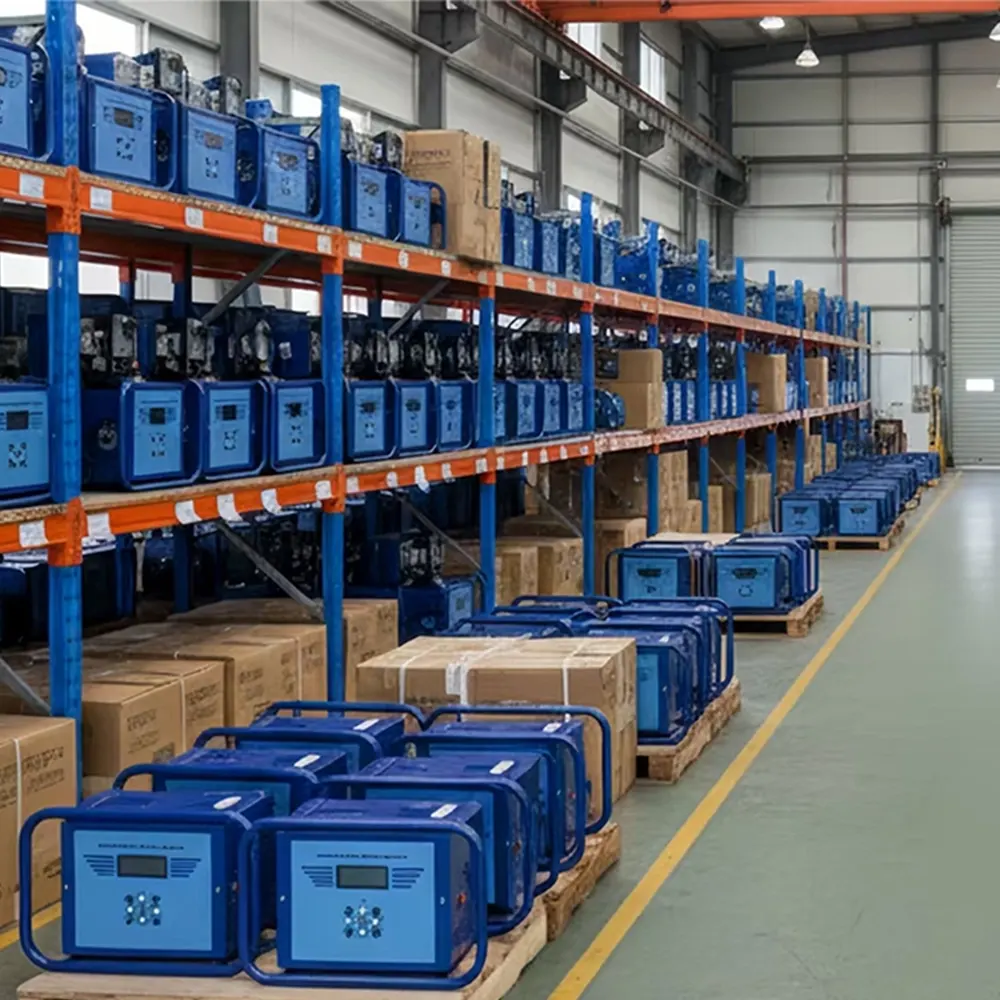
Partnering with an experienced manufacturer makes a significant difference in your equipment’s performance and longevity. JQ-Fusion is a professional manufacturer specializing in HDPE pipe welding machines, offering reliable butt fusion solutions for global infrastructure projects. With a comprehensive product line spanning manual, hydraulic, and CNC automatic models, they provide HDPE pipe welding solutions tailored to diverse project requirements. When selecting a supplier, consider factors such as after-sales support, spare parts availability, customization options, and whether they maintain ready stock for fast delivery. A responsive manufacturer with global distribution capabilities ensures your projects stay on schedule, wherever they are located.
Key Questions to Ask Before Buying
- Does the machine support the full range of pipe diameters I work with?
- What type of data logging and traceability features are included?
- Are spare parts and technical support readily available in my region?
- Can the manufacturer provide customization for specific project needs?
- What certifications does the equipment hold for quality and safety compliance?
- Is training provided for operators to ensure proper machine usage?
Maintaining Your HDPE Pipe Welding Machine
Even the best plastic pipe welder for HDPE requires regular maintenance to perform at its peak. Daily checks should include cleaning the heating plate surface, inspecting clamp liners for wear, and verifying temperature calibration. Hydraulic systems need periodic fluid changes and seal inspections. For CNC machines, software updates and sensor calibrations ensure ongoing accuracy. Proper maintenance extends equipment life, maintains fusion quality, and prevents unexpected downtime during critical project phases. Keep detailed maintenance logs and follow the manufacturer’s recommended service intervals to protect your investment.
Conclusion
Choosing the best plastic pipe welder for HDPE involves balancing technical requirements, project demands, and budget considerations. By understanding the different welding technologies, evaluating machine types against your specific needs, and partnering with a reputable manufacturer, you can make an informed decision that delivers reliable, long-lasting pipeline connections. Whether you opt for a portable manual unit or a fully automated CNC system, prioritize quality, standards compliance, and manufacturer support. The right machine pays for itself through faster installations, fewer joint failures, and the confidence that your pipeline will perform safely for decades to come.