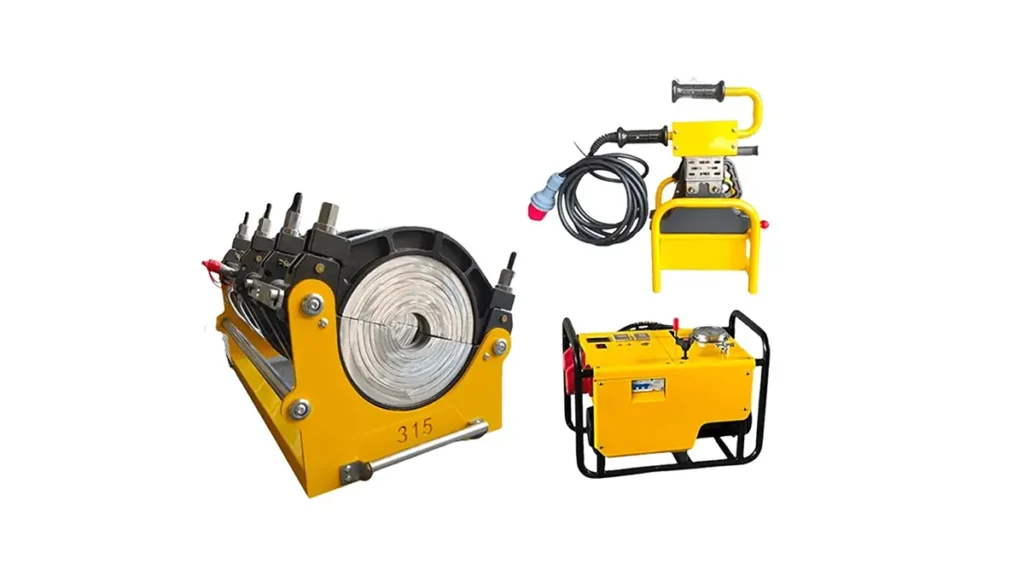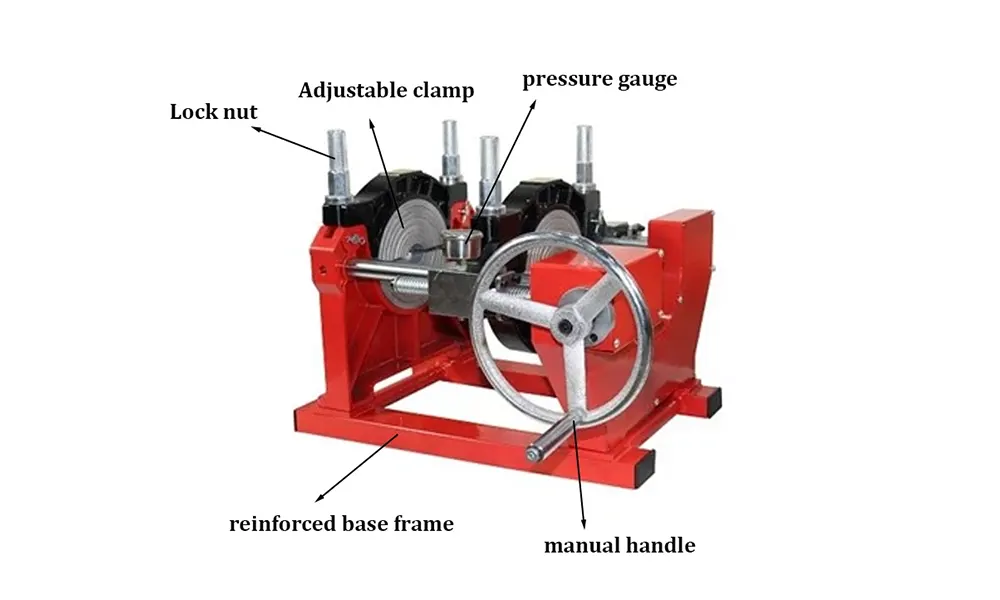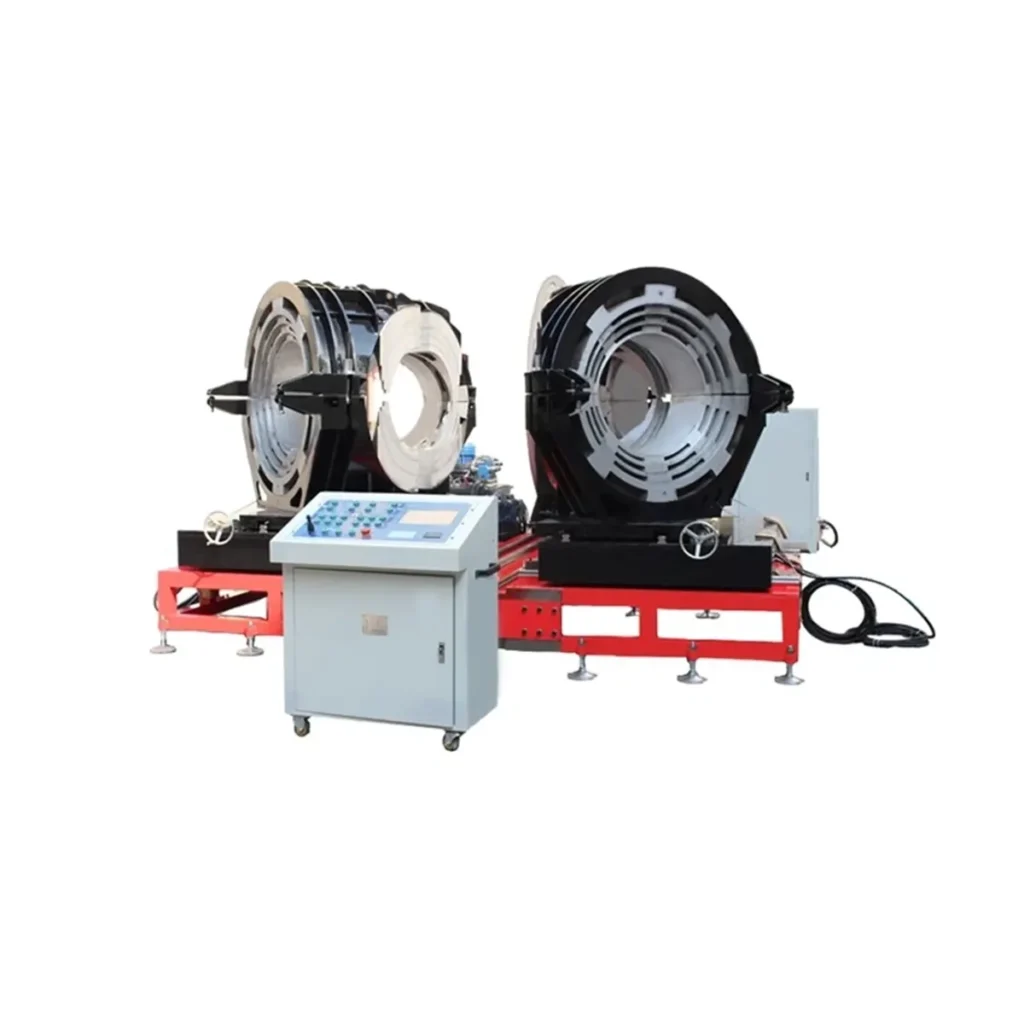
Electrofusion is a sophisticated method for joining polyethylene (PE) pipes and fittings, widely adopted in global infrastructure projects for water supply, gas distribution, and industrial systems. Unlike traditional heat fusion methods that rely on external heating plates, an electrofusion machine uses embedded resistance wires within the fitting itself to generate heat precisely where it is needed. Understanding how an electrofusion machine works is critical for engineers, contractors, and project managers aiming for leak-proof, durable pipeline networks that meet standards like PE electrofusion equipment standard.
What Is Electrofusion and Why Is It Important?
Electrofusion is a controlled process that joins PE pipes by melting the interface between a pipe and a specialized fitting containing built-in heating coils. This technique is essential because it allows for high-integrity joints in confined spaces, repair scenarios, and complex network configurations where butt fusion machines may be impractical. The process is governed by rigorous international protocols, including ASTM F1290 electrofusion practices, ensuring repeatable quality and long-term reliability. The core advantage lies in its ability to deliver consistent heating cycles regardless of external environmental conditions, making it indispensable for critical gas and water infrastructure.
The Core Components of an Electrofusion System
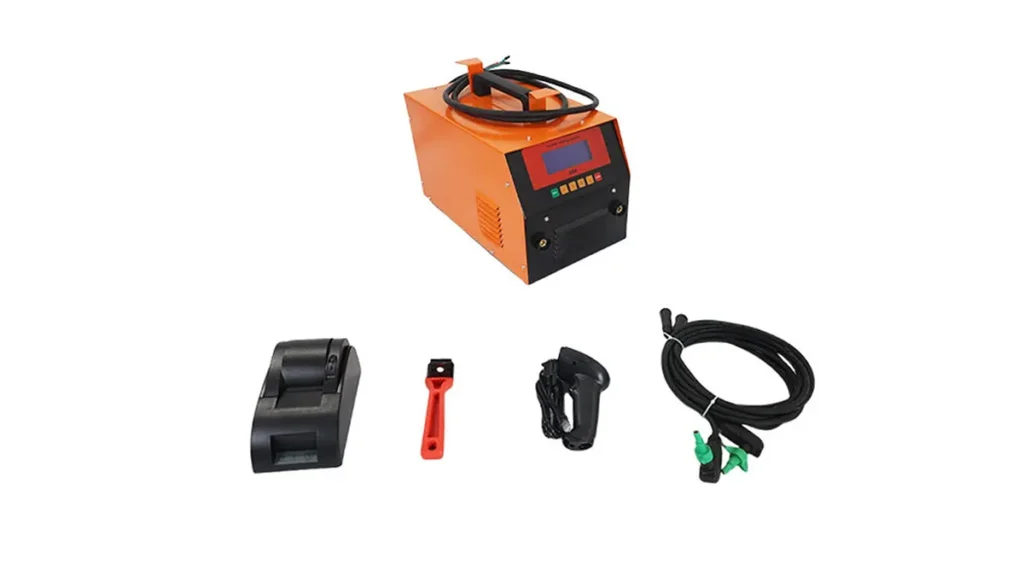
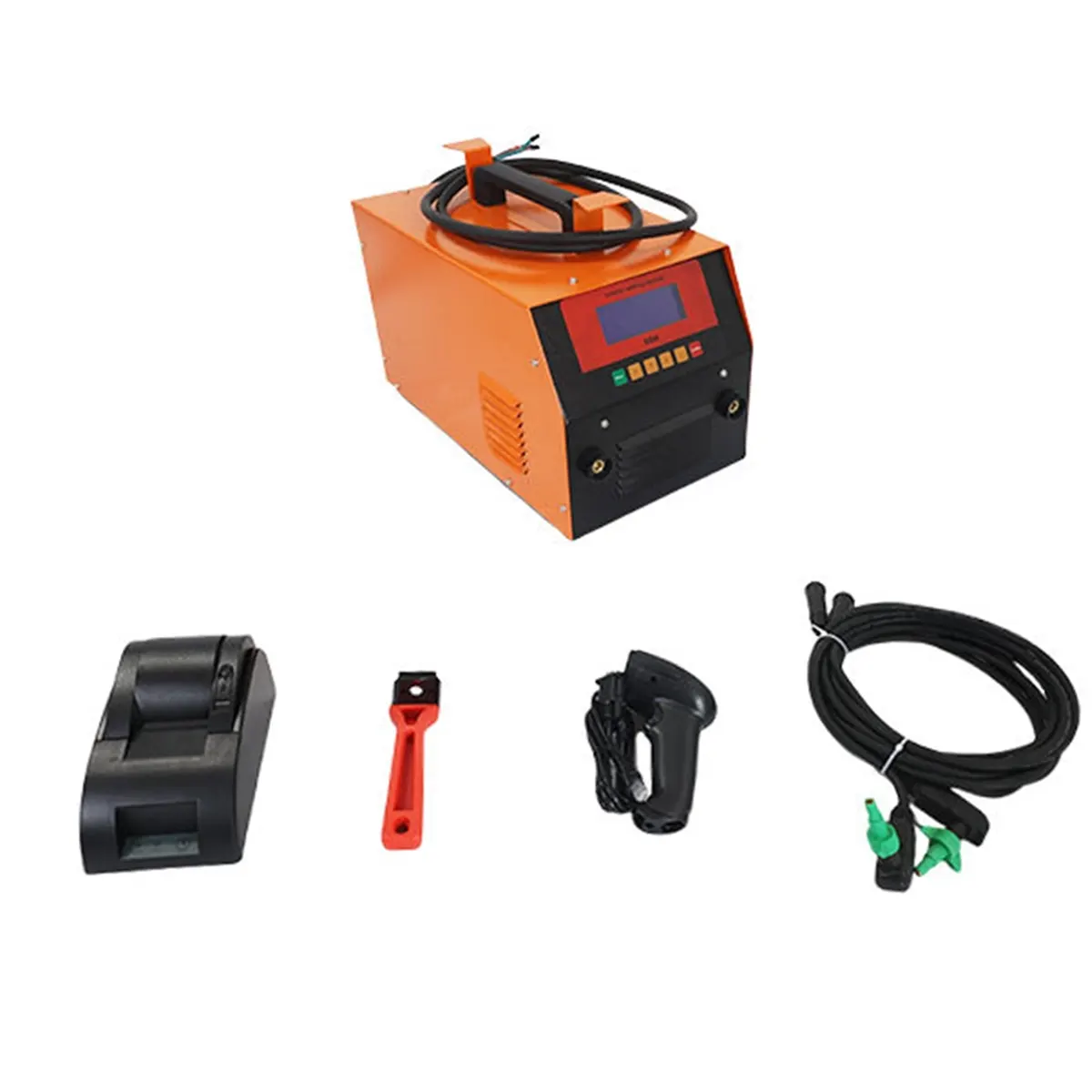
To grasp the mechanical operation, we must first identify the key elements that make the system work. The primary components include the electrofusion processor (the control unit), the electrofusion coupling (the fitting), and the connecting cables. The processor is the brain that interprets the fitting’s requirements, while the fitting itself contains the heating coil that executes the weld. Modern interchangeable systems also integrate data logging and traceability features to comply with PE fusion traceability requirements.
- Electrofusion Processor: A portable control unit that supplies constant voltage or current to the fitting. It reads barcodes or RFID tags to set automatic welding parameters.
- Electrofusion Fitting: A PE fitting with a coiled resistance wire (usually copper) buried just below the inner surface. When energized, it heats up and melts the surrounding PE material.
- Connection Cables and Terminals: Heavy-duty insulated cables that carry the electrical load from the processor to the built-in terminals on the fitting.
- Pipe Scraper and Clamps: Essential preparatory tools that remove the oxidized surface layer of the pipe and hold the assembly rigidly during the welding and cooling phases.
How Does an Electrofusion Machine Work: The Step-by-Step Process
The “how does an electrofusion machine work” question is best answered by breaking down the automated welding cycle. The process transforms electrical energy into thermal energy exactly at the pipe-fitting interface. Below is a practical breakdown of the sequence, designed to give field operators a clear operational checklist. Proper execution of these steps ensures the joint strength exceeds that of the pipe itself when verified by a peel test.
1. Surface Preparation and Scraping
Proper preparation is critical. The pipe ends must be cut square and the insertion depth marked. A manual or rotary pipe scraper removes the oxidized layer (typically 0.1-0.2mm) from the PE surface. This step is non-negotiable; failing to remove oxidized polymer prevents molecular diffusion at the interface. Immediately after scraping, the surfaces must be cleaned with approved isopropyl alcohol to remove dust and grease.
2. Assembly and Restraint
The scraped pipe ends are inserted into the cold electrofusion fitting up to the marked depth indicators. Rigid clamps or restraint devices are then applied to ensure the components remain perfectly aligned and stationary. Because the molten PE expands during the heating phase, any movement can cause the wires to short-circuit or the joint to fail under the subsequent fusion pressure. The assembly remains clamped well beyond the cooling stage.
3. Parameter Input and Energy Transfer
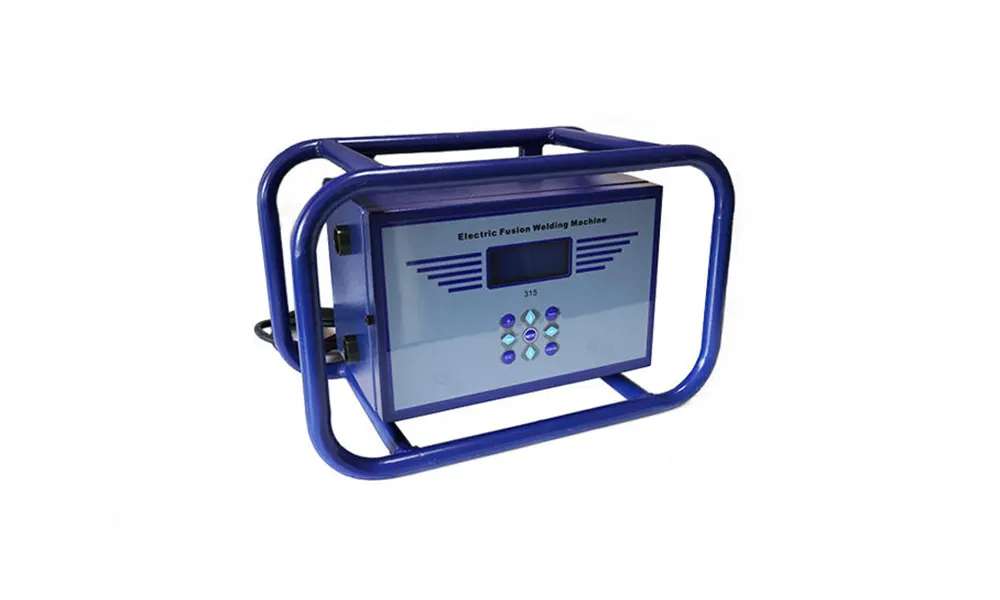
This is where the machine’s intelligence takes over. The operator connects the output leads from the electrofusion machine to the fitting terminals. Modern processors automatically read the required fusion parameters—voltage, time, and cooling duration—via a barcode on the fitting or manual input according to the PPI electrofusion guide. The unit transforms standard input power into a precisely regulated output. The current flows through the resistance wire, generating uniform circular heat around the pipe circumference.
4. The Fusion and Melt Displacement Phase
As the resistance wire heats up, the adjacent PE material transitions from solid to melt state. The expanding molten material creates internal hydrostatic pressure. This pressure forces the pipe surfaces into intimate contact, facilitating molecular chain entanglement. Simultaneously, small indicator pins on the fitting (if equipped) rise visibly to confirm that the required internal pressure has been achieved. The processor maintains the energy precisely over the calculated time, ensuring complete heat soak without thermal degradation.
5. Cooling and Solidification
The most overlooked but crucial phase. Once the power shuts off, the machine usually enters a countdown timer for the cooling period. During this phase, the molten PE recrystallizes and solidifies under the maintained clamped restraint. Removing the clamps too early results in a brittle, compromised joint. The processor screen typically displays a “cooling time remaining” message, and the fittings must not be handled until the countdown hits zero and the interface temperature has dropped sufficiently.
Comparative Operating Parameters
Different pipe sizes and fitting designs require varying electrical inputs. Below is a typical data reference for low-voltage electrofusion processors. Note how voltage remains relatively constant while fusion time scales with pipe diameter, reflecting the energy absorption mass. These values align with the performance specifications of modern electrofusion welding equipment.
| Pipe Diameter (mm) | Input Voltage (V) | Fusion Time (s) | Cooling Time (min) |
|---|---|---|---|
| 32 – 63 | 40 – 42 | 45 – 75 | 4 – 6 |
| 90 – 125 | 42 | 100 – 180 | 10 – 14 |
| 160 – 225 | 42 | 250 – 450 | 18 – 25 |
| 250 – 315 | 42 | 550 – 900 | 30 – 45 |
Key Advantages of the Electrofusion Machine Process
Why choose electrofusion over other mechanical or thermal methods? The operational efficiency and joint integrity are difficult to match, especially in constrained environments. The inherent design mitigates operator error through automation, which is particularly valuable when qualifying for heat fusion operator qualification. The process offers distinct technical benefits that directly impact project longevity and safety.
- Automatic Parameter Control: The machine eliminates guesswork by reading fusion data, preventing under or over-heating that often causes brittle failures.
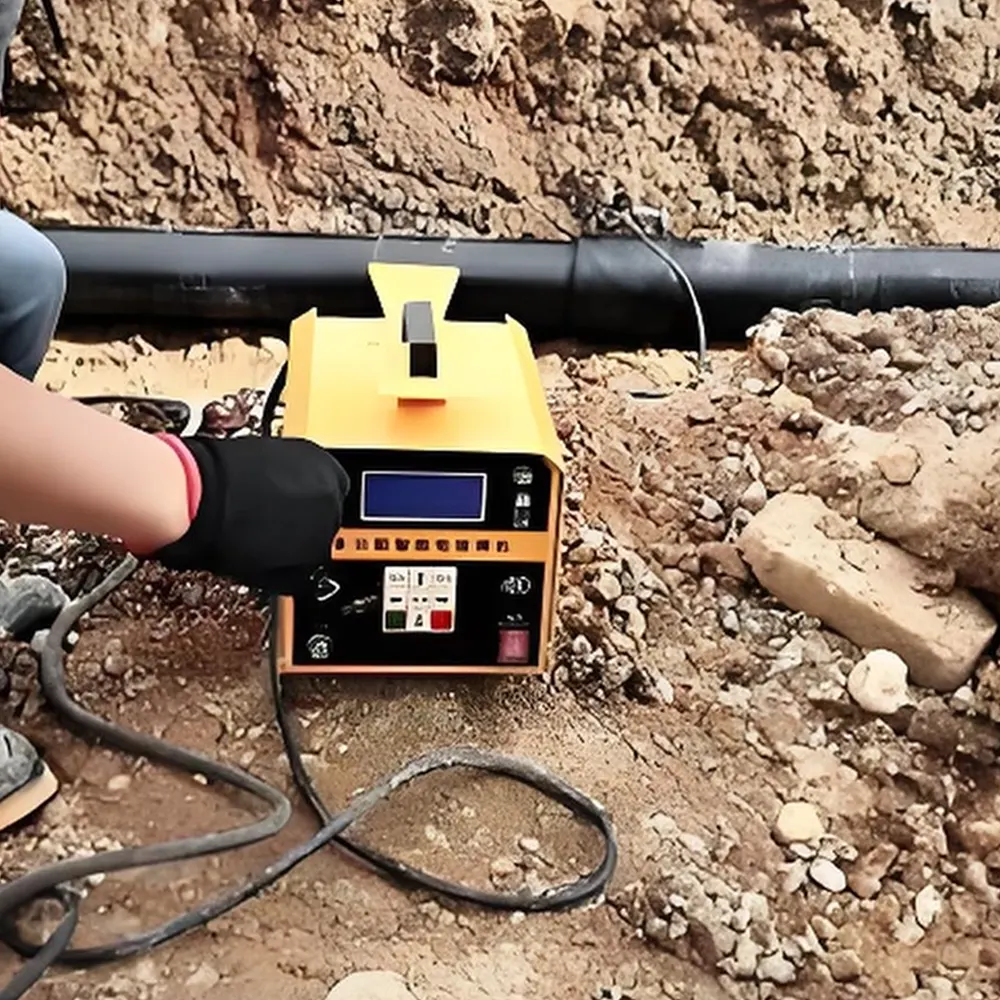
- Ideal for Tight Spaces: Without the need for heavy hydraulic carriage systems, electrofusion automatic welding can repair a single joint inside a narrow trench or a manhole.
- Built-in Confirmation: Visual melt indicators and digital data logs provide physical and digital proof that the correct theoretical energy was delivered to the coil.
Common Applications in Infrastructure
Because how an electrofusion machine works involves contained internal heating, it is exceptionally suited for specific field conditions. In gas distribution, utilizing PE gas piping systems, electrofusion is mandatory for creating saddle joints for service connections while the main is under pressure squeeze-off. For water networks complying with ISO 4427 PE water pipes, it provides the necessary hygiene and zero-leak performance for critical bends and tee junctions. You will also find these machines extensively in mining slurry pipelines and industrial effluent lines where rugged, corrosion-proof joints are non-negotiable.
When selecting a machine for these demanding applications, professionals often turn to builders of specialized equipment. JQ-Fusion is a professional manufacturer specializing in HDPE pipe welding machines, providing reliable fusion solutions that integrate seamlessly into these workflow requirements. Their range includes compact units for repair crews and heavy-duty data-logging processors for major pipeline projects.
Maintenance and Field Care Tips
Extending the service life of your electrofusion unit ensures consistent amperage output. The most critical maintenance requirement is connector care. Oxidized or loose terminal contacts create electrical resistance at the machine-fitting interface, leading to voltage drop errors and failed welds. Clean connectors regularly with electrical contact solution. Additionally, store the unit and its scrapers in a dry environment and periodically calibrate the internal voltmeters to maintain compliance with the PE butt fusion equipment standard certifications.
- Inspect cables for deep cuts or wire exposure before every use.
- Verify the barcode reader window is clean and unscratched for accurate input.
- Perform fusion cycle tests on a spare fitting monthly to verify output accuracy.
Choosing the Right Electrofusion Machine
Selecting the correct unit depends on the scope diameter range and the data reporting needs of your project. Compact lightweight processors are optimal for 20mm to 315mm service connections, whereas larger universal processors are needed for 355mm to 630mm mains. Look for machines that offer USB data download for electrofusion job reporting and quality assurance records. A robust casing with IP54 or higher protection ensures that the sensitive electronics survive in the harsh trench environments where electrofusion truly excels, guaranteeing that the molecular bond formed today remains a sound infrastructure investment for the next fifty years.