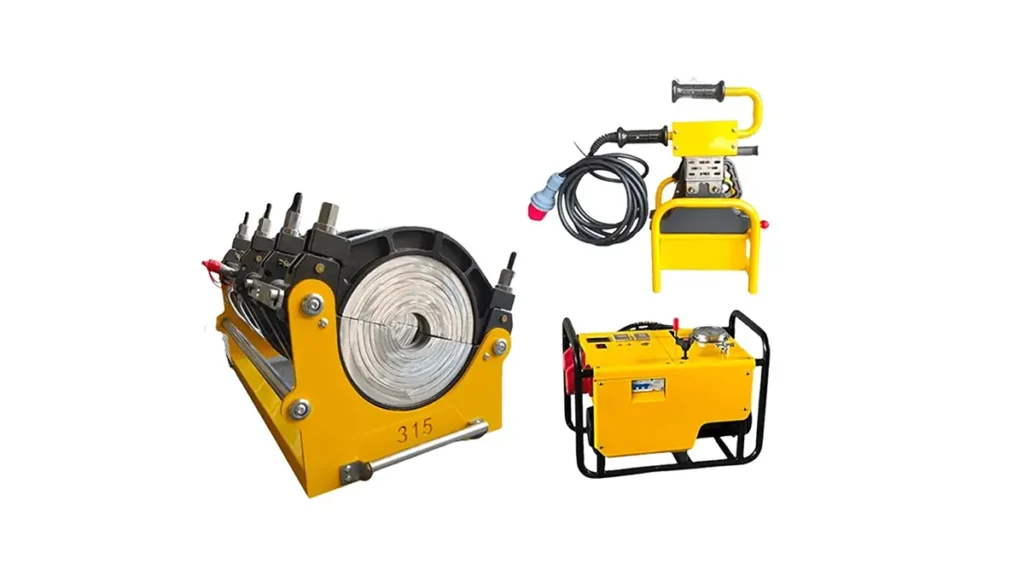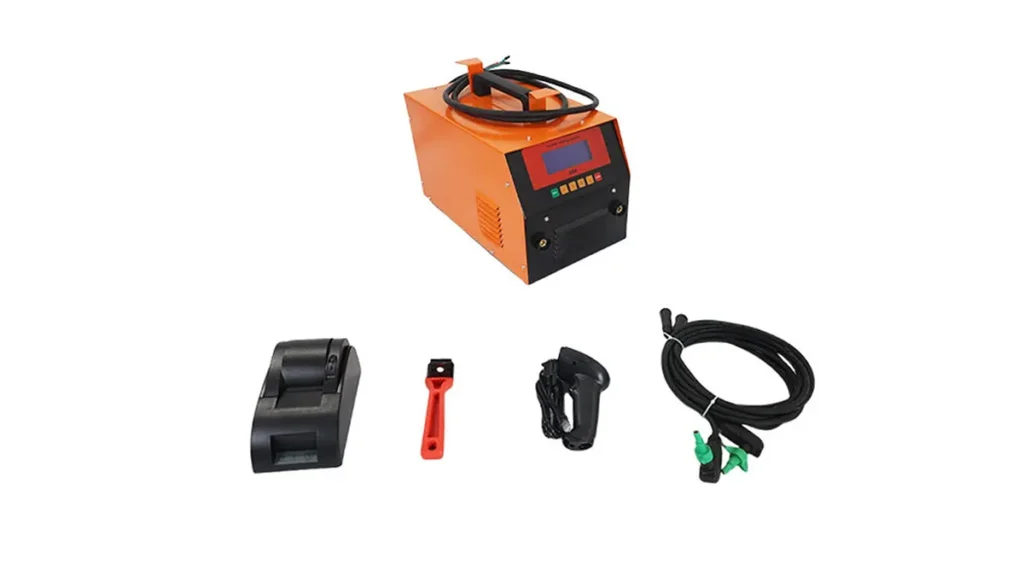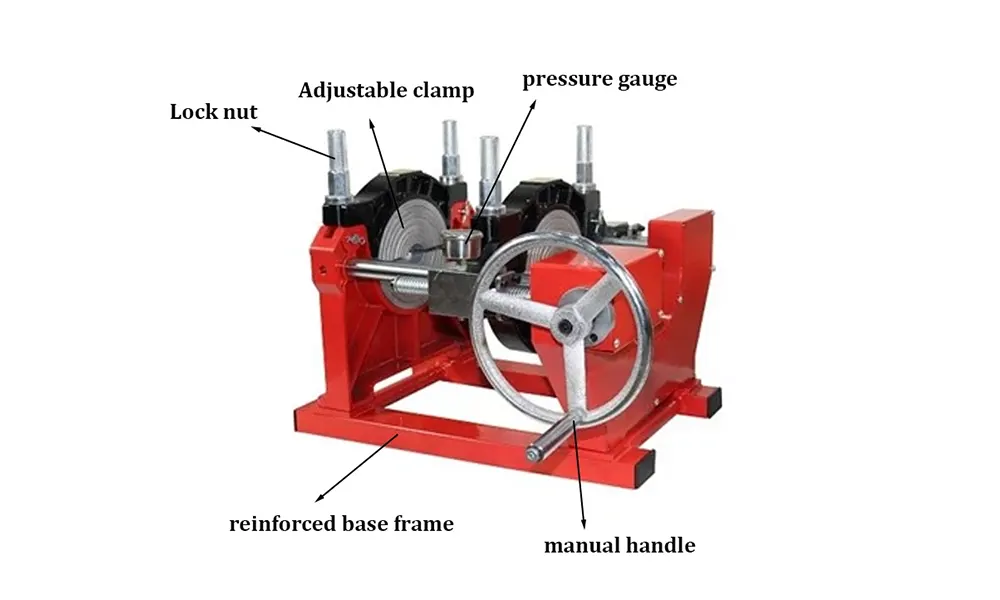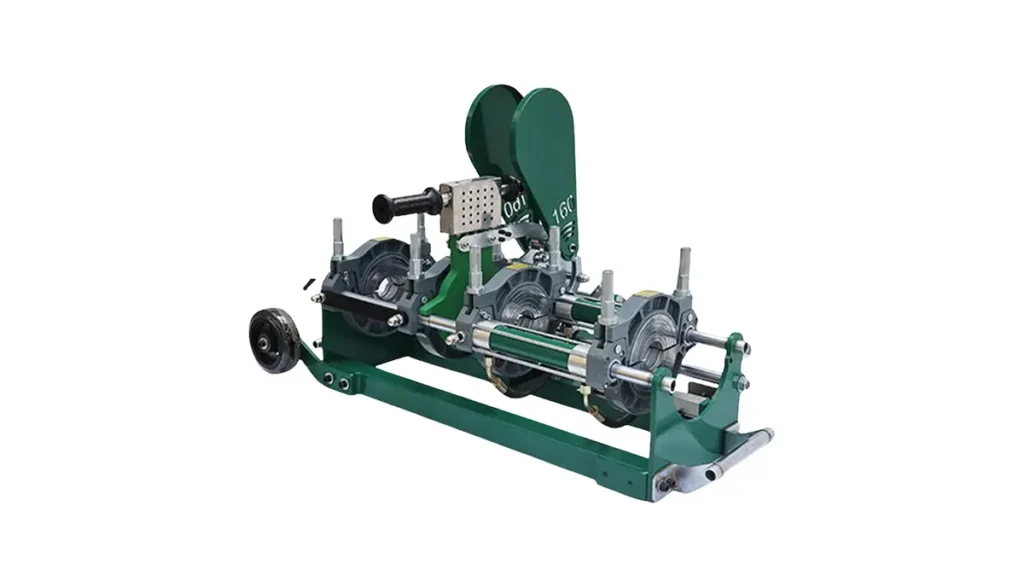
The HDPE welding machine heating system is the core component that determines joint integrity, fusion consistency, and long-term pipeline reliability. Without precise temperature control and uniform heat distribution across the pipe ends, even the most robust clamping frames cannot deliver a proper butt fusion weld. Understanding how these systems work—and how to evaluate them—helps contractors and project managers avoid costly failures in water, gas, and industrial piping networks.
How the Heating System Works in HDPE Butt Fusion
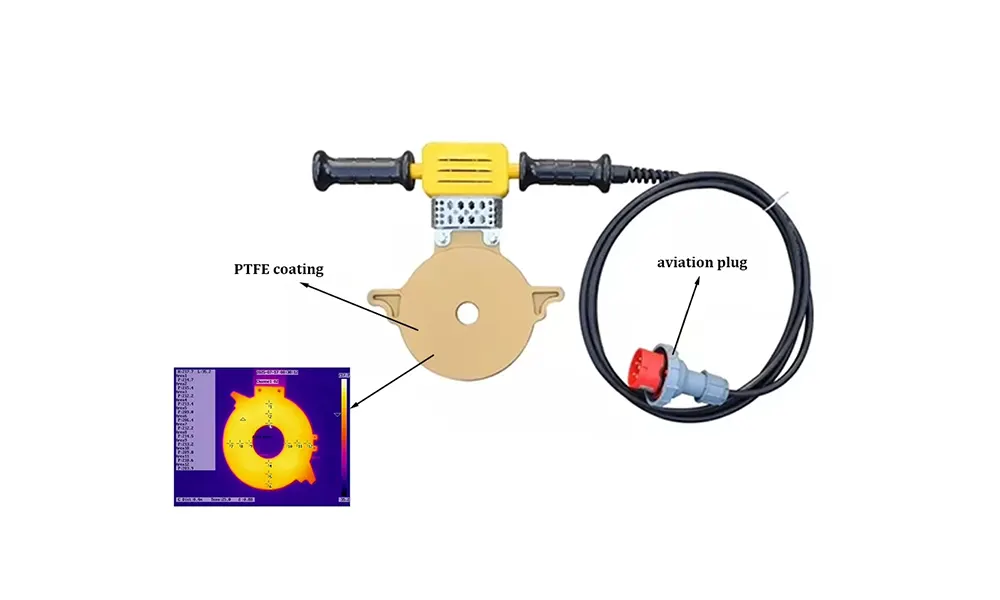
In butt fusion welding, the heating system brings the pipe ends to a controlled molten state before they are pressed together under specified pressure. The process follows strict parameters outlined in ISO 21307 butt fusion procedures, which define temperature ranges, soak times, and cooling cycles. The heating plate—typically coated with a non-stick PTFE surface—transfers thermal energy directly to the polyethylene material, and its temperature uniformity directly impacts the quality of the HDPE welding machine heating system performance.
Types of Heating Systems in HDPE Welding Machines
Different project scales and pipe diameters demand different heating configurations. Below is a comparison of the most common heating system types found in modern hydraulic butt fusion welding machines and manual units.
| Heating System Type | Temperature Control | Best For | Key Advantage |
|---|---|---|---|
| Manual Analog Heating Plate | Dial-based thermostat | Small-diameter pipes (≤315mm) | Cost-effective and simple to operate |
| Digital PID-Controlled Plate | Microprocessor-regulated with ±1°C accuracy | Medium to large pipes (200mm–800mm) | Consistent temperature across the entire plate surface |
| Multi-Zone Heating System | Independent zone controllers with real-time monitoring | Large-diameter pipes (≥800mm) | Eliminates cold spots on oversized plates |
| CNC Automatic Heating System | Fully automated with data logging | Critical infrastructure and traceable projects | Records every weld parameter for PE fusion traceability |
Key Features of a High-Performance Heating System
When evaluating an HDPE welding machine heating system, several design and functional characteristics separate reliable equipment from underperforming alternatives. The PE butt fusion equipment standard (ISO 12176-1) provides baseline requirements, but top-tier machines often exceed these minimums.
- Uniform Surface Temperature: The heating plate should maintain temperature variation within ±5°C across its entire working surface. Cold spots lead to inconsistent melting and weak joints.
- Non-Stick PTFE Coating: A high-quality anti-adhesion coating prevents molten polyethylene from sticking to the plate, ensuring clean separation and reducing contamination risks.
- Rapid Heat-Up Time: Efficient heating elements reduce on-site waiting periods, improving overall productivity—especially important for CNC automatic butt fusion machines used in high-output environments.
- Integrated Temperature Sensors: Built-in thermocouples or RTD sensors provide real-time feedback, allowing the control unit to make continuous micro-adjustments.
- Durable Heating Element Construction: Industrial-grade resistance wires embedded in cast aluminum or similar substrates ensure longevity under repeated thermal cycling.
- Safety Thermal Cut-Off: Over-temperature protection prevents plate damage and operator injury in case of control failure.
How to Choose the Right Heating System for Your Project
Selecting the appropriate HDPE welding machine heating system depends on several project-specific factors. Making the right choice upfront prevents rework, reduces material waste, and ensures compliance with ASTM F2620 heat fusion standards.
Pipe Diameter and Wall Thickness
Larger diameters require heating plates with higher wattage and multi-zone control to maintain temperature uniformity. For pipes above 630mm, a multi-zone heating system becomes essential. Smaller manual machines with analog control work well for diameters up to 315mm in less demanding applications.
Project Environment
Outdoor projects in windy or cold conditions place extra demands on the heating system. Digital PID controllers compensate for ambient temperature fluctuations better than analog thermostats, maintaining consistent plate temperature even in challenging field environments.
Joint Traceability Requirements
For gas distribution and critical water infrastructure, many operators now require full data logging of each weld. A CNC automatic heating system records temperature profiles, soak times, and fusion pressures—creating an auditable record that supports PE butt fusion process verification.
Production Volume
High-volume pipe installation benefits from rapid heat-up times and consistent cycling performance. Machines with robust heating elements and efficient insulation reduce downtime between welds.
Maintenance and Care for Extended Heating System Life
Proper maintenance of the HDPE welding machine heating system directly impacts its service life and weld quality. Following a consistent care routine helps avoid unplanned downtime and expensive plate replacements.
- Clean the PTFE Surface After Each Use: Remove any residual polyethylene with a non-abrasive cloth while the plate is still warm. Never use metal scrapers that can damage the coating.
- Inspect the Temperature Sensor Regularly: A faulty thermocouple can cause temperature drift, leading to under-heated or over-heated pipe ends. Calibrate sensors according to the manufacturer’s recommended schedule.
- Check Electrical Connections: Loose or corroded wiring increases resistance and creates hot spots. Tighten connections and inspect for signs of overheating during routine service intervals.
- Store the Heating Plate Properly: When not in use, keep the plate in a clean, dry environment. Use protective covers to prevent scratches on the PTFE surface.
- Replace Worn PTFE Coatings Promptly: A damaged non-stick surface causes sticking and contamination. Most manufacturers, including JQ-Fusion, offer replacement plate services to keep equipment operating at peak performance.
Common Heating System Issues and Troubleshooting
Even well-maintained equipment can develop problems over time. Recognizing early warning signs helps prevent weld failures before they occur.
| Symptom | Possible Cause | Recommended Action |
|---|---|---|
| Uneven melting on pipe ends | Hot or cold spots on the heating plate | Verify temperature uniformity with a surface thermometer; replace heating element if needed |
| PE material sticking to plate | Worn or damaged PTFE coating | Re-coat or replace the heating plate |
| Slow heat-up time | Failing heating element or poor electrical supply | Check input voltage and element resistance |
| Temperature display fluctuates wildly | Faulty temperature sensor or loose connection | Inspect sensor wiring and replace if damaged |
Why Heating System Quality Matters for Long-Term Pipeline Performance
The HDPE welding machine heating system is not just a component—it is the foundation of every successful butt fusion joint. Inconsistent heating leads to incomplete molecular bonding, creating weak points that may fail under pressure or environmental stress. For projects governed by PPI technical guidance and international standards, investing in a precision-engineered heating system is not optional—it is essential. Whether you operate a compact manual machine for rural water lines or a large HDPE pipe welding equipment setup for municipal gas distribution, the heating plate’s performance defines your weld quality and your project’s success.
Final Considerations When Purchasing an HDPE Welding Machine
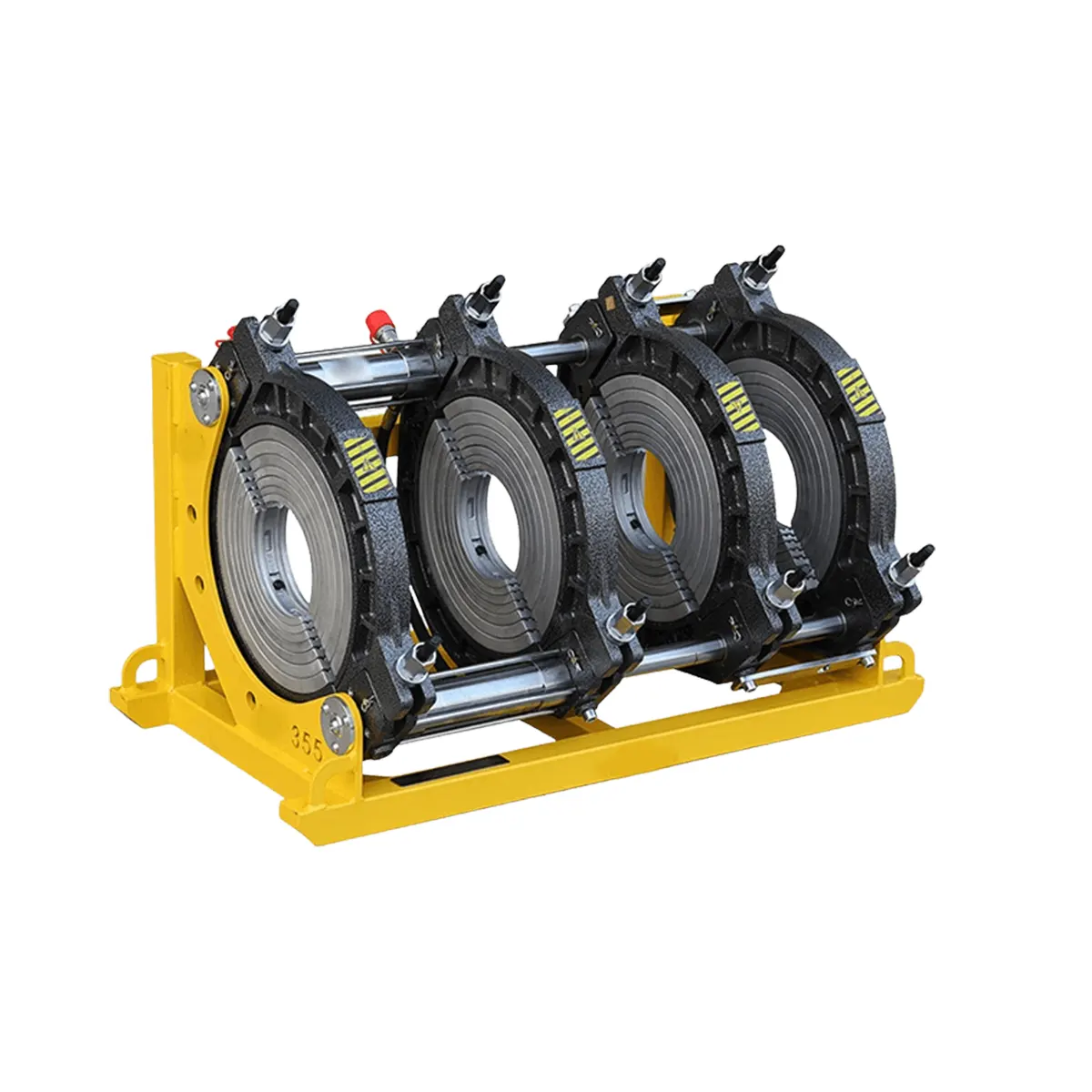
Beyond the heating system, evaluate the complete machine package: clamp alignment precision, frame rigidity, hydraulic unit reliability, and after-sales support. A machine with an outstanding heating plate but poor clamping will still produce substandard welds. Look for manufacturers that provide comprehensive documentation, operator training resources, and accessible spare parts. The combination of a well-designed HDPE welding machine heating system with robust mechanical components ensures consistent results across thousands of fusion cycles, protecting your investment and your reputation in the field.