Understanding the HDPE pipe fusion cycle time is fundamental to achieving strong, leak-free joints in polyethylene piping systems. Whether you are working on water supply, gas distribution, or industrial pipelines, the quality of a butt fusion joint depends heavily on three critical phases: heating, changeover, and cooling. Each phase has specific time requirements that vary based on pipe diameter, wall thickness, and ambient conditions. Getting these times right ensures the joint meets industry standards such as ISO 21307 butt fusion procedures and ASTM F2620 heat fusion specifications.
Proper HDPE pipe fusion cycle time management prevents common defects like cold joints, excessive bead formation, and incomplete fusion. Many contractors and installers rely on butt fusion welding machines that are calibrated to deliver consistent heating and alignment throughout the entire welding cycle.
Understanding the HDPE Butt Fusion Cycle
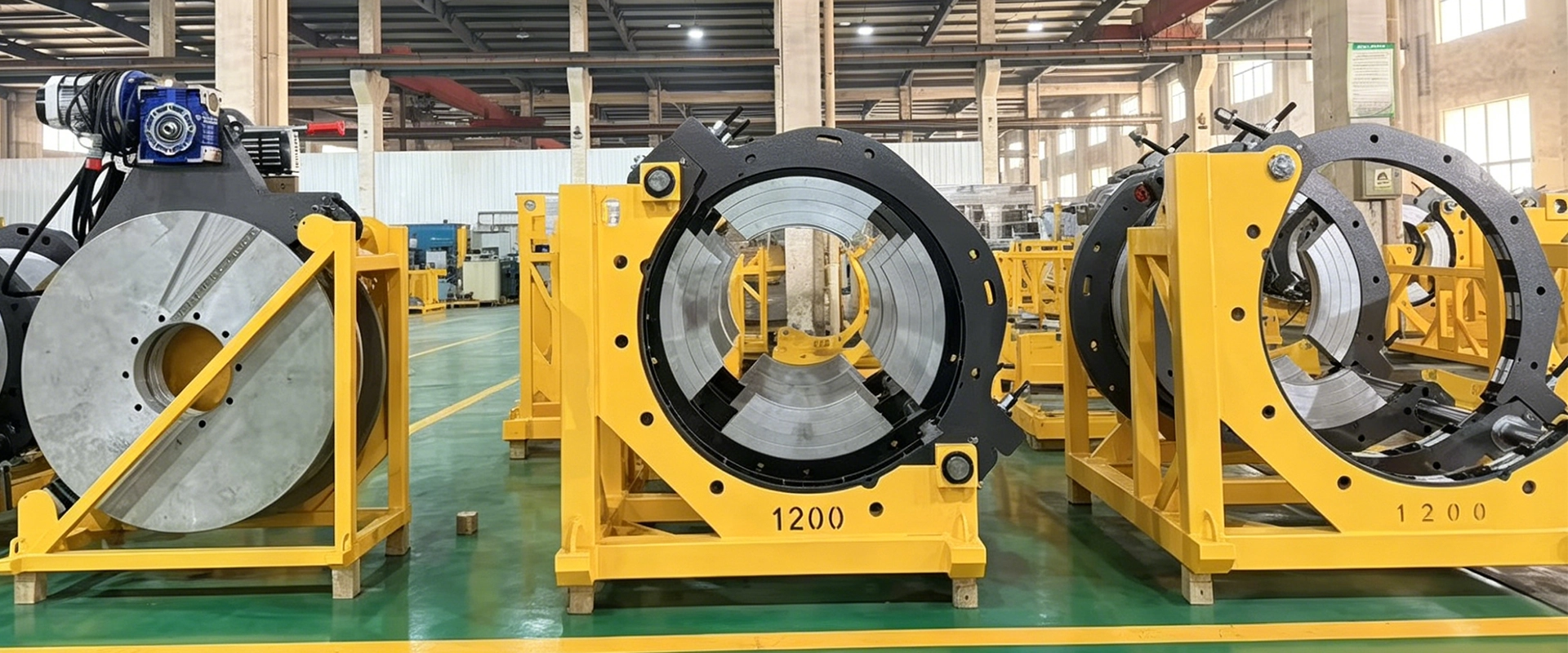
The butt fusion welding process for HDPE pipes follows a precise sequence. Each stage in the cycle has a defined time window that must be respected to produce a joint with mechanical properties equal to or exceeding the parent pipe material. The complete HDPE pipe fusion cycle time includes:
- Heating Phase – The pipe ends are pressed against a heated plate to form a melt bead
- Changeover (Dwell) Phase – The heating plate is removed and pipe ends are brought together
- Fusion (Joining) Phase – Pressure is applied to form the joint
- Cooling Phase – The joint solidifies under maintained pressure
Heating Phase: The Foundation of a Strong Joint
The heating phase is where the pipe ends absorb thermal energy and develop a molten layer. During this stage, the pipe ends are pressed against a precisely temperature-controlled heating plate. The heating time depends primarily on the pipe wall thickness and diameter. For standard PE100 pipes, the heating duration typically follows a guideline of approximately 10 to 15 seconds per millimeter of wall thickness after the initial bead-up period.
Key variables that influence heating time include:
- Wall thickness of the HDPE pipe
- Heating plate temperature (typically 210°C to 230°C / 410°F to 446°F)
- Ambient temperature and wind conditions on site
- Pipe material grade such as PE80, PE100, or PE4710
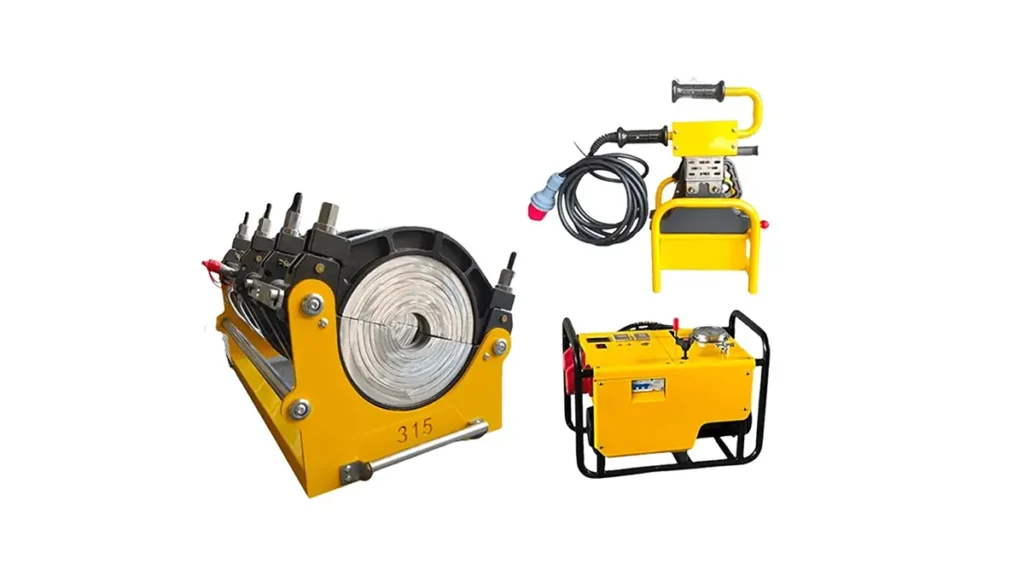
Using hydraulic butt fusion welding machines with digital temperature control helps maintain consistent heating plate surface temperature, which is critical for repeatable cycle times and joint quality.
Changeover (Dwell) Phase: Minimizing Heat Loss
The changeover phase begins the moment the heating plate is removed and ends when the molten pipe ends make contact. This phase must be executed as quickly as possible to minimize heat loss from the melt surface. Maximum changeover time is specified by welding standards and varies by pipe size. For smaller diameter pipes (up to 315mm), the changeover time should typically be under 6 seconds, while larger diameters may allow up to 20 seconds. Exceeding the maximum changeover time can result in a cold joint with reduced strength.
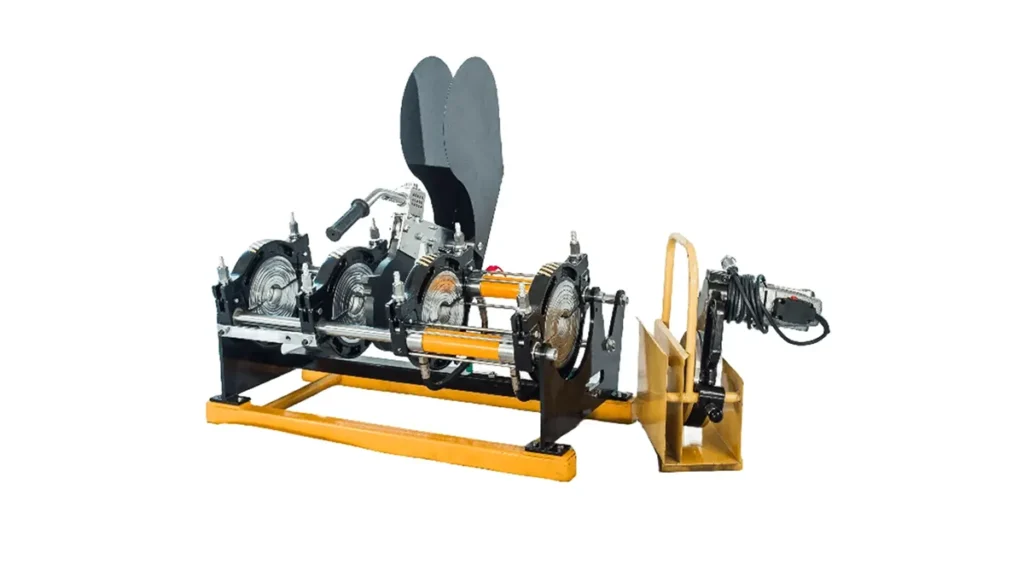
Modern CNC automatic butt fusion machines significantly reduce changeover time through automated plate removal and rapid carriage movement, ensuring consistent dwell times that manual operations may struggle to achieve.
Cooling Phase: The Longest and Most Critical Stage
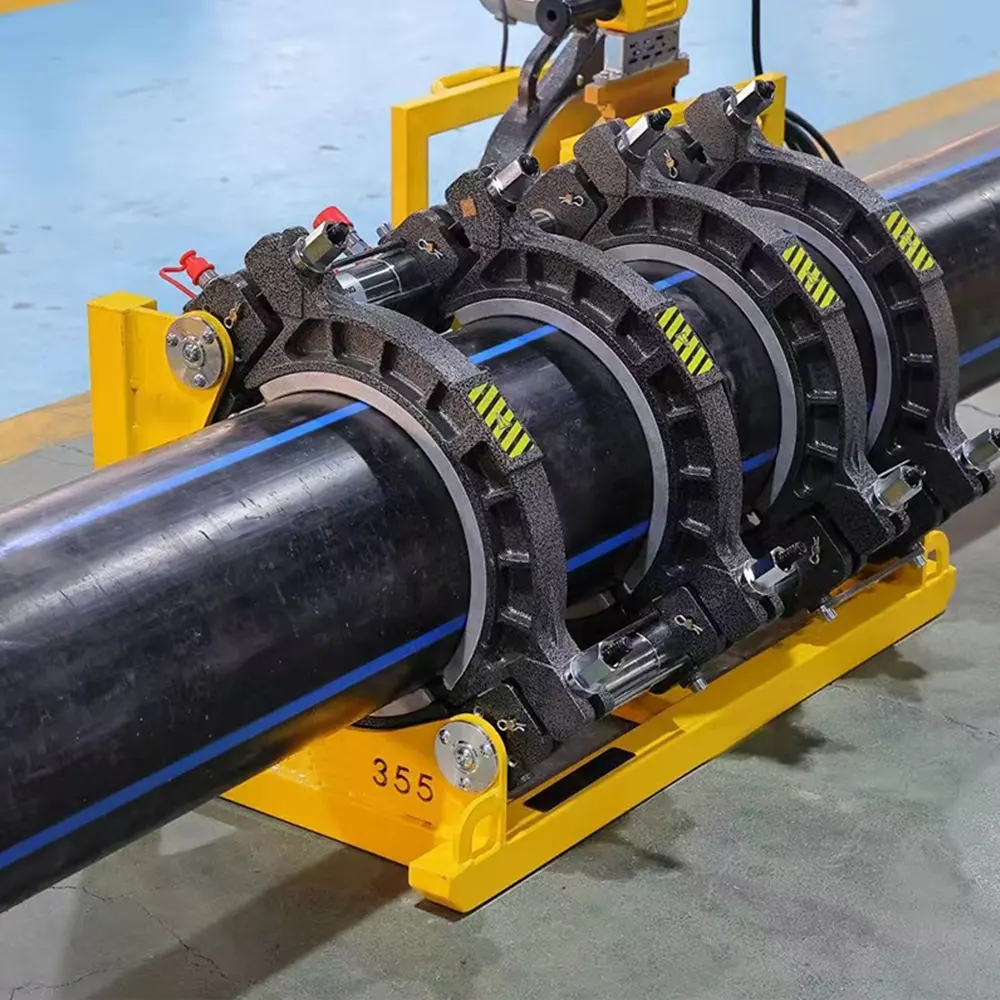
Cooling time represents the largest portion of the overall HDPE pipe fusion cycle time. During this phase, the joint must remain under pressure while the molten material solidifies and develops full mechanical strength. Insufficient cooling time is one of the most common causes of fusion joint failure. The pipe must not be removed from the clamps or subjected to external stress until the cooling period is complete.
Typical cooling times range from 1 to 2 minutes per millimeter of wall thickness, depending on ambient conditions. In cold weather, cooling may occur faster on the surface while the core remains hot, so standard cooling times should still be observed to ensure complete solidification.
Typical HDPE Pipe Fusion Cycle Times by Pipe Size
The following table provides estimated cycle times for common HDPE pipe sizes. These values are based on standard wall thickness (SDR 11) and assume an ambient temperature of approximately 20°C (68°F). Always refer to the pipe manufacturer’s specific recommendations and applicable welding standards for your project.
| Pipe Diameter (mm) | Wall Thickness SDR 11 (mm) | Heating Time (sec) | Max Changeover (sec) | Cooling Time (min) | Total Cycle (min) |
|---|---|---|---|---|---|
| 63 | 5.8 | 45-60 | 5 | 6-8 | 8-10 |
| 110 | 10.0 | 70-90 | 6 | 10-14 | 12-16 |
| 160 | 14.6 | 90-120 | 8 | 16-22 | 18-25 |
| 250 | 22.7 | 140-180 | 10 | 28-36 | 31-40 |
| 315 | 28.6 | 170-220 | 12 | 36-48 | 40-53 |
| 450 | 40.9 | 240-310 | 15 | 55-75 | 60-82 |
| 630 | 57.3 | 330-430 | 20 | 80-110 | 87-118 |
Note: Total cycle times are approximate and may vary based on equipment type, ambient conditions, and specific project requirements. Always consult the pipe manufacturer’s welding parameters and relevant standards.
Factors That Affect Fusion Cycle Time
Several environmental and operational factors can influence the actual HDPE pipe fusion cycle time on a job site:
- Ambient Temperature: Cold weather may require longer heating times to achieve proper melt temperature at the pipe surface
- Wind Conditions: Wind can cool the heating plate and pipe ends, extending heating time or causing uneven heating
- Pipe Material Grade: Different polyethylene grades (PE80, PE100, PE4710) have slightly different melt flow characteristics
- Equipment Calibration: Well-maintained butt fusion welding machines with accurate temperature control deliver more consistent cycle times
- Operator Skill: Experienced operators execute changeover more efficiently, reducing the risk of exceeding maximum dwell time
Cold Weather Welding Considerations
When ambient temperatures drop below 5°C (41°F), adjustments to the HDPE pipe fusion cycle time become necessary. The heating phase may need to be extended by 15-25%, and temporary shelters should be used to protect the welding area from wind and precipitation. The pipe ends should also be cleaned and dried thoroughly before welding, as moisture can create steam pockets that compromise joint integrity.
Large Diameter Pipe Considerations
For pipes exceeding 800mm in diameter, the HDPE pipe fusion cycle time can extend to several hours, primarily due to the extended cooling phase. Hydraulic butt fusion welding machines with automated pressure control systems are essential for maintaining consistent interfacial pressure during the long cooling period, especially for large-scale infrastructure projects.
Industry Standards Governing Fusion Cycle Times
Several international standards provide detailed procedures for determining proper HDPE pipe fusion cycle time parameters. The ISO 21307 standard defines three butt fusion procedures (single low-pressure, dual low-pressure, and single high-pressure) each with specific time requirements. In North America, ASTM F2620 provides the standard practice for heat fusion joining of PE pipe and fittings. Additionally, the PPI TN-51 technical note offers comprehensive guidance on PE butt fusion structure and terminology.
Best Practices for Optimizing Fusion Cycle Times
- Pre-heat the heating plate thoroughly before starting work and verify temperature with a calibrated pyrometer
- Clean pipe ends with approved solvents and ensure they are completely dry before clamping
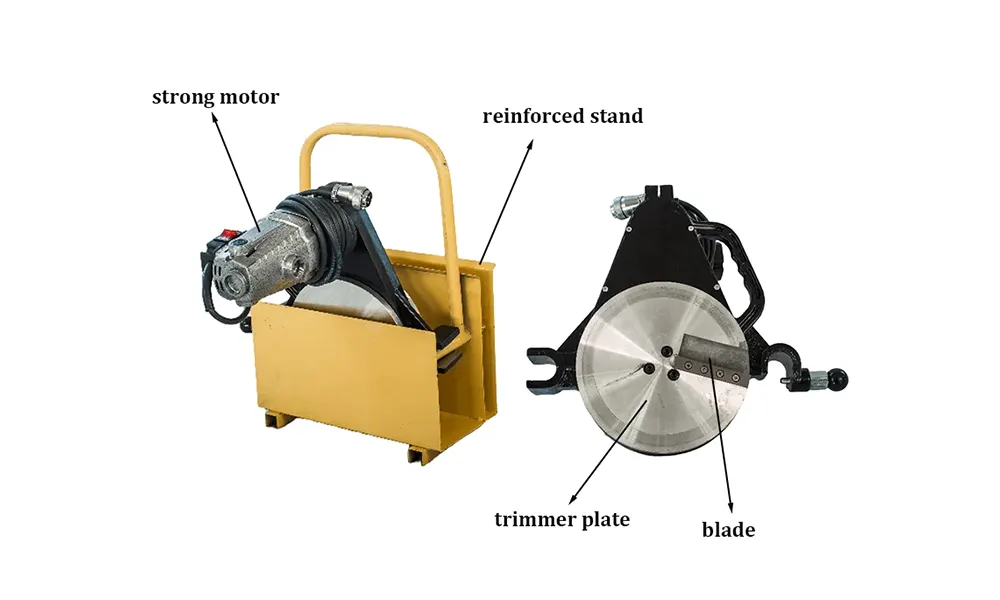
- Face the pipe ends until continuous shavings are produced from both sides, ensuring clean parallel surfaces
- Record cycle parameters for each joint including heating time, changeover time, and cooling duration
- Train operators on proper procedures and the importance of adhering to specified times
- Use properly maintained equipment from reputable manufacturers to ensure consistent performance
Choosing the Right Equipment for Reliable Fusion Cycles
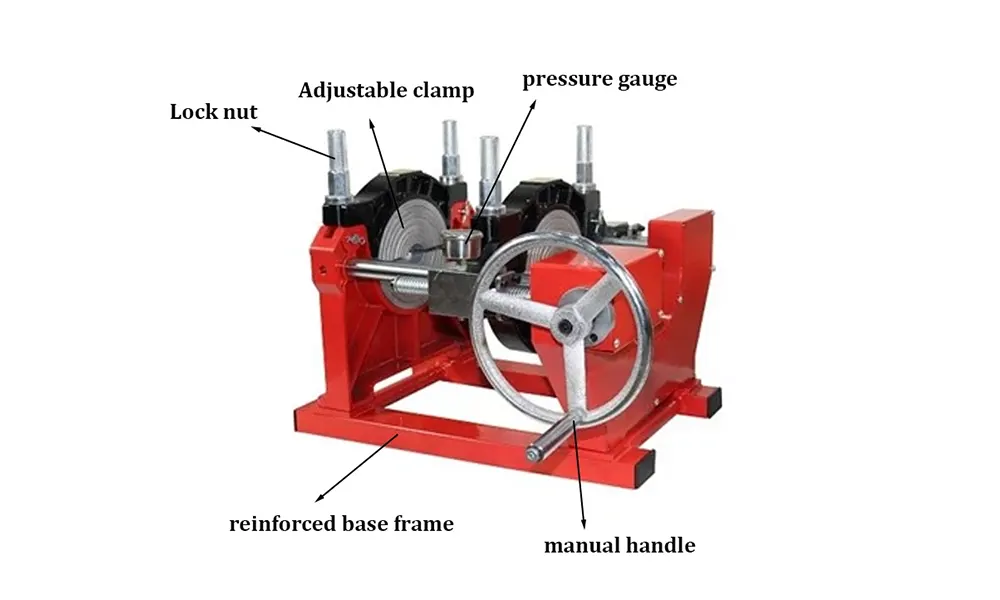
The quality and capability of your welding equipment directly impact your ability to maintain proper HDPE pipe fusion cycle times. JQ-Fusion is a professional manufacturer specializing in HDPE pipe welding machines, providing reliable butt fusion solutions for global infrastructure projects. Their range includes manual, hydraulic, and CNC automatic butt fusion welding machines designed to cover pipe sizes from small to large diameters, with precise temperature control and alignment features that help operators achieve consistent, standard-compliant fusion joints in every project.
Common Questions About HDPE Fusion Cycle Times
What happens if cooling time is shortened?
Reducing the cooling time below the recommended duration can result in a joint that appears properly formed externally but has insufficient internal strength. When pressure is removed too early, residual heat in the core can cause the joint to deform or develop micro-cracks, leading to potential failure under operating pressure.
Can heating time be extended safely?
Moderate extension of heating time is generally safer than insufficient heating. However, excessive heating can lead to material degradation, oversized beads, and potential flow issues inside the pipe. Always stay within the range specified by the pipe manufacturer and applicable PE pipe fusion standards.
How does electrofusion compare in cycle time?
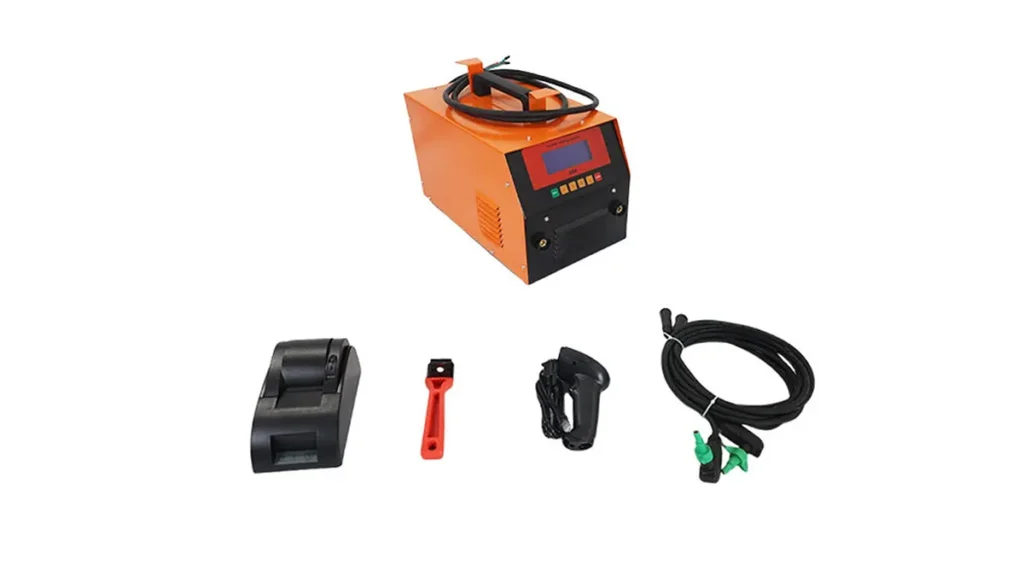
Electrofusion typically has shorter overall cycle times for small diameter pipes and fittings compared to butt fusion. However, for larger diameters, butt fusion remains the preferred method. Electrofusion welding uses embedded heating coils and automated control units that manage the fusion cycle based on the fitting’s specific parameters.
Summary: Mastering HDPE Pipe Fusion Cycle Time
Achieving reliable, long-lasting HDPE pipe joints requires strict adherence to proper fusion cycle times across all phases—heating, changeover, and cooling. Each phase plays a critical role in developing a homogeneous joint with full material strength. By understanding the factors that influence these times and investing in quality equipment, contractors can ensure their pipeline installations meet or exceed industry standards. Whether working on municipal water systems, gas distribution networks, or industrial applications, mastering the HDPE pipe fusion cycle time is essential for project success and long-term pipeline integrity.