High-density polyethylene (HDPE) pipes have become the backbone of modern water supply networks. Creating leak-proof, durable connections in these systems requires specialized equipment. A high-quality HDPE pipe jointing machine for water supply is not just a tool; it’s an investment in the longevity and safety of the entire infrastructure. Whether you’re managing municipal pipelines, rural irrigation, or industrial cooling systems, understanding the types, benefits, and key selection criteria of this equipment is critical for project success.
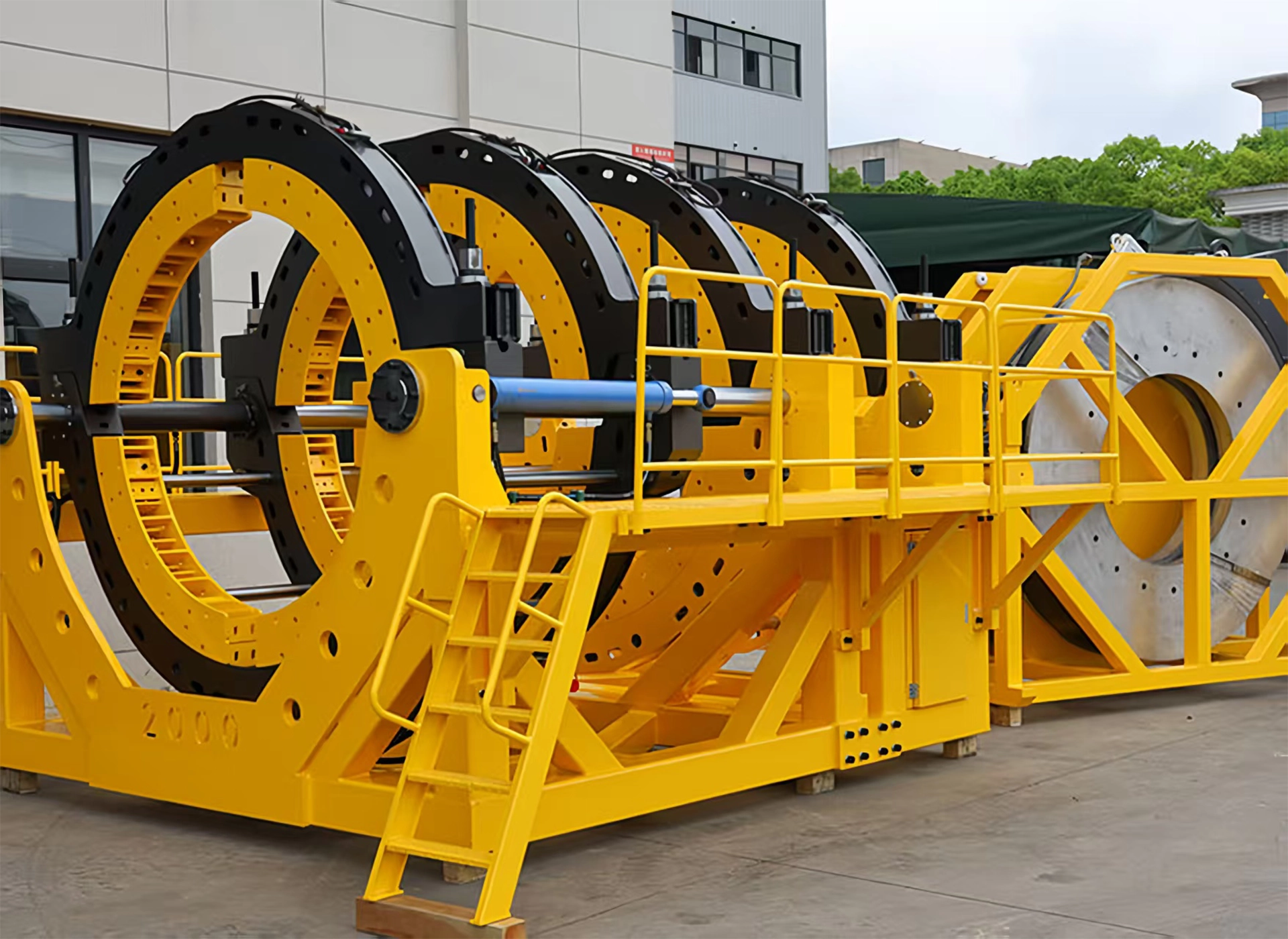
Types of HDPE Pipe Jointing Machines for Water Supply
Selecting the right machine depends heavily on pipe diameter, wall thickness, and project environment. For water supply installations, three primary categories dominate the market, each adhering to strict standards like ISO 21307 butt fusion procedures.
Manual Butt Fusion Machines
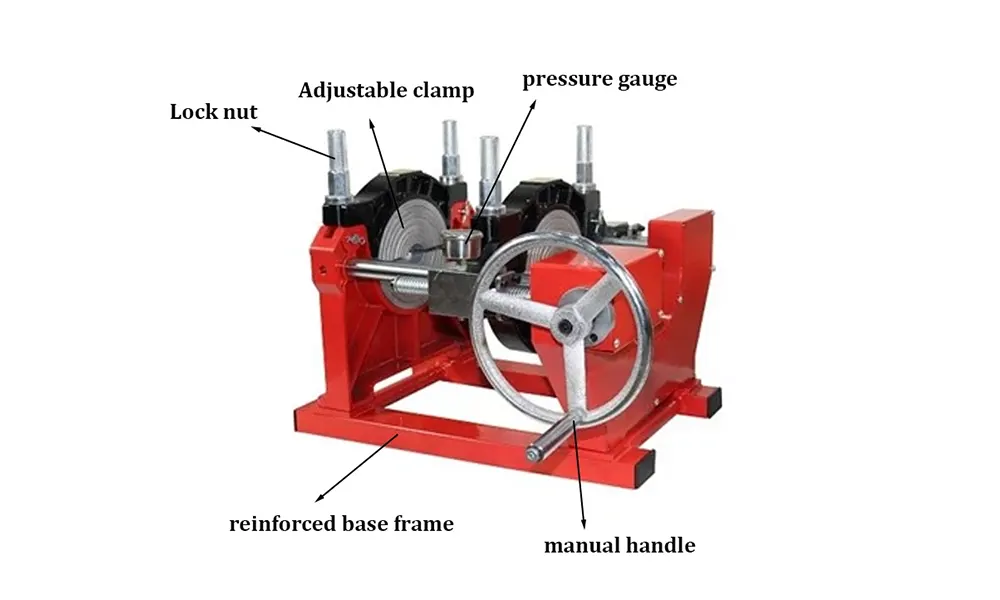
Designed for smaller pipe diameters typically ranging from 63mm to 315mm, manual machines require the operator to apply force by hand. They are cost-effective and portable, making them ideal for tight urban spaces and last-mile water connections. While they demand skilled operators to maintain consistent pressure, their simplicity ensures low maintenance and high reliability in remote locations.
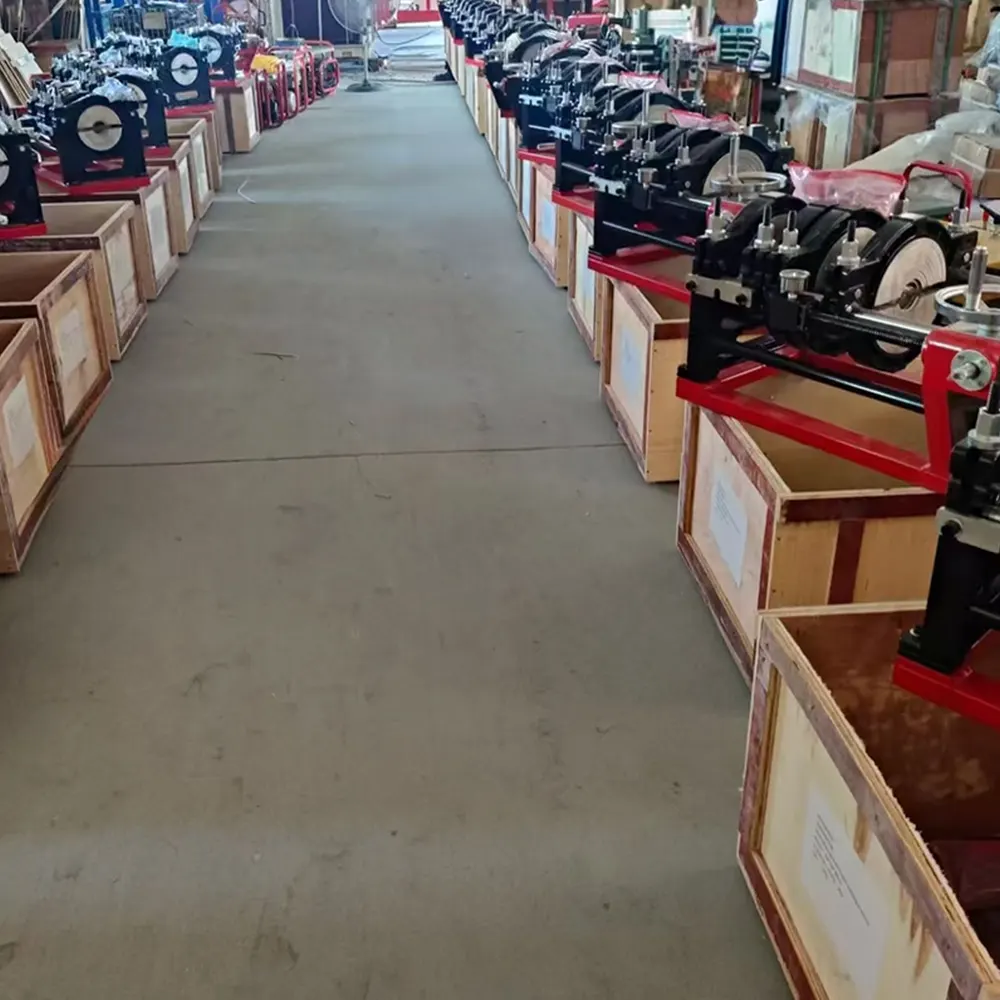
Hydraulic Butt Fusion Machines
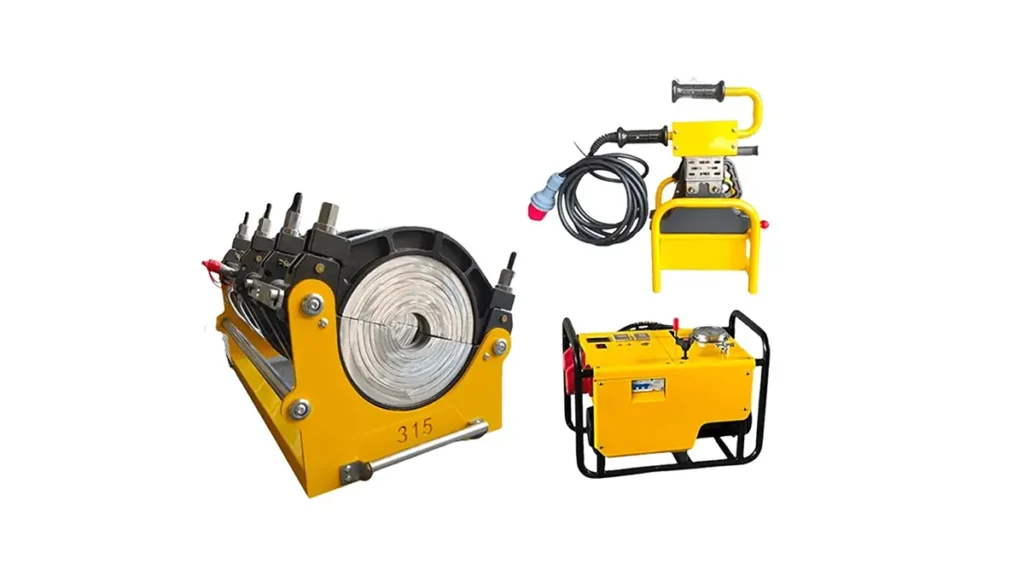
When jointing medium to large diameter pipes for water mains, hydraulic pressure replaces human effort. These HDPE pipe jointing machines feature robust frames and hydraulic power units that deliver precise, uniform pressure during the crucial fusion stages. They are essential for high-volume water supply lines, significantly reducing operator fatigue and ensuring compliance with PE butt fusion equipment standards.
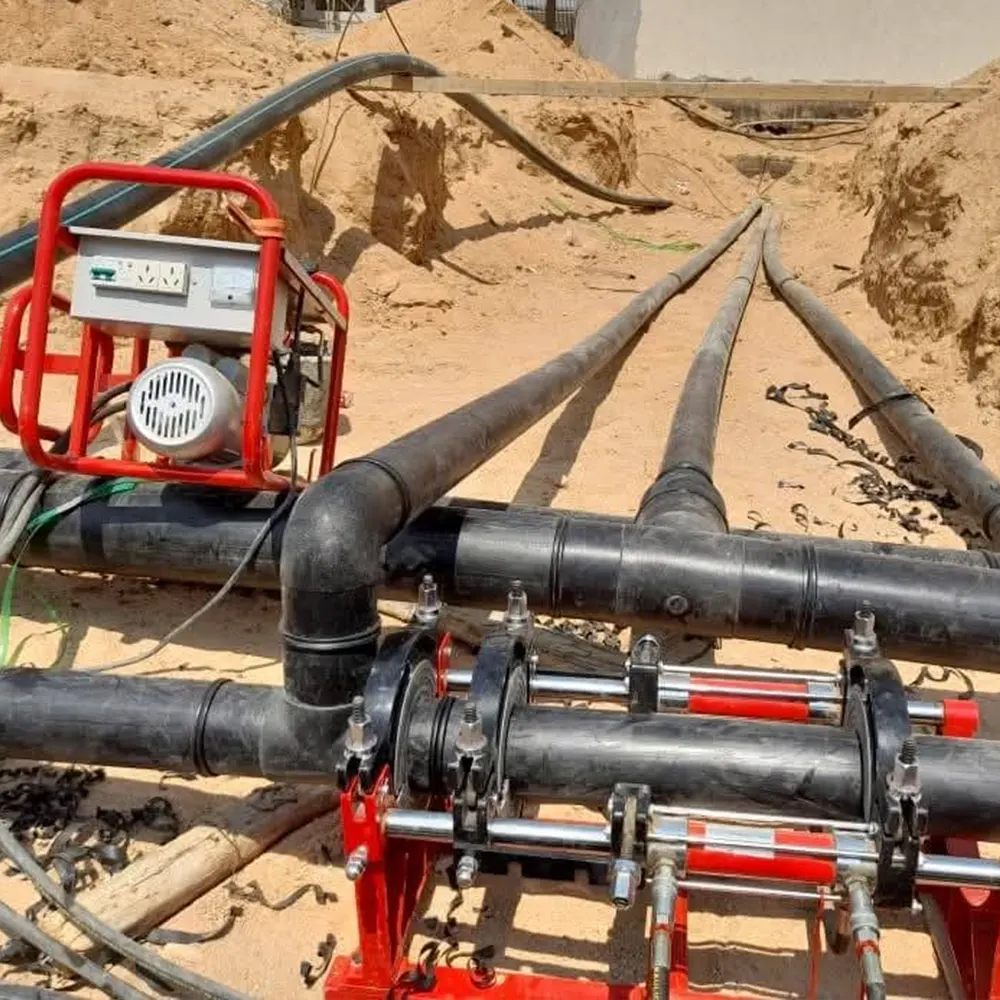
CNC Automatic Butt Fusion Machines
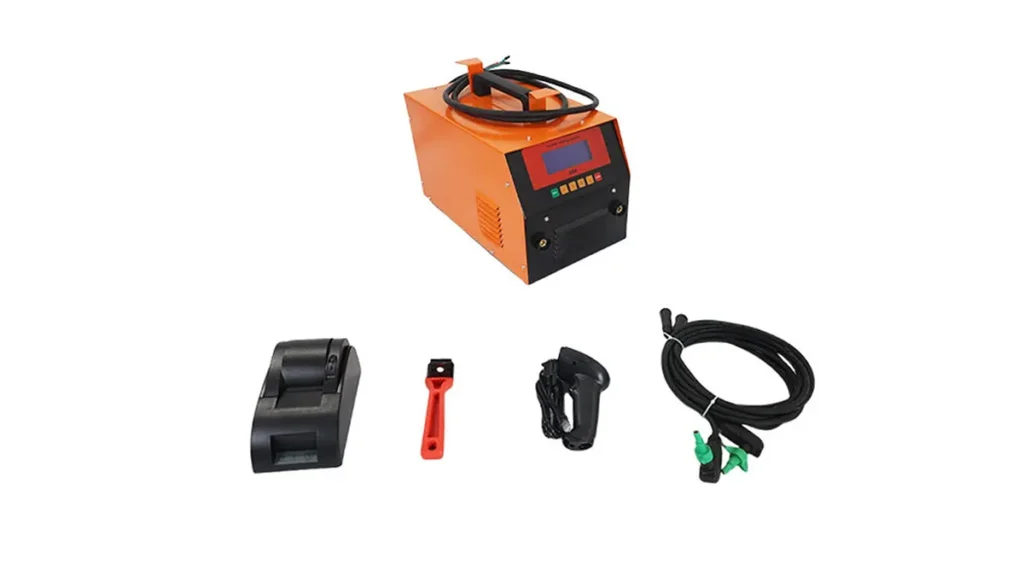
For critical water supply projects where total traceability is non-negotiable, CNC automatic machines represent the industry’s gold standard. These advanced HDPE pipe jointing machines for water supply log every heating parameter and fusion cycle automatically. By removing human error from the equation, they guarantee repeatable, high-integrity joints that perfectly match the requirements of ISO 4427 PE water pipes.
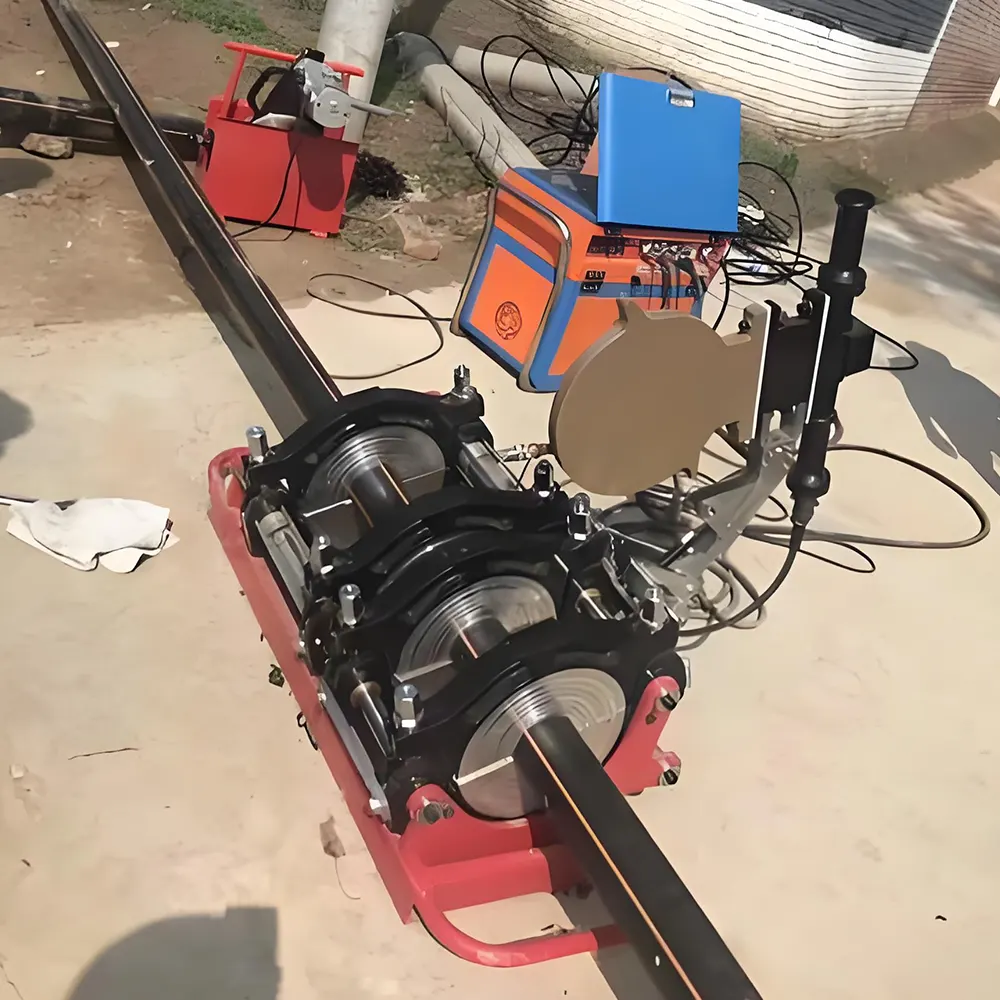
Key Benefits of Using Specialized Jointing Equipment
Beyond simply connecting pipes, a HDPE pipe jointing machine for water supply delivers a monolithic system where the joint becomes stronger than the pipe itself. Here are the critical advantages:
- Zero Leakage: Butt fusion creates a homogeneous weld, eliminating the risk of water loss common with mechanical couplings. This aligns with ASTM F2620 heat fusion best practices.
- Long Service Life: Welded connections are immune to pull-out and root intrusion, matching the 100-year design life of modern PE pipes.
- Hydraulic Efficiency: Smooth internal weld beads reduce friction losses, cutting down pumping costs in water supply systems.
- Chemical Resistance: The welded joint retains all the chemical resistance properties of HDPE, crucial for transporting potable water without contamination.
Buying Guide: Choosing the Right Machine for Your Project
Navigating the purchase of an HDPE pipe jointing machine involves balancing performance requirements with budget. To ensure you select equipment that meets your project’s exact demands, evaluate these parameters carefully. The table below provides a quick reference to guide your decision-making process.
| Criterion | Manual Machine | Hydraulic Machine | CNC Automatic Machine |
|---|---|---|---|
| Pipe Range | 63mm – 315mm | 200mm – 2000mm+ | 160mm – 800mm |
| Application | Service lines, rural water | Water mains, treatment plants | Critical infrastructure, nuclear water |
| Data Logging | Manual records | Optional logger | Automatic, ISO compliant |
| Operator Skill | High | Moderate | Low (Automated) |
Essential Factors to Evaluate
- Pipe Specifications: Confirm the outer diameter (OD) and standard dimension ratio (SDR) of your water supply pipes. The PE pipe fittings standard often dictates the necessary clamping force.
- Site Conditions: For mountainous or swampy terrain, look for lightweight, low-maintenance manual or compact hydraulic options. Rugged frames and onboard generators are vital for off-grid water supply projects.
- Fusion Data Management: Municipal tenders increasingly demand proof of correct jointing. Investing in a machine with integrated data logging, as detailed in PE fusion traceability guides, provides critical quality assurance.
- Supply Chain Reliability: Choose a supplier with a large inventory and proven global logistics. JQ-Fusion maintains extensive stock levels, ensuring rapid delivery and minimal downtime for contractors working on time-sensitive water infrastructure projects.
Industry Standards and Quality Assurance
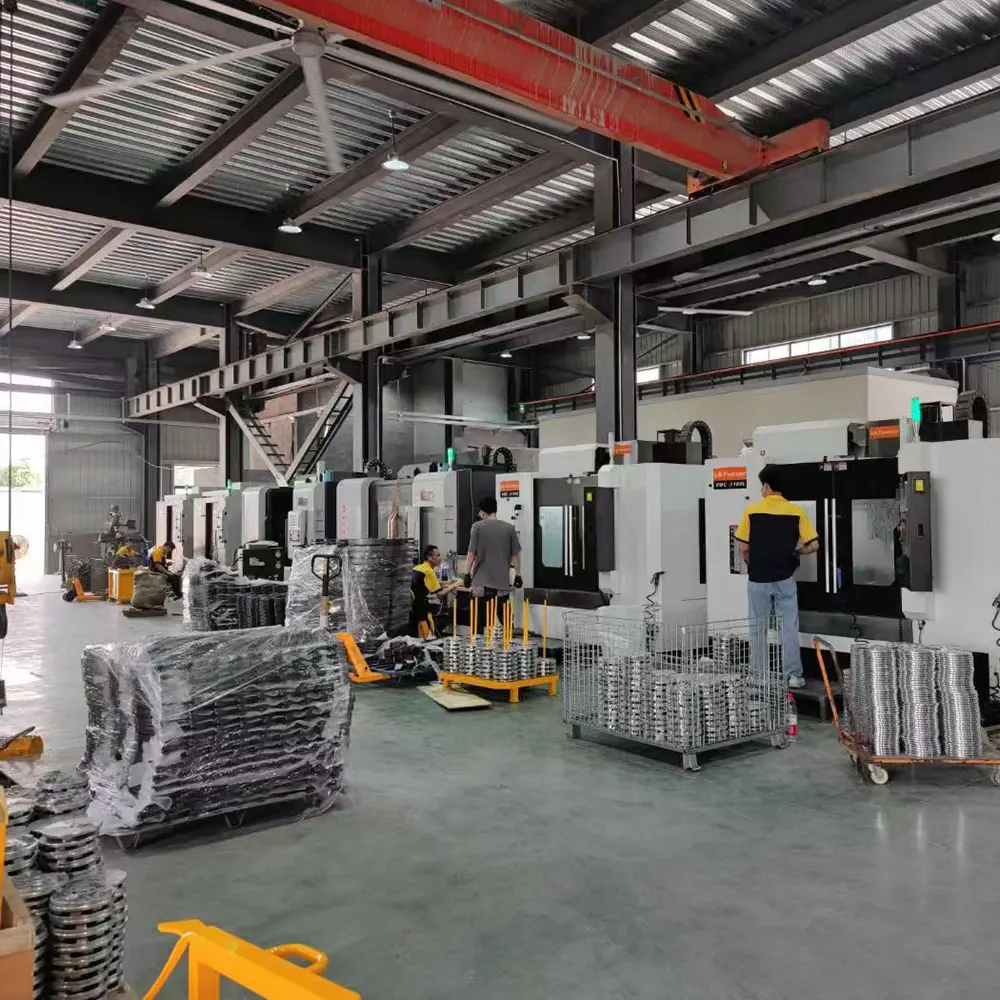
In water supply construction, inferior joints can lead to catastrophic failures. Reputable HDPE pipe jointing machines must adhere to international benchmarks. Look for equipment that complies with ISO 21307 for jointing procedures. The heating plate must distribute heat evenly without hot spots, a common failure point in cheaper models. JQ-Fusion’s rigorous testing includes temperature accuracy verification across the entire plate surface and clamp alignment checks, ensuring every weld meets strict global standards.
Related Product Recommendations
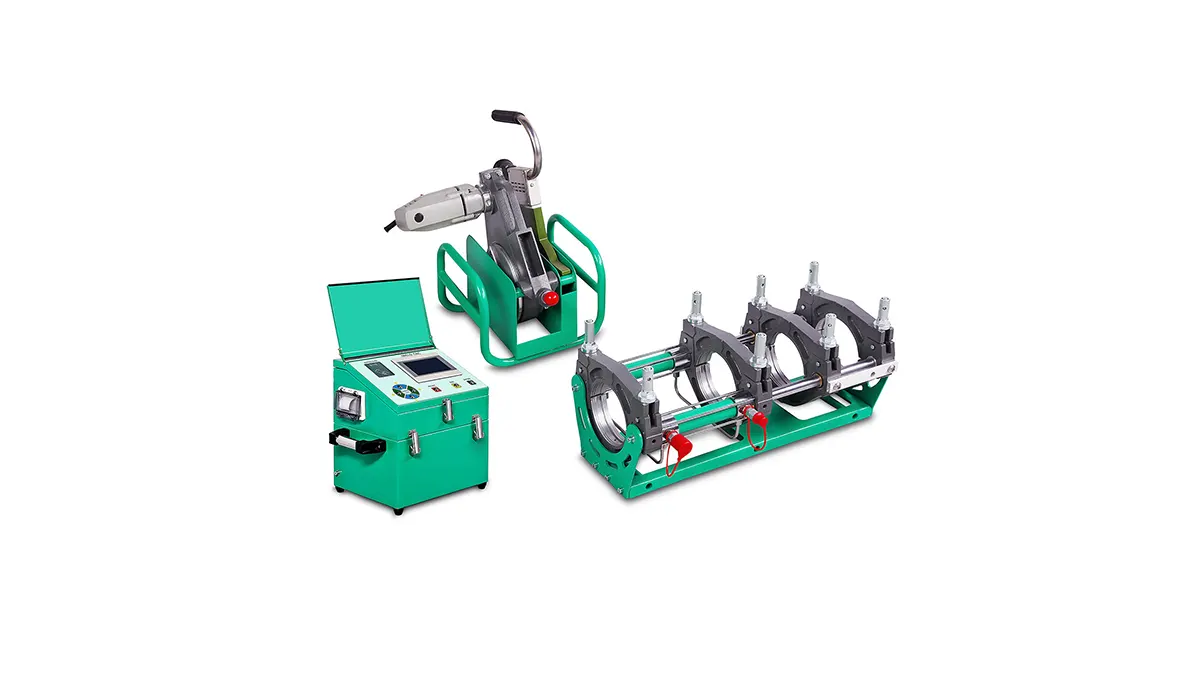
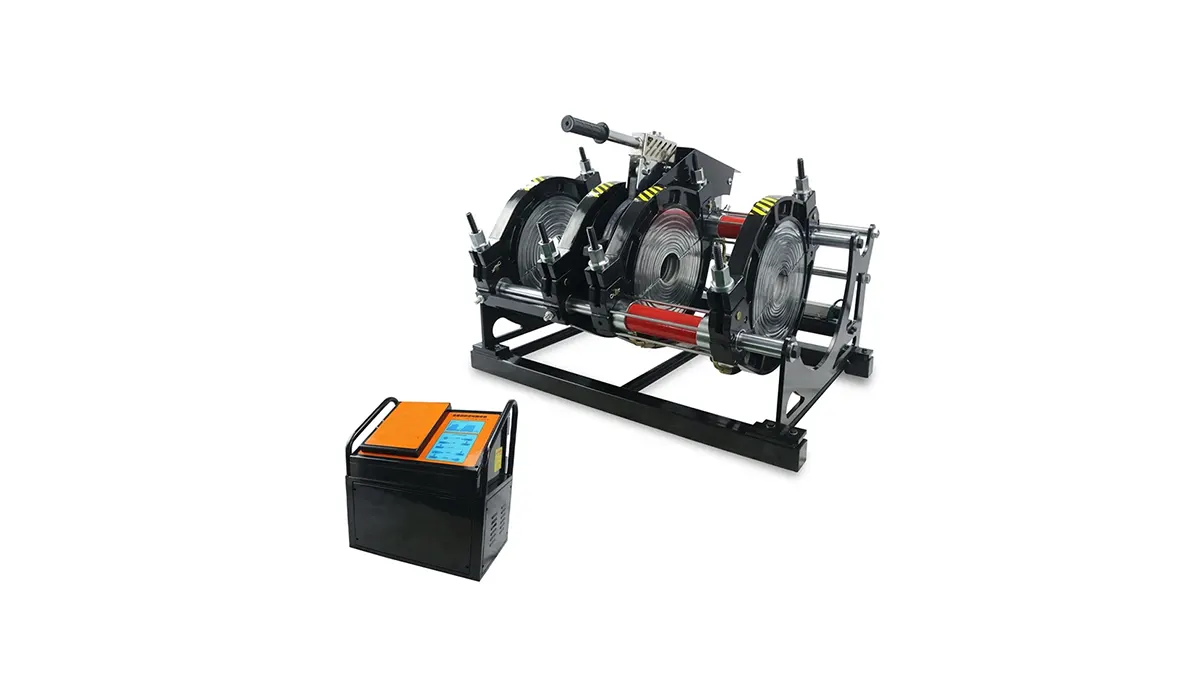
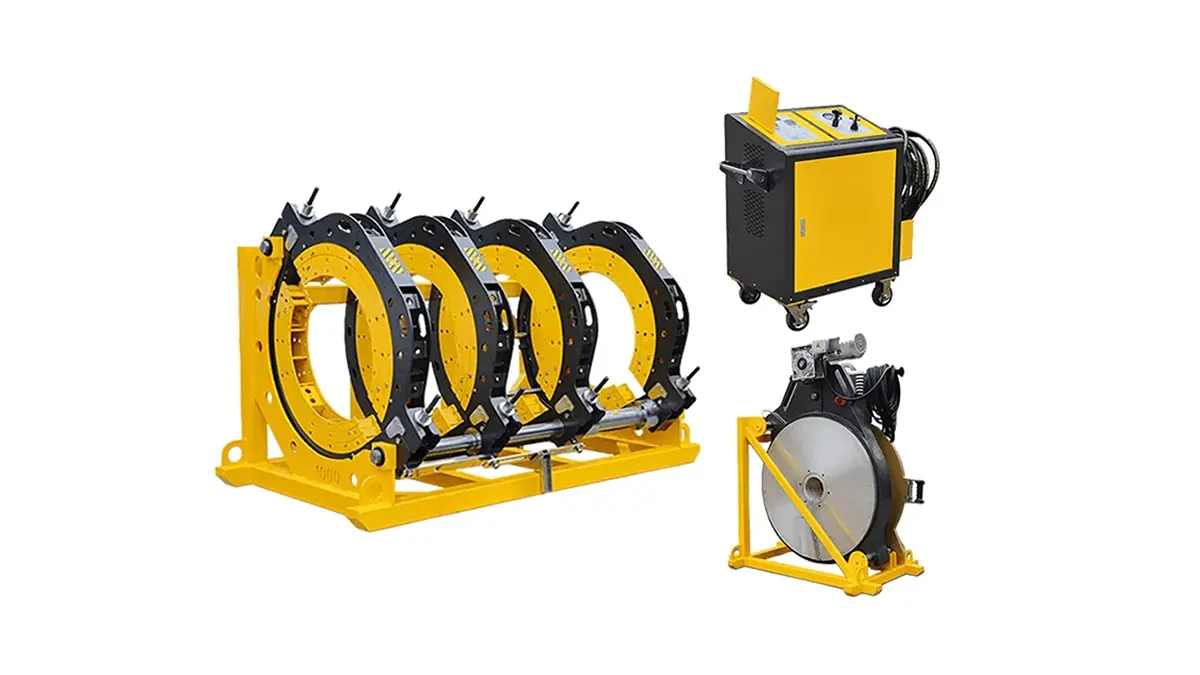
Explore these proven solutions for your next water supply installation. These machines represent the pinnacle of reliability and performance in the industry.
Frequently Asked Questions
What size machine do I need for municipal water mains?
For municipal water mains ranging from 500mm to 1200mm, a hydraulic HDPE pipe jointing machine for water supply is essential. Look for a model that offers four clamps for perfect pipe roundness and a hydraulic pump that maintains pressure within tight tolerances per ISO 4427.
Can I use one machine for different SDR ratings?
Yes, the pipe clamping mechanism of standard HDPE pipe jointing machines generally accommodates a wide range of SDR ratings within the machine’s minimum and maximum diameter capacity. However, the fusion parameters must be adjusted according to the specific wall thickness, as heating times will vary.
How do I maintain the heating plate for water pipe welding?
The non-stick coating on the heating plate must be cleaned after every jointing cycle with a non-abrasive cloth. Never use metal scrapers. Consistent temperature verification with a surface pyrometer is critical—uneven plate temperatures are a primary cause of cold fusion in water supply applications.
Choosing the right HDPE pipe jointing machine for water supply safeguards public health and project investment. By focusing on pipe specifications, automation needs, and international standards, you can select equipment that delivers reliable, leak-free joints for decades to come.
Contact Our Team
For expert guidance on selecting the optimal HDPE pipe jointing machine for your water supply project, reach out to JQ-Fusion’s technical sales service. We offer tailored solutions, comprehensive after-sales support, and rapid delivery worldwide.
Email: [email protected]
Phone: +86 15093385787
Address: Zhengzhou, Henan, China