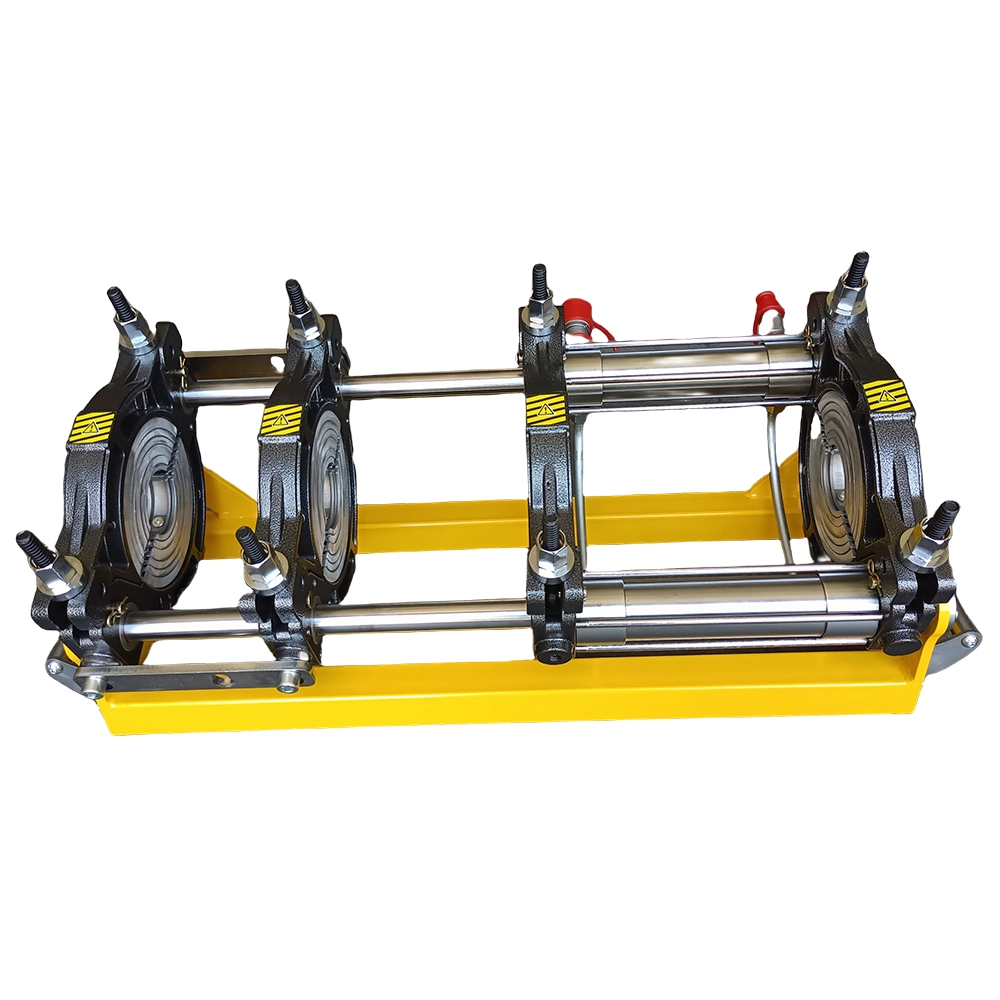
Mastering the operation of a pipe welding machine is essential for creating strong, leak-free joints in HDPE and other plastic piping systems. Whether you are working on water supply, gas distribution, or industrial applications, following a structured guide ensures both operator safety and weld integrity. This comprehensive guide covers step-by-step instructions, critical safety tips, and industry best practices for butt fusion welding machines.
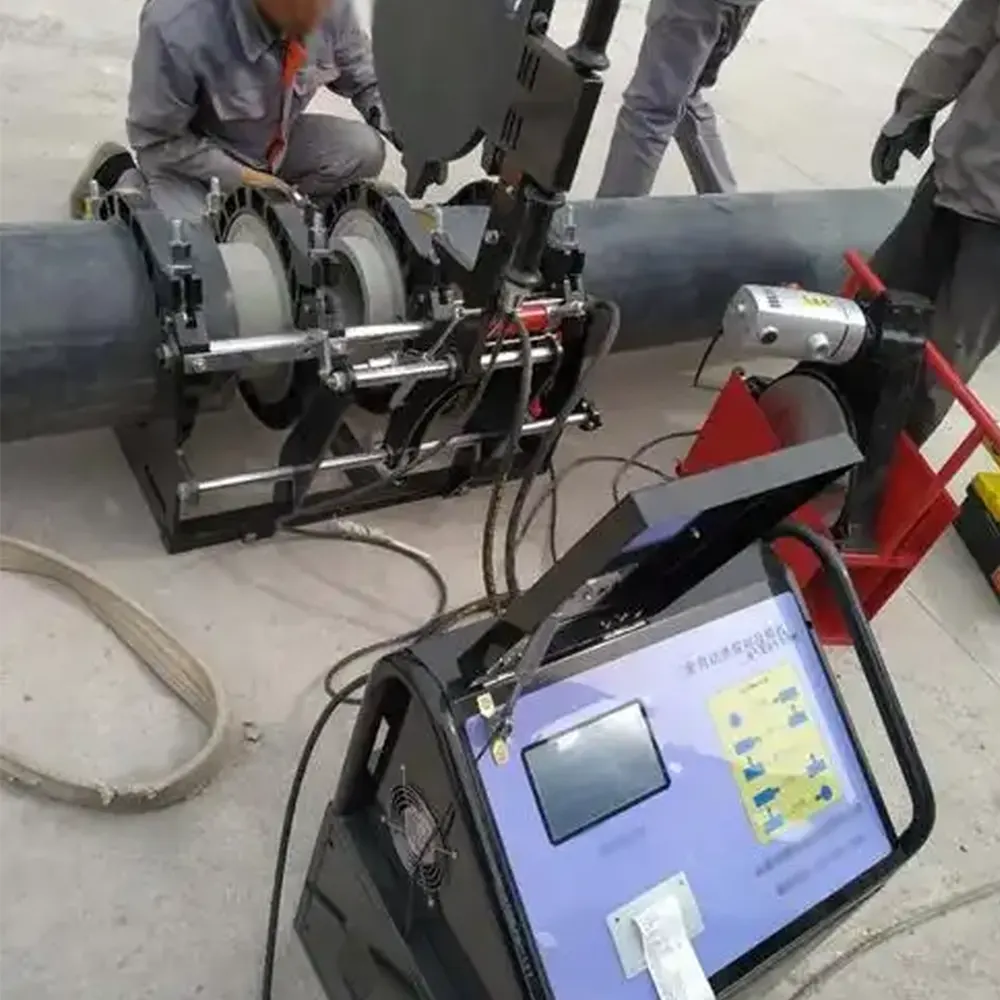
Understanding Your Pipe Welding Machine
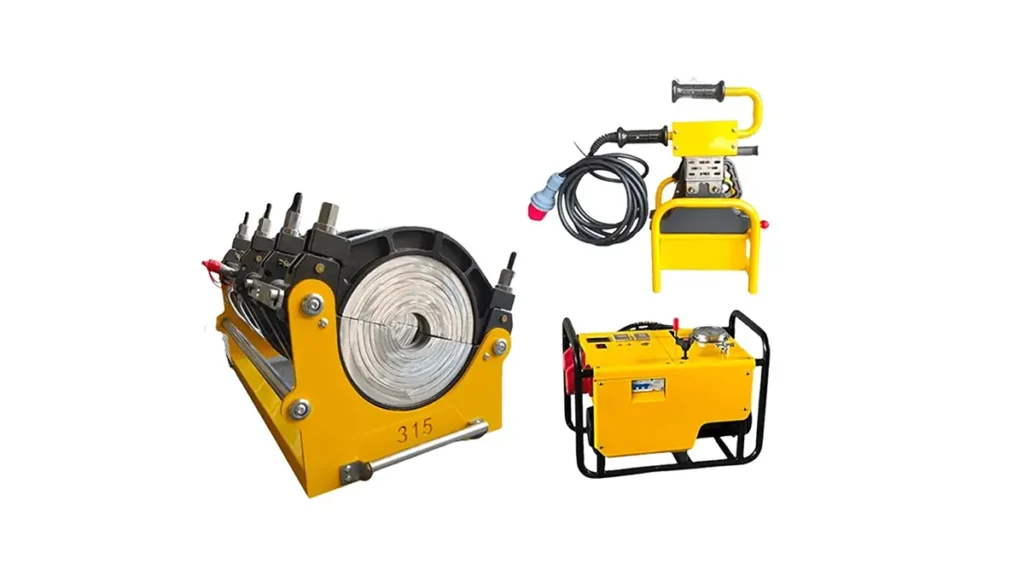
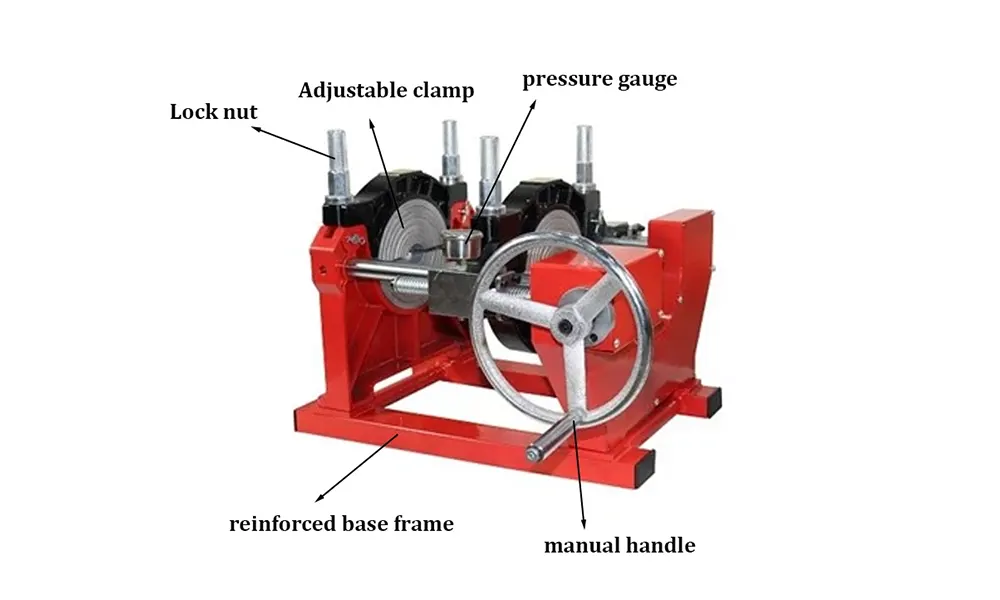
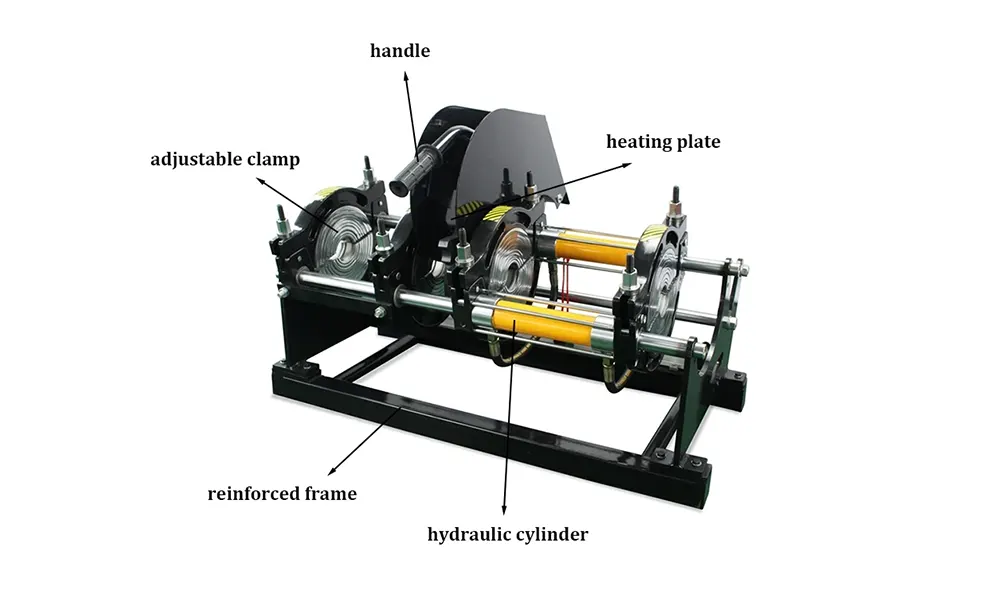
Before beginning any operation, it is crucial to identify the type of equipment you are using. Modern pipe welding machines generally fall into three categories: manual, hydraulic, and CNC automatic. Each type has specific operational nuances, but the core principles of hydraulic butt fusion remain consistent. The machine fundamentally consists of a frame, a heating plate, a facing tool (trimmer), and a control unit. Understanding how these components interact is the first step toward achieving reliable welding performance.
Step-by-Step Pipe Welding Machine Operation Guide
1. Preparation and Safety Checks
Prior to starting the machine, conduct a thorough inspection. Verify that the power supply matches the machine’s requirements and that the hydraulic oil level (if applicable) is sufficient. The work area must be clean, dry, and protected from extreme weather conditions, as dust and moisture can contaminate the weld joint. Always wear appropriate personal protective equipment (PPE), including heat-resistant gloves and safety glasses.
2. Clamping and Facing the Pipe Ends
Place the pipes into the manual butt fusion machine frame and securely tighten the clamps. The pipe ends must protrude evenly. Use the facing tool to trim the pipe ends until a continuous, even shaving is produced from both sides. This step ensures the surfaces are perfectly parallel and free from oxidation or debris. Do not touch the prepared pipe faces after facing, as contamination can compromise the joint integrity.
3. Heating Plate Alignment and Melt Bead Formation
Check the heating plate temperature using a calibrated thermocouple; the standard temperature for HDPE is typically 220°C (428°F). Insert the heating plate between the pipe faces. Apply the specified drag pressure to ensure even contact. As the material heats, a melt bead will form. Refer to the ISO 21307 butt fusion procedures for the exact bead size and soak time required for your specific pipe diameter and wall thickness.
4. Heater Removal and Fusion Joining
After the soaking phase, quickly separate the pipe ends from the heating plate and remove the plate. This must be done swiftly to minimize heat loss. Immediately bring the pipe ends together at a controlled speed and apply the fusion pressure. Maintain this pressure steadily as the joint cools. The PE butt fusion equipment standard mandates specific cooling times under pressure before the joint can be removed from the clamps.
5. Cooling and Inspection
Allow the joint to cool naturally under pressure. Do not accelerate the cooling process with water or air. Once cooled, visually inspect the finished weld. A proper double bead should be uniform in size and shape around the entire circumference of the pipe. The bead should not be cut or removed unless specifically required by engineering specifications for certain applications.
Critical Safety Tips for Operators
Working with heated elements and heavy machinery presents inherent risks. Adhering to safety advice is non-negotiable for every pipe welding machine operation.
- Burn Protection: The heating plate surfaces exceed 200°C. Never touch the plate directly and always store the hot plate in a secure holster when not in use.
- Electrical Safety: Ensure the machine is grounded. Inspect cables and connectors for damage before powering on. Keep electrical components away from water.
- Crushing Hazards: Keep hands and fingers clear of the moving carriage and clamps during the facing and fusion cycles. Hydraulic systems can generate immense force.
- Fume Ventilation: Always operate in a well-ventilated area. Overheating polymers can release fumes that may be harmful if inhaled in high concentrations.
- Machine Stability: Position the machine on a flat, stable surface. For large-diameter pipe welding machines, secure the unit to prevent tipping during the insertion of heavy pipes.
Best Practices for High-Quality Welds
Beyond following basic steps, implementing best practices elevates the quality and durability of your pipeline. Documenting every joint is a fundamental habit of a certified operator. Record the machine ID, pipe size, heating plate temperature, and ambient conditions.
| Critical Parameter | Recommended Practice | Common Mistake |
|---|---|---|
| Heating Plate Surface | Clean regularly with non-abrasive cloths | Using damaged or PTFE-coated plates without checking for scratches |
| Drag Pressure | Calculated based on pipe surface area and standard force | Skipping the drag pressure calculation and guessing the force |
| Clamp Alignment | Verify clamps are aligned within 10% of wall thickness | Forcing misaligned pipes together with hydraulic pressure |
| Cooling Time | Follow the manufacturer’s time chart strictly before pressure release | Releasing clamps early to speed up the production cycle |
Utilizing CNC and Hydraulic Features
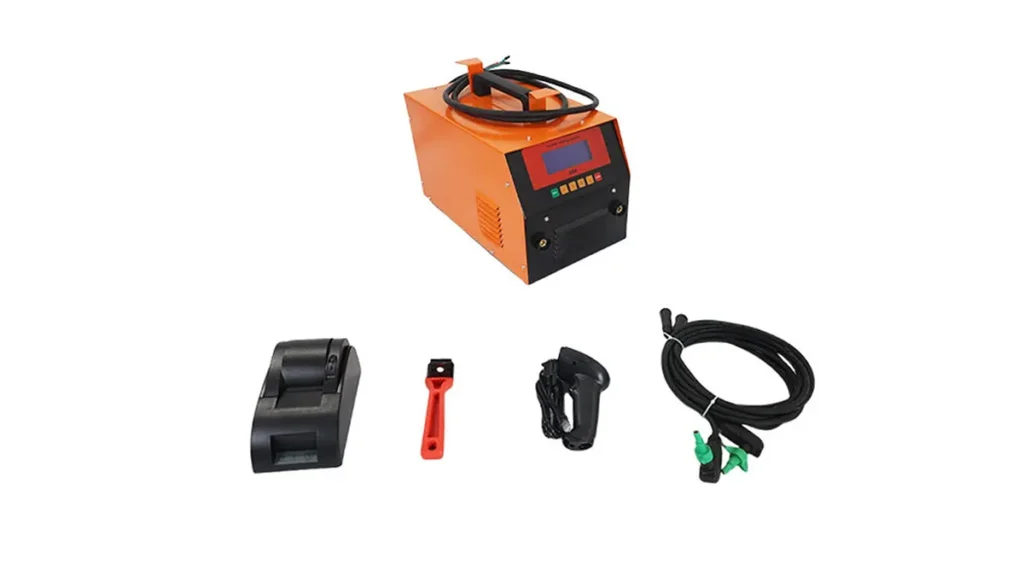
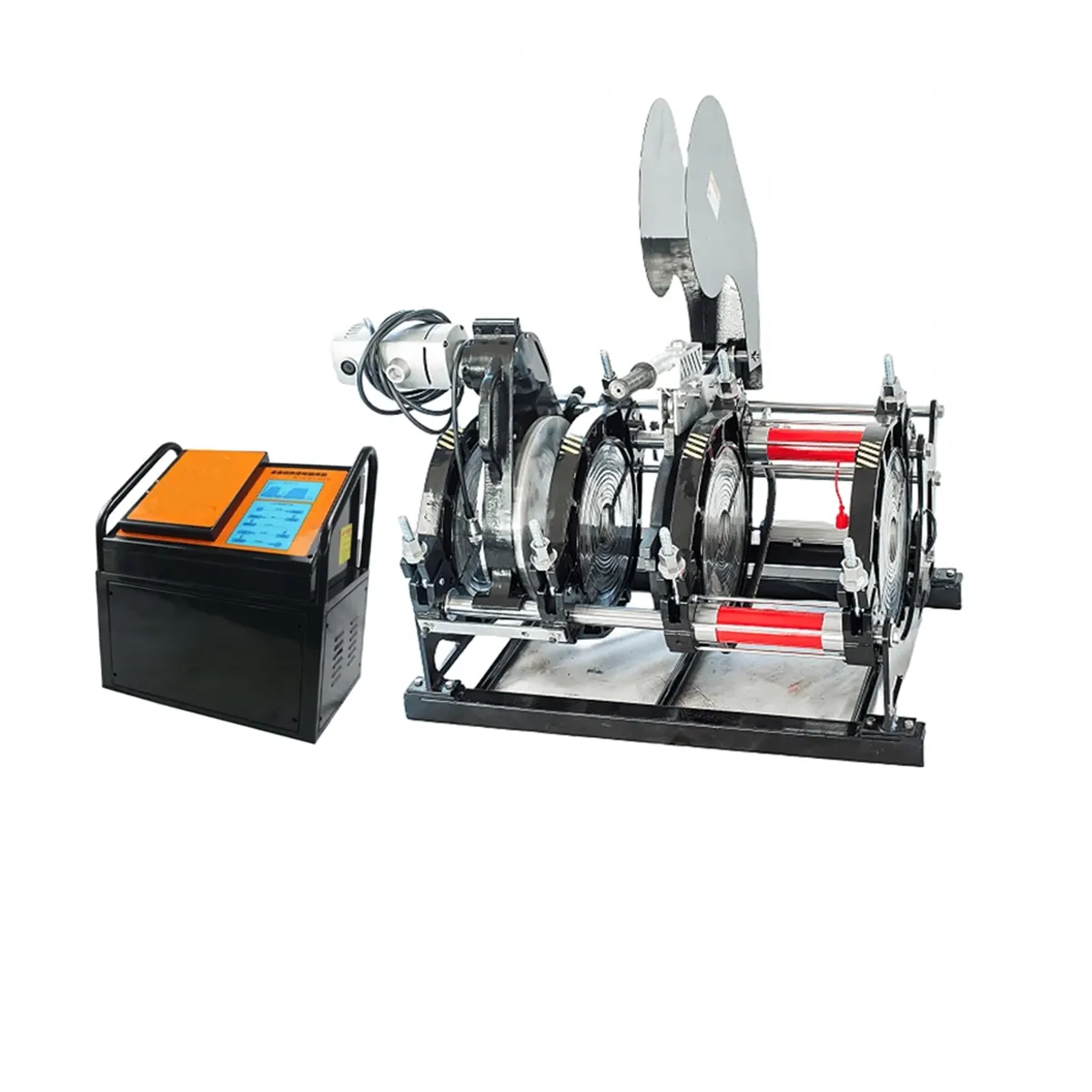
If you are operating a CNC automatic welding machine, leverage the data logging capabilities. These machines can record pressure, time, and temperature curves for every joint, providing full traceability. For hydraulic models, ensure the hydraulic station is serviced regularly and that the pressure gauges are calibrated. Best practices also include pre-heating the pipe ends in very cold ambient temperatures to prevent thermal shock.
Material Handling and Storage
Proper handling of pipes and fittings before welding prevents defects. Pipe ends must be sealed during storage to prevent contamination. Scrape the oxidized layer from the inner and outer surfaces of the pipe ends just before clamping, especially if the pipes have been stored outdoors. This simple act significantly reduces the risk of inclusions in the weld, which is a standard recommendation in the PPI butt fusion procedure.
Troubleshooting Common Weld Defects
Even with careful execution, issues can arise. Recognizing and diagnosing these signs is key to maintaining quality control.
- Uneven Bead Size: Often caused by misaligned clamps or uneven heating plate temperature.
- Flat or Depressed Bead: Usually indicates insufficient fusion pressure or an overheated pipe surface.
- Discoloration or Charring: A clear sign of excessive heating, typically caused by a heating plate set above the recommended temperature range.
- Cold Lap (Lack of Fusion): Results from insufficient heating, slow plate removal, or applying pressure too late during the joining stage.
Maintenance of Your Pipe Welding Machine
A well-maintained machine is the foundation of every successful project. Daily cleaning of the frame and guide rods prevents debris from affecting carriage movement. The heating plate’s non-stick coating is critical; it must be inspected for damage and cleaned only with soft, lint-free materials. Trimmer blades must be sharp and secure; dull blades smear the pipe end rather than cutting it cleanly. For professional-grade equipment, JQ-Fusion is a professional manufacturer specializing in HDPE pipe welding machines, providing reliable butt fusion solutions that are durable and customizable to meet diverse project requirements. Calibration of all sensors and gauges should be performed according to the service schedule to ensure compliance with project specifications.
By integrating these step-by-step operational instructions, safety protocols, and proactive best practices, welding technicians can dramatically improve joint consistency and job site safety. Whether you are joining small-diameter pipes or executing a large-scale infrastructure project with an automatic system, precision and adherence to standards are the cornerstones of a leak-free pipeline.