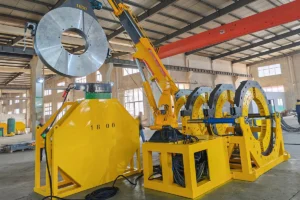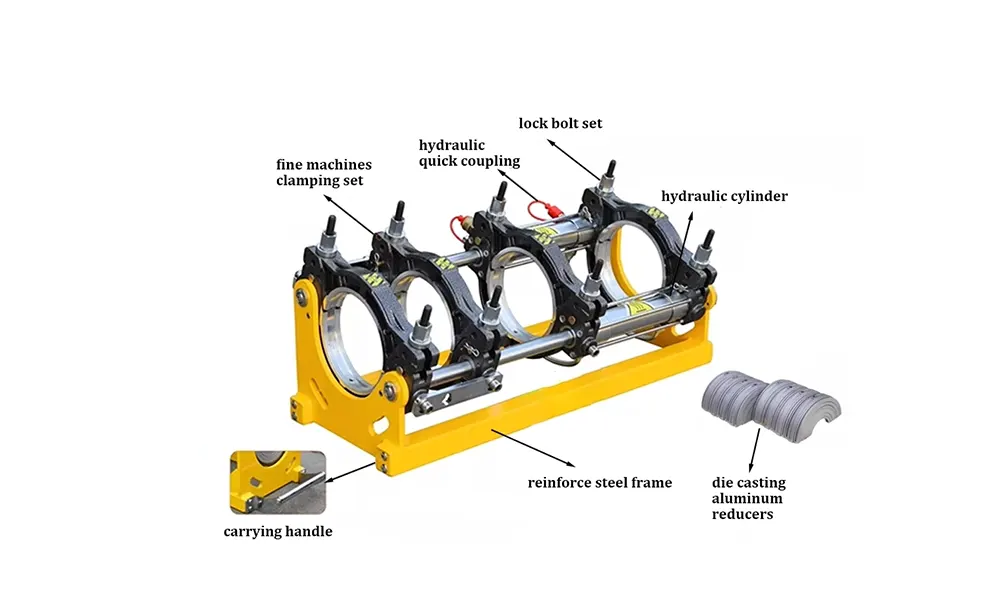
Achieving a leak-proof, high-strength pipeline depends entirely on the precision of your joining method. Whether you are working on municipal water supply, gas distribution, or industrial mining projects, understanding the correct HDPE pipe jointing machine welding process is critical to long-term infrastructure integrity. This detailed guide walks you through every stage of the butt fusion procedure, highlighting essential equipment checks, temperature controls, and quality verification steps required by international standards.
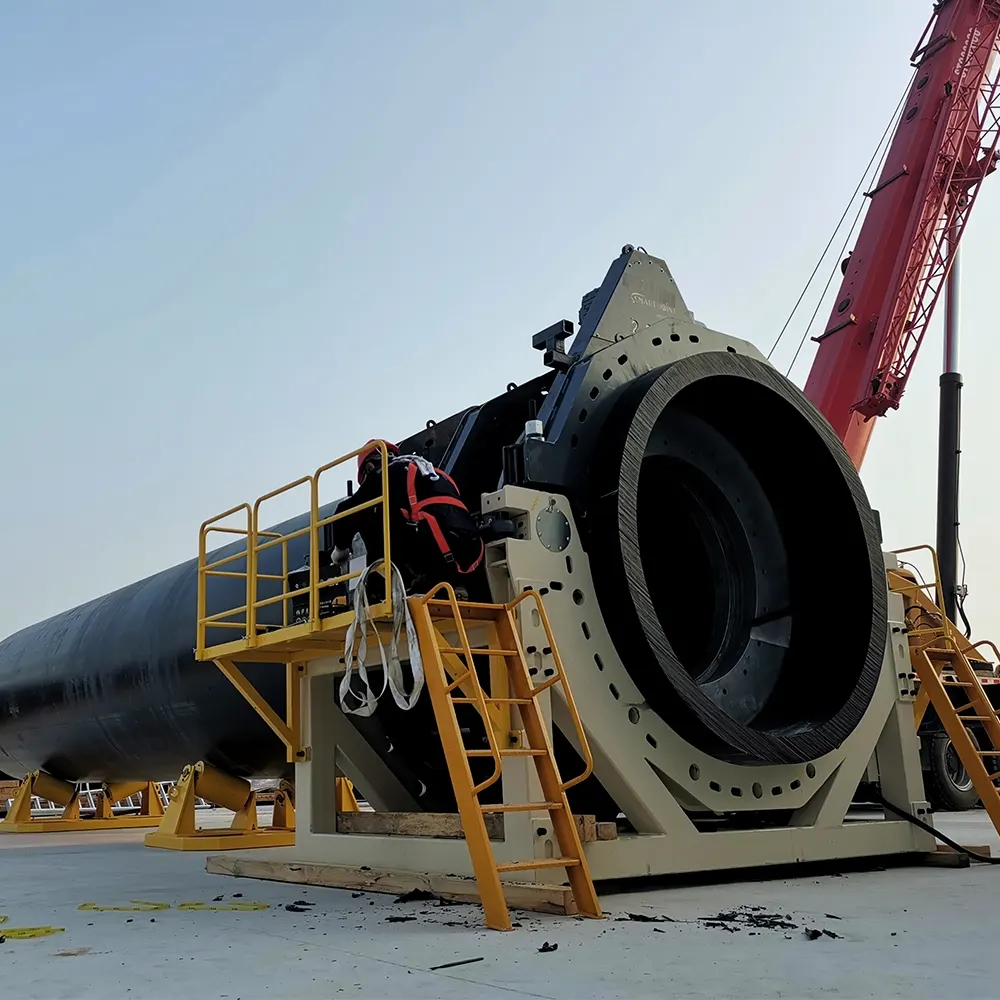
Understanding the Basics of Butt Fusion Welding
Butt fusion is the most widely used technique for joining HDPE pipes. The process involves heating two pipe ends against a precisely controlled hot plate until they reach a molten state, then pressing them together under specific pressure to form a homogeneous joint. Proper execution following ISO 21307 butt fusion procedures ensures the joint is as strong as the pipe itself.
Step-by-Step HDPE Pipe Jointing Machine Welding Process
Before starting, always verify that your HDPE pipe jointing machine has been calibrated. The heating plate temperature must be uniform across its surface. A deviation of just a few degrees can compromise the entire weld. Make sure the clamping system can hold the pipes securely without causing deformation.
Step 1: Pipe Preparation and Alignment
Clean the pipe ends thoroughly using a lint-free cloth and isopropyl alcohol. Dirt, grease, or moisture are the primary enemies of a successful weld. Load the pipes into the machine’s clamps and align them. The high-low mismatch between the two pipe ends must not exceed 10% of the wall thickness. Using the machine’s clamping knobs, bring the pipes into perfect concentric alignment.
Step 2: Facing the Pipe Ends
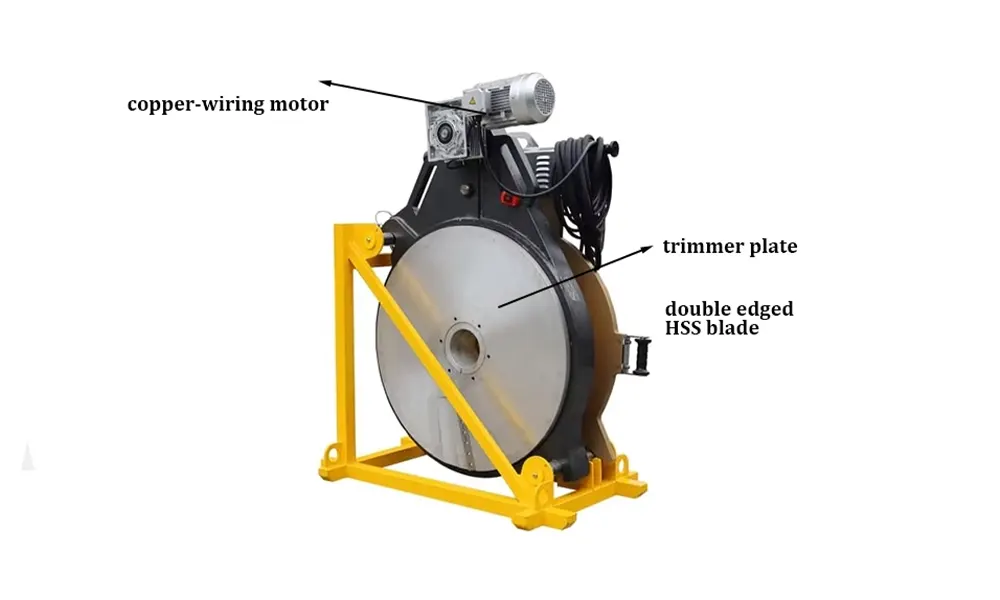
Insert the pipe trimmer between the clamped pipes. Apply steady pressure and rotate the trimmer to shave off a thin layer from both pipe faces. Continue facing until a continuous, unbroken ribbon of material is produced from both ends. This step removes oxidized material and creates perfectly parallel faces. Stop the trimmer, remove it, and inspect the faces — they should be smooth and free of contamination. Never touch the faced surfaces with bare hands.
Step 3: Heating Plate Insertion and Heating Phase
Verify the heating plate temperature using a calibrated pyrometer. The standard temperature for HDPE welding is typically between 200°C and 220°C (392°F – 428°F). Insert the butt fusion heating plate and apply the specified bead-up pressure. As the material melts, a bead of molten polyethylene will form against the plate. Once the proper bead size is achieved according to your project’s weld procedure, reduce pressure to the heating soak pressure. The soak time allows heat to penetrate into the pipe wall to the required depth.
| Pipe Diameter (mm) | Bead-Up Pressure (bar) | Soak Time (sec) | Cooling Time (min) |
|---|---|---|---|
| 110 | 3.0 – 4.0 | 30 – 50 | 8 – 12 |
| 250 | 4.0 – 5.5 | 50 – 80 | 15 – 20 |
| 450 | 5.5 – 7.0 | 80 – 120 | 25 – 35 |
Step 4: The Fusion Joint – Closing the Gap
Once the soak time is complete, quickly separate the pipe ends, remove the heating plate, and immediately bring the molten pipe faces together. This change-over time should be as short as possible to prevent cooling of the melt surfaces. Apply the specified fusion pressure gradually and maintain it steadily. A uniform, symmetrical double bead should form at the joint. Inspect the bead visually — it should be consistent in size and shape around the entire circumference. This indicates proper pressure distribution across the joint.
Step 5: Controlled Cooling Under Pressure
Hold the fusion pressure until the joint has cooled sufficiently. Releasing pressure too early can create internal stresses and weaken the joint. The cooling time depends on pipe wall thickness and ambient conditions. Refer to your machine’s data logging system or PPI butt fusion procedure guidelines for exact durations. During cooling, do not move the pipes or apply any external force to the machine.
Essential Quality Control Parameters
Every operator must monitor and record these key parameters during the HDPE pipe jointing machine welding process:
- Drag Pressure: Measured before each weld to compensate for machine resistance.
- Bead Appearance: A visual check for symmetry, color consistency, and absence of contamination.
- Fusion Interface Temperature: Ensures the material remains above crystalline melting point through the process.
- Change-Over Time: Must be below the maximum allowed for the specific pipe material grade.
Selecting the Right Welding Machine for Your Project
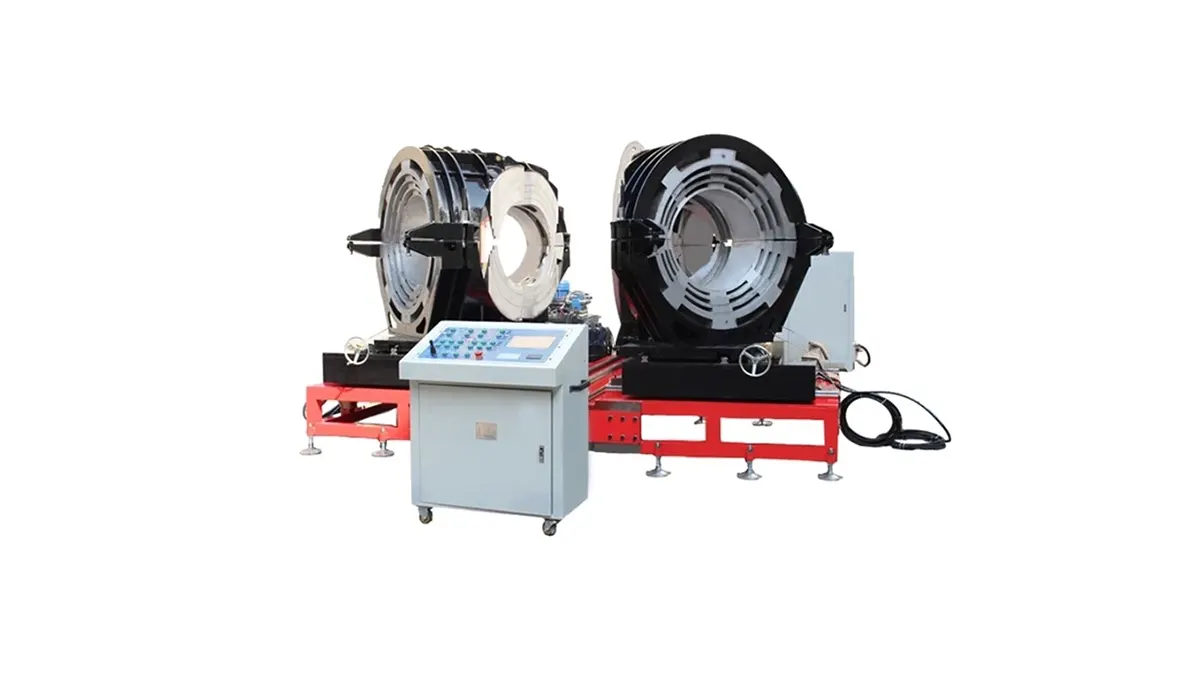
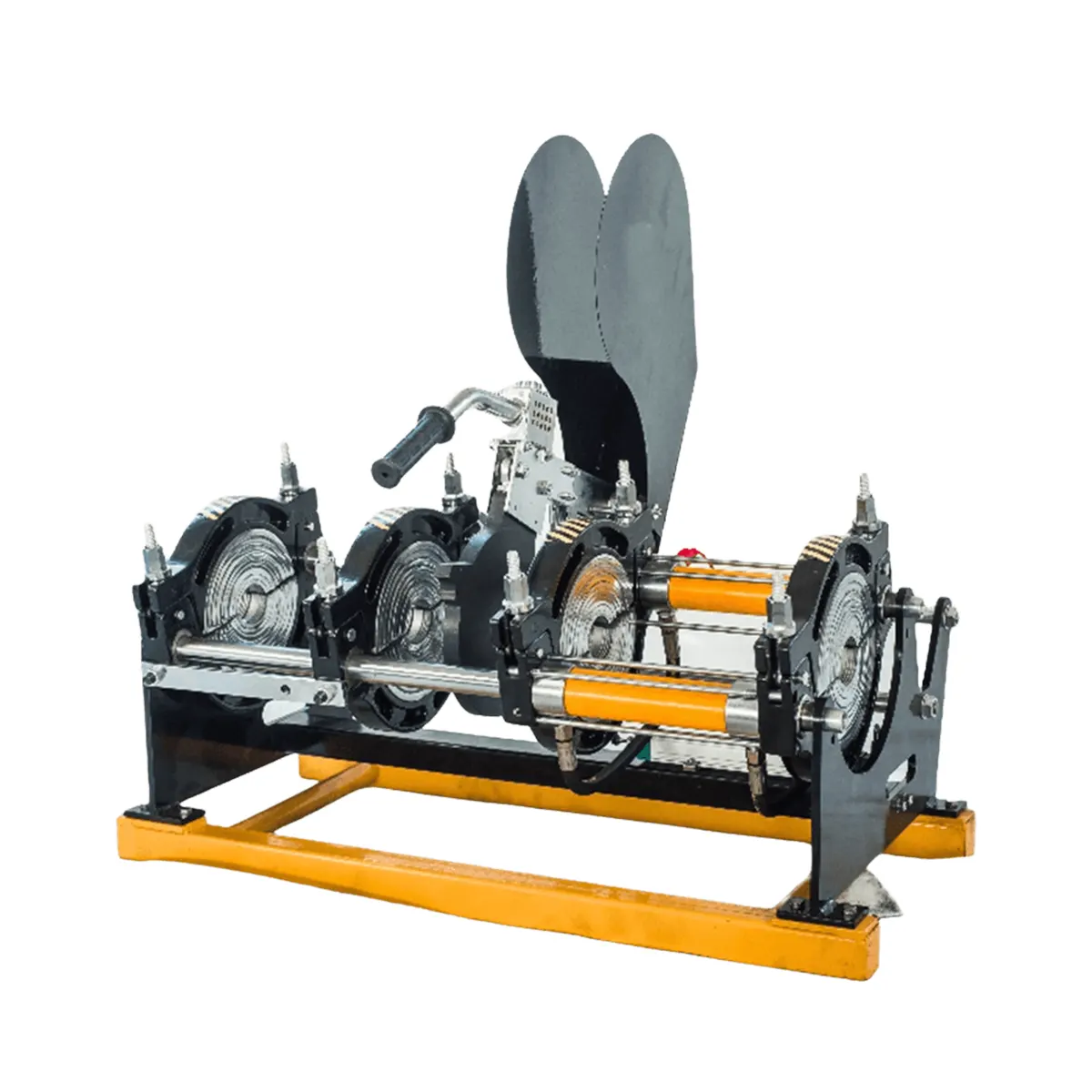
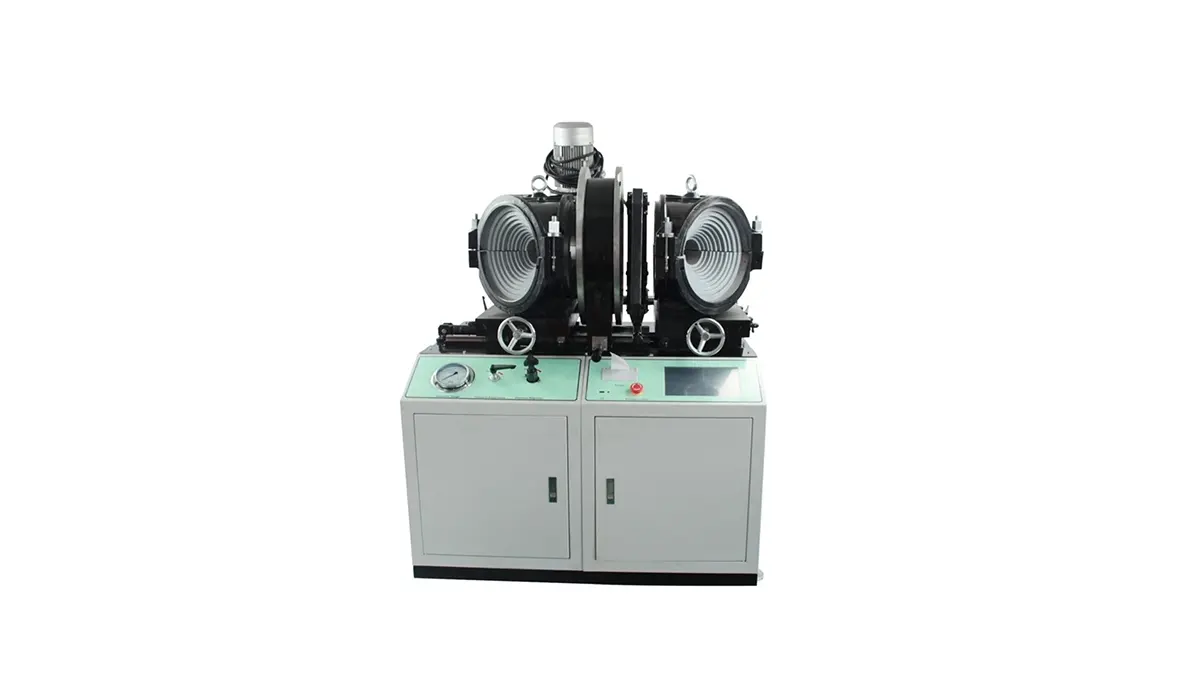
The type of machine you use significantly influences weld quality. For smaller diameters up to 315mm, a reliable manual butt fusion welding machine with a rigid butt fusion machine frame is suitable. For mid-range diameters where consistent pressure control becomes critical, a hydraulic HDPE pipe welder is the best choice. For large-scale infrastructure projects requiring traceability and minimal operator error, a CNC automatic butt fusion machine with data logging and automatic pressure regulation is essential. Always ensure your equipment meets the PE butt fusion equipment standard.
Common Welding Defects and Their Causes
Understanding potential failures helps prevent them. Here are common issues encountered during the HDPE jointing process:
- Insufficient Bead Size: Often caused by low heating temperature or short soak time.
- Uneven Bead: Indicates misalignment, uneven heating plate temperature, or loose clamps.
- Contamination: Visible particles or discoloration in the weld bead, usually from poorly faced pipe ends or dirty tools.
- Cold Joint: A dull, non-uniform bead with sharp edges, caused by excessive change-over time or insufficient heating.
Operator Safety Practices During Welding
Safety is non-negotiable when operating an HDPE butt fusion machine. The heating plate surfaces exceed 200°C (392°F). Always wear heat-resistant gloves and safety glasses. Ensure adequate ventilation when welding in enclosed spaces, as molten polyethylene can emit fumes. Keep a fire extinguisher nearby, and never leave the operating welding machine unattended. Proper training aligned with heat fusion operator qualification standards is critical for on-site safety.
Joining Multi-Angle Segments and Special Fittings
Not all welds are straight-line butt joints. For complex piping networks, multi-angle pipe fitting welding machines allow precise joining of elbows, tees, and Y-branches. These specialized pipe fitting welding tools accommodate various corner angles while maintaining uniform heating and fusion pressure. The process follows the same fundamental steps — facing, heating, and cooling under pressure — but requires meticulous setup in the fixture to ensure angular accuracy. For fabricated fittings, follow the guidelines for butt-fused PE components to ensure structural integrity.
Final Inspection and Documentation
After the joint has completely cooled to ambient temperature, perform a final visual inspection. Check the bead size and surface appearance. Many specifications also require a bend-back test on a sample weld performed at the beginning of each work shift, as per ASTM F2620 heat fusion guidelines. If your machine has data logging capability, download the weld report and archive it for project quality records. Documenting each weld with its pressure, temperature, and time graph provides essential traceability and proof of compliance.
Mastering the HDPE pipe jointing machine welding process requires training, the right equipment, and strict adherence to established procedures. JQ-Fusion is a professional manufacturer specializing in HDPE pipe welding machines, providing reliable butt fusion solutions backed by rigorous quality control and responsive global support. By combining operator skill with high-quality, customizable welding equipment, you ensure every joint contributes to a durable, leak-free pipeline system.