
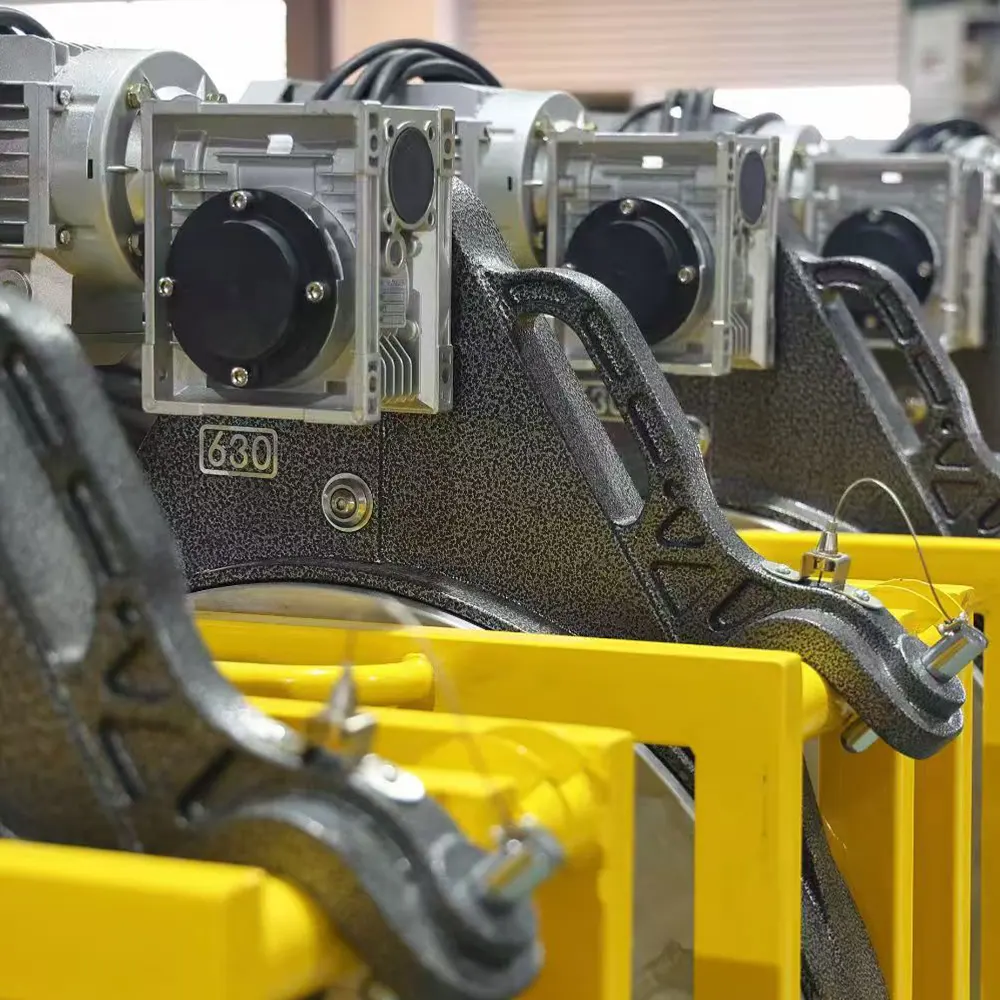
Understanding the pipe welding machine working principle is essential for contractors, project managers, and engineers involved in polyethylene (PE) and HDPE pipeline installations. Modern butt fusion welding machine technology combines precise thermal control, alignment mechanics, and pressure systems to create homogeneous, leak-proof joints that are often stronger than the pipe itself.
JQ-Fusion, a professional manufacturer specializing in HDPE pipe welding machines, provides reliable butt fusion solutions that incorporate these principles for global infrastructure projects. Below, we explore the core stages, machine classifications, and real-world applications that define how these essential devices operate.
The Core Stages of Butt Fusion Welding
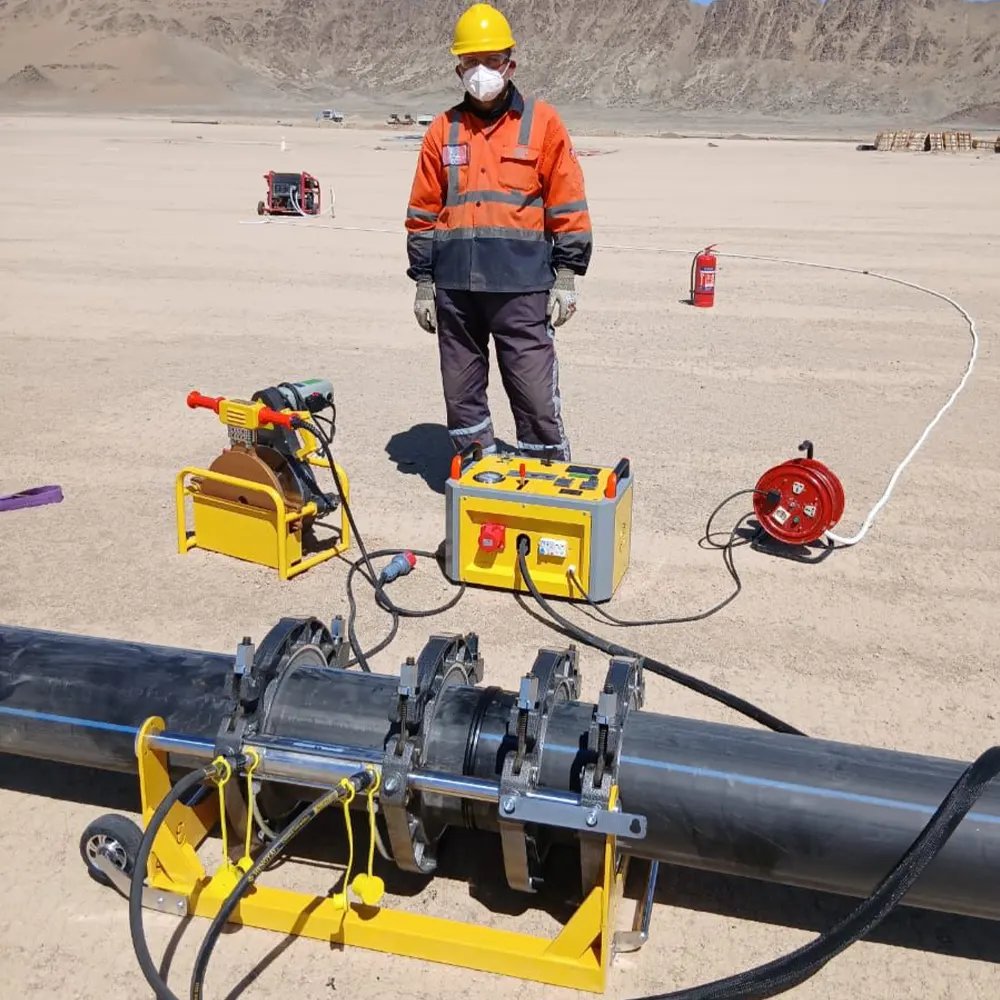
The pipe welding machine working principle revolves around a controlled thermal fusion process. A HDPE pipe welding machine heats two pipe ends against a precisely temperature-controlled non-stick plate until a molten bead forms, then presses them together under specified pressure and holds them aligned during cooling. This procedure follows internationally recognized standards such as ISO 21307 butt fusion procedures and ASTM F2620 heat fusion guidelines.
Step-by-Step Working Principle Breakdown
1. Clamping and Alignment
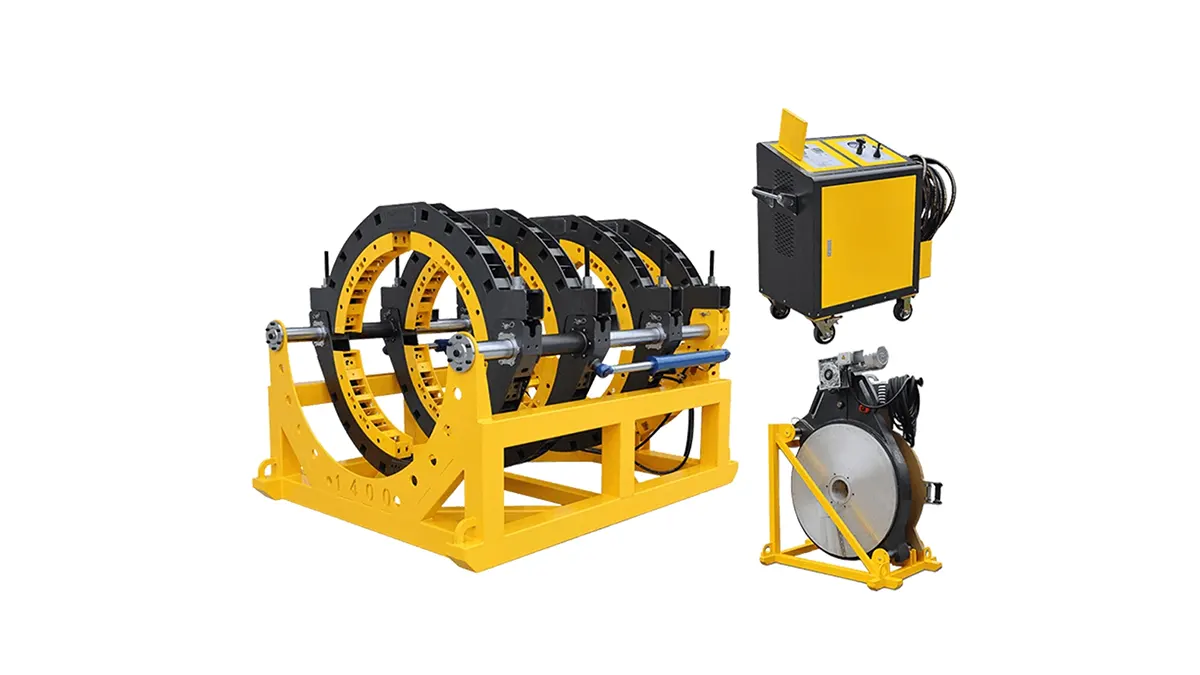
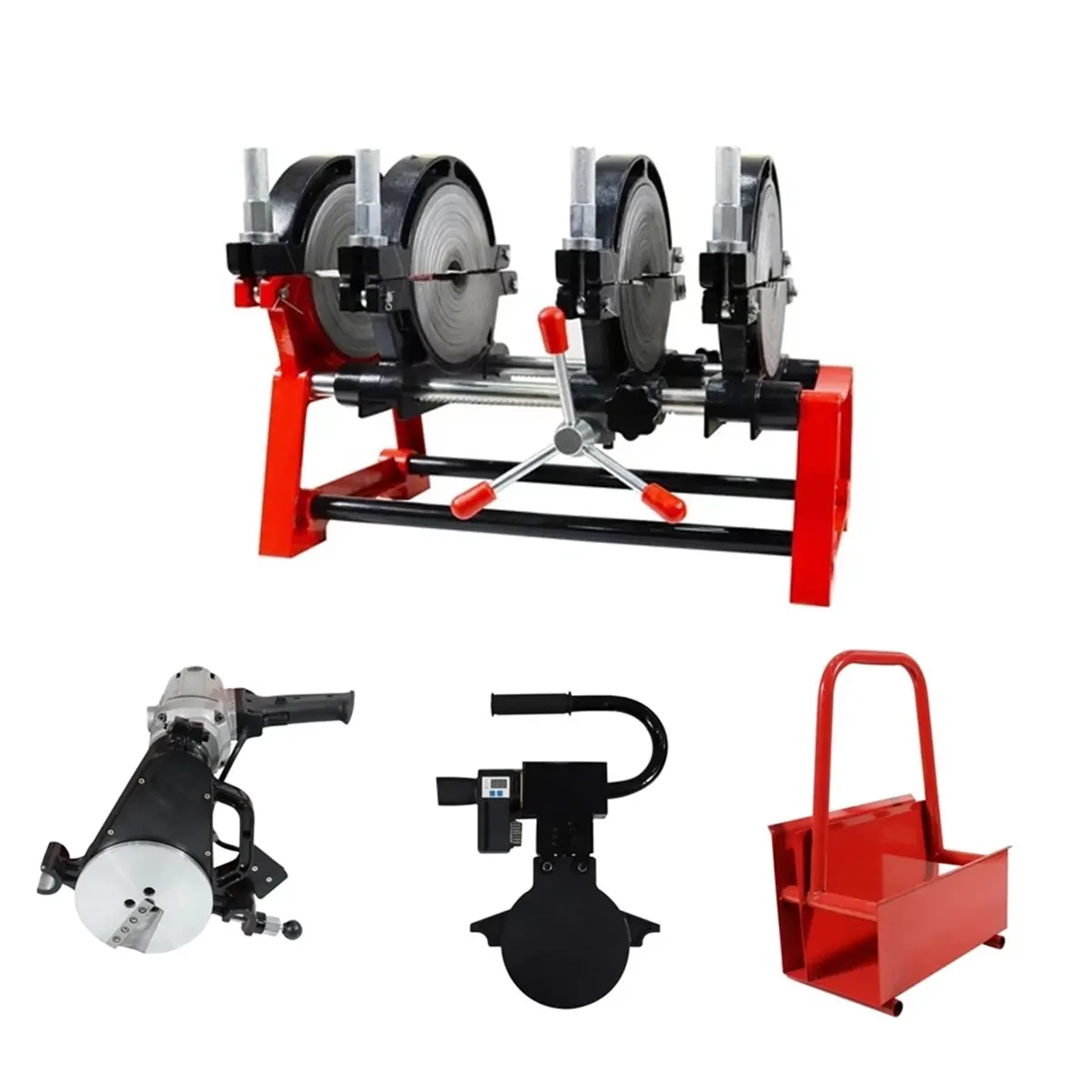
The pipe ends are securely fixed inside the machine’s clamps. Proper alignment is critical; the machine frame must bring both pipe ends into the same plane, minimizing mismatch. In hydraulic butt fusion welding machine models, this clamping force is generated by a hydraulic power pack, ensuring stable holding pressure for large-diameter pipes.
2. Facing and Trimming
A rotating disc trimmer planes both pipe ends simultaneously. This step removes oxidation layers and creates perfectly parallel, clean surfaces. The facing operation continues until continuous shavings are produced from both pipe ends, confirming complete surface contact with the trimmer blade.
3. Heating and Melt Bead Formation
The heating plate, maintained at a temperature typically between 200°C and 230°C depending on pipe material specifications, is inserted between the faced pipe ends. Both ends are pressed against the plate with controlled pressure. A visible melt bead rolls outward around the circumference as the material transitions to a viscous state. Observing the bead profile is a key visual indicator that the pipe welding machine working principle is being executed correctly.
4. Heat Soak and Plate Removal
After the initial bead-up, pressure is reduced nearly to zero while the heat penetrates deeper into the pipe wall. This heat soak period is essential for forming a uniform temperature gradient. The operator then swiftly removes the heating plate, a phase requiring speed to minimize heat loss—a factor that sets experienced technicians apart.
5. Fusion Joining and Cooling
The molten pipe ends are brought together under the specified fusion pressure and held motionless. This pressure consolidates the melted material, creating a double-roll bead both inside and outside the joint. The assembly remains clamped until the plastic has cooled sufficiently to regain structural strength. Releasing too early compromises the joint; a complete cooling cycle under pressure is mandatory for reliable butt fusion welding equipment outcomes.
Types of Pipe Welding Machines
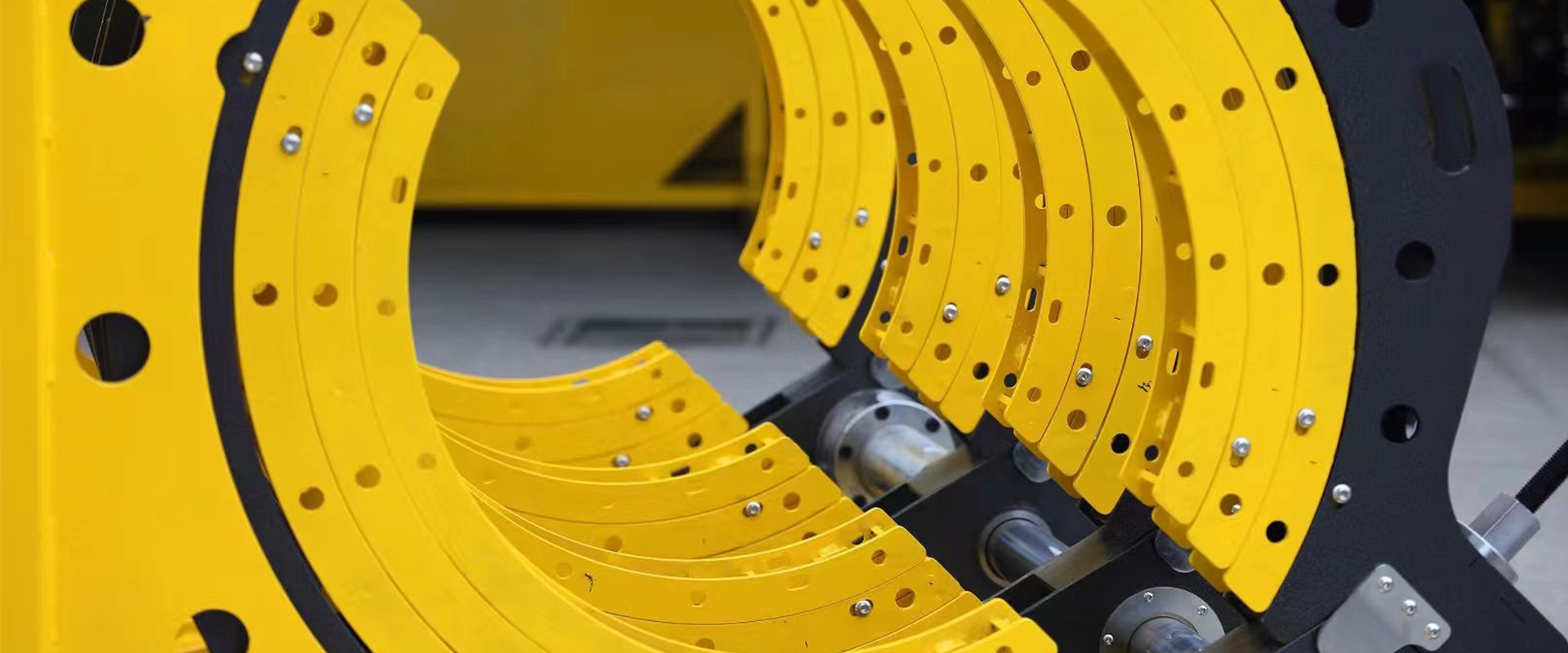
Different project scales and pipe diameters demand distinct machine configurations. The fundamental pipe welding machine working principle remains consistent across types, but operating methods and automation levels vary significantly.
| Machine Type | Operating Method | Typical Pipe Range | Best For |
|---|---|---|---|
| Manual Butt Fusion | Hand-lever operated clamps and carriage movement | 40mm – 315mm | Small-diameter water lines, rural plumbing, tight-job-site mobility |
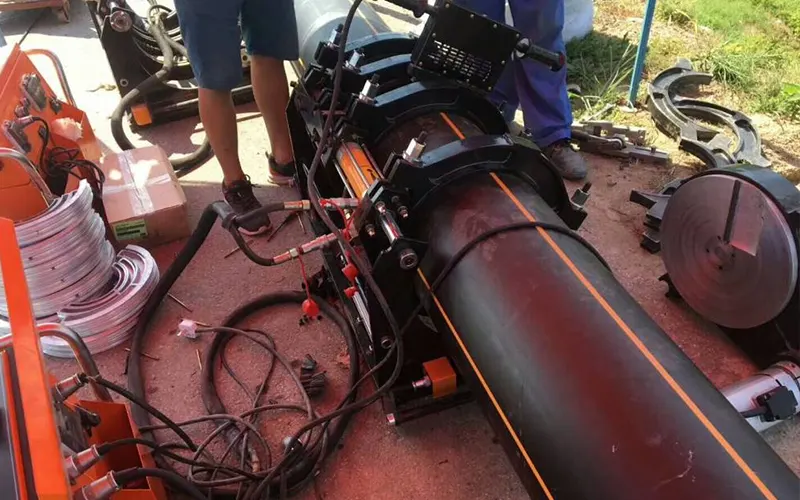
| Hydraulic Butt Fusion | Hydraulic power unit drives carriage movement and clamping | 160mm – 2250mm+ | Large-diameter gas and water mains, mining slurry pipelines, industrial outfalls |
| CNC Automatic Butt Fusion | Programmable logic controller manages all cycle phases | 160mm – 630mm | High-volume projects, traceability-critical installations, standard-consistent joining |
Hydraulic butt fusion models dominate large-diameter projects where manual carriage force is insufficient. CNC automatic welding systems embed the pipe welding machine working principle into pre-set welding parameters, recording data such as temperature, pressure, and time for quality assurance reports. For smaller fieldwork, manual pipe welder units deliver portability without sacrificing weld integrity.
Key Applications Across Industries
The versatility of the pipe welding machine working principle makes these machines indispensable across multiple sectors. Each application leverages the same core fusion mechanism but adapts to specific material grades and operating environments.
- Water Supply Networks: Municipal potable water transmission and distribution mains rely on ISO 4427 PE water pipes joined by butt fusion for zero-leakage performance over decades of service.
- Gas Distribution: Natural gas and LPG pipelines demand the highest fusion quality; standards like PE gas piping systems govern every joint.
- Mining and Slurry Handling: Abrasion-resistant HDPE pipes transport tailings and process slurries; large-diameter hydraulic machines create joints that withstand high internal pressures and chemical exposure.
- Industrial Effluent & Chemical Lines: Industrial PE piping systems handle aggressive fluids where fusion joints eliminate leak paths common in mechanical couplings.
- Marine Outfalls and Dredging: Floating and submerged PE pipelines use butt fusion to form continuous, buoyant strings that resist wave action and corrosion.
Factors That Influence Weld Quality
Even with a sound pipe welding machine working principle, output quality depends on several controllable factors. Maintaining strict parameters is what distinguishes a durable joint from a latent failure point.
- Heating Plate Surface Condition: The non-stick coating must be clean and undamaged; burnt polymer residues cause uneven heat transfer and contamination.
- Ambient Temperature and Wind: Extreme cold or drafts can cool the melt prematurely; sheltered work areas and adjusted heat soak times compensate for environmental variables.
- Pipe Material Traceability: Different PE grades (PE80, PE100, PE100-RC) have distinct melt flow characteristics. Using matched materials in accordance with PE butt fusion process guidelines prevents incompatible fusion.
- Operator Training: Standardized operator qualification per heat fusion operator qualification ensures that the correct sequence and pressures are applied consistently.
Common Questions About Pipe Welding Machine Operation
What temperature does a butt fusion welding machine use?
Standard heating plate temperature is generally set between 200°C and 230°C. The exact value depends on the pipe material specification (PE80, PE100, etc.) and the regional standard adopted. A calibrated digital controller maintains this temperature within a tight tolerance band during the entire heating cycle.
How long does a complete fusion cycle take?
Cycle duration varies significantly with pipe diameter and wall thickness. A 110mm SDR11 joint may require around 3–5 minutes of total machine time, while a 1200mm heavy-wall pipe can demand 30–45 minutes or more. The cooling phase under pressure is typically the longest segment, often lasting 10–20 minutes alone for larger diameters.
Can different PE grades be welded together?
Generally, PE80 and PE100 grades are considered weldable to each other based on industry practice, provided a qualified procedure is followed. However, the joint design factors and service conditions must be evaluated carefully. Consulting the PPI technical guidance and manufacturer recommendations is always advised before mixing grades.
What is the most common defect in butt fusion joints?
Common defects include cold fusion (insufficient heating), contamination (dirt on heating plate or pipe ends), misalignment mismatch, and particulate inclusions. Most defects result from deviation from the established pipe welding machine working principle parameters rather than machine malfunction. Regular machine calibration and strict adherence to cleaning protocols prevent these issues.
Ensuring Consistent Results with Proper Equipment
From manual butt fusion welding machine units in remote field installations to automated CNC systems in prefabrication yards, the underlying pipe welding machine working principle remains the same—controlled heat, precise alignment, and managed pressure. Selecting equipment that delivers accurate temperature regulation, rigid frame construction, and smooth carriage movement is the foundation of every successful project.



