
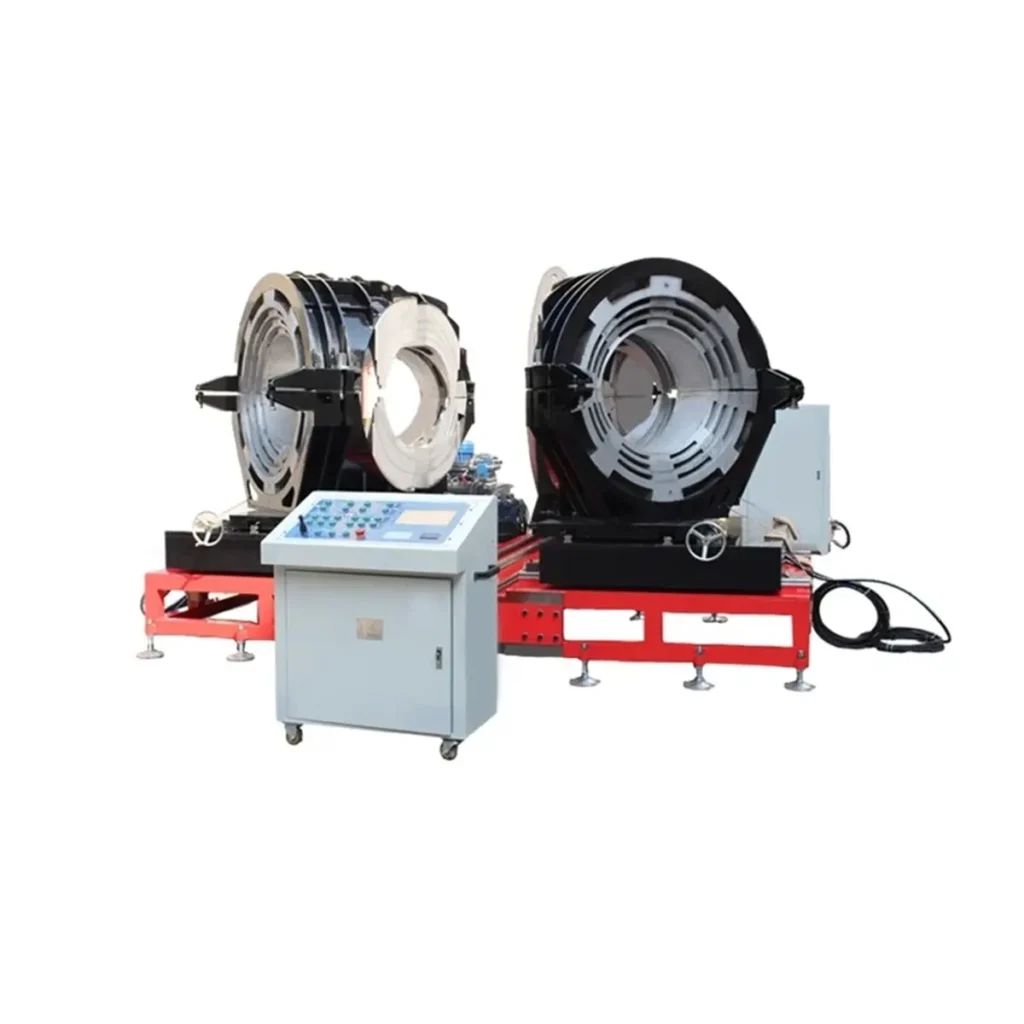
In modern pipeline construction, ensuring joint integrity is not just about having the right equipment—it’s about verifying every weld meets the required standard. Automatic butt fusion data recording has transformed this process, moving the industry from relying on operator memory to generating traceable, auditable performance logs. Whether you are working on gas distribution networks, water supply mains, or industrial piping, understanding how to leverage this technology is a key differentiator for project success.
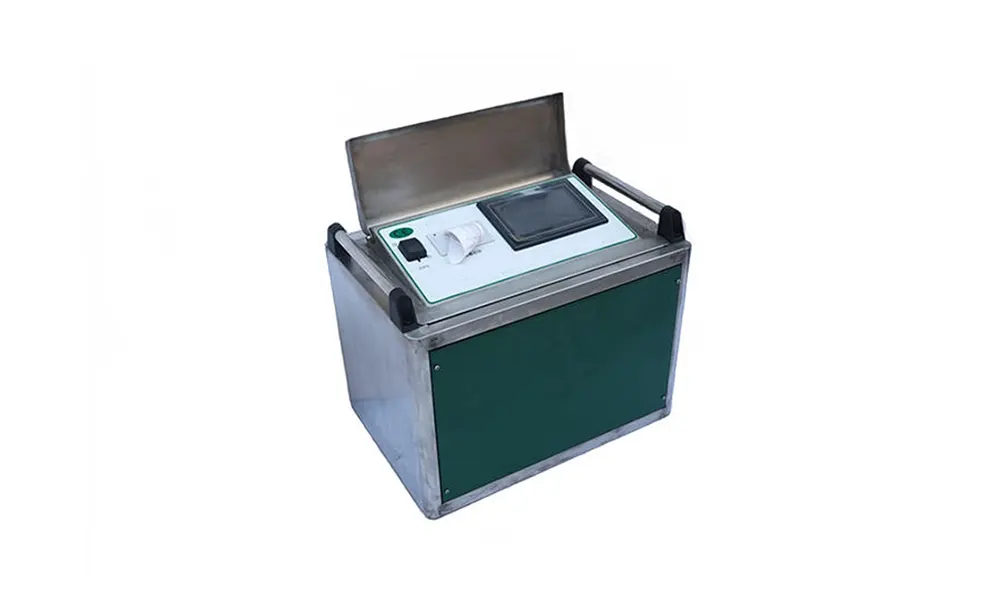
What Is Automatic Butt Fusion Data Recording?
Automatic butt fusion data recording is a digital process integrated into CNC automatic butt fusion welding machines. It captures critical joining parameters in real time during the heating, fusion, and cooling phases. Instead of a manual logbook, the machine’s control system stores precise values for temperature, pressure, and time. This creates a permanent digital record for each joint, which is essential for compliance with standards like ISO 21307 butt fusion procedures and ASTM F2620 heat fusion.
Key Benefits of Automated Weld Data Logging for Contractors
Switching from manual oversight to automated logging offers immediate and long-term advantages. The following points highlight why leading contractors are making this shift a standard practice:
- Complete Traceability and Compliance: Every weld receives a unique identifier. Inspectors and project owners can instantly verify that proper butt fusion parameters were met for the specific material and diameter, aligning perfectly with PE fusion traceability requirements.
- Reduced Human Error and Rework: The system eliminates illegible handwriting and incorrect manual readings. If a parameter drifts outside the allowed tolerance, the machine alerts the operator immediately, preventing failed joints and costly excavation.
- Streamlined QA/QC Reporting: Data files can be transferred via USB or wirelessly. Generating comprehensive job reports becomes a task of minutes, not hours, significantly speeding up project handovers and approvals.
Essential Features of a Data Recording System
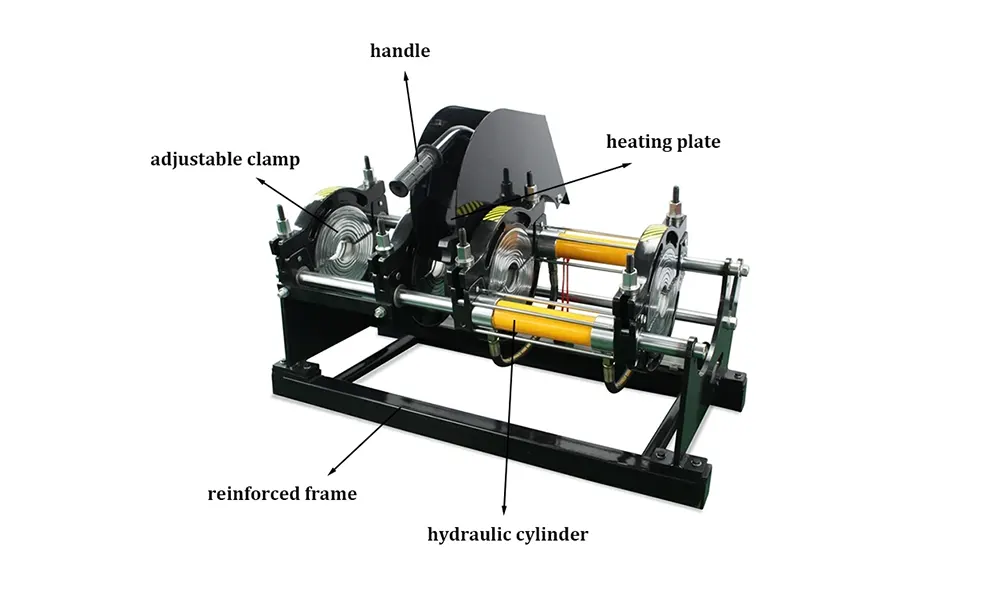
Not all recording systems are equal. When evaluating an automatic butt fusion machine, inspecting the data management capabilities is as crucial as checking the clamp force. Look for a system that provides real-time graphical display of the welding cycle and stores uneditable raw data.
| Feature | Operational Benefit | Typical Data Captured |
|---|---|---|
| GPS & Timestamping | Pinpoints exact location and time for each joint | Date, time, coordinates, operator ID |
| Drag Pressure Measurement | Automatically compensates for carriage resistance | Peak drag force, compensated weld pressure |
| Thermal Profile Logging | Confirms consistent heater plate temperature | Soak time, plate setpoint vs. actual, ambient temp |
| Cycle Phase Monitoring | Visual timeline of bead-up, heat soak, fusion, and cooling | Duration for each phase, pressure hold verification |
Best Practices for Maximizing Data Integrity
Implementing a robust workflow around your automatic butt fusion data recording equipment ensures that the technology delivers its full value. These practices are recommended by industry bodies and align with PPI technical guidance.
1. Standardize Data Entry Before Starting a Weld
Configure the machine’s data logger with consistent project information. Input accurate pipe SDR, material grade, and a clear joint numbering system. This step is critical for maintaining a searchable database and simplifies later auditing against PE pipe fusion standards.
2. Integrate GPS and Operator Credentials
Use machines that support operator badge scanning or RFID login. Pairing each record with a specific certified operator and GPS location removes ambiguity and reinforces accountability across large, multi-crew job sites.
3. Perform Regular System Validation
Treat the data recording system as a calibrated instrument. Regularly check transducer accuracy for pressure and temperature against certified gauges. A faulty sensor can create a perfect digital record of a non-compliant weld, undermining the entire PE fusion operator requirements.
4. Establish Secure Data Backup Protocols
Transfer daily logs from the butt fusion welding machine to a central, cloud-backed secure location immediately after shifts. Storing records solely on a machine’s local memory risks data loss from damage or theft and complicates long-term record retrieval.
How JQ-Fusion Supports Your Data-Driven Welding Projects
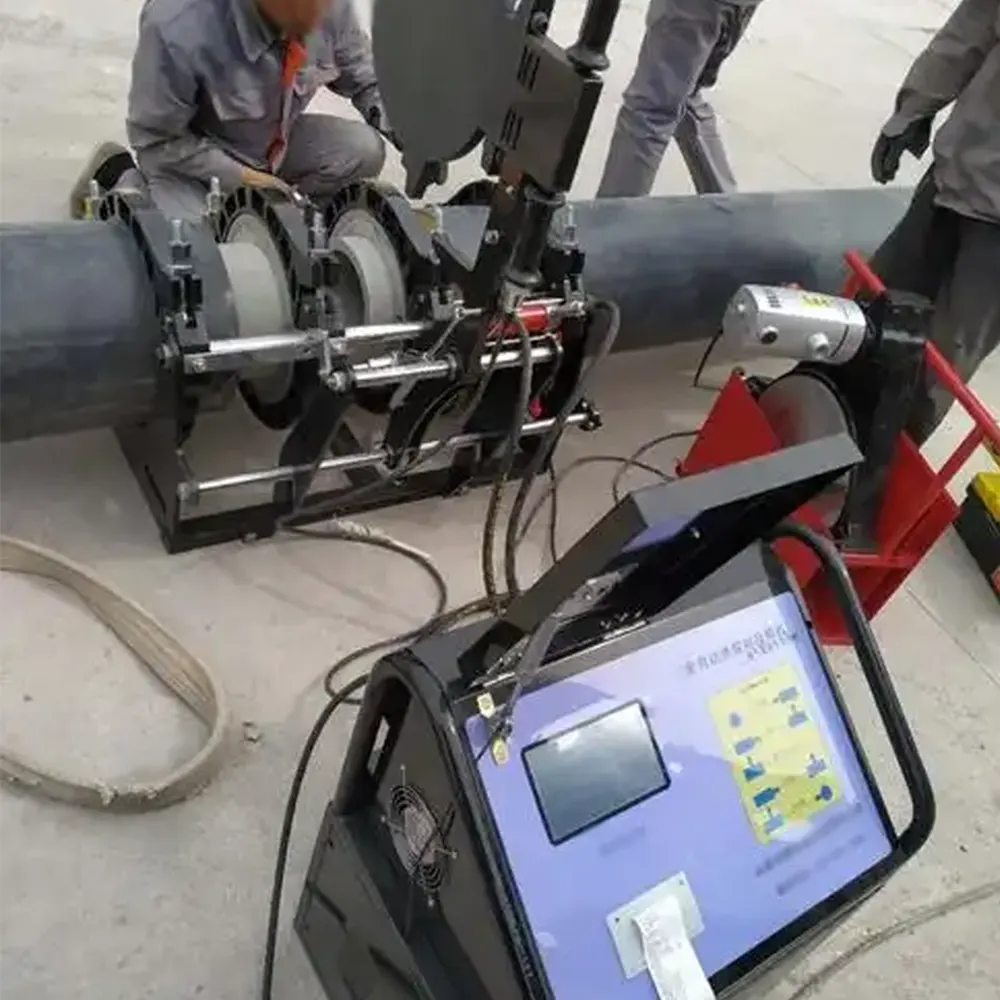
The effectiveness of data logging begins with the reliability of the machine itself. JQ-Fusion specializes in manufacturing CNC automatic butt fusion welding machines equipped with advanced data recording systems. These units are engineered to capture precise drag pressure, thermal profiles, and cycle times, providing unalterable documentation for HDPE pipe welding projects. By integrating robust data tools into durable machine platforms, JQ-Fusion helps contractors and utilities meet the highest standards of traceability and quality assurance globally.



