
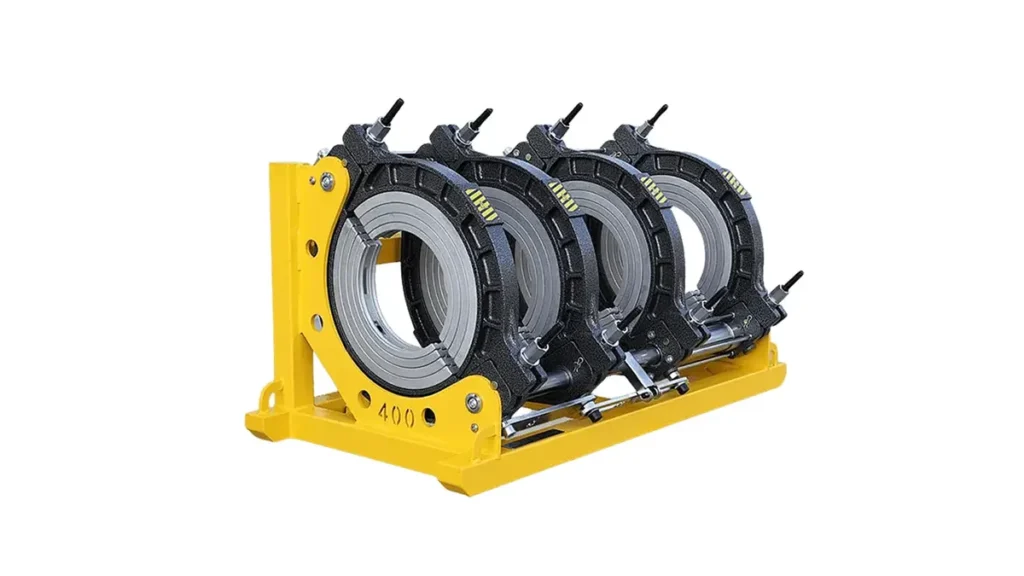
When working with PE80 polyethylene pipes, selecting the right HDPE pipe welding machine for PE80 is critical to ensuring leak-proof, durable joints. PE80 grade material, commonly used in gas distribution, water supply, and industrial piping, exhibits specific melt flow characteristics and pressure ratings that demand precise welding parameters. Whether you are a contractor handling municipal projects or an installer managing rural irrigation networks, understanding the available machine types, their core features, and key procurement factors will directly impact your project’s success and long-term pipeline integrity.
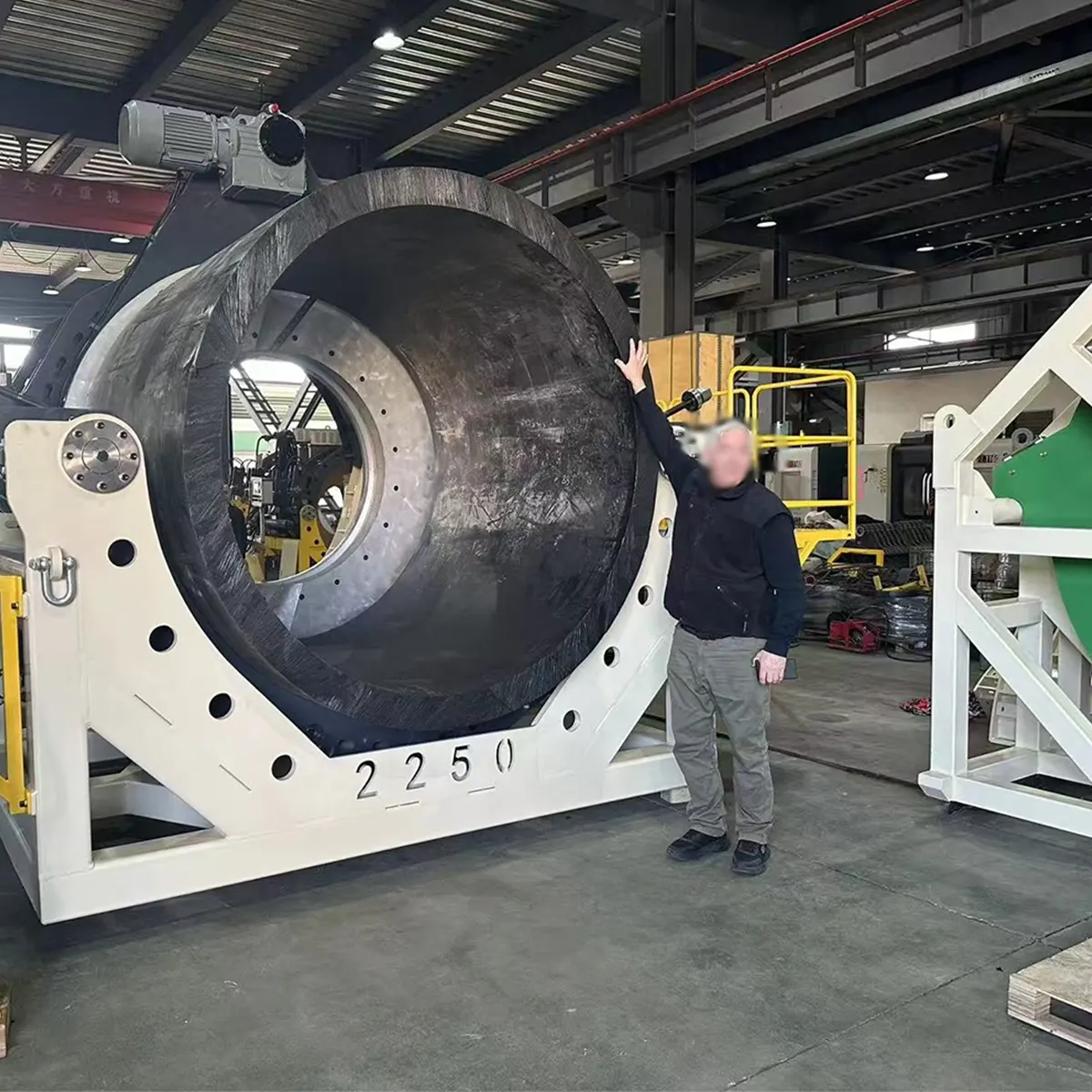
Why Proper Welding Technology Matters for PE80 Material
PE80 medium-density polyethylene pipes possess a Minimum Required Strength (MRS) of 8.0 MPa, making them robust yet slightly less rigid than PE100. During ISO 21307 butt fusion procedures, these pipes require strict adherence to temperature ranges (typically 200°C–220°C) and interfacial pressure standards. Using a general-purpose machine without calibrated temperature control can lead to cold fusion or excessive bead formation. A dedicated HDPE pipe welding machine for PE80 ensures that the heating plate delivers uniform heat distribution and the facing tool trims the pipe ends perfectly square, compensating for the material’s specific thermal expansion coefficient.
Main Types of HDPE Pipe Welding Machines for PE80
To handle different pipe diameters and site conditions, manufacturers offer several configurations. Choosing the right type depends on your pipe range, power availability, and production speed requirements.
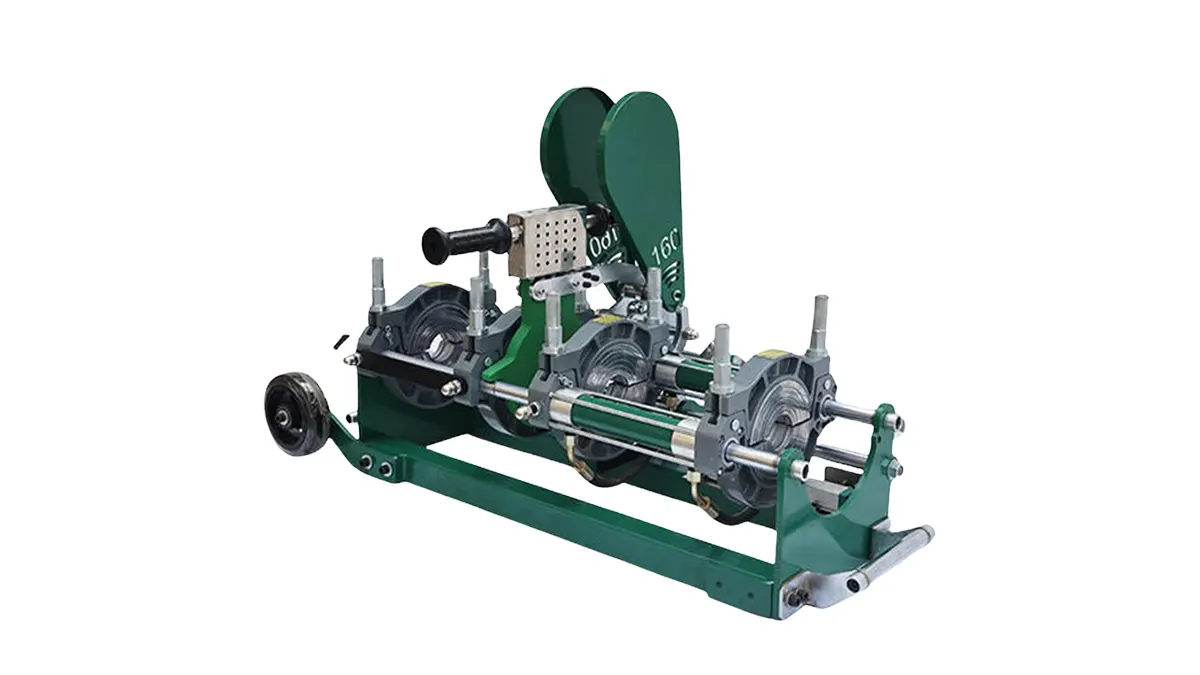
- Manual Butt Fusion Machines
Best suited for small diameters (typically 63mm–315mm) and tight spaces. These lightweight units rely on hand-operated levers to generate fusion force. They are highly portable and ideal for rural PE80 water supply branches where hydraulic power is unavailable. - Hydraulic Butt Fusion Machines
The industry standard for medium to large diameter PE80 pipes (200mm–2000mm+). A hydraulic power pack provides precise, steady force during the heating and cooling stages. This is essential for high-pressure PE80 gas pipelines, as the ASTM F2620 heat fusion standard mandates strict pressure profiles. - CNC Automatic Butt Fusion Machines
For large-scale infrastructure projects, these machines automate the full welding cycle—from facing to cooling. The control system logs and analyzes parameters like drag pressure and soak time, generating traceable data for each PE80 joint. This is increasingly required for nuclear-grade or high-consequence municipal piping.
| Machine Type | Typical PE80 Range | Best Application | Portability |
|---|---|---|---|
| Manual Butt Fusion | 63mm – 315mm | Field repairs, rural irrigation | High |
| Hydraulic Butt Fusion | 200mm – 2000mm+ | Gas mains, water transmission | Medium (requires trolley/crane) |
| CNC Automatic | 160mm – 1200mm | Critical infrastructure, bidding projects | Low (fixed or containerized) |
Key Features to Look For in a PE80 Welding Machine
Not all welding rigs perform equally with medium-density polyethylene. Below are the non-negotiable technical specifications and features to evaluate before buying an HDPE pipe welding machine for PE80.
Precision Heating Plate System
The heating plate must feature dual digital thermostats and a non-stick PTFE coating. PE80 requires the plate surface temperature variance to stay within ±5°C. Any cold spot on the plate will prevent the melt front from forming uniformly, compromising the tie-in pressure. Look for machines that come with a calibrated thermocouple and analog backup gauges.
Rigid Clamp and Frame Alignment
High-quality aluminum clamps with a monobloc frame minimize misalignment during the high-drag phase of PE80 welding. Since PE80 pipes can exhibit slight ovality, especially in cold storage, the frame must have independent jaw inserts that can re-round the pipe. This prevents high-low mismatch, a common defect in manual rigs used on poorly stored coiled pipes.
Hydraulic Control Precision
For hydraulic models, proportional control valves are superior to bang-bang systems. Fine-tuning the pressure allows operators to strictly follow the PPI butt fusion procedure for PE80, which outlines specific interfacial pressures for different SDR ratings. Units with chart recorders or USB data-logging provide verifiable proof of compliance.
Trimmer Durability and Chip Removal
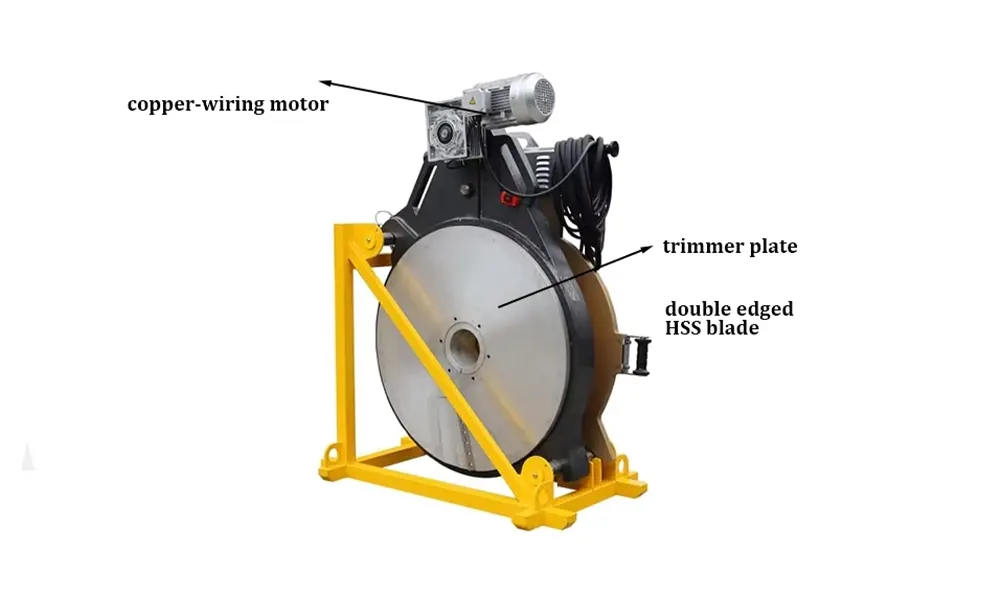
The facing tool must generate continuous, thin shavings from both pipe ends simultaneously. For PE80, a clean face ensures zero contamination at the weld interface. Seek trimmers with sealed bearings and hardened steel blades; these withstand the abrasive nature of some PE80 grades containing carbon black. Efficient chip removal via the guard prevents secondary scraping against the softened ends.
Buying Guide: How to Select the Right Welding Machine
Procurement teams and project managers should assess the following practical dimensions to avoid underutilized capacity or site delays. A structured approach ensures the machine matches the toughest PE80 joint on your critical path.
- Define Your Maximum SDR Schedule
Thinner pipe walls (SDR 17, 21) require gentler pressure profiles. Confirm the machine’s minimum controllable pressure is low enough to avoid mushrooming the bead on thin-walled PE80 tubing. - Account for Site Power Supply
Large hydraulic units may need 3-phase electricity or diesel generators. For remote PE80 gas distribution laterals, a manual or smaller single-phase hydraulic unit reduces mobilization costs. - Verify Component Compatibility
Some machines integrate multi-angle fitting capability. If your PE80 network includes segmented bends and tees, consider a system that supports multi-angle pipe fitting welding to avoid procuring separate equipment. - Check After-Sales Service Availability
Rapid dispatch of spare heating plates, PTFE sheets, and trimmer blades is critical. Look for suppliers with a global distributor network and ready stock for common wear parts. - Insist on Pre-Delivery Testing
Reputable manufacturers test each unit with a dummy weld on PE80 or equivalent grade pipe before shipping. This verifies hydraulics, heating cycle, and timer accuracy.
Application Scenarios for PE80 Welding Systems
The versatility of welded PE80 systems spans multiple sectors. Understanding where your machine will be deployed helps determine the automation level and ruggedness required.
- Natural Gas Distribution
PE80 remains a global favorite for gas laterals operating up to 4 bar. Welders must meet stringent PE gas piping systems codes, often mandating automatic data logging for traceability. - Potable Water Networks
Municipal water mains use PE80 frequently in cooler regions. The smooth bore and fully restrained fusion joints eliminate thrust block needs, making hydraulic rigs the workhorse for this segment. - Mining Slurry and Industrial Effluent
Abrasive slurries demand thick-walled PE80. Welders must achieve perfectly smooth internal beads to prevent turbulence and accelerated wear at joints.
Maintenance and Operator Best Practices
Even the most advanced HDPE pipe welding machine for PE80 will produce flawed joints without proper care. Daily maintenance extends service life and ensures consistent bead morphology.
Operators should clean the heating plate surface with a non-abrasive cloth while warm, never scraping with metal tools. PTFE surface integrity directly impacts heat transfer into PE80 pipe ends. Trimmer blades require weekly inspection; blunt blades smear the PE80 surface instead of cutting cleanly, introducing wax-like contaminants into the weld zone. Calibration checks using a bead gauge should follow the pipe manufacturer’s recommendations, typically every 50 joints or after any machine relocation.
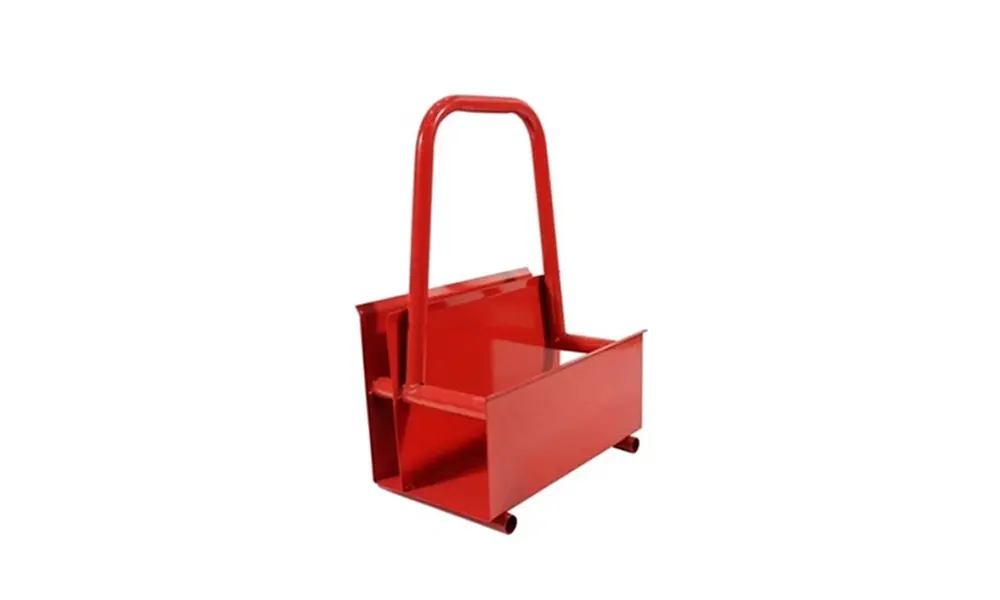
For organizations seeking a dependable HDPE pipe welding machine for PE80, JQ-Fusion delivers a comprehensive portfolio of manual, hydraulic, and automatic butt fusion solutions engineered specifically for medium-density polyethylene. Each unit ships with calibrated heating plates, rigid aluminum clamps, and verified weld parameter documentation to support ISO and ASTM compliance on your project site.
Explore our product range and technical resources at JQ-Fusion or browse the full product catalog to identify the optimal configuration for your PE80 pipeline scope.



