
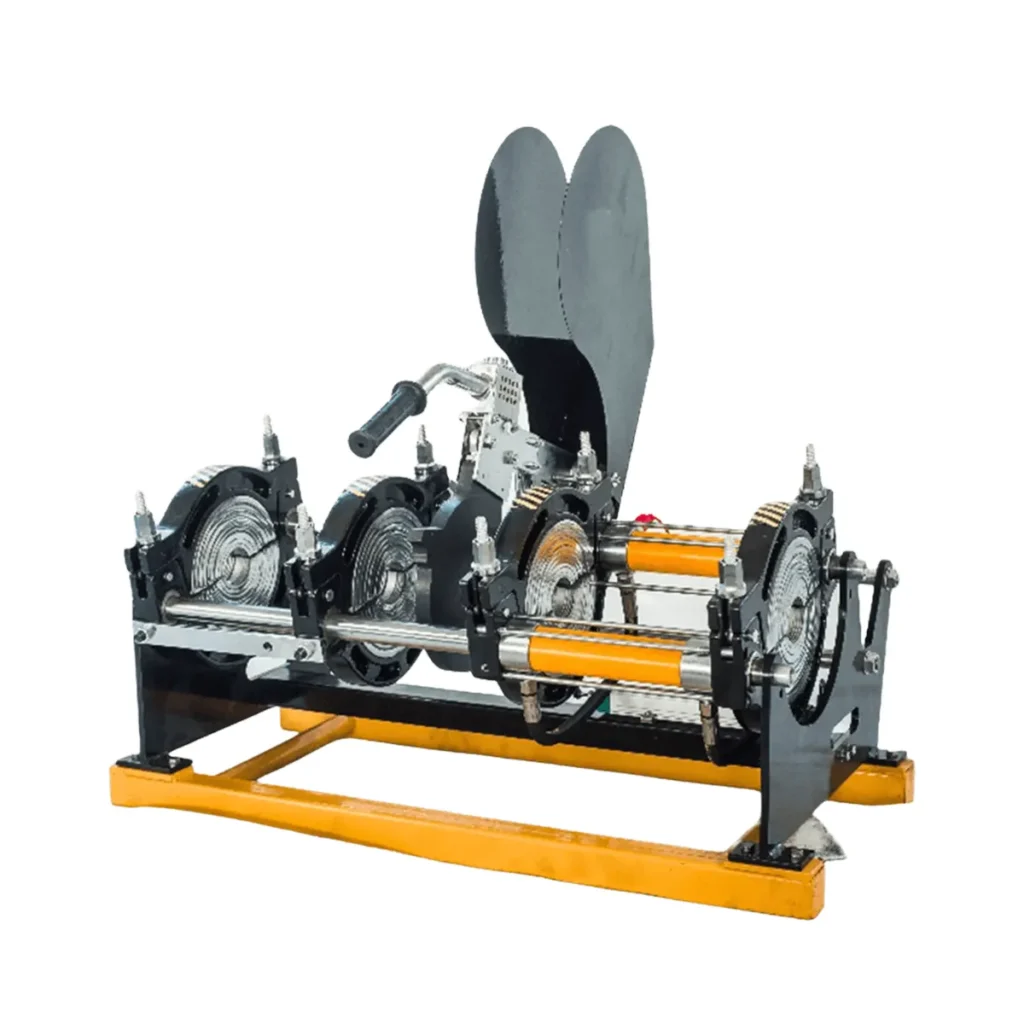
When constructing or maintaining municipal water distribution networks, the integrity of pipe joints is everything. A poorly welded joint can lead to catastrophic leaks, service interruptions, and costly repairs. Selecting the right butt fusion machine for water pipelines is not just a purchasing decision—it is a long-term investment in infrastructure reliability. This guide walks you through the essential factors in choosing and using butt fusion welding equipment, helping contractors, utility managers, and procurement specialists make informed decisions.
Understanding Butt Fusion in Water Pipeline Systems
Butt fusion is a thermal welding process that joins two ends of HDPE (High-Density Polyethylene) pipes by heating them simultaneously against a temperature-controlled plate, then pressing them together under controlled pressure. The result is a homogeneous, leak-proof joint that is often stronger than the pipe itself. For potable water, raw water transmission, and sewer force mains, butt fusion remains the preferred joining method due to its durability and zero-leak performance over decades of service.
The process relies on four critical parameters: temperature, pressure, time, and alignment. Any deviation can compromise joint integrity. This is why choosing equipment that adheres to recognized standards such as ISO 21307 butt fusion procedures and PE butt fusion equipment standard is essential for water pipeline projects.
Types of Butt Fusion Machines for Water Projects
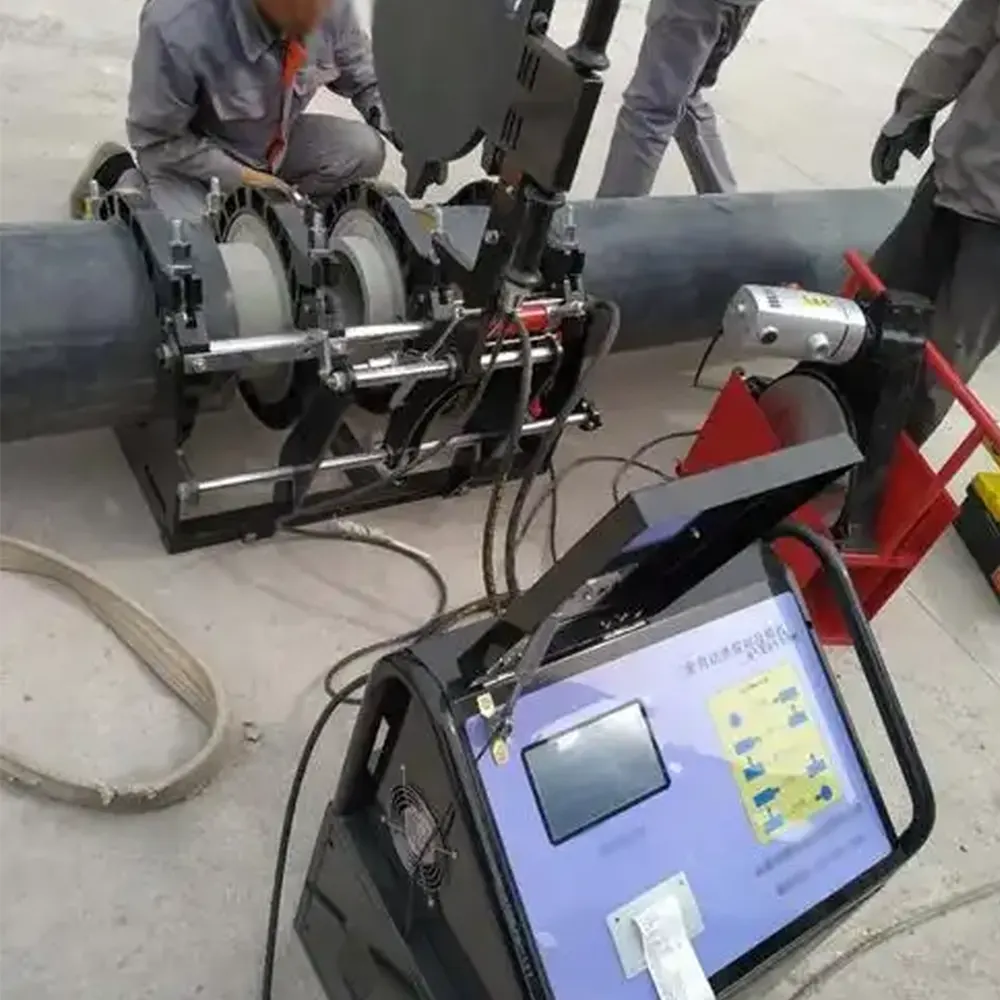
Butt fusion machines come in several configurations, each suited to different pipe diameter ranges and project scales. Understanding the distinctions helps match the right machine to your operational requirements.
| Machine Type | Pipe Range | Best For | Key Advantage |
|---|---|---|---|
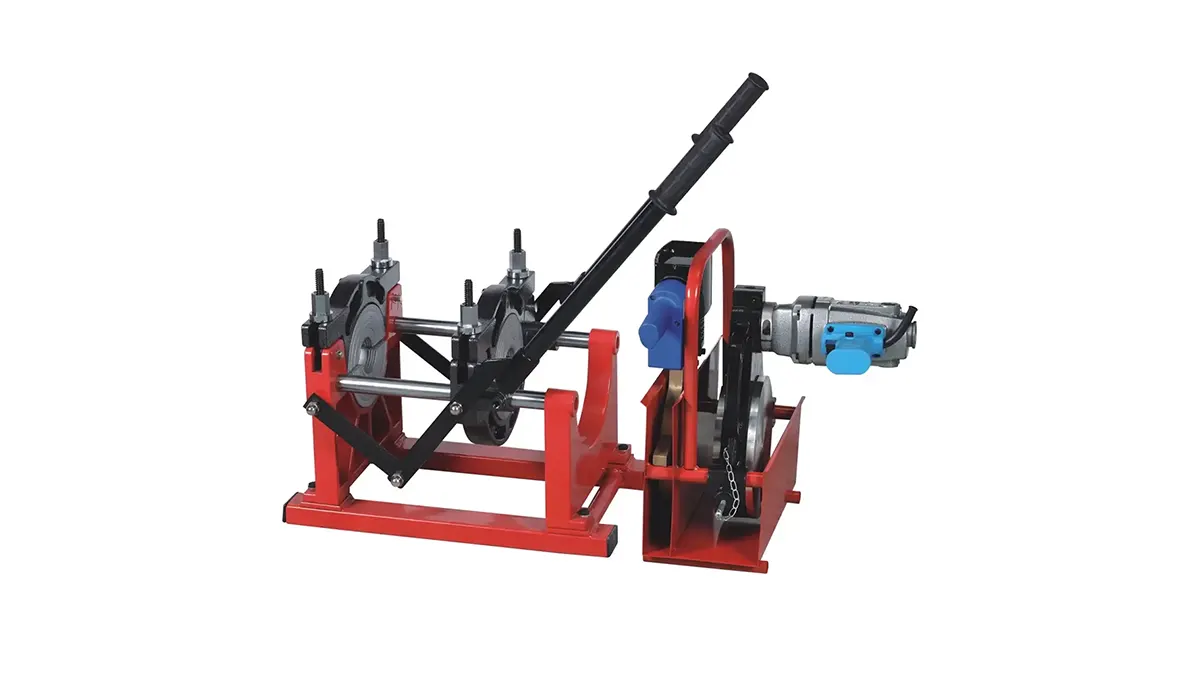
| Manual Butt Fusion | 20mm – 315mm | Small-diameter water lines, rural distribution | Lightweight, affordable, easy transport |
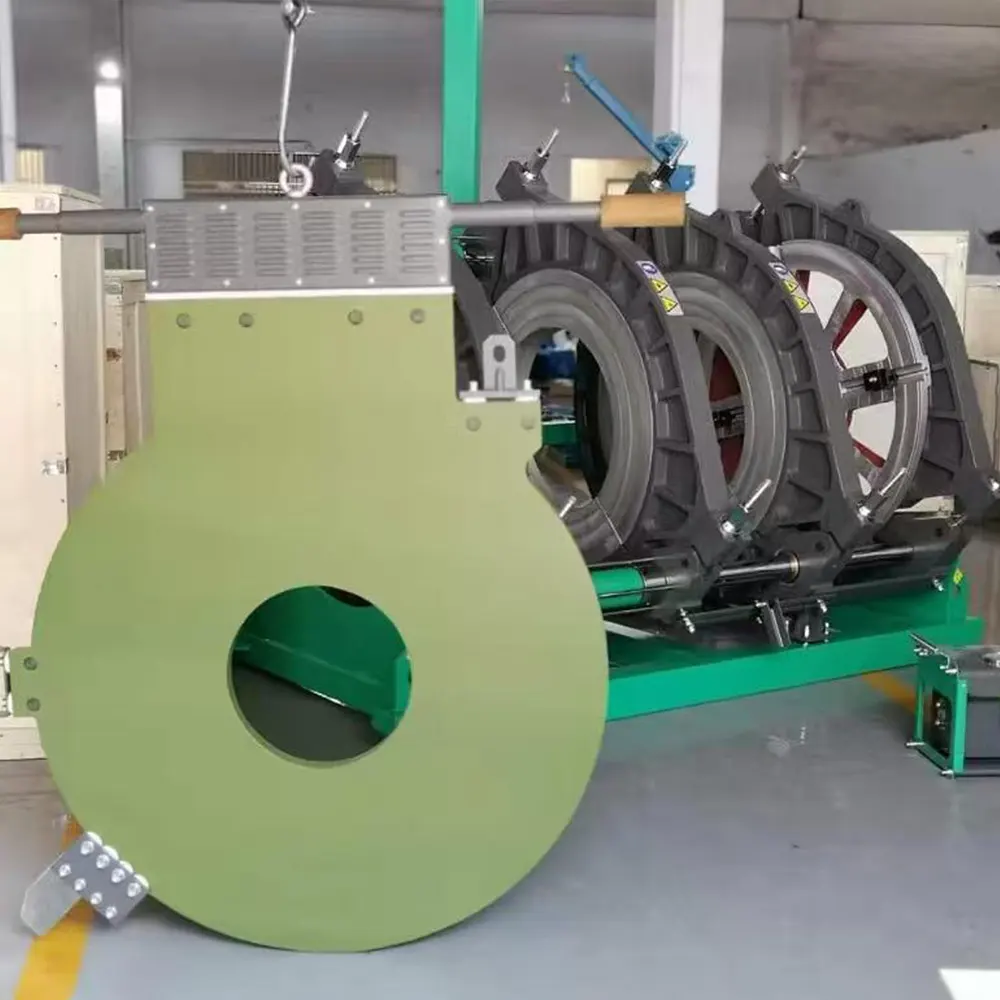
| Hydraulic Butt Fusion | 160mm – 2250mm | Municipal water mains, large-diameter transmission | High clamping force, precise pressure control |
| CNC Automatic Butt Fusion | 160mm – 630mm | High-volume projects, quality-critical water systems | Data logging, automated cycle, reduced operator error |
Key Selection Criteria for Water Pipeline Welding Equipment
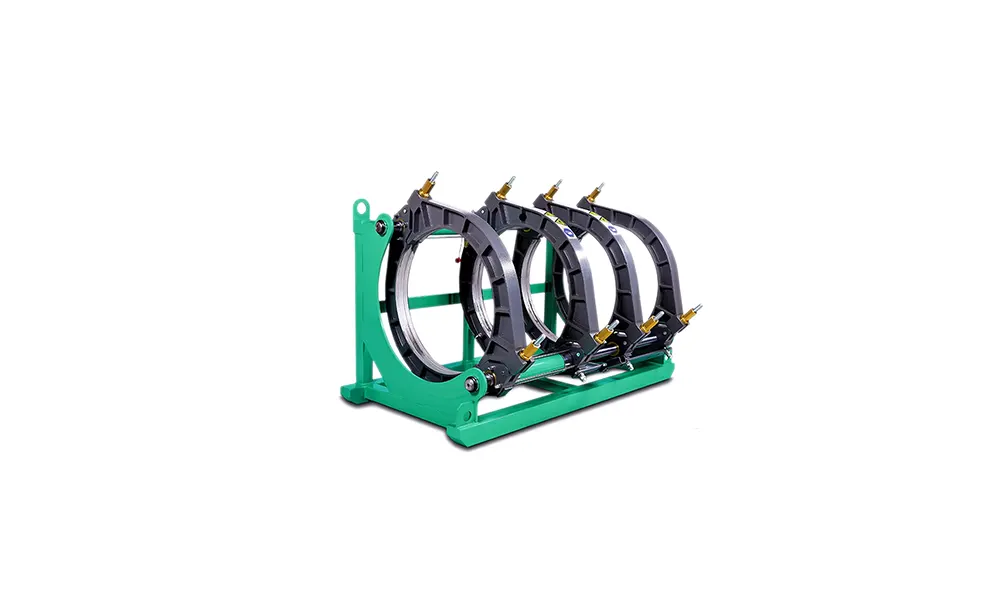
Choosing the right butt fusion welding equipment involves evaluating several critical factors beyond just pipe diameter. Here is what experienced project managers consider before procurement:
Pipe Material and SDR Compatibility
Water pipelines typically use PE100 or PE4710 resins with varying Standard Dimension Ratios (SDR). Your machine must accommodate the specific wall thickness and diameter range. Machines designed for ISO 4427 PE water pipes ensure compatibility with internationally recognized pipe specifications. Always verify that the clamping system can handle the full SDR range you expect to encounter on the job site.
Operating Environment
Water pipeline installation often occurs in challenging conditions—remote terrain, trenches with limited space, or extreme weather. A hydraulic butt fusion welding machine with a robust frame and weather-resistant hydraulic station performs reliably in outdoor environments where manual machines may struggle with larger diameters. Consider the terrain accessibility when deciding between tracked, skid-mounted, or trailer-mounted configurations.
Fusion Data Recording
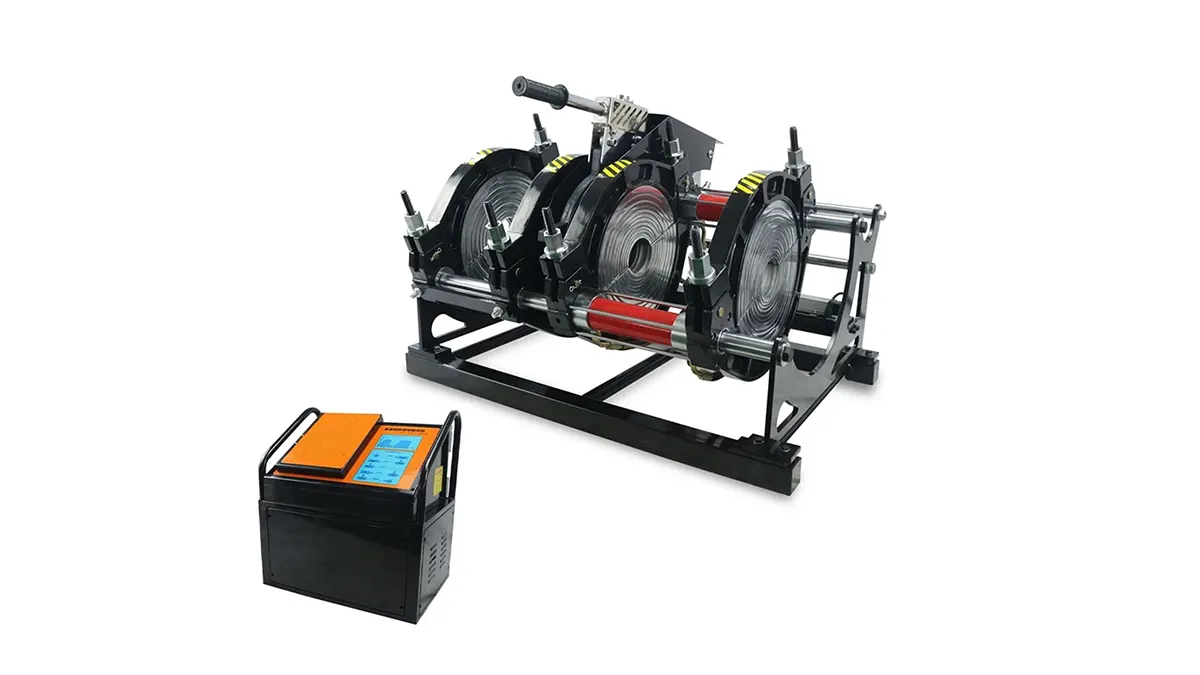
For municipal water projects, traceability is increasingly mandatory. Modern automatic butt fusion welding machines record every parameter—temperature, soak time, fusion pressure, and cooling duration—creating a permanent digital record for each joint. This documentation is invaluable for quality assurance audits and long-term asset management.
Step-by-Step Butt Fusion Welding Procedure
Following a standardized procedure is the foundation of every successful fusion joint. Below is the essential workflow based on industry best practices and PPI butt fusion procedure guidelines:
- Pipe Preparation: Clean both pipe ends thoroughly. Remove all dirt, grease, and oxidation. Square the pipe ends using the trimmer until continuous shavings appear from both sides.
- Alignment Check: Secure pipes in the clamps and verify axial alignment. Misalignment exceeding 10% of wall thickness must be corrected before proceeding.
- Heating Plate Temperature Verification: Confirm the heating plate surface temperature matches the recommended range (typically 200°C – 230°C for PE pipes). Use a calibrated surface thermometer.
- Bead-Up Phase: Bring pipe ends into contact with the heating plate under controlled pressure to form an initial melt bead around the circumference.
- Soak Phase: Reduce pressure to near-zero while maintaining contact. This allows heat to penetrate through the pipe wall without excessive material displacement.
- Plate Removal: Separate the pipes, remove the heating plate quickly and smoothly, then immediately bring the molten ends together.
- Fusion and Cooling: Apply the specified fusion pressure and hold throughout the cooling period. Do not disturb the joint or release clamps until the cooling time is complete.
- Visual Inspection: After cooling, inspect the double bead size and shape. A uniform, symmetrical bead on both sides indicates a proper fusion joint.
Common Mistakes and How to Avoid Them
Even with quality equipment, procedural errors can compromise water pipeline joints. Here are the most frequent issues encountered in the field:
- Insufficient Trimming: Skipping or rushing the facing operation leaves oxidized surfaces that prevent proper molecular bonding. Always trim until continuous, even shavings appear.
- Incorrect Heating Temperature: A plate that is too hot degrades the polyethylene; too cold prevents proper melting. Verify temperature before every joint, not just at the start of the day.
- Delayed Plate Removal: Hesitation between plate removal and pipe joining allows the melt surface to cool and oxidize. Aim for a transfer time under 3 seconds for smaller diameters.
- Premature Clamp Release: Releasing pressure or removing clamps before the full cooling period causes joint deformation and potential leaks. Follow the manufacturer’s cooling time chart strictly.
- Inadequate Operator Training: Even the best butt fusion machine cannot compensate for untrained personnel. Invest in proper certification aligned with heat fusion operator qualification standards.
Maintenance Practices for Long Machine Life
A well-maintained butt fusion machine delivers consistent weld quality and extends equipment lifespan significantly. Implement these daily and periodic maintenance routines:
- Heating Plate Care: Clean the PTFE-coated surfaces after each use with a non-abrasive cloth. Inspect for scratches or coating damage that could cause pipe material sticking.
- Trimmer Blade Inspection: Dull trimmer blades produce rough pipe faces and increase operator fatigue. Rotate or replace blades according to the manufacturer’s schedule.
- Hydraulic System Checks: For hydraulic models, inspect hoses for wear, check fluid levels, and test pressure gauges regularly. A leaking hydraulic system can cause inconsistent fusion pressure.
- Clamp Alignment Verification: Periodically verify that clamps remain parallel and properly aligned. Dropped or roughly handled machines can develop misalignment over time.
- Electrical Safety: Inspect power cords, plugs, and temperature controllers for damage. In wet trench environments, electrical integrity is a critical safety concern.
Why Equipment Quality Matters for Water Infrastructure
Water pipelines operate under continuous pressure and must maintain integrity for 50 years or more. Inferior welding equipment introduces risks that only become apparent years after installation—when excavation and repair costs multiply. Investing in machines that comply with ASTM F2620 heat fusion standards and are manufactured with precision components protects both the installer’s reputation and the community’s water security.
JQ-Fusion is a professional manufacturer specializing in HDPE pipe welding machines, providing reliable butt fusion solutions for global infrastructure projects. Their product range spans manual, hydraulic, and CNC automatic machines covering pipe sizes from 20mm to over 2000mm, with a strong focus on consistent heating performance and precise alignment. For water supply contractors seeking equipment that balances durability with value, exploring their full product lineup is a practical starting point.
Key Takeaways for Buyers
- Match the machine type—manual, hydraulic, or automatic—to your pipe diameter range and project volume.
- Prioritize equipment that supports data logging if your water authority requires fusion traceability.
- Verify that machines meet recognized international standards for butt fusion machine for water pipelines applications.
- Factor in after-sales support, spare parts availability, and operator training when evaluating suppliers.
- Regular maintenance and proper operator certification are as important as the machine itself for achieving reliable, long-lasting fusion joints.
For further technical guidance, consult the PPI Handbook of Polyethylene Pipe and the comprehensive resources available through the PE100+ technical guidance portal. These authoritative references provide deeper insight into material science, joint design, and quality assurance protocols for HDPE water piping systems.



