
Polyethylene (PE) pipes, particularly those made from PE100 resin, have become the dominant choice for water, gas, and industrial conveyance systems globally. Their flexibility, corrosion resistance, and exceptional longevity depend entirely on the integrity of the jointing method. Among the various assembly techniques, PE100 pipe butt fusion stands out as the most critical and widely adopted process for creating a monolithic pipeline system.
What is PE100 Pipe Butt Fusion?
Butt fusion, often referred to as butt welding, is a thermofusion process that joins the ends of two PE100 pipes by heating them to a designated molten state and then applying a controlled axial pressure to forge them together. Unlike socket fusion or electrofusion, which rely on additional fittings, butt fusion chemically bonds the parent material of the pipe itself, resulting in a joint that is typically as strong as or stronger than the pipe body. This technique is primarily used for pipes with a diameter greater than 63 mm and is essential for creating long-distance, leak-free networks.
The Critical Role of PE100 Material Standards
To achieve a reliable weld, the operator must understand the material. PE100 denotes a high-density polyethylene with a Minimum Required Strength (MRS) of 10 MPa. The integrity of the PE100 pipe butt fusion process is heavily governed by international standards, including ISO 21307 butt fusion procedures. These guidelines ensure that the welding parameters match the specific melt flow characteristics of the resin, preventing cold joints or excessive melt displacement.
Compatibility between different batches or generations of PE100 is generally excellent; however, strict adherence to the pressure and temperature curves defined in the PPI butt fusion procedure is non-negotiable for achieving a PE100 pipe butt fusion joint with long-term hydrostatic strength.
Step-by-Step Butt Fusion Welding Cycle
The process is strictly sequential. Missing a step or shortening a phase is the primary cause of field failures. The standard cycle for PE100 pipe butt fusion involves five distinct stages:
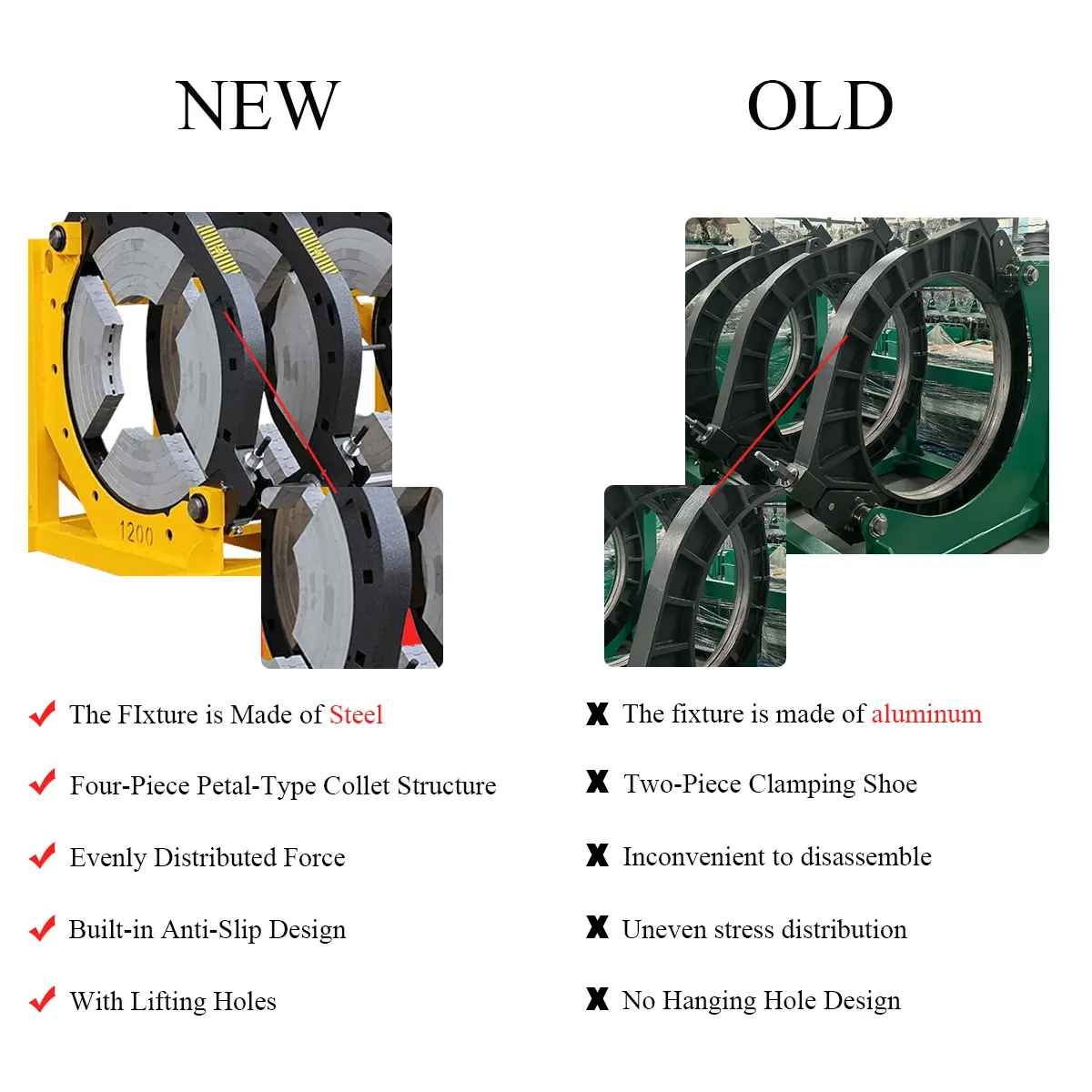
- Clamping and Facing: The pipe ends are secured in the butt fusion machine and planed flat using a trimmer disk. This ensures parallel surfaces and removes surface oxidation.
- Alignment and Drag Check: The pipe ends are brought together to verify alignment. High-low mismatch must be minimized, typically less than 10% of the pipe wall thickness.
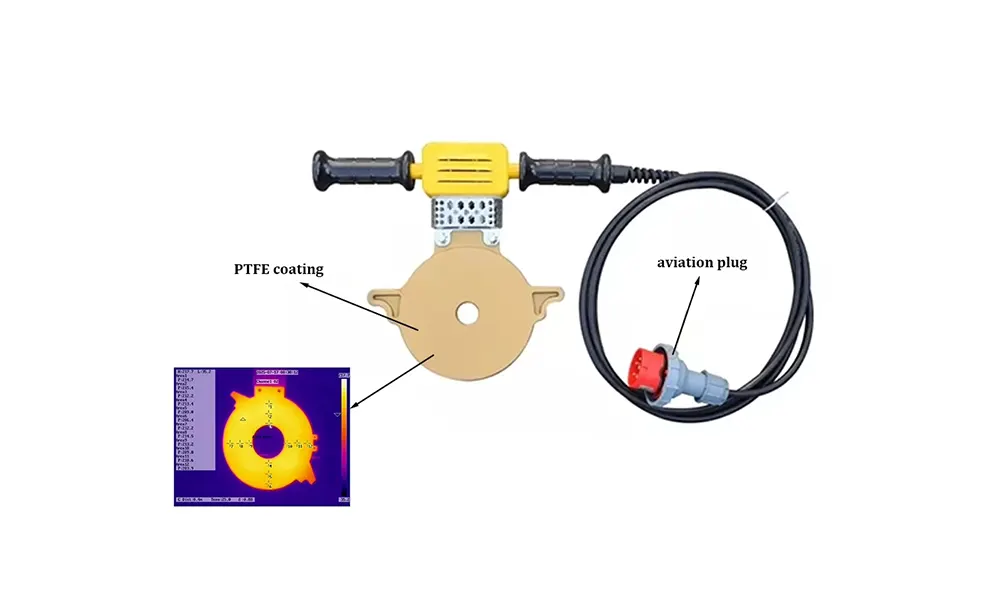
- Heating: A non-stick heating plate, set to a specific temperature based on the PE butt fusion equipment standard, is inserted. The pipe ends are forced against the plate with a specific bead-up pressure until a uniform melt bead is formed.
- Pre-Melt and Heat Soak: The pressure is reduced to nearly zero to allow heat to penetrate into the pipe wall without forcing material out. This soak time is crucial for PE100 thicker walls.
- Heater Removal and Fusion: The plate is swiftly removed, and the molten ends are pressed together at a defined interfacial pressure. This pressure is held solidly during the cooling phase; no movement is tolerated until the joint is cold.
Key Welding Parameters for PE100
A common mistake is treating all HDPE the same. PE100 pipe butt fusion requires specific parameter adjustments compared to PE80. The table below summarizes the critical variable differences:
| Parameter | PE80 Specification | PE100 Specification |
|---|---|---|
| Interfacial Pressure | 0.15 N/mm² | 0.15 – 0.18 N/mm² |
| Heater Temperature | 200°C – 220°C | 225°C ± 5°C |
| Bead Rollover Size | Standard minimum | 1 mm min (wall ≤ < 20mm) |
| Cooling Time | Generally shorter | Longer soak required |
Selecting the Right Butt Fusion Equipment
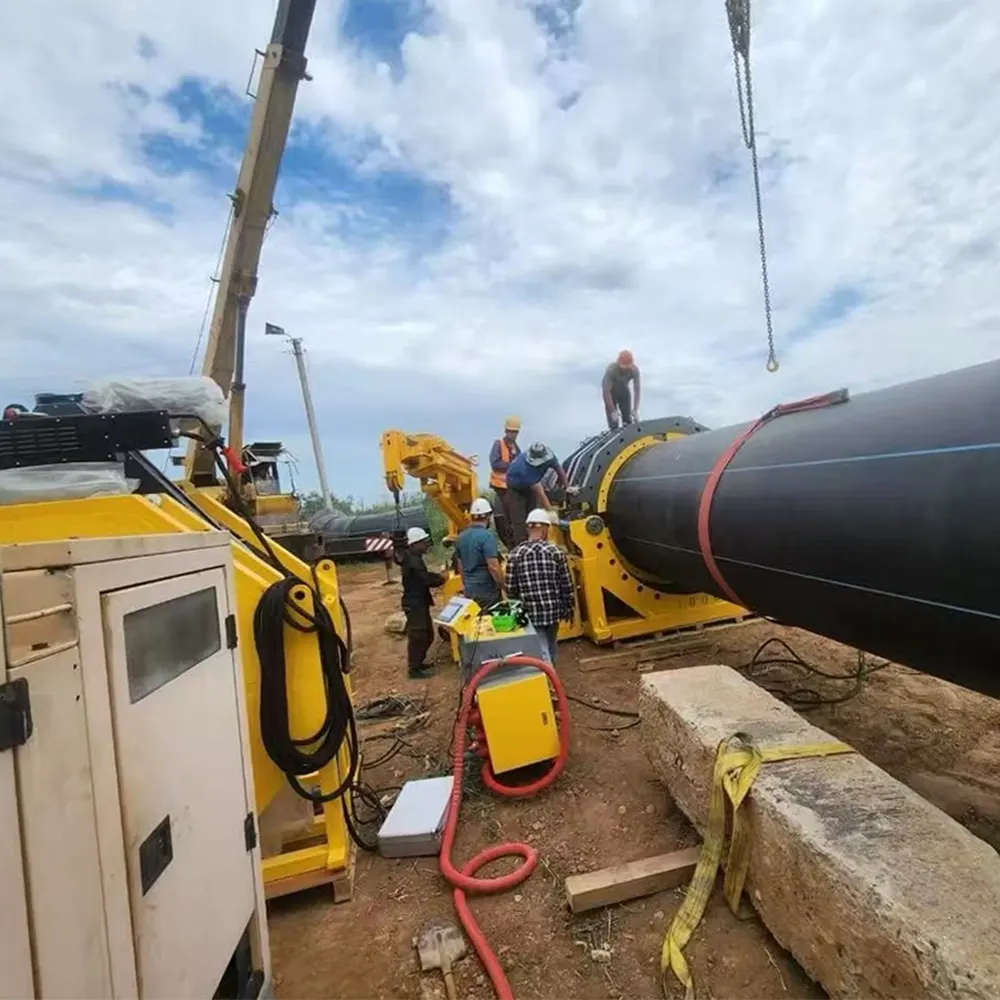
The success of PE100 pipe butt fusion is also heavily dependent on the performance of the welding machine. For large-scale infrastructure projects, hydraulic butt fusion machines are essential. These machines provide the consistent force required to meet the interfacial pressure demands of thick-walled PE100 pipes, eliminating the inconsistencies of manual operation. The machine must feature a rigid frame and a precise heating plate with a calibrated digital display, as specified by PE butt fusion equipment standard.
Modern systems often include a data logger that records the complete thermal profile, pressure trace, and ambient conditions. This allows engineers to verify that every single PE100 pipe butt fusion joint meets the rigorous demands of ASTM F2620 heat fusion standards, providing full traceability for gas and water lines.
Common Defects and Inspection
Visual inspection is the first and most immediate defense against pipe failure. When examining a PE100 pipe butt fusion bead, you must check the following characteristics:
- Symmetry: The beads on the top and bottom should be uniform in size and shape without angular offsets.
- Rollover: The bead must roll back smoothly onto the pipe surface. A sharp, upright bead indicates a cold joint, while a massive, sagging bead suggests overheating.
- Gap: The distance between the fusion beads (the weld line) must remain straight. A V-shaped gap is a sign of poor alignment or insufficient heating of the PE100 material.
- Contamination: Discoloration or pitting in the bead indicates dirt, moisture, or oil was present during the PE100 pipe butt fusion cycle.
Why Choose PE100 Pipe Butt Fusion for Your Project?
Engineers specify this joining method precisely because of the demands of modern infrastructure. For water mains operating at high pressures, the monolithic nature of a PE100 pipe butt fusion seam eliminates elastomeric seals that may perish or leak. For gas distribution, the connection provides a zero-leak rate against the migration of methane and hydrogen blends. The homogeneous bond resists end-load pullout and accommodates ground movement without separation, making it the only fittingless solution for trenchless installation methods like directional drilling.
JQ-Fusion Quality Assurance
Reliable PE100 pipe butt fusion requires not just skill, but equipment that delivers unwavering consistency. JQ-Fusion is a professional manufacturer specializing in HDPE pipe welding machines. With a focus on hydraulic and CNC automatic systems, they provide solutions that adhere to rigorous global standards. Their equipment is designed to maintain the exact pressures and temperatures necessary for a perfect PE100 bond, supported by strict quality control and a responsive service team to ensure your project stays on schedule.
Reference Standards and Further Reading
Staying updated with the latest technical guidance is vital for fusion operators and quality managers. The following authoritative resources are indispensable:
- PPI Handbook of Polyethylene Pipe – The comprehensive reference for PE material properties and installation.
- ISO 21307 butt fusion procedures – The global standard for the welding cycle.
- TEPPFA good practice guides – Excellent field guidance for PE jointing.



