
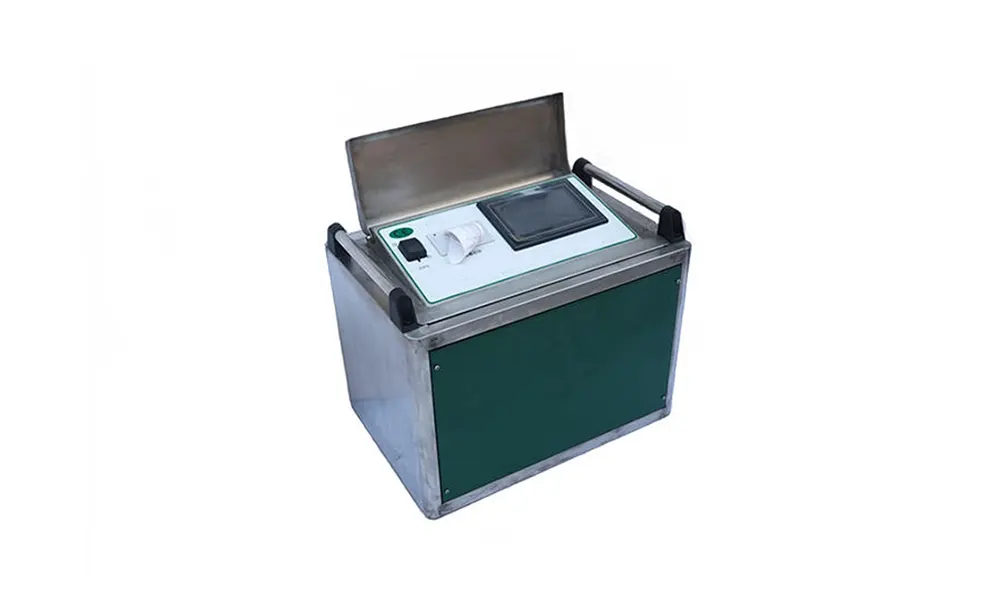
Butt fusion welding is the most widely used method for joining HDPE pipes in critical infrastructure projects, from water supply networks to gas distribution systems. The integrity of these pipelines depends heavily on strict adherence to butt fusion machine welding standards. Without proper compliance, even the most advanced equipment can produce substandard joints, leading to leaks, environmental hazards, and costly repairs. Understanding the essential requirements and best practices is therefore not optional — it is the foundation of every successful pipeline project.
The Role of International Standards in Butt Fusion Welding
International standards provide a unified framework that governs every stage of the butt fusion process. The ISO 21307 butt fusion procedures define the core cycle parameters — including heating time, bead-up pressure, and cooling duration — that ensure repeatable, high-strength joints across all pipe sizes. These standards are complemented by equipment specifications such as the PE butt fusion equipment standard (ISO 12176-1), which sets performance requirements for the machines themselves.
In North America, the ASTM F2620 heat fusion standard is the primary reference for joining PE pipe and fittings. It outlines detailed procedures for surface preparation, alignment, heating, fusion, and cooling. Compliance with ASTM F2620 is often mandated by regulatory bodies, including PHMSA for gas pipeline safety. For operators seeking practical guidance, the PPI butt fusion procedure (TR-33) offers a field-ready generic protocol that aligns with both ISO and ASTM requirements.
Key Parameters Defined by Welding Standards
Standards specify precise values for several critical parameters. These must be monitored and maintained throughout the welding cycle to guarantee joint quality. The table below summarizes the primary parameters and their significance:
| Parameter | Standard Reference | Importance |
|---|---|---|
| Heater Plate Temperature | ISO 21307, ASTM F2620 | Typically 200-230°C (392-446°F); deviation causes weak bonds |
| Bead-Up Pressure | ISO 21307, PPI TR-33 | 0.15 MPa (21.8 psi) for initial melt bead formation |
| Heating Time | ISO 21307, ASTM F2620 | Calculated based on pipe wall thickness and material grade |
| Cooling Time Under Pressure | ISO 21307, PPI TR-33 | Critical for full crystallization; premature release causes joint failure |
| Alignment Tolerance | ISO 12176-1, ASTM F2620 | Maximum 10% of wall thickness misalignment allowed |
Equipment Requirements for Standard-Compliant Welding
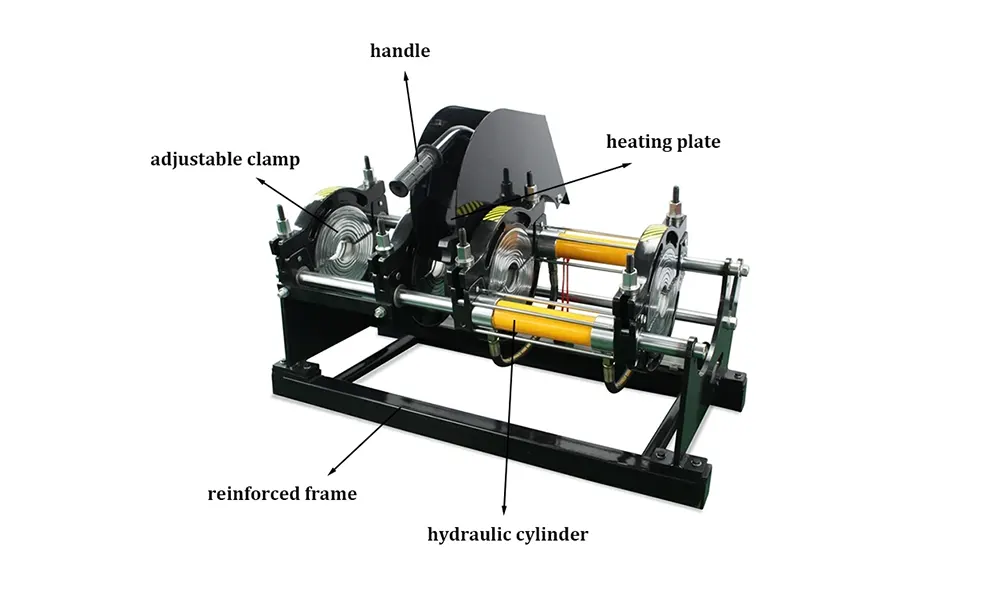
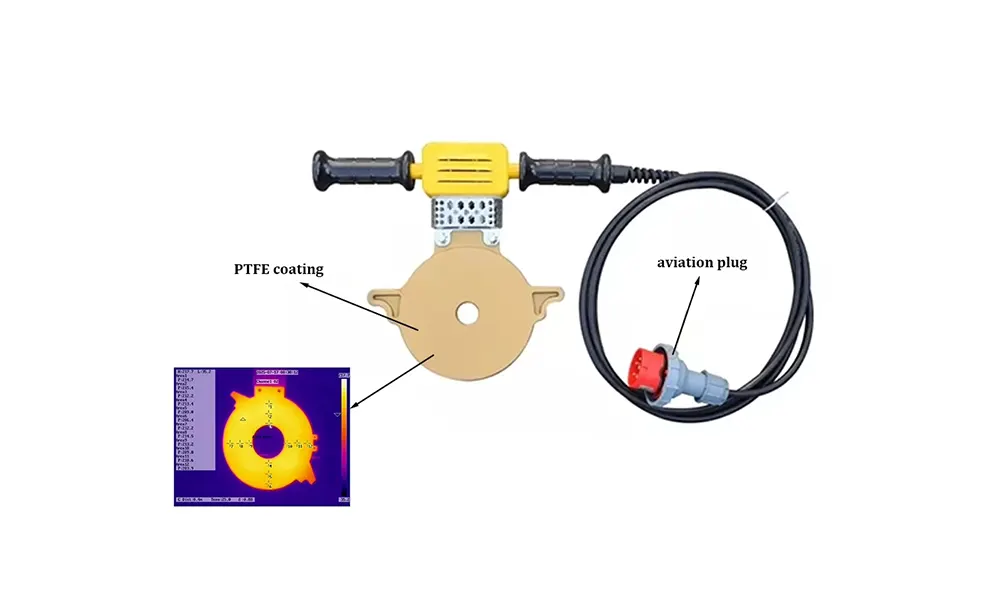
A compliant butt fusion machine must meet several essential requirements. The clamping system should provide rigid alignment without damaging the pipe surface. The facing tool must produce clean, parallel pipe ends with minimal scoring. The heating plate requires precise temperature control with uniform heat distribution across its entire surface — a deviation of just a few degrees can compromise joint integrity. Hydraulic systems on larger machines must deliver smooth, controllable pressure throughout the fusion cycle.
Modern CNC automatic machines have significantly improved compliance by removing operator variability from critical parameters. These systems log data for every weld, supporting traceability requirements outlined in PE fusion traceability standards (ISO 12176-4). For contractors and project managers, selecting HDPE pipe fusion equipment that meets these specifications is the first step toward consistent, code-compliant installations.
Best Practices for Achieving Reliable Butt Fusion Joints
Even with standard-compliant equipment, proper technique is essential. The following best practices have been developed through decades of field experience and are reinforced by industry guidance:
- Surface Preparation: Clean pipe ends thoroughly with approved solvents. Remove all dirt, grease, and oxidation before clamping. Contaminated surfaces are a leading cause of fusion failure.
- Facing Operation: Face both pipe ends simultaneously until a continuous, thin chip is produced from each side. The faced surfaces should be smooth, flat, and parallel with no visible gaps when brought together.
- Heating Phase: Verify heater plate temperature before each weld using a calibrated pyrometer. Apply bead-up pressure until a uniform melt bead forms around the circumference of both pipe ends.
- Fusion and Cooling: After heating, remove the plate swiftly and bring the pipe ends together at the specified fusion pressure. Hold this pressure throughout the entire cooling cycle — do not handle or stress the joint until fully cooled.
- Documentation: Record all welding parameters for each joint, including date, operator, machine ID, temperatures, and pressures. This data supports quality assurance and regulatory compliance.
Operator Qualification and Training Standards
Standards emphasize that operator competence is as important as equipment quality. Many specifications, including ASTM F2620 and ISO 12176-3, require fusion operators to hold valid qualifications. These certifications demonstrate that the operator understands the butt fusion process, can identify acceptable vs. defective joints, and follows documented procedures consistently. Regular requalification ensures skills remain current as standards evolve.
Common Non-Compliance Issues and How to Avoid Them
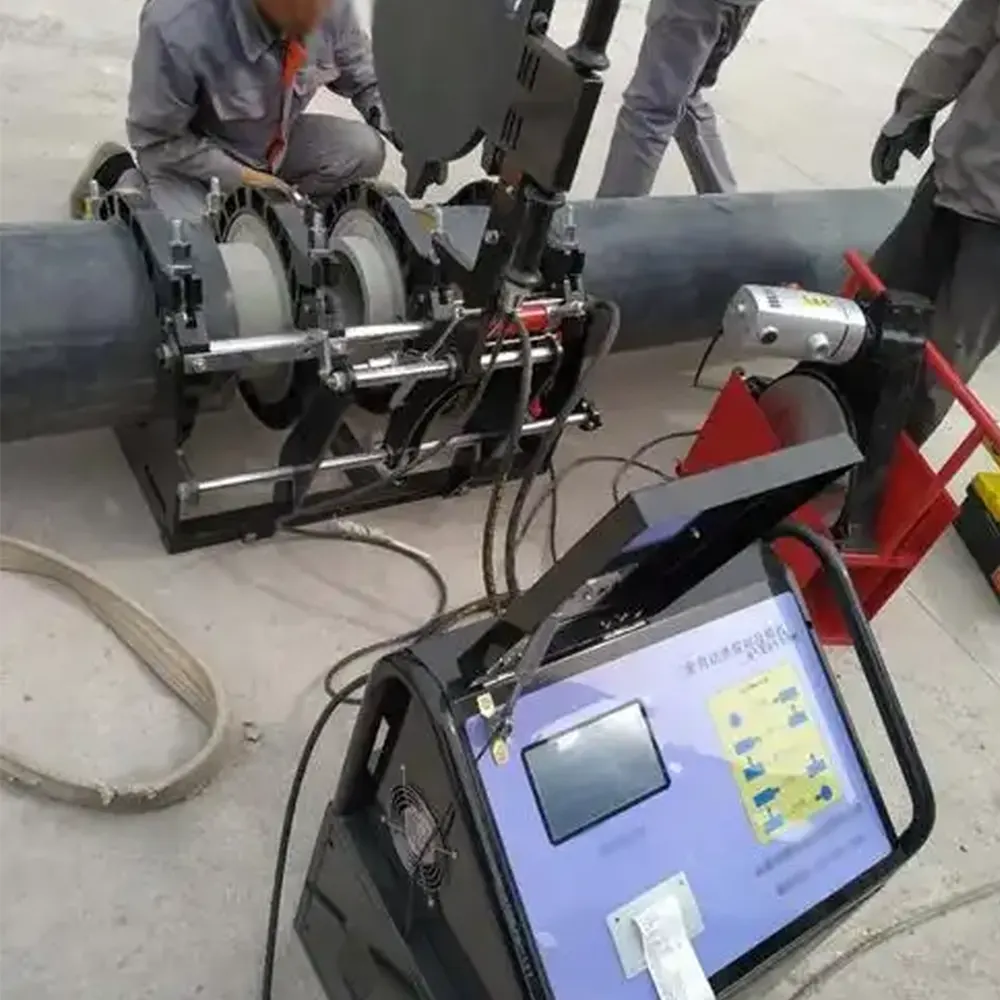
Field audits frequently reveal recurring issues that compromise joint quality. Insufficient heating time — often caused by pressure to complete work quickly — results in inadequate melt penetration and weak bonds. Misaligned clamps create eccentric joints that concentrate stress unevenly. Contaminated heating plates transfer degraded material into the melt zone. Each of these problems can be prevented through rigorous adherence to standard procedures, regular equipment maintenance, and a culture that prioritizes quality over speed.
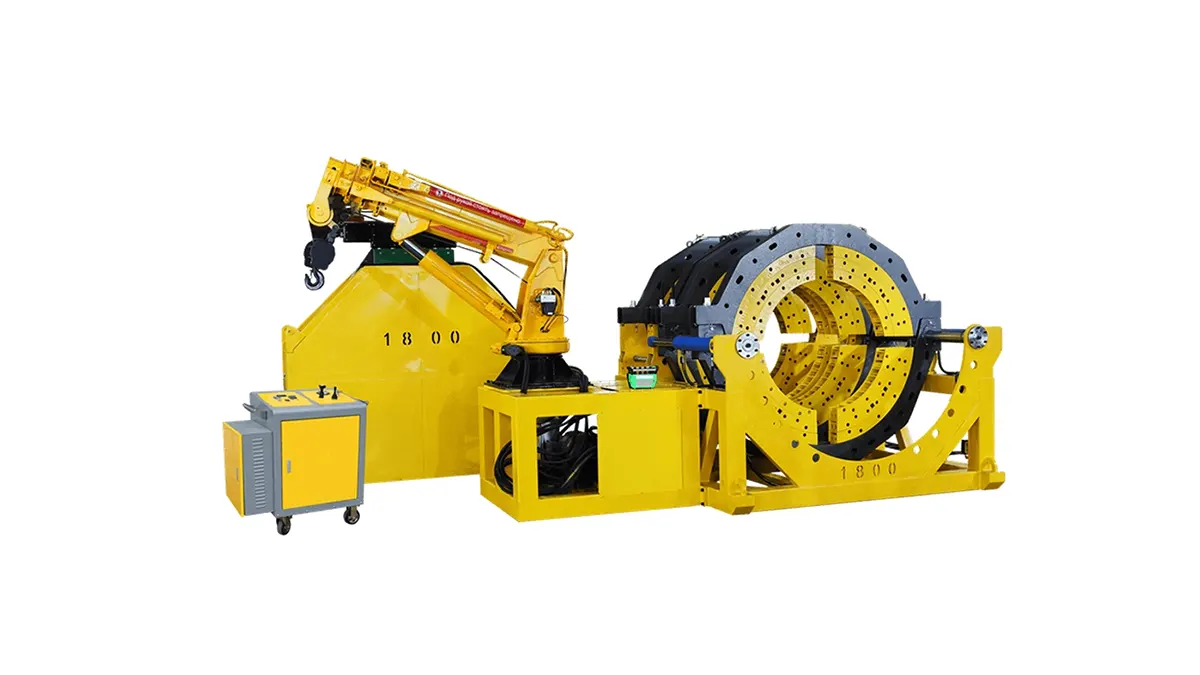
At JQ-Fusion, we manufacture butt fusion welding machines designed to meet the rigorous demands of ISO and ASTM standards. Our equipment features precision-machined clamps, calibrated heating systems, and optional CNC controls that automate parameter tracking for full compliance. Whether you require butt fusion machines for small-diameter manual applications or large-scale hydraulic systems, our product range supports projects of every scope.
Integrating Standards into Project Specifications
Engineers and project owners should explicitly reference applicable standards in tender documents and construction specifications. This includes specifying the welding procedure standard (ISO 21307 or ASTM F2620), the equipment standard (ISO 12176-1), and any operator qualification requirements. Clear specifications eliminate ambiguity and ensure that all contractors bid on an equal basis. For international projects, understanding the relationship between different standards — such as how ISO 4427 PE water pipes relate to ASTM equivalents — helps avoid conflicts and ensures seamless compliance across borders.
| Application | Primary Standard | Key Requirements |
|---|---|---|
| Water Supply | ISO 4427, AWWA C901/C906 | Pressure-rated joints with full penetration fusion |
| Gas Distribution | ISO 4437, ASTM D2513 | Enhanced leak testing and operator qualification mandatory |
| Industrial Process | ISO 15494, ASTM F714 | Chemical compatibility verification and temperature derating |
| Mining and Slurry | ISO 21307, PPI TR-33 | Abrasion-resistant pipe grades with robust joint design |
Maintaining Compliance Through Equipment Maintenance
Regular maintenance of your butt fusion welding machine is essential for ongoing standard compliance. Heating plates should be checked for temperature accuracy at least monthly, with surface condition inspected for scratches or polymer residue buildup after each use. Facing tools require blade sharpening or replacement when cuts become rough or uneven. Hydraulic systems need fluid checks and seal inspections to maintain consistent pressure delivery. A documented maintenance log demonstrates due diligence and supports quality audit requirements.
- Calibrate temperature controllers against certified reference thermometers quarterly
- Inspect clamp inserts for wear that could affect pipe alignment
- Test hydraulic pressure gauges and relief valves annually
- Clean and lubricate guide rods to ensure smooth carriage movement
- Verify data logging systems capture all required parameters
By integrating butt fusion machine welding standards into every stage of your operation — from equipment selection and operator training to field procedures and quality documentation — you build a foundation for pipeline systems that perform reliably for decades. The standards exist not as bureaucratic hurdles, but as proven roadmaps developed by industry experts to ensure public safety, environmental protection, and infrastructure longevity. When followed diligently, they transform a simple plastic welding process into an engineered joining solution worthy of the world’s most demanding applications.



