Selecting the right HDPE pipe welding equipment for pipeline companies is a decision that directly impacts project timelines, joint integrity, and long-term operational costs. Whether you are laying municipal water mains, installing gas distribution networks, or managing industrial slurry lines, the fusion method you choose must align with pipe diameters, wall thicknesses, site conditions, and applicable code requirements. A poorly matched machine can lead to cold welds, misalignment, and costly rework—problems no contractor can afford.

Modern pipeline operations demand equipment that delivers repeatable butt fusion quality under challenging field conditions. The global market now offers three primary machine categories—manual, hydraulic, and CNC automatic—each engineered for specific diameter ranges and productivity targets. Understanding where each type fits into your workflow is the foundation of a sound equipment investment.
Understanding HDPE Butt Fusion Welding Machine Categories
Before comparing specifications, it helps to define what distinguishes one category from another. The core principle remains constant across all types: pipe ends are heated to a molten state under controlled pressure, then fused together to form a homogeneous joint. What changes is how that pressure is generated, how parameters are controlled, and how much operator skill is required.
Manual Butt Fusion Welding Machines
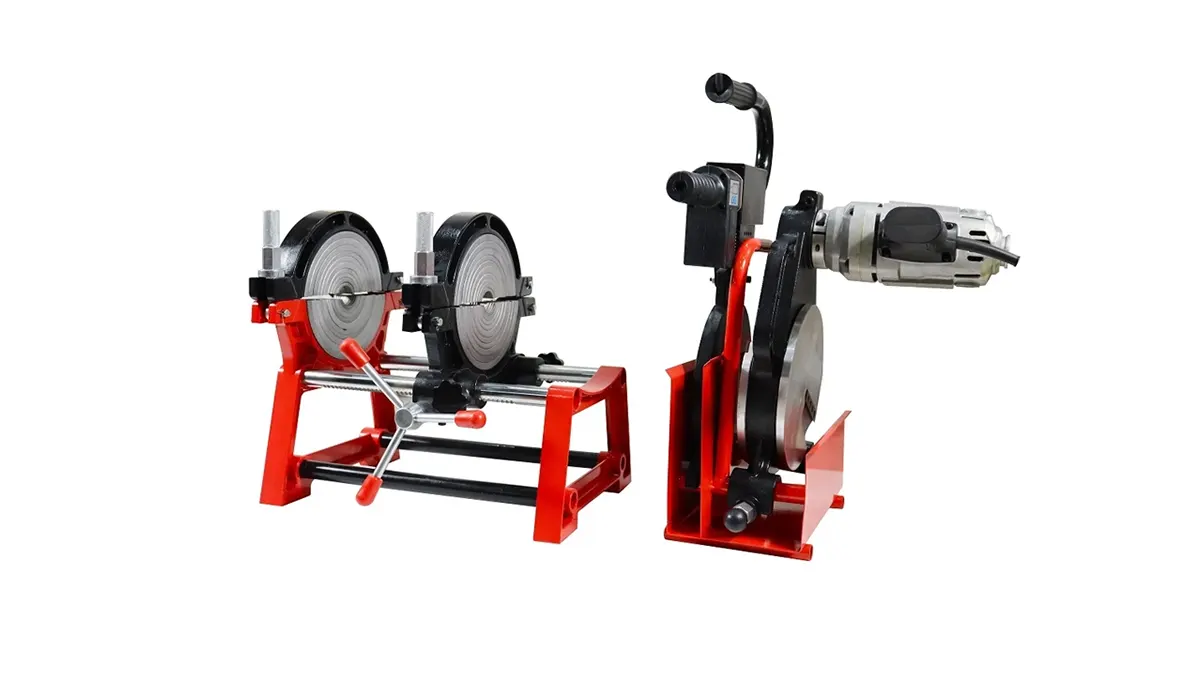
Manual machines rely on hand-lever or screw-driven force to bring pipe ends together. They are lightweight, portable, and cost-effective for diameters typically ranging from 63 mm to 315 mm. These units excel in rural water supply projects, small-diameter gas lines, and maintenance crews who move frequently between job sites. Popular models include the JQSY and JQLX series, which feature corrosion-resistant frames and quick-clamping inserts for faster setup.
Hydraulic Butt Fusion Welding Machines
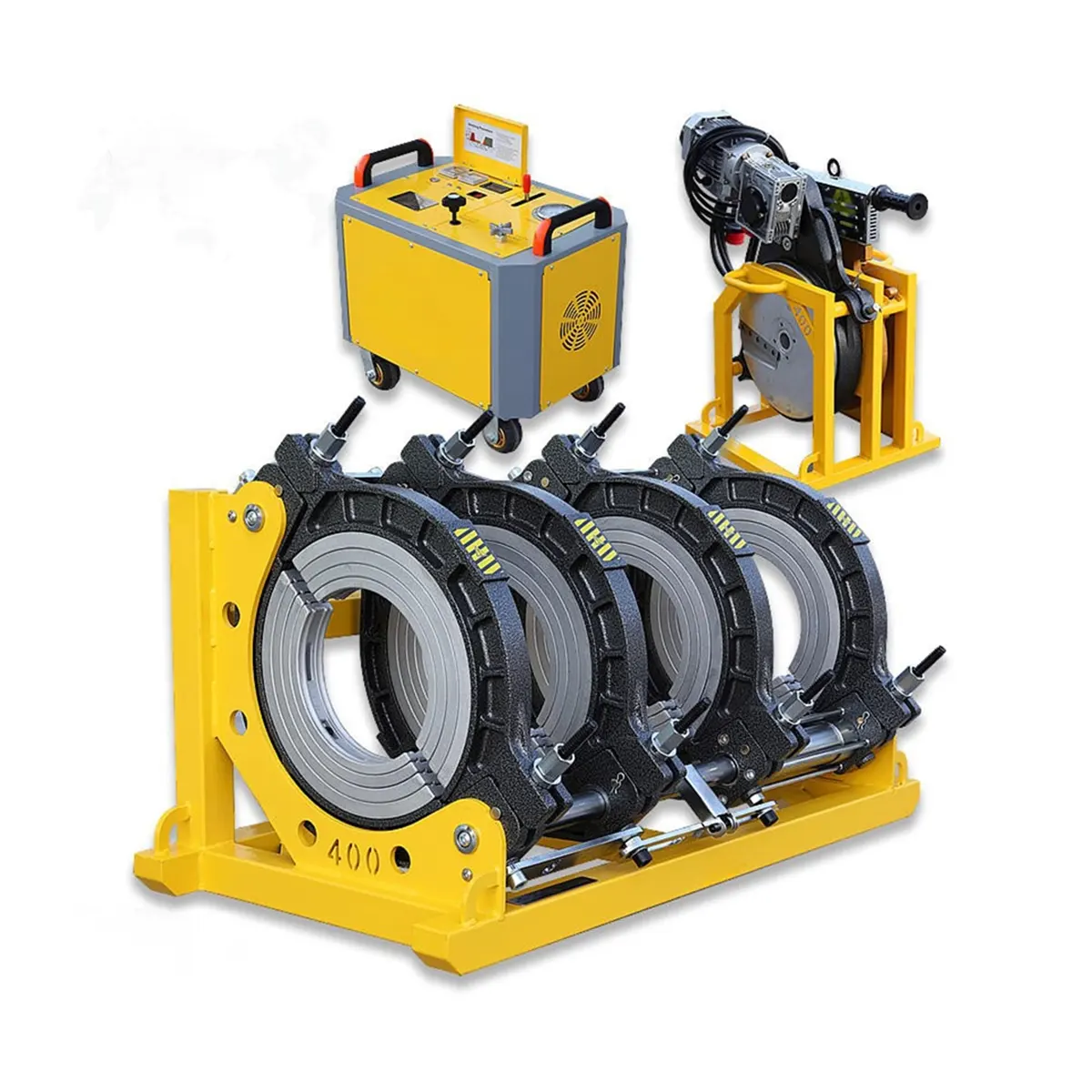
Once pipe diameters exceed 315 mm, the forces required for proper fusion make manual operation impractical. Hydraulic systems use powered cylinders to generate precise, adjustable pressure throughout the welding cycle. These machines handle diameters from 160 mm up to 2250 mm, covering the vast majority of trunk mains and large-diameter distribution lines. Hydraulic butt fusion equipment represents the most widely deployed category for mid-to-large diameter pipeline construction, offering an optimal balance of power, control, and field portability.
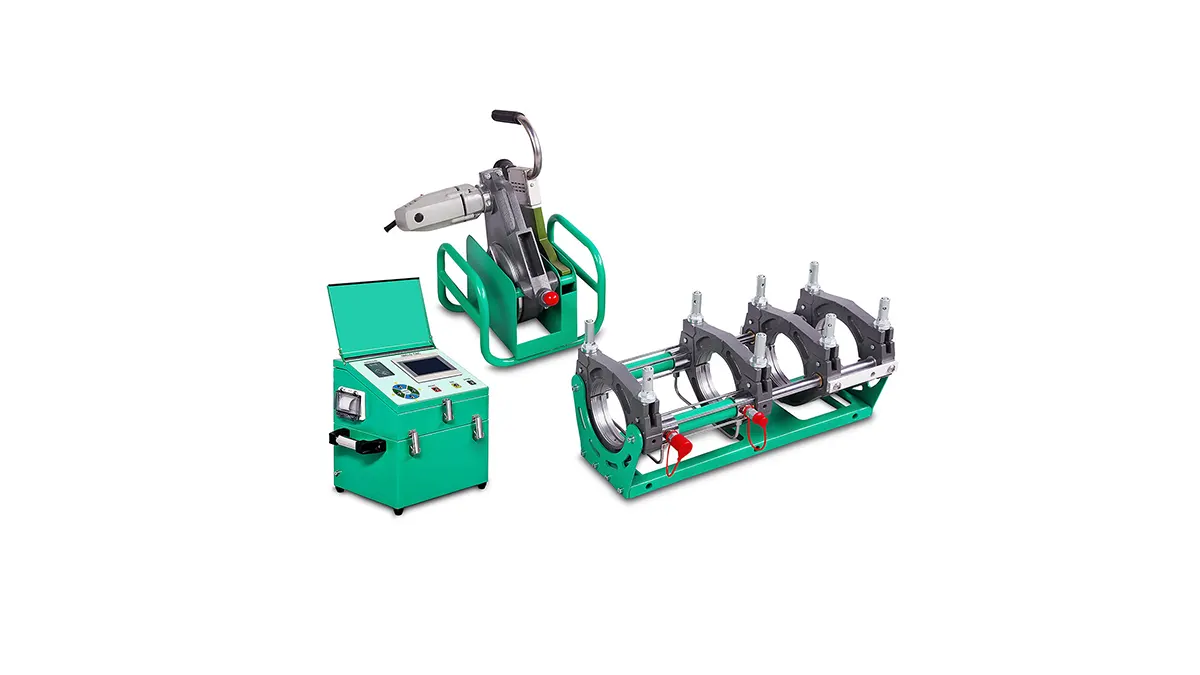
CNC Automatic Butt Fusion Welding Machines
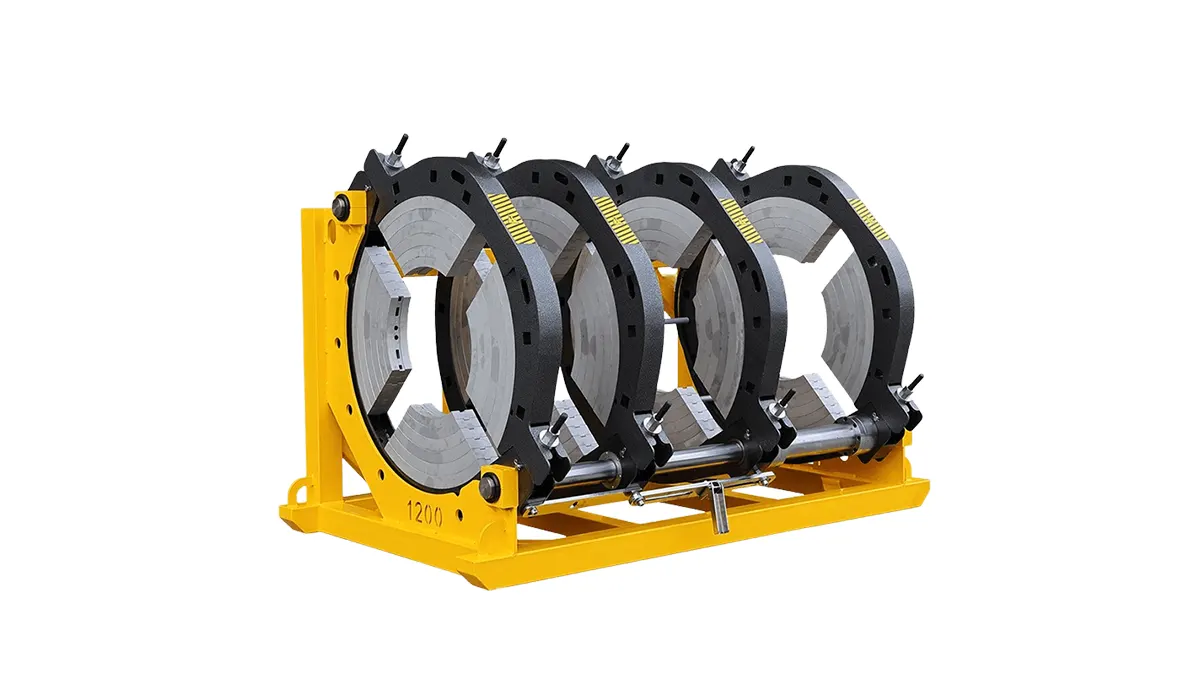
For projects where documentation, traceability, and minimal operator variability are paramount, CNC automatic machines provide the highest level of process control. These units manage heating time, soak pressure, fusion pressure, and cooling time through onboard controllers that log data for every joint. They are commonly specified for gas distribution networks, nuclear-grade applications, and large-scale water infrastructure where ISO 21307 butt fusion procedures must be strictly followed. The JQA series automatic machines cover diameters from 160 mm to 630 mm, with integrated data logging and barcode scanning capabilities for full joint traceability.
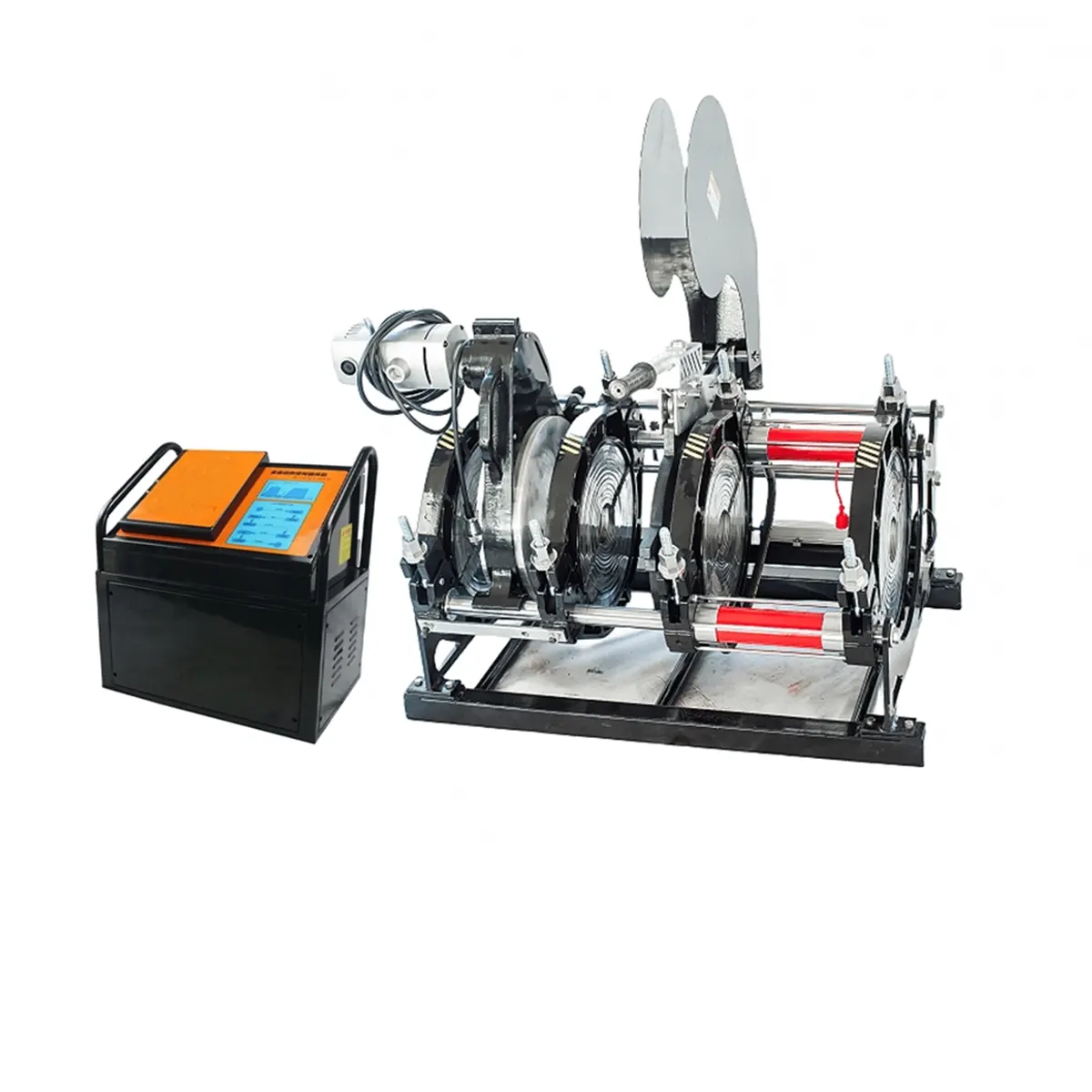
Key Selection Criteria for Pipeline Companies
Choosing the correct machine involves more than matching a diameter range. The following factors should guide your evaluation when sourcing HDPE pipe welding equipment for pipeline companies.
- Pipe Diameter and SDR Range: Confirm the machine’s clamping range covers both the outer diameter and the wall thickness (SDR) of your pipes. Undersized clamps cannot generate adequate fusion pressure; oversized clamps may cause deformation.
- Job Site Mobility: Crawler-tracked or wheeled frame options significantly reduce setup time on linear pipeline spreads. For steep terrain or confined trenches, consider frame weight and lifting points.
- Power Source Compatibility: Electric hydraulic pumps, diesel-driven power packs, or manual hand pumps each suit different field conditions. Verify voltage, phase, and generator sizing before deployment.
- Data Logging Requirements: Gas utility projects increasingly mandate per-joint data recording. PE butt fusion equipment standard ISO 12176-1 outlines interface requirements that automatic machines must meet.
- Heating Plate Temperature Accuracy: The heating plate must maintain uniform surface temperature within ±5°C. Non-stick PTFE coatings and digital controllers help ensure consistent heat transfer without polymer degradation.
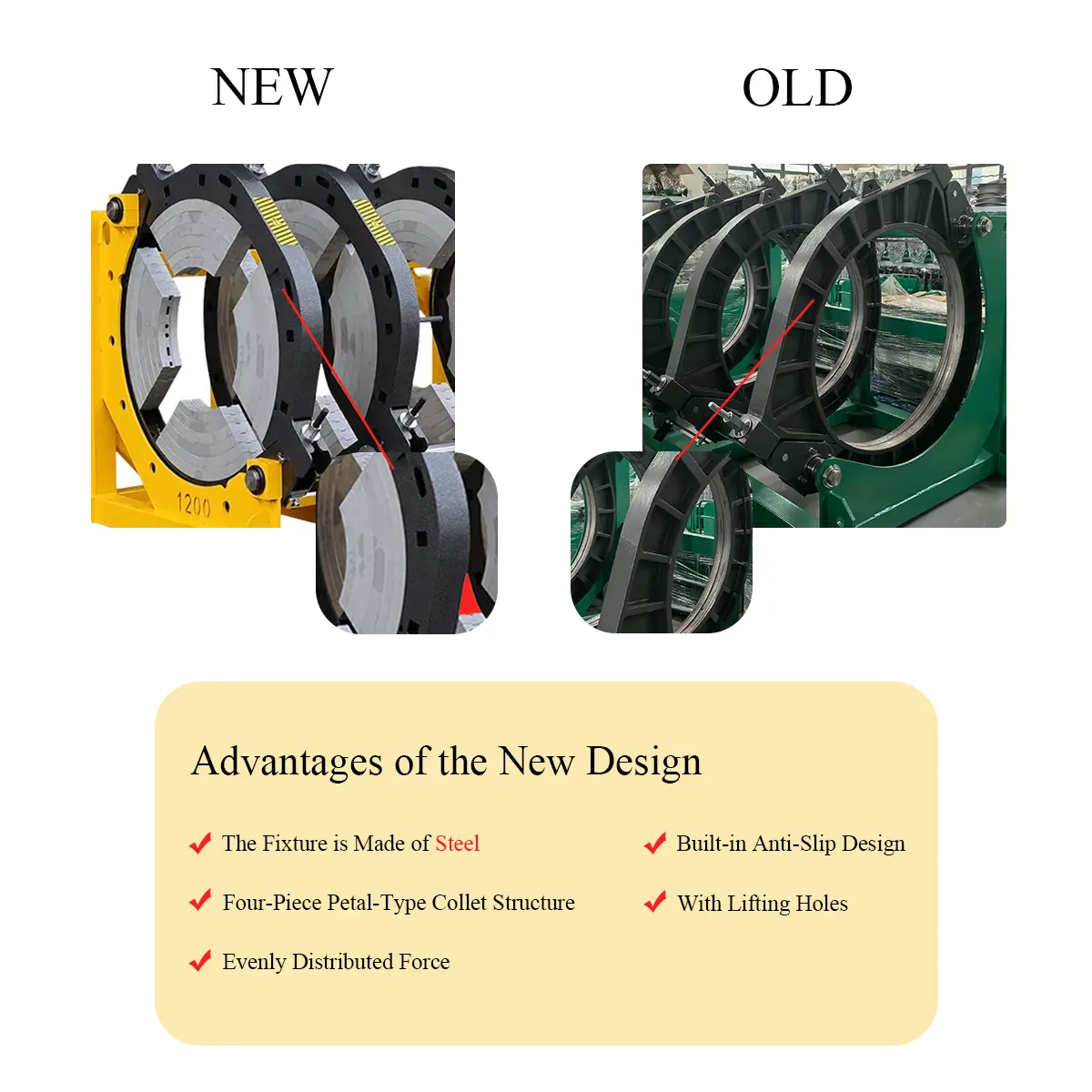
- Clamp and Insert Material: Aluminum alloy clamps reduce overall weight while maintaining rigidity. Steel inserts provide durability but add weight; the trade-off depends on whether the machine will be moved frequently or operate from a fixed laydown yard.
Equipment Comparison by Project Scale
The table below summarizes how different equipment types align with typical pipeline project profiles. Use this as a starting point for narrowing down your options.
| Project Type | Typical Diameter Range | Recommended Equipment | Key Advantage |
|---|---|---|---|
| Rural water supply, small-diameter gas services | 63 mm – 315 mm | Manual butt fusion machines | Lowest cost, high portability, simple operator training |
| Municipal water mains, mining slurry lines | 200 mm – 800 mm | Hydraulic butt fusion machines | Controlled pressure, efficient for mid-range diameters |
| Large-diameter water transmission, intake/outfall lines | 800 mm – 2250 mm | Heavy-duty hydraulic systems | High fusion force capacity, robust frame design |
| Gas distribution networks, nuclear/industrial piping | 160 mm – 630 mm | CNC automatic butt fusion machines | Full data logging, traceability, minimal operator variability |
Electrofusion: A Complementary Joining Method
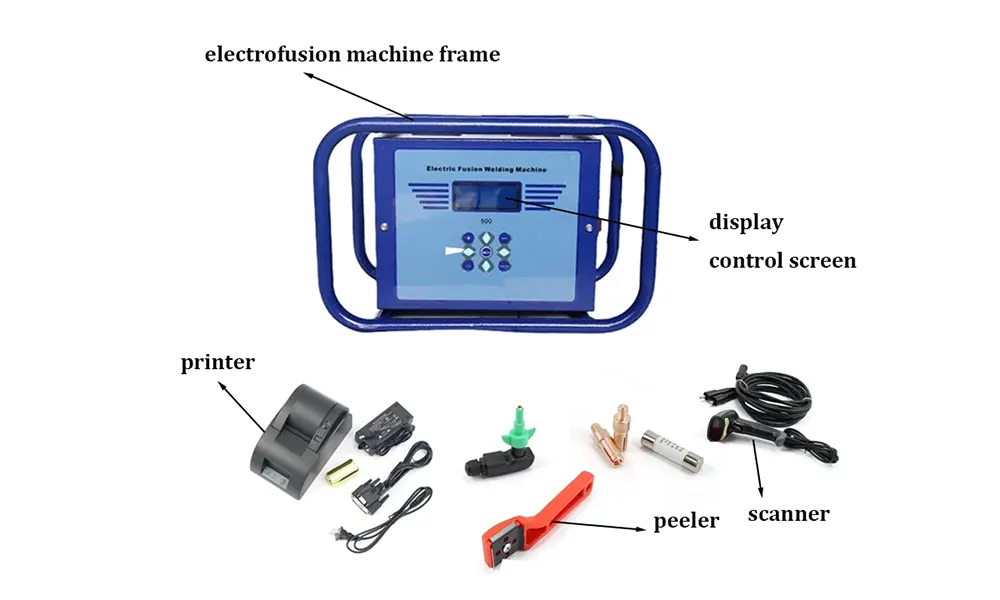
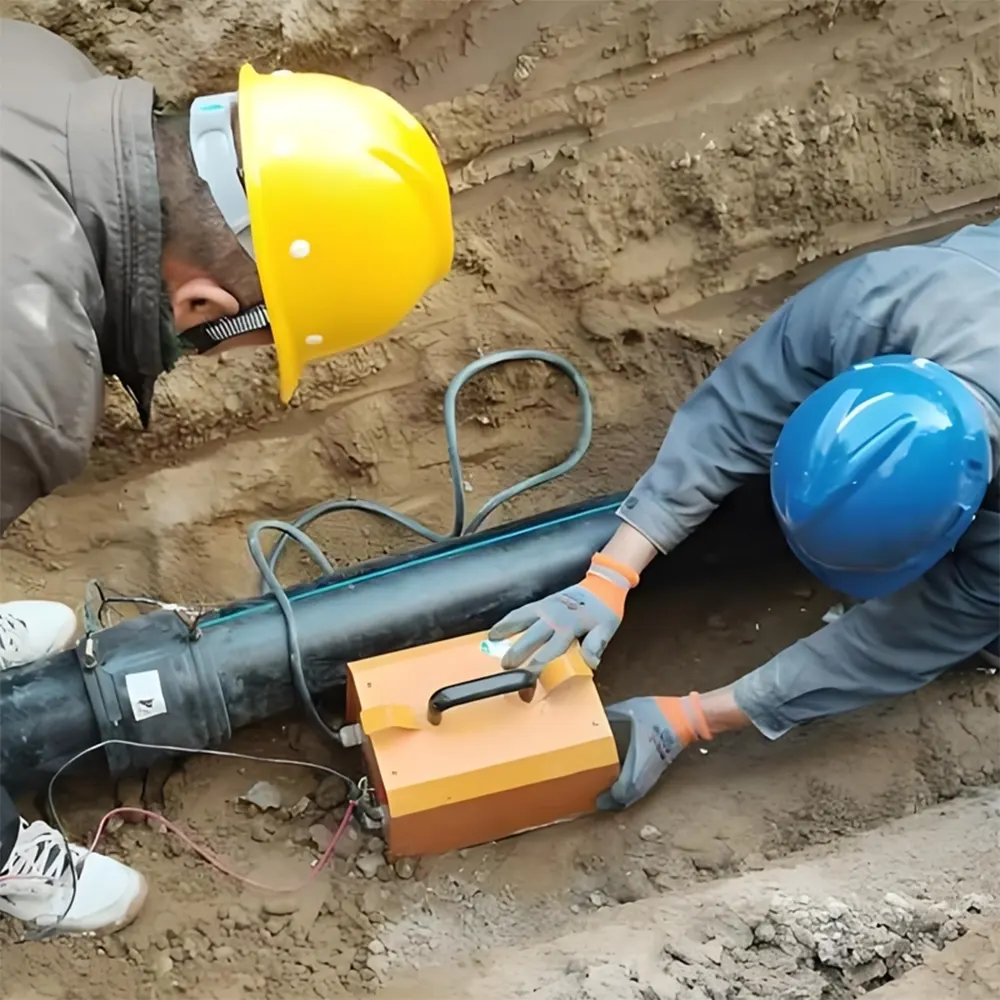
While butt fusion dominates long straight runs, electrofusion plays a critical role for tie-ins, repair sleeves, and fittings in congested areas. Electrofusion control units apply precisely timed electrical current to embedded heating coils within PE fittings, creating reliable joints without moving pipe ends. For pipeline companies executing complex networks with frequent branch connections, having both butt fusion and electrofusion equipment in the fleet provides full installation flexibility.
Multi-Angle Pipe Fitting Welding Machines
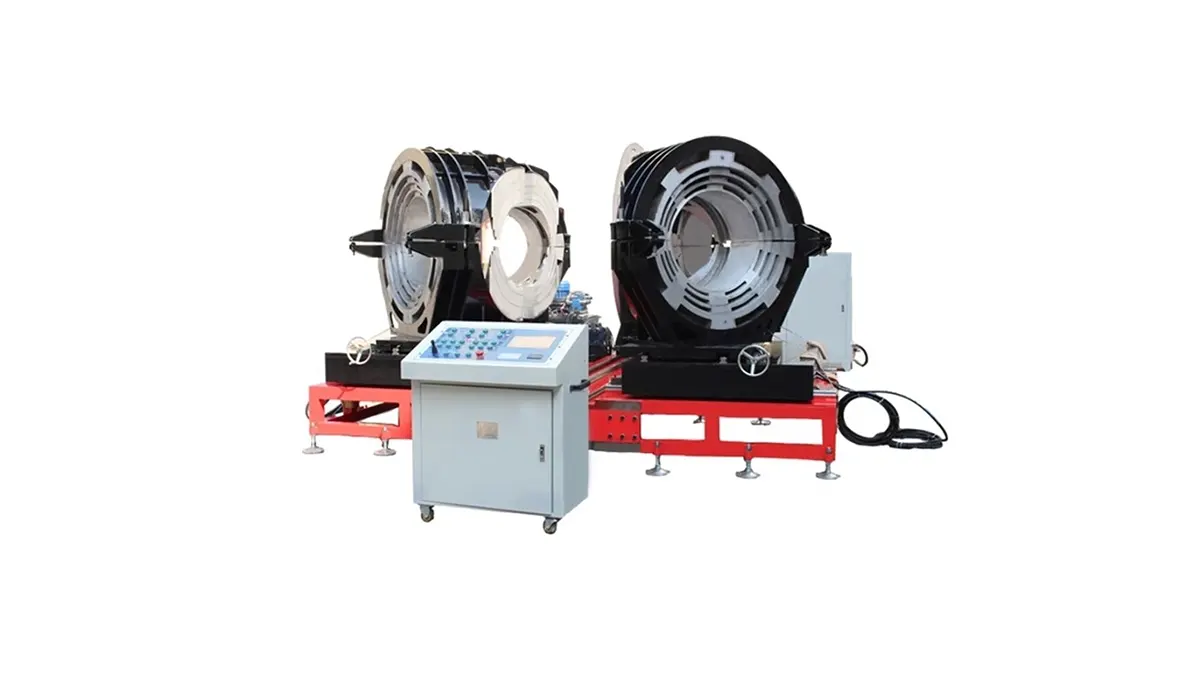
Pipeline networks rarely consist of straight lines only. Tees, elbows, Y-branches, and crosses require specialized machines that can hold fittings at precise angles during the fusion cycle. Multi-angle fitting welding equipment accommodates segmented fittings from 315 mm up to 1600 mm, enabling fabrication of custom manifolds and fabricated fittings directly on site. This capability reduces reliance on factory-made fittings, shortens lead times, and allows field modifications when alignment changes are unavoidable.
Operator Training and Certification Considerations
Even the most advanced HDPE pipe welding equipment for pipeline companies cannot compensate for untrained operators. Industry standards such as ASTM F2620 heat fusion and ISO 12176-3 establish operator qualification requirements that many project specifications now enforce. Key training areas include:
- Correct pipe end preparation and facing procedures
- Heating plate temperature verification and cleaning protocols
- Fusion pressure calculation based on pipe diameter and SDR
- Bead size inspection and visual acceptance criteria
- Data interpretation from automatic machine logs
Pipeline companies that invest in certified operator training consistently achieve lower rejection rates and fewer in-service joint failures. Many equipment suppliers offer on-site training packages as part of the machine procurement.
Quality Assurance and Standards Compliance
Reputable manufacturers design their machines to comply with international standards including ISO 12176-1 for equipment specifications, ISO 21307 for fusion procedures, and ASTM F2620 for heat fusion joining practices. When evaluating suppliers, request documentation that demonstrates:
- Heating plate temperature uniformity test results
- Clamp alignment accuracy within specified tolerances
- Pressure gauge calibration certificates
- Component material certifications for frames and hydraulic cylinders
- Electrical safety compliance for automatic control systems
Inventory Availability and After-Sales Support
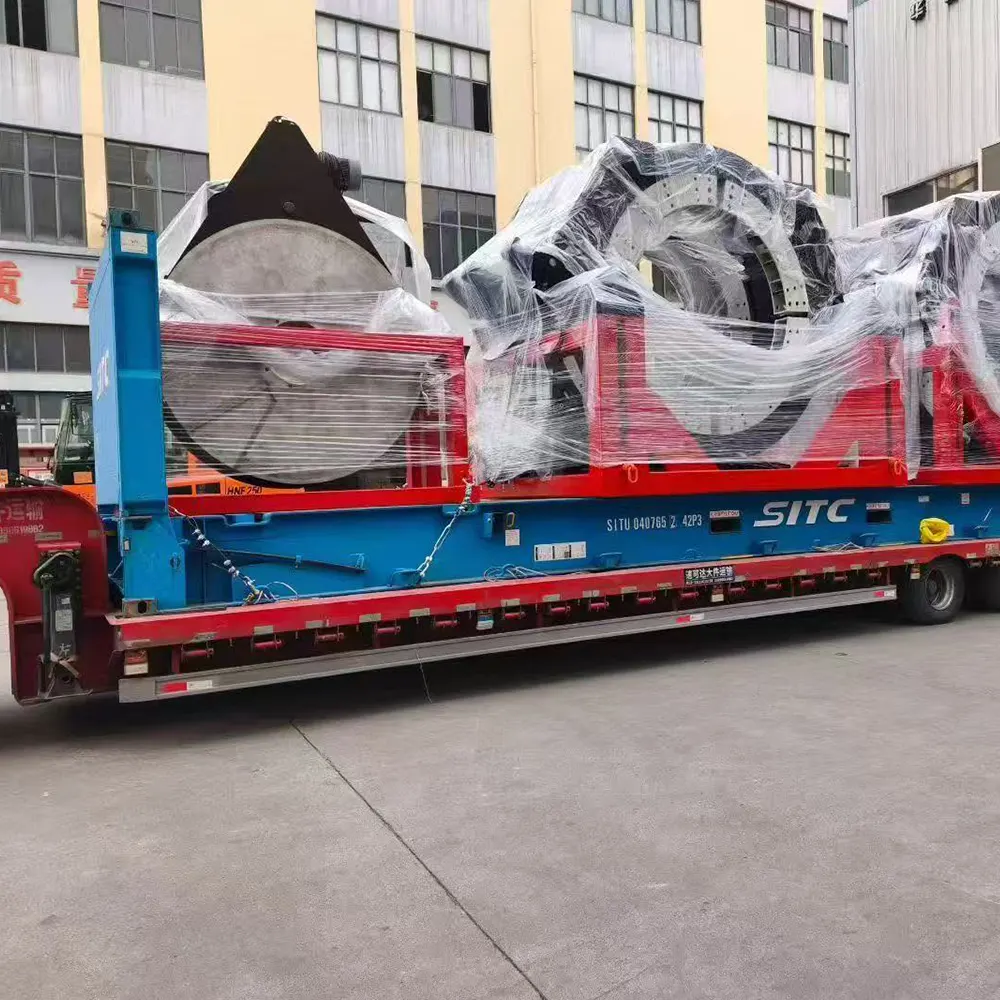
Project schedules rarely tolerate extended equipment lead times. A manufacturer with substantial finished-goods inventory can ship machines within days rather than weeks, keeping your project on track. Beyond delivery, consider the availability of spare parts, heating plates, trimmer blades, and hydraulic seals. Consumable components wear over time, and rapid access to replacements minimizes downtime during critical construction windows.
Service support extends beyond parts. JQ-Fusion maintains a responsive international service team that provides technical guidance from installation through ongoing maintenance, helping pipeline contractors resolve field issues quickly and maintain productivity across multiple spreads.
Making the Final Equipment Decision
Summarizing the selection process into a clear decision framework helps procurement teams move from evaluation to action. Consider these steps:
- Define your diameter range and SDR: This immediately narrows the field to machines with appropriate clamping capacity and fusion force.
- Assess site conditions and mobility needs: Determine whether you need crawler tracks, wheels, or static frames. Consider terrain, access, and how often the machine will relocate.
- Determine automation requirements: If your project requires joint-by-joint data recording for regulatory compliance, automatic machines are the only viable choice.
- Verify standards compliance: Match the machine’s certified capabilities to the specifications in your contract documents.
- Evaluate total cost of ownership: Factor in spare parts availability, expected service life, and the manufacturer’s reputation for ongoing support—not just the initial purchase price.
A well-chosen HDPE pipe welding equipment for pipeline companies investment pays dividends through faster cycle times, fewer rejected joints, and lower long-term maintenance costs. By aligning machine capabilities with project demands and operator skill levels, pipeline contractors can achieve the weld integrity and productivity that modern infrastructure projects demand.