
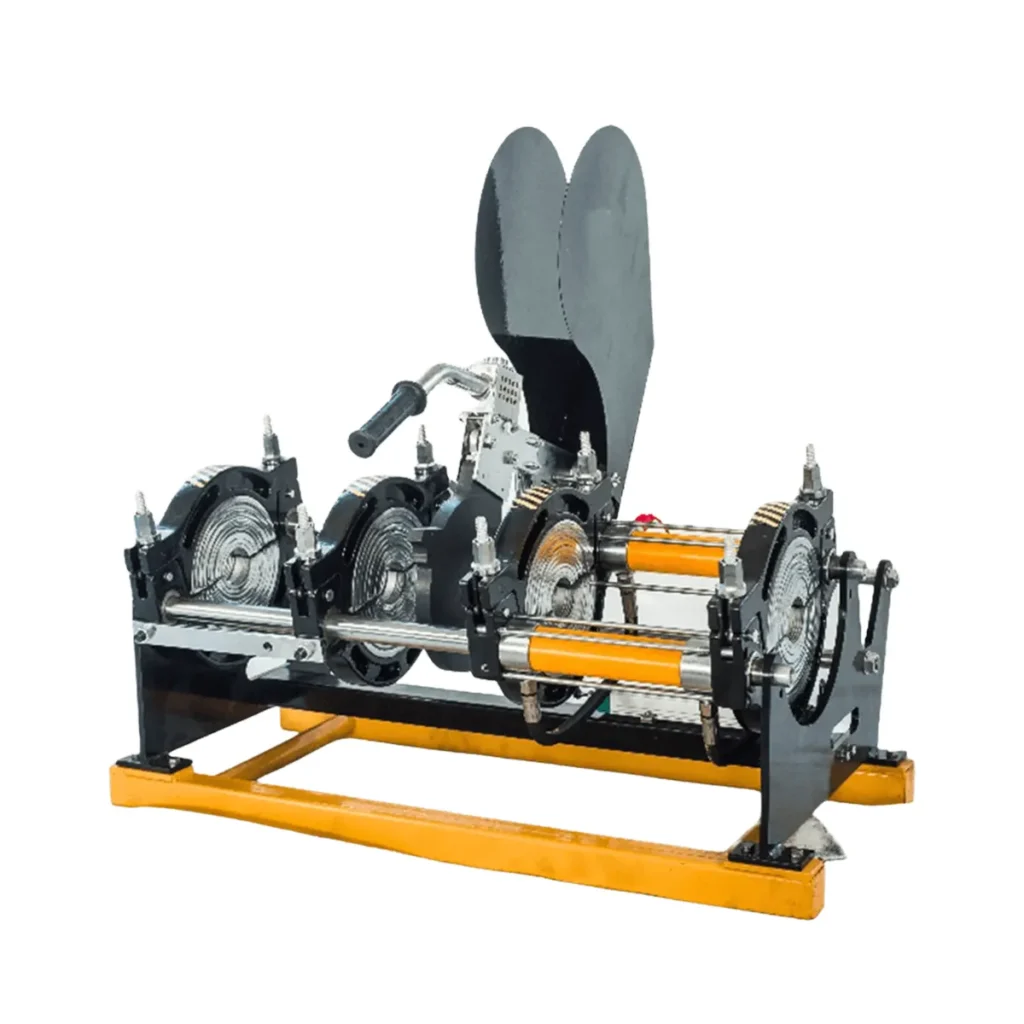
Butt fusion welding is the cornerstone of creating leak-proof, monolithic HDPE piping systems. However, even the most experienced operators can encounter performance hiccups that compromise joint integrity. Effective butt fusion machine troubleshooting is not just about fixing immediate failures; it’s about understanding the root cause to ensure safety, reduce downtime, and extend the service life of your butt fusion welding machine.
From cold joints and erratic hydraulic movements to misaligned pipe ends, the symptoms often point to specific mechanical or procedural lapses. Whether you are operating a manual rig for small diameters or a CNC automatic machine for large-scale infrastructure, this guide provides a systematic approach to diagnosing and resolving these challenges. As a leading manufacturer, JQ-Fusion understands that reliable troubleshooting knowledge keeps your projects on track.
Identifying Common Butt Fusion Machine Failures
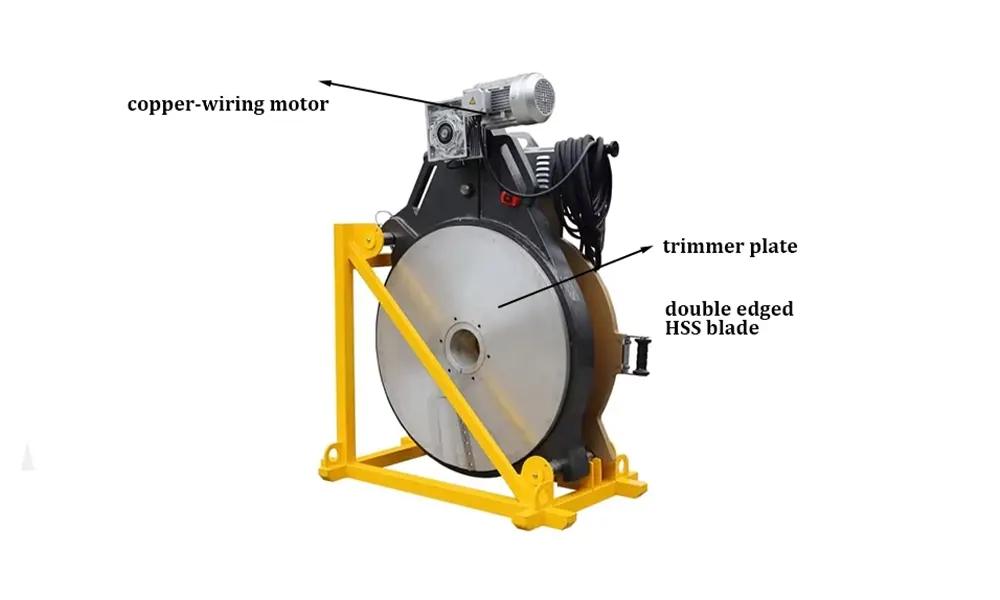
Before diving into component checks, it is essential to categorize the problem. Most defects in PE pipe joining fall into visual or operational failures. A cold joint, characterized by a lack of material intermixing, usually results from incorrect heating plate temperature or insufficient soak time. Conversely, overheating degrades the polymer, leaving a brittle joint. Operational issues often include the hydraulic carriage stalling or the trimmer failing to produce smooth ribbons.
Systematic Troubleshooting: A Step-by-Step Guide
Effective butt fusion machine troubleshooting follows a logical sequence. Jumping to conclusions without verifying the basics often leads to wasted effort and repeated failures. Use the table below to quickly diagnose prevalent issues in the field.
| Problem | Possible Cause | Recommended Solution |
|---|---|---|
| Bead size too small or non-uniform | Incorrect fusion pressure or interfacial drag | Calculate and reset the proper gauge pressure; verify drag compensation |
| Pipe slips in the clamp during fusion | Worn clamp inserts or insufficient hydraulic clamping force | Inspect and replace liners; check hydraulic power unit for leaks |
| Heating plate fails to reach set point | Damaged heating element or faulty thermocouple | Test resistance of elements; calibrate or replace thermocouples |
| Trimmer vibrates excessively or jams | Blunt blades or incorrect rotational speed | Sharpen or replace blades; check gearbox and motor brush |
| High ambient temperature fluctuations | Machine stored in direct sunlight or extreme cold | Tent the work area; allow the butt fusion machine to acclimatize |
Operator Errors That Lead to Equipment Downtime
Human factors remain the most common root cause of butt fusion machine troubleshooting calls. Inadequate training often leads to misaligned pipe ends, where the high-low mismatch exceeds 10% of the wall thickness. This puts uneven stress on the fusion joint. Furthermore, ignoring the drag force on a hydraulic machine can result in insufficient interfacial pressure, a primary reason for joint failure. Operators must strictly adhere to ISO 21307 butt fusion procedures for validating parameter inputs.
Another frequent oversight is neglecting the phase of moving the heating plate. If the dwell time is too long—often called “getting the plate out too slowly”—the molten pipe ends cool prematurely, causing a cold joint. The shift from heating to welding must be swift and efficient to maintain the required temperature profile.
Hydraulic System Troubleshooting for Butt Fusion Machines
In hydraulic butt fusion welding machines, the fluid power system is the muscle behind the process. If the carriage moves erratically or fails to hold pressure, the hydraulic circuit should be the first point of inspection. Start by checking the oil level and condition; milky or contaminated oil can damage seals and valves. A common fix for a “spongy” feel in the control lever is bleeding air from the cylinder lines.
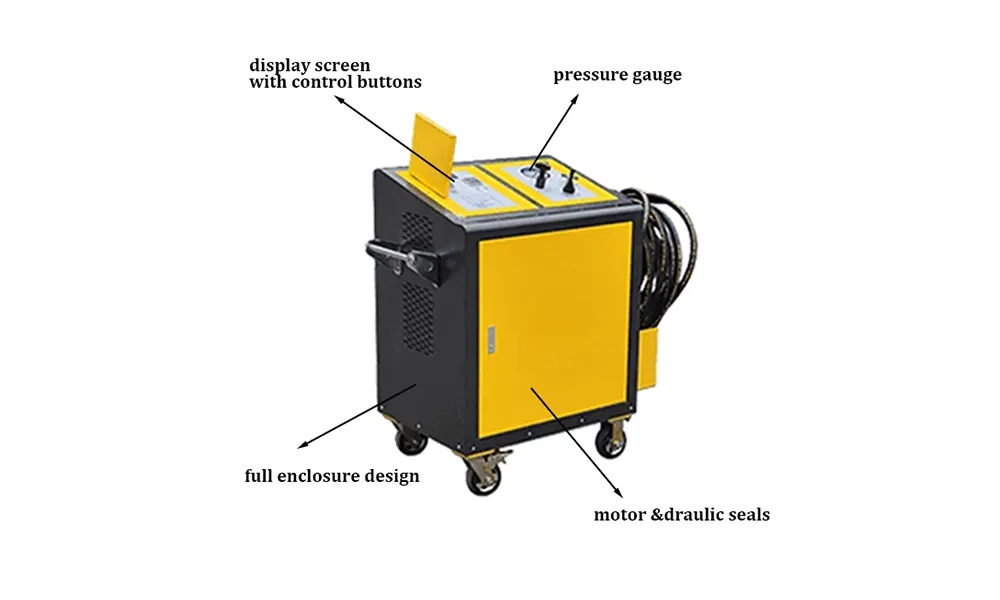
- Check the hydraulic hoses: Look for abrasions or kinks restricting flow.
- Test the relief valve: Ensure it is set correctly to prevent over-pressurization.
- Inspect cylinder seals: External leaks indicate a seal failure that requires an immediate rebuild kit.
Managing the Heating Plate and Temperature Control
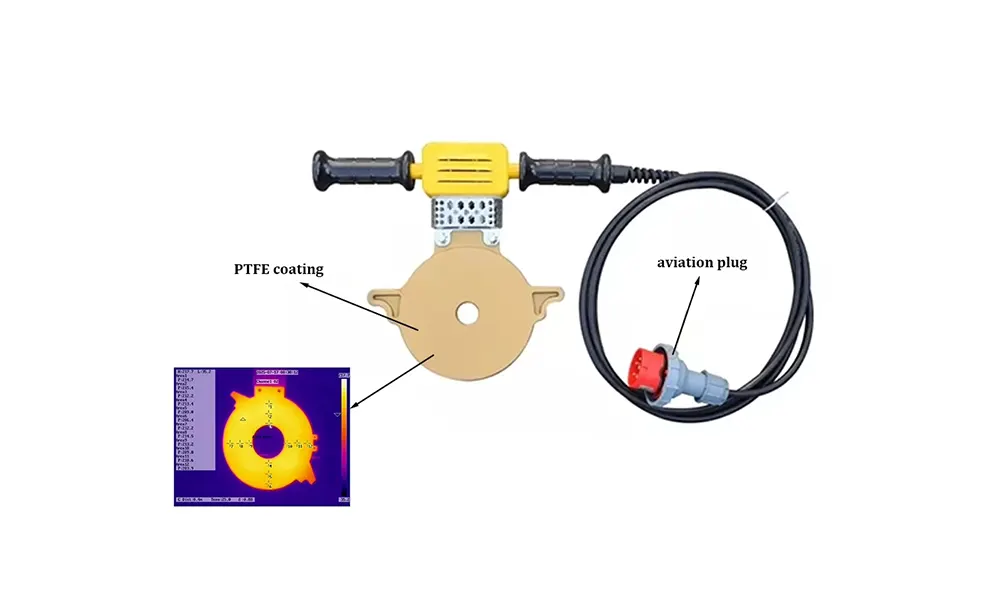
The heating plate is the centerpiece of a successful weld. A common issue in butt fusion machine troubleshooting involves temperature delta across the plate surface. A damaged contactor or a failed heating zone can leave a “cold spot” that results in inconsistent melting. It is critical to regularly map the plate surface using a digital pyrometer to verify conformity with the PE butt fusion equipment standard. Never attempt to weld if the temperature variance exceeds ±5°C across the working zone.
Preventive Maintenance: Reducing Future Troubleshooting Needs
The most effective butt fusion machine troubleshooting strategy is a robust preventive maintenance schedule. By catching issues before they manifest as weld failures, you significantly improve the productivity of your HDPE pipe welding projects. Below is a checklist of maintenance routines that directly impact machine reliability.
Daily and Weekly Maintenance Checklist
- Non-stick coating: Wipe the heating plate with a non-abrasive cloth while hot to remove polymer residue. A dirty plate increases stickiness and drag.
- Trimmer blades: Inspect for chips or dullness daily. Dull blades create a polished surface on the pipe end, hindering molecular entanglement and often requiring higher welding forces.
- Clamp jaw alignment: Verify that the clamps are not distorted. A dropped machine can misalign the fusion joint path by millimeters, leading to angular misalignment.
- Electrical connections: Tighten all terminals and check for heat damage on the plug, a common failure point in single-phase manual machines.
Long-term Care for CNC Automatic Machines
For advanced CNC automatic butt fusion welding machines, data logging plays a vital role in troubleshooting. These machines often store fault codes corresponding to speed sensors, limit switches, or pressure transducers. If the machine throws a “pressure not achieving” alarm, simply swapping the hydraulic pump without checking the transducer calibration can be a costly mistake. Always correlate the machine’s electronic log with the manual physical check per the PPI butt fusion procedure.
When to Seek Professional Support
While many fixes are field-level, certain conditions warrant expert intervention. If you find structural cracks in the frame of a hydraulic machine or if the CPU controller board on a CNC model has suffered water ingress, continued operation poses a safety risk. In these scenarios, you need a partner who understands not only the electronics but also the high-integrity demands of gas distribution piping welding.
At JQ-Fusion, our response to client feedback often reveals that what appears to be a major machine fault is simply a parameter miscalculation. Using a distributor or end-user’s provided data, our engineers can remotely diagnose issues, frequently saving thousands in unnecessary freight costs and preventing project delays. We ensure that every unit leaving our facility meets rigorous quality checks, reducing the initial failure risk significantly.
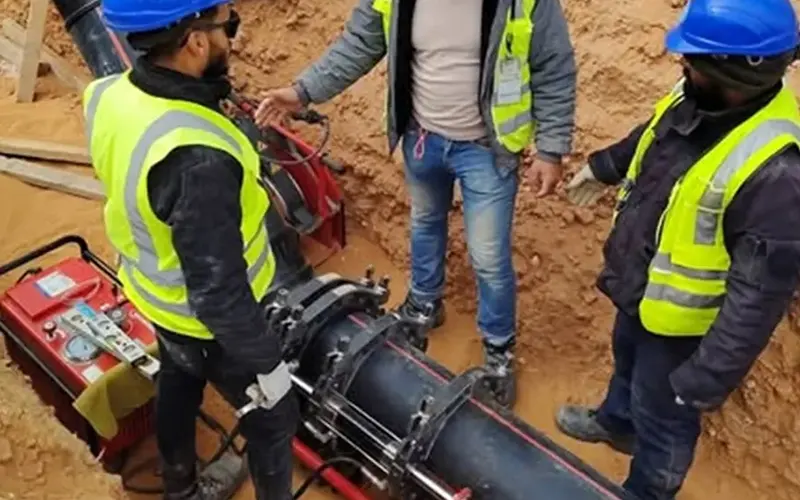
Key Takeaways for Reliable Butt Fusion Operations
Successful butt fusion machine troubleshooting merges technical knowledge with practical discipline. It always starts with observing the external bead profile and listening to the hydraulic motor, then working backward to the root cause. Ensure your team is well-versed in the generic butt fusion joining procedure and treats the equipment not as a commodity tool, but as a precision instrument. By integrating strict preventive maintenance, you extend the life of your equipment and guarantee the performance of your pipeline network for decades.



