
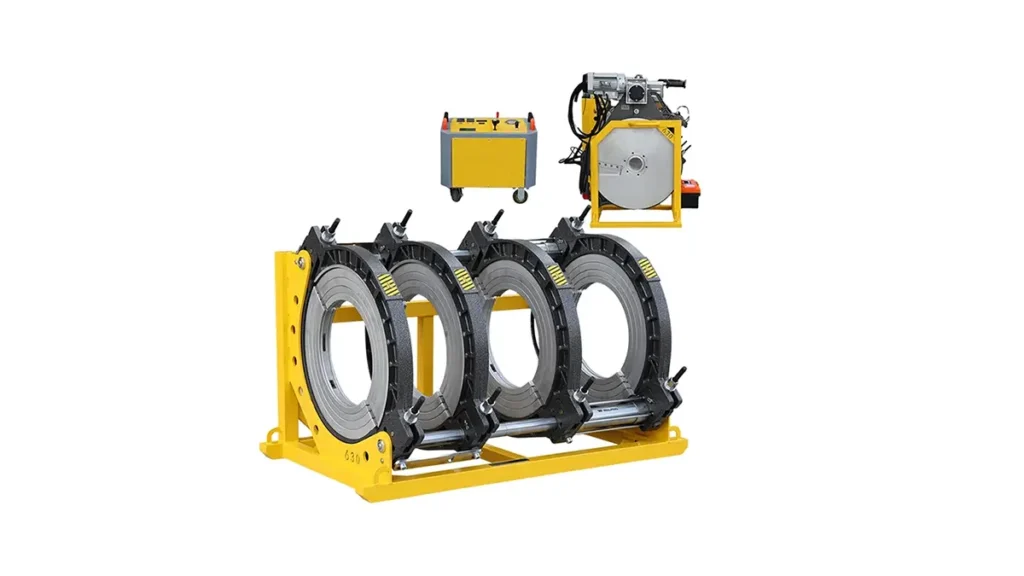
High-density polyethylene (HDPE) pipe fusion technology has become the gold standard for creating leak-proof, maintenance-free piping systems across water supply, gas distribution, mining, and industrial applications. Unlike traditional mechanical joining methods that rely on gaskets, flanges, or adhesives, HDPE pipe fusion technology creates a homogeneous bond by melting and fusing pipe ends together under controlled temperature and pressure. This article explores the core fusion methods, their key benefits, and the best practices that ensure durable, long-lasting joints.
The reliability of an HDPE pipeline depends heavily on the quality of its joints. When properly executed, a fusion joint becomes stronger than the pipe itself, eliminating potential leak points and delivering a service life that can exceed 50 years. Understanding the different butt fusion welding techniques and the equipment behind them is essential for engineers, contractors, and project managers who demand performance and safety.
Understanding HDPE Pipe Fusion Methods
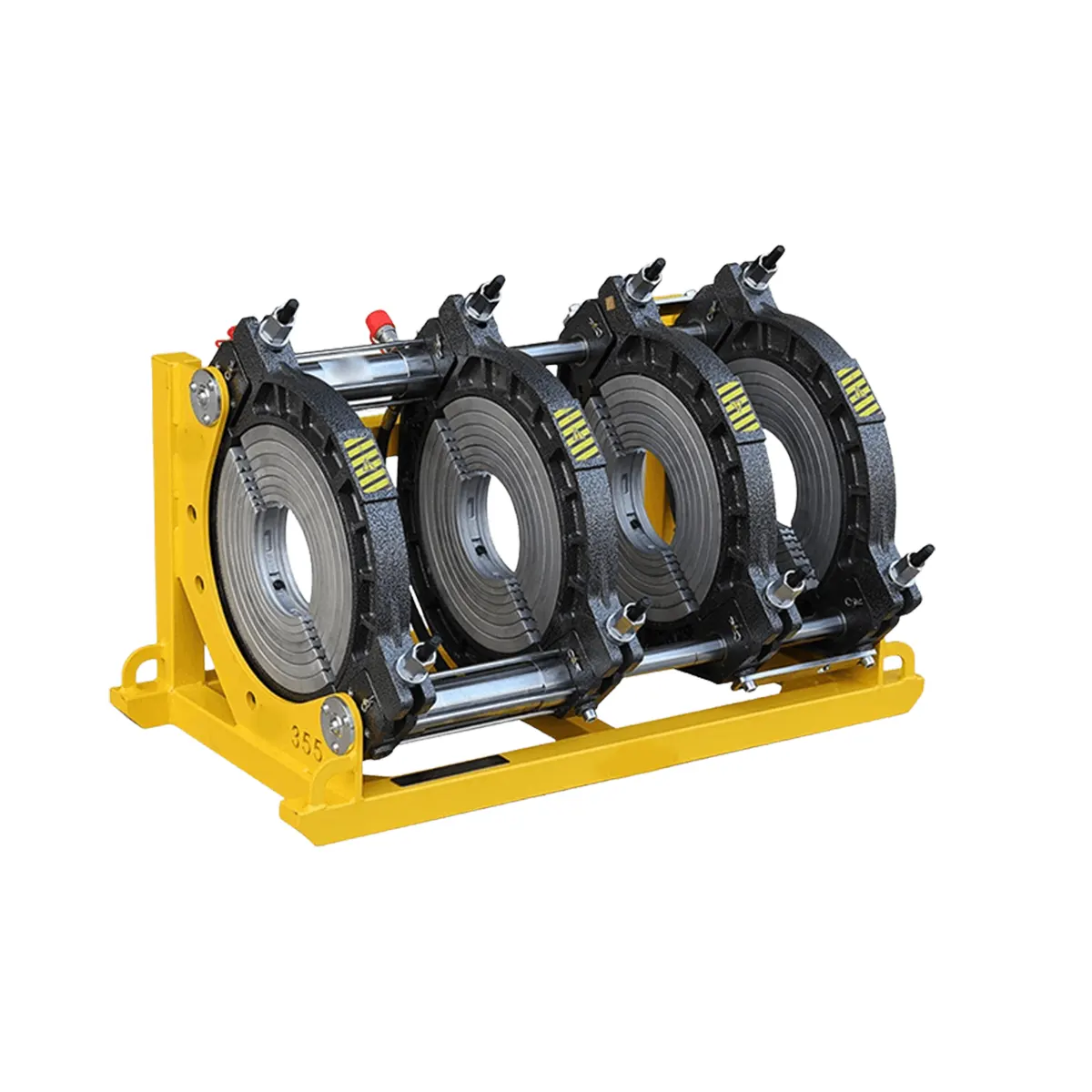
There are several established methods for fusing HDPE pipes, each suited to specific pipe sizes, project conditions, and performance requirements. Selecting the correct method is the first step toward a successful installation. The three primary techniques are butt fusion, electrofusion, and socket fusion, with butt fusion being the most widely used for medium to large diameter pipes.
Butt Fusion Welding
Butt fusion is the most common technique for joining HDPE pipes and fittings from 63mm up to 2000mm and beyond. The process involves aligning two pipe ends against a heating plate until the material reaches a molten state, then pressing them together under controlled force and allowing the joint to cool under pressure. The result is a seamless, monolithic connection that matches the original pipe’s pressure rating and chemical resistance. Standards such as ISO 21307 butt fusion procedures and ASTM F2620 define the precise parameters—temperature, pressure, and time—that must be followed for each pipe diameter and wall thickness.
Electrofusion
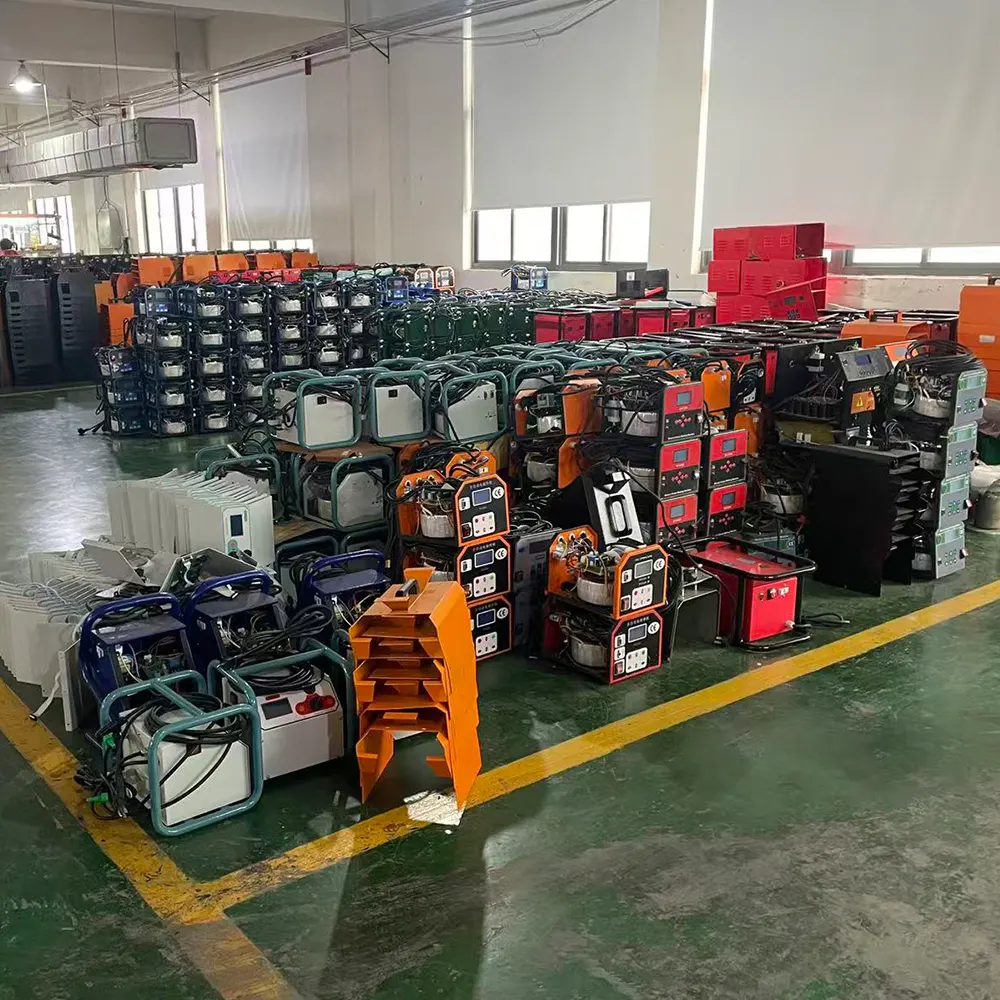
Electrofusion uses specially manufactured fittings with embedded electrical heating coils. When an electrofusion processor applies a controlled electric current, the coils heat up and melt the surrounding PE material, fusing the fitting to the pipe. This method is particularly valuable for repairs, tight spaces, and tie-ins where butt fusion machines cannot be easily positioned. Electrofusion is commonly used for pipe diameters from 20mm to 710mm and is governed by international standards that specify voltage, fusion time, and cooling periods.
Socket Fusion
Socket fusion is typically employed for smaller diameter pipes, usually below 110mm, in plumbing and industrial applications. A heating tool simultaneously melts the outside surface of the pipe and the inside surface of a socket fitting. The pipe is then inserted into the fitting and held until the joint cools. While less common in large infrastructure projects, socket fusion remains a reliable method for branch connections and service lines.
Comparing Fusion Methods at a Glance
| Feature | Butt Fusion | Electrofusion | Socket Fusion |
|---|---|---|---|
| Typical Pipe Range | 63mm – 2000mm+ | 20mm – 710mm | 16mm – 110mm |
| Joint Strength | Equal to or stronger than pipe | Strong, consistent fusion | Reliable for small diameters |
| Best Application | Long straight runs, mainlines | Repairs, confined spaces, tie-ins | Service lines, branch connections |
| Equipment Portability | Moderate to low (large machines) | Highly portable | Lightweight and compact |
| Key Standard | ISO 21307 / ASTM F2620 | ISO 12176-2 / ASTM F1290 | ASTM F1056 |
Key Benefits of HDPE Pipe Fusion Technology
Why has fusion joining become the preferred method for HDPE piping systems worldwide? The advantages extend beyond simple leak prevention and touch every phase of a project’s lifecycle.
- Leak-Free Joints: Since the pipe and joint become one continuous piece of material, there are zero leak paths. This is critical for potable water systems and gas distribution networks where even minor leakage is unacceptable.
- Exceptional Longevity: Properly fused HDPE joints can last over 50 years without degradation, matching the lifespan of the pipe itself and significantly reducing lifecycle costs compared to mechanical joints.
- Corrosion and Chemical Resistance: HDPE is inherently resistant to corrosion, chemicals, and biological growth. Fusion joints preserve this resistance, making the system ideal for aggressive soils and industrial fluids.
- Seismic Flexibility: Unlike rigid mechanical couplings, fused HDPE pipelines can withstand ground movement and seismic activity, flexing without fracturing at the joint.
- Reduced Maintenance: With no gaskets to replace, bolts to tighten, or corrosion to manage, fused HDPE systems demand minimal ongoing maintenance, lowering operational expenses over decades.
Best Practices for Reliable Fusion Joints
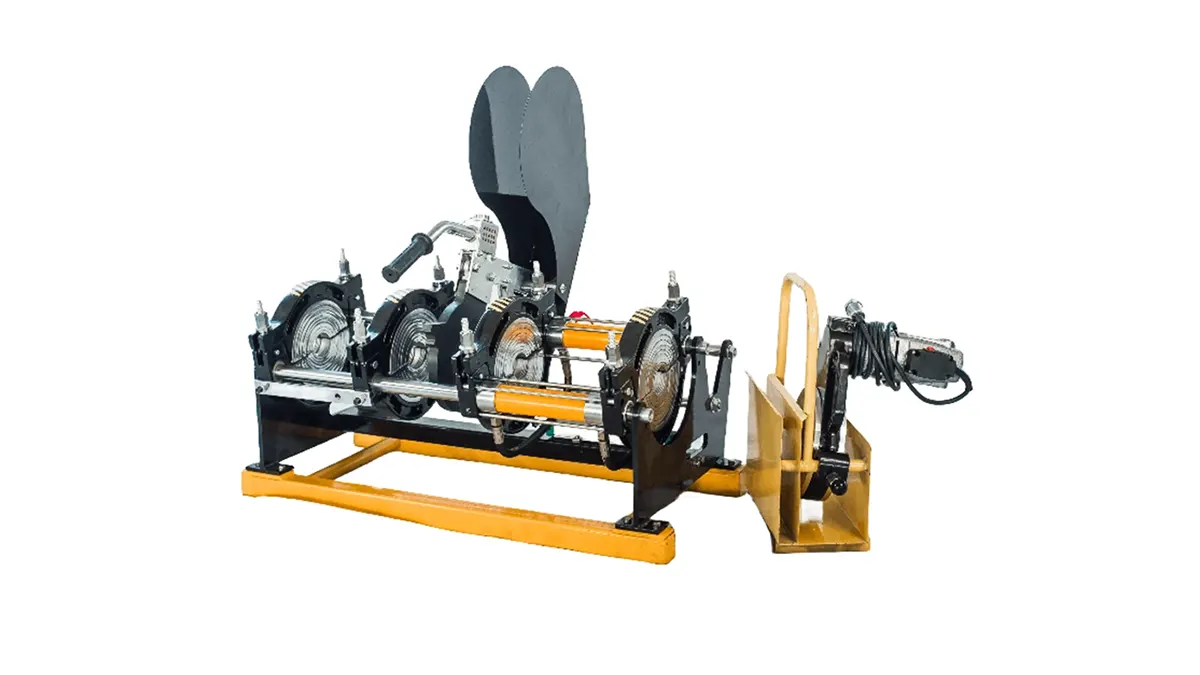
Achieving consistently strong fusion joints requires strict adherence to established procedures and attention to detail at every stage. The PE butt fusion process guidelines published by industry bodies like the Plastics Pipe Institute (PPI) emphasize that even minor deviations can compromise joint integrity.
1. Proper Pipe Preparation
Cleanliness is non-negotiable. Pipe ends must be free of dirt, moisture, and oxidation before fusion. Use approved pipe cleaners and ensure the scraping or facing process removes the oxidized outer layer to expose virgin PE material. Contamination is one of the leading causes of fusion failure in the field.
2. Precise Alignment and Clamping
Misalignment during the fusion cycle creates stress concentrations and weak points. High-quality fusion machines use robust clamps and guides that hold pipes in perfect axial alignment throughout the heating, fusion, and cooling phases. Regular calibration of clamp systems is essential for maintaining this precision.
3. Temperature Control
The heating plate must maintain a consistent surface temperature—typically between 200°C and 230°C (392°F to 446°F) depending on environmental conditions. Temperature verification using a pyrometer should be performed before each fusion cycle to confirm the plate is within the required range. Uneven heating leads to incomplete fusion and weak joints.
4. Adherence to Fusion Pressure and Time
Every pipe size and SDR (Standard Dimension Ratio) has specific parameters for heating time, changeover time, fusion pressure, and cooling time. These are not suggestions—they are engineered requirements derived from the material’s rheological properties. Using a machine with data logging capabilities helps ensure these critical parameters are met and recorded.
5. Controlled Cooling
Cooling must occur under maintained pressure without any external force or movement. Removing the pipe from the machine prematurely or applying stress during the cooling phase can introduce residual stresses that weaken the joint over time. Patience during cooling is an investment in joint longevity.
Selecting the Right Fusion Equipment
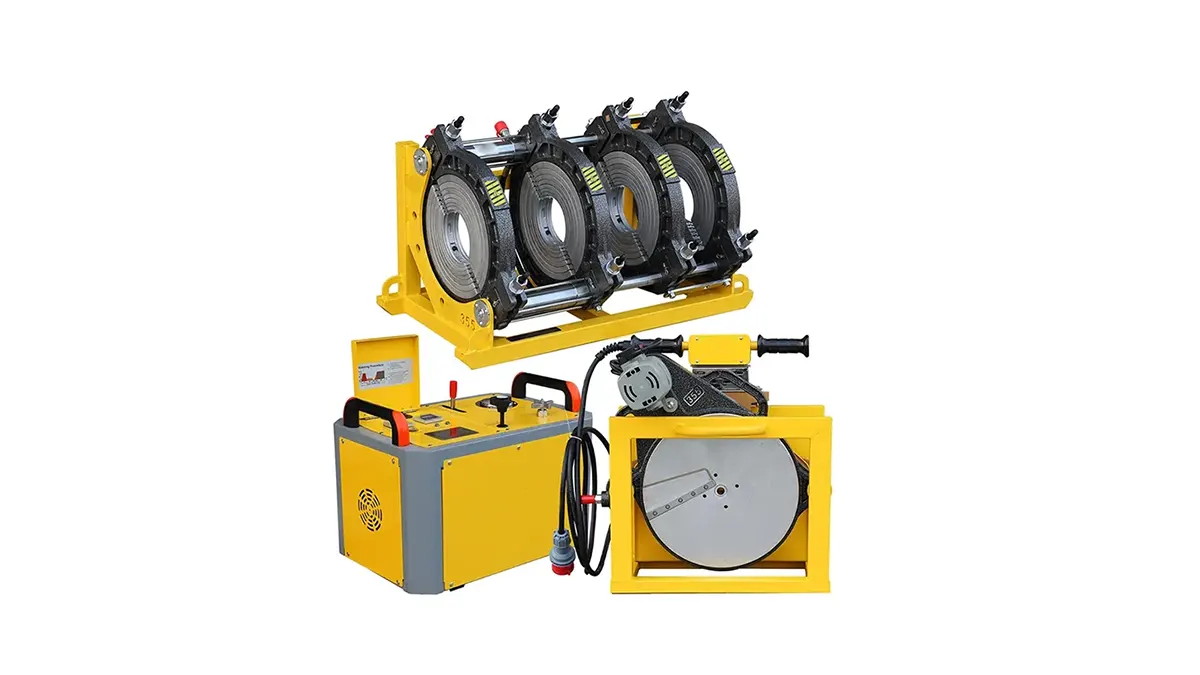
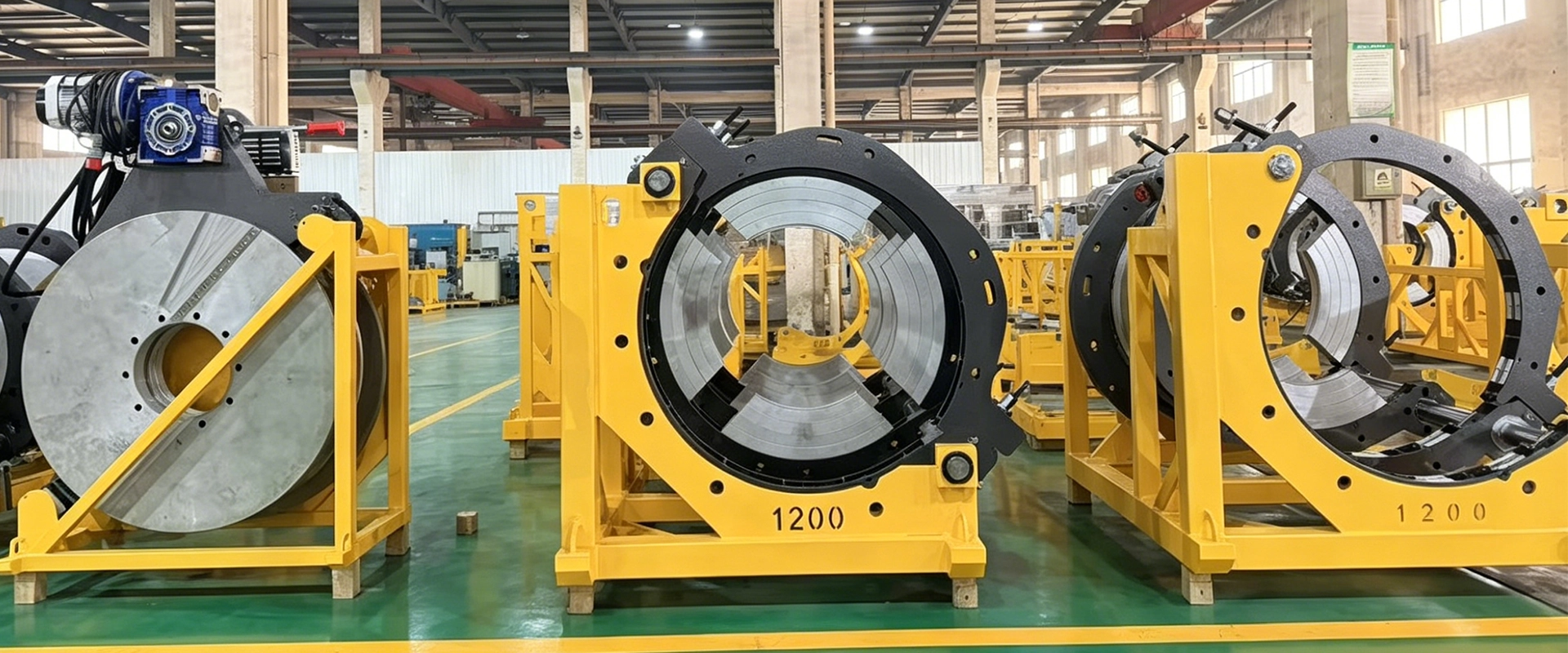
The quality of your fusion joints is directly tied to the quality of your equipment. From manual machines for small-diameter fieldwork to fully automatic CNC systems for large-scale infrastructure, choosing the right tool for the job matters. Key considerations include clamping force, heating plate temperature uniformity, hydraulic pressure control, and data recording capabilities. For critical applications such as gas distribution or high-pressure water mains, automatic machines with real-time parameter monitoring provide an added layer of quality assurance.
Companies like JQ-Fusion specialize in manufacturing a comprehensive range of HDPE pipe welding machines, offering manual, hydraulic, and CNC automatic butt fusion solutions that cover pipe diameters from small to large. With rigorous quality control processes and customizable options, reliable equipment helps contractors achieve efficient, precise, and repeatable fusion results across diverse project environments.
Common Fusion Defects and How to Avoid Them
Recognizing potential problems before they occur is the hallmark of experienced fusion operators. Some of the most frequently encountered issues include:
- Cold Fusion: Occurs when pipe ends are not adequately heated before joining. The resulting joint lacks molecular entanglement and may separate under pressure. Prevention: strict adherence to heating times and temperature verification.
- Inadequate Bead Formation: A properly fused joint produces a symmetrical, uniform bead on both the inside and outside of the pipe. Irregular or missing beads signal improper pressure or temperature. Prevention: monitor bead size and shape during qualification trials.
- Pipe Slippage: If clamping pressure is insufficient, pipes may slip during the fusion cycle, causing misalignment and uneven wall thickness at the joint. Prevention: inspect and maintain clamp inserts regularly.
- Contamination: Even small amounts of dirt, oil, or moisture can create localized weak spots. Prevention: keep pipe ends covered and clean until the moment of fusion.
Operator Training and Qualification
Even the best equipment cannot compensate for an untrained operator. Industry standards require that fusion operators be qualified and periodically recertified to demonstrate competence in the specific fusion method being used. Training programs cover equipment setup, parameter selection, troubleshooting, and quality inspection of completed joints. Investing in skilled personnel is one of the most cost-effective ways to ensure fusion success and avoid costly rework.
Conclusion
HDPE pipe fusion technology represents a mature, reliable, and scientifically grounded approach to creating piping systems that perform for decades. By understanding the differences between butt fusion, electrofusion, and socket fusion—and by following established best practices for preparation, alignment, temperature control, and cooling—contractors and engineers can deliver joints that exceed project specifications. With the right equipment, trained operators, and unwavering attention to detail, fusion-welded HDPE pipelines continue to set the standard for modern infrastructure around the world.



